
The Custom Fabrication Challenge
Custom projects—one-off designs, personalized products, bespoke components—present manufacturing challenges distinct from mass production. Traditional manufacturing requires tooling and setup costs uneconomical for single pieces or small quantities. Custom fabrication demands flexibility, speed, and precision without volume economies. Laser cutting uniquely addresses these requirements, making it ideal for custom project realization.
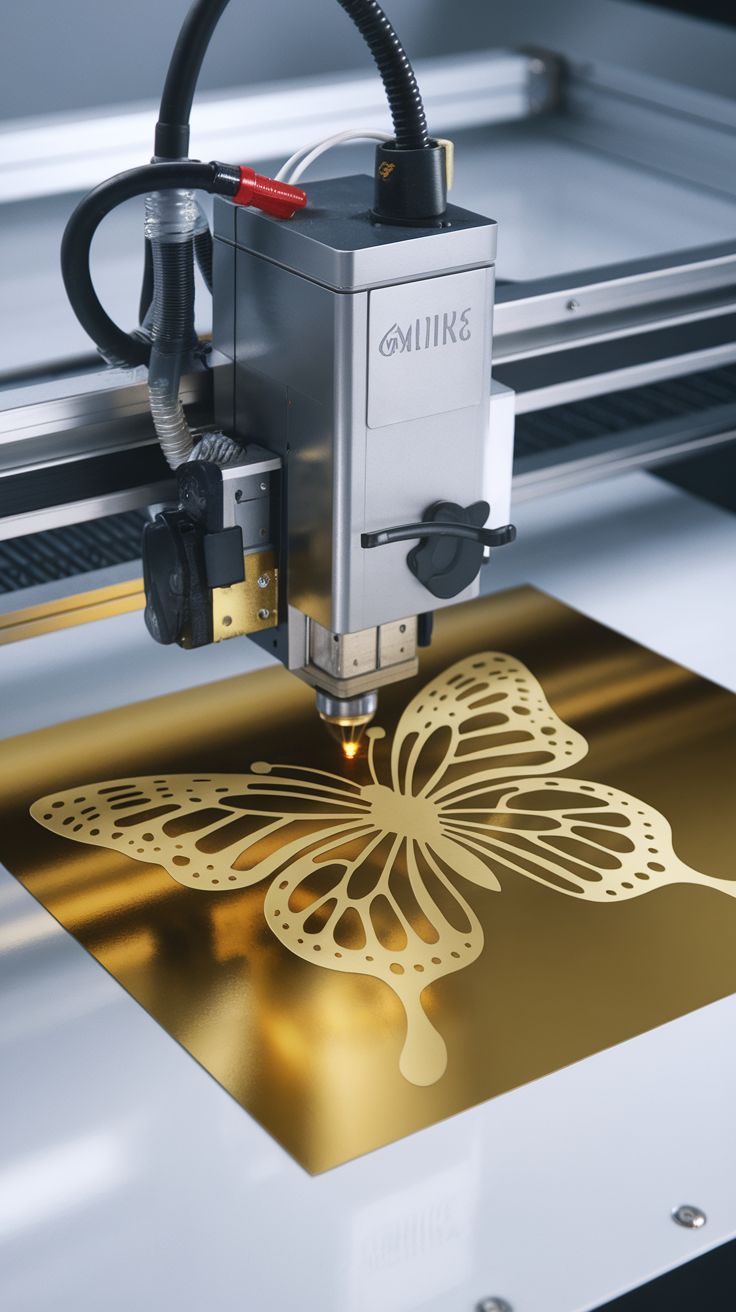
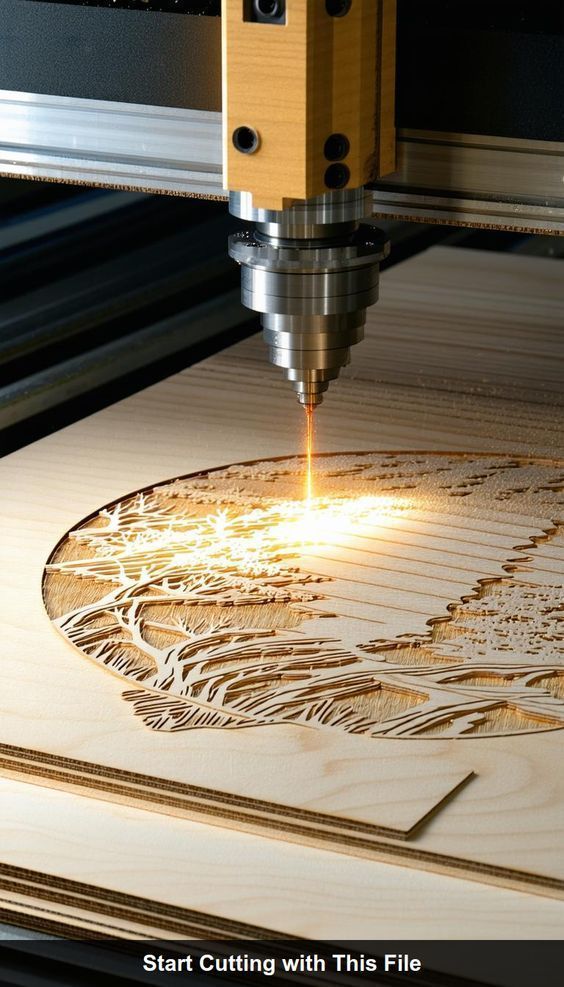
Design freedom distinguishes custom projects from standardized products. Unique geometries, personalized details, and project-specific requirements defy standardization. Laser cutting accommodates any vector design without tooling constraints, enabling realization of unique concepts. This freedom empowers designers and clients to pursue specific visions rather than accepting available options.
Economic viability at low quantities enables custom market segments. Prototyping, personalization, art, and bespoke manufacturing all require cost-effective single or small quantity production. Laser cutting's minimal setup and flexible production make these markets accessible, supporting business models and creative practices impossible with traditional manufacturing.
Design Freedom and Flexibility
Unlimited geometry capability allows any shape within material and machine limits. Complex curves, sharp internal corners, intricate details, and variable features all possible. No tooling constraints dictating straight lines or standard radii; no mold limitations on undercuts or draft angles. Design complexity does not increase manufacturing cost or difficulty.
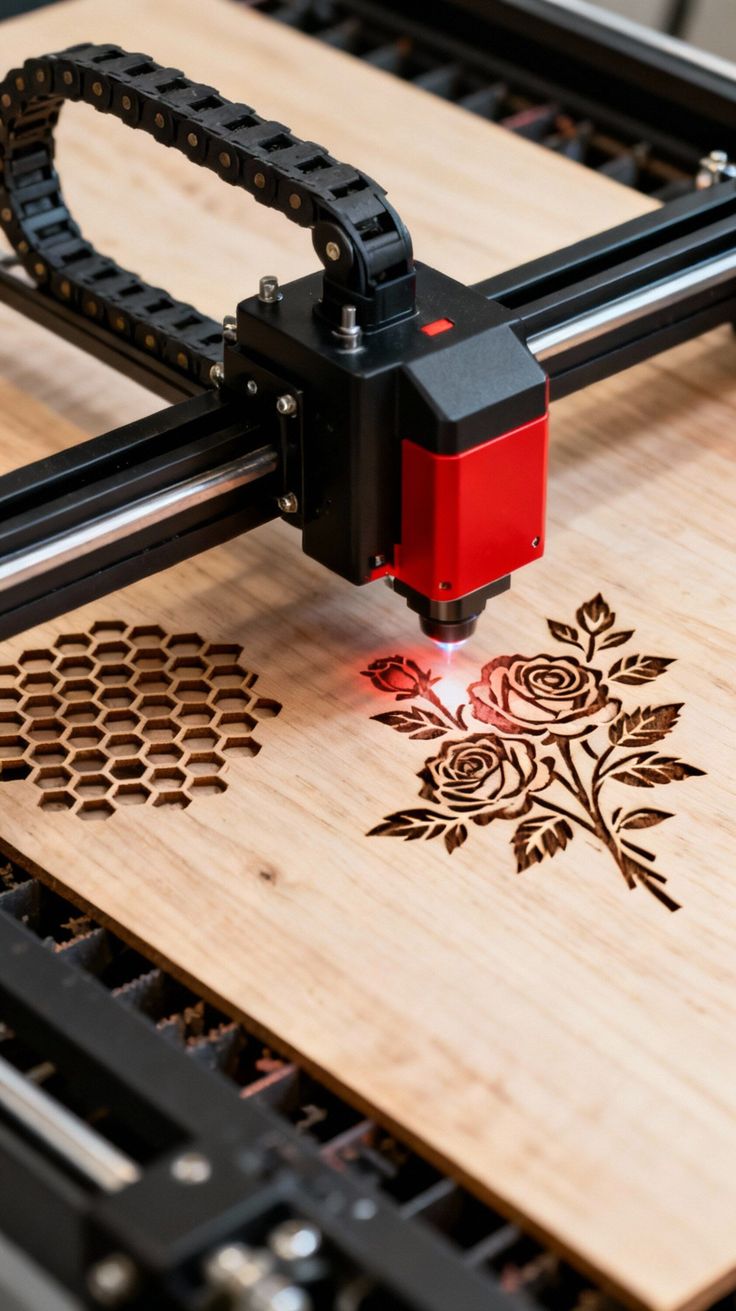
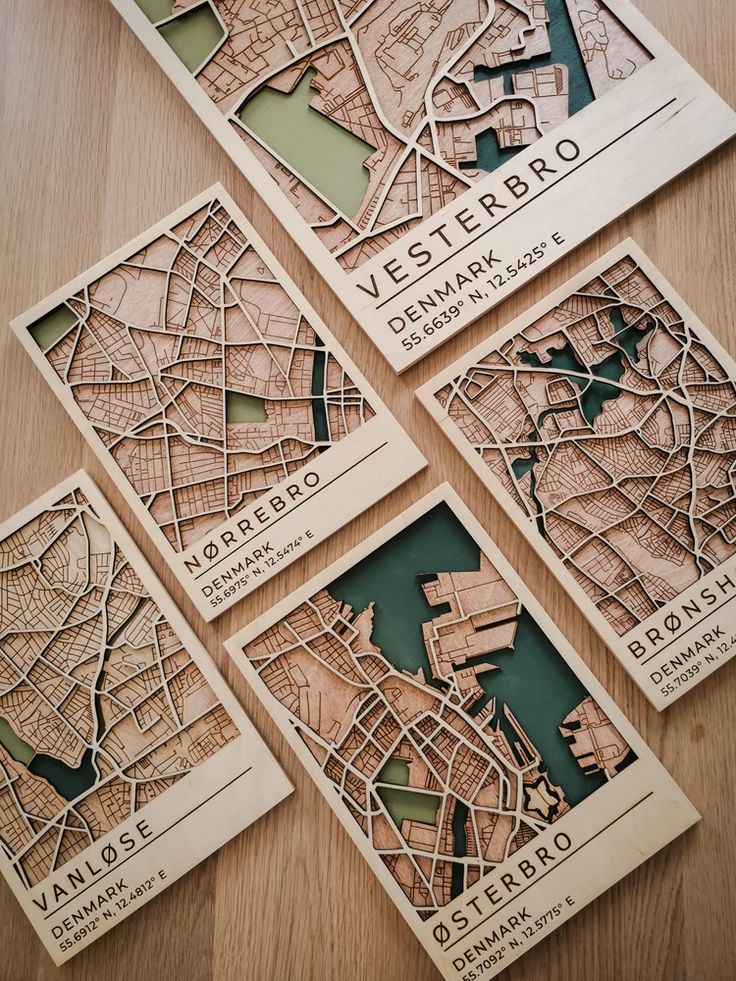
Personalization and variable data integration enables mass customization. Each piece can be unique—names, dates, serial numbers, custom graphics—without tooling change or setup cost. Software-controlled variation makes personalization economical. This capability supports gift markets, recognition programs, and individualized products.
Design iteration speed accelerates development. Modifications implemented immediately; prototypes produced rapidly; feedback incorporated quickly. This iteration cycle improves final outcomes and reduces development time. Traditional methods requiring tooling changes impose delays discouraging refinement.
Multi-material capability from single equipment expands options. Acrylic, wood, leather, fabric, paper, and thin metals all process on CO2 laser systems; fiber lasers add metal capability. Material selection based on application requirements rather than process limitations. Design can specify optimal materials for function and aesthetics.
| Custom Requirement | Laser Cutting Advantage | Traditional Limitation | Application Benefit |
|---|---|---|---|
| Unique geometry | Any shape possible | Tooling constraints | Design freedom |
| Personalization | Variable data at no cost | Fixed tooling | Mass customization |
| Low quantity | Economical single pieces | Tooling cost amortization | Prototype accessibility |
| Rapid iteration | Hours from change to part | Weeks for tooling changes | Faster development |
| Material variety | Multiple materials, one process | Process-specific equipment | Material optimization |
| Complex detail | Fine features standard | Tool size limitations | Intricate designs |
Economic Advantages for Custom Work
No tooling costs eliminate major barrier to custom production. Die cutting, molding, or stamping requires tooling investment $5,000-$100,000+ and weeks of lead time. Laser cutting proceeds directly from digital file to production, making single pieces economically viable. This cost structure transforms custom from premium luxury to accessible option.
Setup efficiency enables economic small batches. File loading and material positioning require minutes; machine setup minimal; changeover between designs instantaneous. Small quantities achieve reasonable per-piece costs despite setup time allocation. Quantity breakpoints where tooling methods become economical typically 500-5,000 pieces depending on complexity.
Material efficiency reduces waste in custom work. Nesting software optimizes material utilization; narrow kerf minimizes material loss; right-sizing orders prevents excess inventory. For expensive materials or large parts, efficiency significantly impacts project economics.
Labor efficiency in digital workflow reduces custom costs. Design files control production directly; minimal manual setup or adjustment; automated processing reduces labor content. Skilled labor focused on design and finishing rather than machine operation. These efficiencies offset higher equipment costs compared to manual methods.
Quality and Precision Benefits
Consistency across custom pieces ensures quality standards. Digital control eliminates operator variation; automated processing maintains parameters; each piece matches design precisely. Custom does not mean variable quality—every piece meets specification.
Precision capabilities suit demanding custom applications. Tolerances of ±0.05-0.1mm adequate for most assembly and fit requirements; edge quality appropriate for visible applications; detail resolution enables intricate designs. This precision supports functional prototypes, precision components, and premium products.
Finish quality reduces post-processing for custom work. Laser-polished acrylic edges; sealed wood edges; clean metal cuts. These native finishes often sufficient without secondary operations, reducing custom production time and cost. When finishing required, precision cutting provides good foundation.
Repeatability enables custom production scaling. Successful custom designs can be reproduced exactly for additional orders; quality maintained across production runs; design files archived for future production. Custom origin does not preclude future production if demand develops.
Speed and Responsiveness
Rapid quoting based on digital file analysis. Automated time estimation from design files; material cost calculation; immediate pricing feedback. This speed enables responsive customer service and rapid project initiation. Traditional methods requiring manual estimation impose delays.
Quick turnaround from order to delivery. Simple projects completed same day; complex projects in days rather than weeks; rush service available when needed. This responsiveness supports just-in-time requirements, event deadlines, and urgent needs impossible with tooled manufacturing lead times.
Design support services enhance custom outcomes. File preparation assistance; design optimization for manufacturing; material consultation; prototype validation. These services improve custom project success rates, particularly for clients unfamiliar with laser cutting capabilities and constraints.
Revision capability accommodates changing requirements. Design modifications implemented quickly; replacement parts produced rapidly; errors corrected without major cost. This flexibility reduces risk in custom projects where requirements may evolve during development.
Applications Excelling with Laser Cutting
Prototyping and product development leverage speed and flexibility. Concept validation; iterative refinement; functional testing; presentation models. Laser cutting enables rapid cycles improving final products and reducing time-to-market. Design changes late in development process accommodated economically.
Personalized gifts and recognition items utilize variable data capability. Names, dates, messages, and custom graphics create unique meaningful items. Economical single-piece production makes personalization accessible for occasions from weddings through corporate recognition. Quality and precision ensure gifts reflect significance of occasions.
Artistic and creative applications exploit design freedom. Sculptural forms, intricate patterns, and experimental designs realized without manufacturing constraints. Artists and designers explore concepts impossible with traditional fabrication. Material variety expands creative possibilities.
Architectural and interior custom elements benefit from scale flexibility. One-off installations; custom fittings; bespoke furniture components. Laser cutting produces unique architectural features economically, enabling customization in built environment previously limited to mass-produced elements.
Luna Graphics specializes in custom laser cutting projects for Kenyan clients across all these applications. Our capabilities, experience, and consultative approach ensure custom projects succeed. Whether you need single prototype or small production run, simple shape or complex design, we deliver custom fabrication meeting your specific requirements. Contact us to discuss your custom project needs.
Written by Ian Love
Marketing Director
Professional contributor at Luna Graphics specializing in printing and branding solutions.