
Understanding the Fundamental Differences
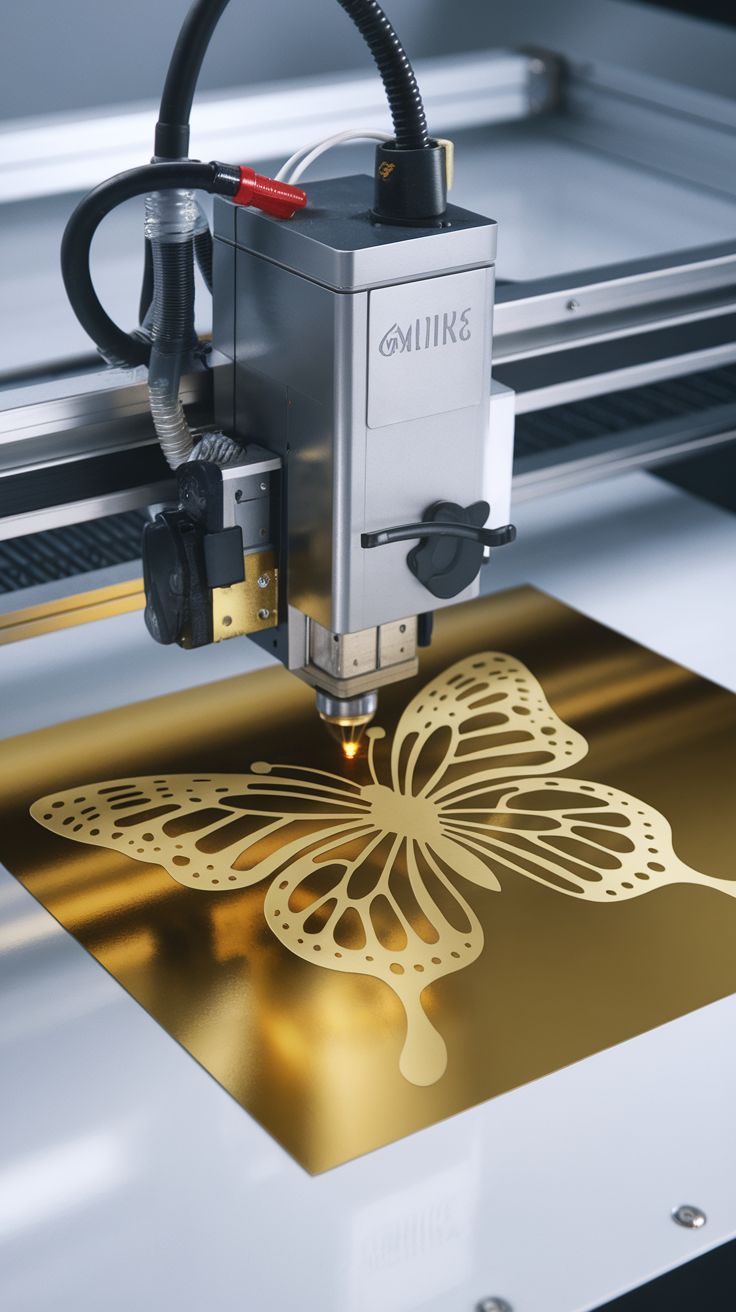
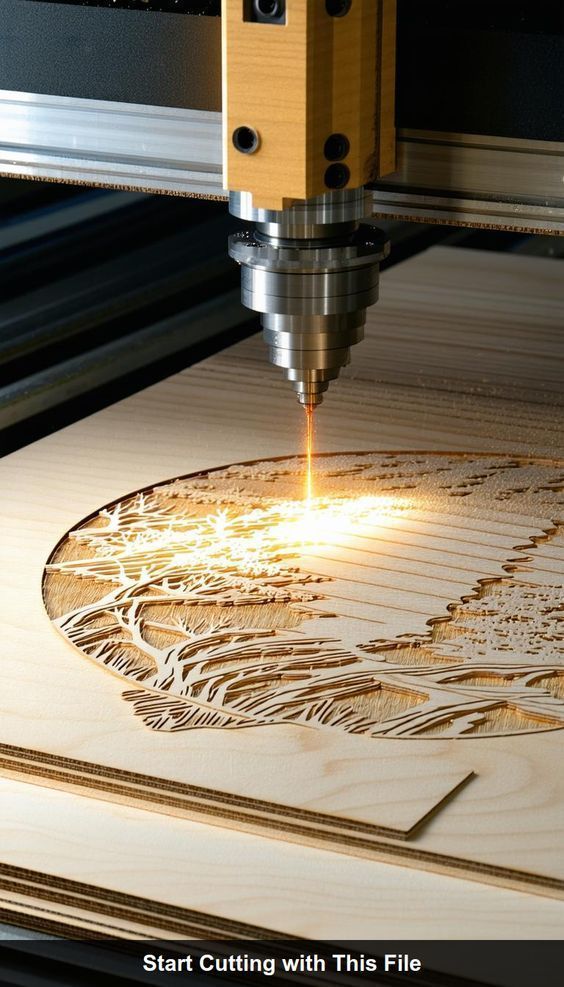
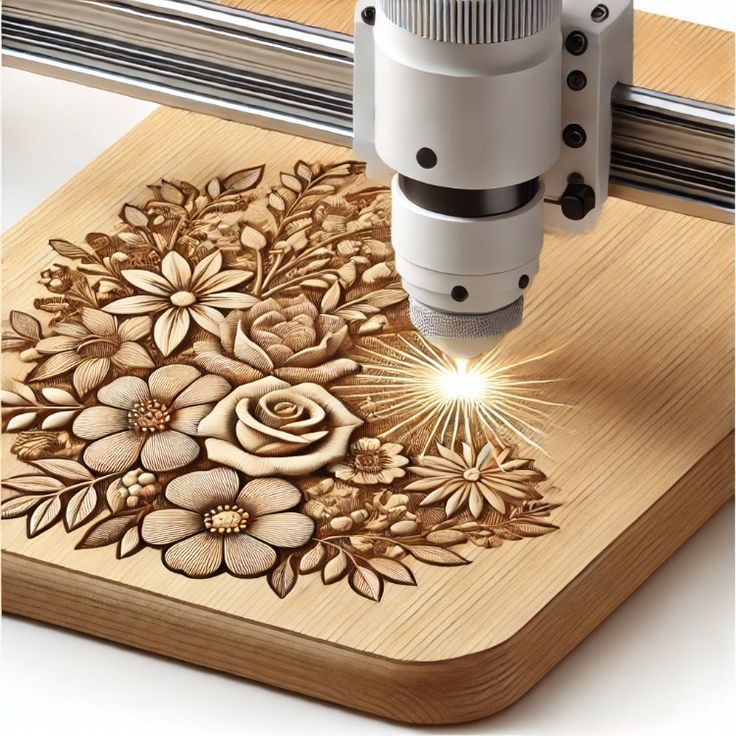
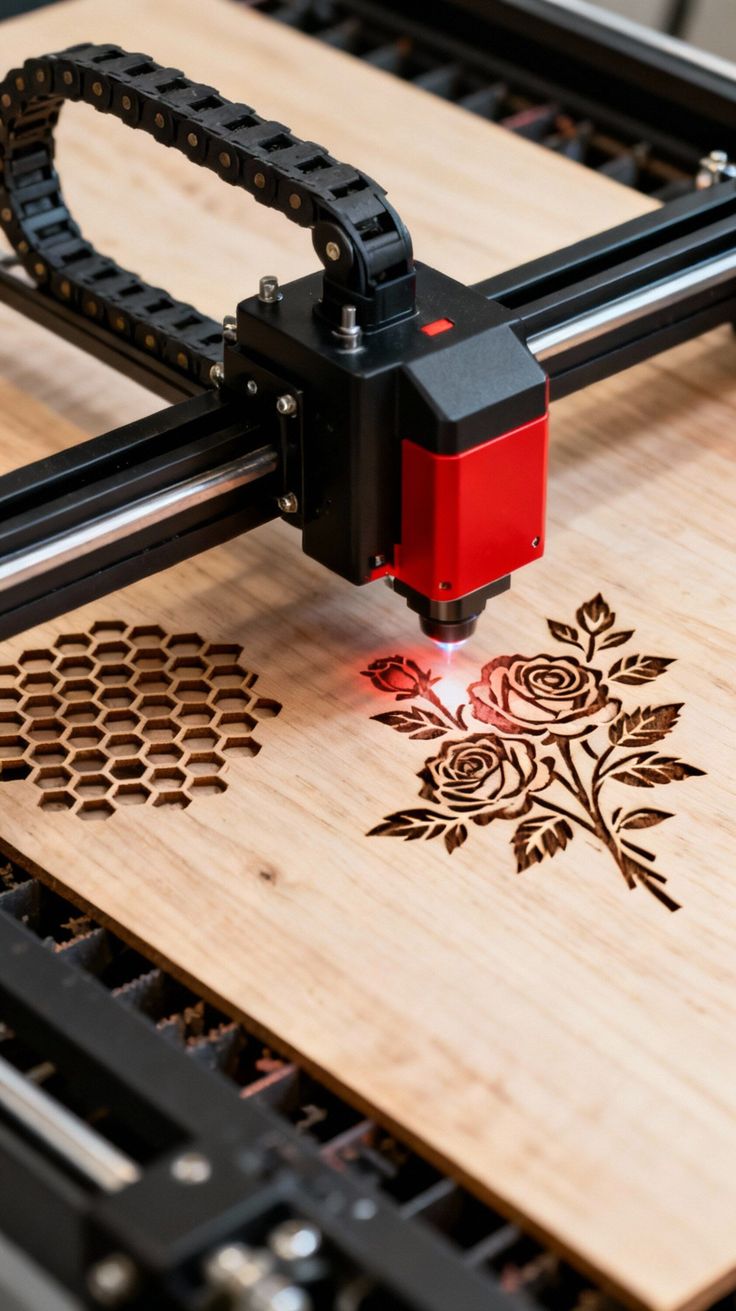
Laser cutting and CNC (Computer Numerical Control) routing represent two distinct approaches to digital fabrication, each utilizing different physical principles to shape materials. Laser cutting employs concentrated light energy to vaporize or melt material along cut paths, while CNC routing uses rotating cutting tools to mechanically remove material. Both technologies execute computer-controlled designs with precision impossible in manual processing, but their differences determine optimal applications for specific projects.
The contactless nature of laser cutting eliminates mechanical forces on workpieces, enabling processing of delicate, thin, or brittle materials that would distort or shatter under cutting tool pressure. CNC routing applies physical force requiring material rigidity and thickness to resist deflection during cutting. This fundamental difference shapes material compatibility, design constraints, and finish quality between the methods.
Tooling requirements differ dramatically. Laser cutting uses no physical cutting tools—only focused light—eliminating tool wear, replacement costs, and tool changeover time. CNC routing requires various end mills, drills, and specialized cutters selected for material and cut type, with tool wear affecting cut quality and requiring regular replacement. Laser cutting maintains consistent cut quality throughout operation, while CNC quality gradually degrades as tools dull.
Material Compatibility Comparison
Laser cutting excels with non-metallic materials including acrylic, wood, leather, fabric, paper, and certain plastics. The thermal process cuts these materials cleanly without mechanical stress, achieving intricate details impossible with physical tools. However, laser cutting faces limitations with PVC and vinyl-containing materials that release toxic chlorine gas, and struggles with thick polycarbonate that melts excessively. Material thickness limits depend on laser power, with standard CO2 systems handling up to 25mm acrylic or 18mm wood.
CNC routing accommodates thicker materials and harder substances including hardwoods, aluminum, brass, and plastics like HDPE and PVC that laser cutting cannot process safely. Routers cut through materials up to 100mm thick depending on tool length and machine capability, significantly exceeding laser cutting thickness limits. The mechanical process handles materials with inconsistent density, knots, or inclusions better than laser cutting, which reacts unpredictably to material variations.
Metal processing capabilities have traditionally favored CNC routing for thicker materials, though fiber laser systems now challenge this dominance for thin metals. CNC routers with appropriate tooling cut aluminum up to 12mm and mild steel up to 6mm, producing chips rather than melted edges. Fiber lasers cut thinner metals faster with superior edge quality, but high-power fiber systems required for thick metal cutting remain expensive and less common in Kenyan market compared to CNC capabilities.
| Material | Laser Cutting | CNC Routing | Recommended Method |
|---|---|---|---|
| Acrylic (3-12mm) | Excellent, polished edges | Good, frosted edges | Laser |
| Plywood (6-18mm) | Good, slight charring | Excellent, clean edges | CNC for thick, Laser for detail |
| Solid Wood | Limited by thickness | Excellent, any thickness | CNC |
| MDF | Excellent, smooth edges | Good, fuzzy edges | Laser |
| Aluminum (3mm) | Good with fiber laser | Excellent | CNC (unless fiber available) |
| Mild Steel (6mm+) | Limited availability | Good | CNC |
| Leather/Fabric | Excellent, sealed edges | Poor, fraying | Laser |
| PVC/Vinyl | Dangerous, toxic fumes | Excellent | CNC only |
| Foam/Board | Good, slight melting | Excellent | CNC for thick |
Precision and Edge Quality Analysis
Laser cutting achieves superior precision for thin materials, with typical accuracy of ±0.01mm and kerf widths of 0.1-0.3mm. The non-contact process eliminates tool deflection and vibration, maintaining precision across complex geometries and delicate features. Cut edges on acrylic achieve flame-polished clarity, while wood shows minimal kerf taper. This precision suits applications requiring tight tolerances, intricate details, or assembly without secondary fitting.
CNC routing precision depends on tooling, machine rigidity, and material characteristics, typically achieving ±0.05-0.1mm accuracy with end mills. Tool deflection in deep cuts or hard materials reduces precision compared to laser cutting. However, CNC produces three-dimensional features, beveled edges, and pocket cuts impossible with laser cutting's two-dimensional processing. Routed edges require evaluation—sharp tools produce clean cuts, but visible tool marks often necessitate sanding or finishing.
Edge quality considerations favor laser cutting for visible, unfinished edges in acrylic and thin wood. The thermal process seals wood edges, reducing splintering, and polishes acrylic to optical clarity. CNC-cut wood edges show tool marks and potential splintering, while plastic edges appear frosted rather than clear. For applications where edges remain visible without finishing, laser cutting provides superior aesthetics.
Speed and Production Efficiency
Cutting speed varies dramatically by material and thickness. Laser cutting processes thin materials (3-6mm acrylic or wood) at speeds of 10-50mm/second depending on complexity, with simple geometry cutting faster. CNC routing proceeds more slowly, typically 5-20mm/second for similar materials, due to physical cutting constraints. For thin materials with complex geometry, laser cutting often completes jobs 2-5x faster than CNC routing.
Thick material processing reverses this advantage. CNC routers maintain consistent speed regardless of material thickness (within tool limits), while laser cutting speed decreases proportionally with thickness. Cutting 18mm plywood might take 5x longer than 6mm on a laser, while CNC processing time increases only modestly. For thick materials, CNC routing often proves faster and more economical despite lower speeds on thin materials.
Setup and tool changeover time affects production efficiency. Laser cutting requires no tool changes—only parameter adjustments for different materials—enabling rapid switching between jobs. CNC routing requires tool changes for different cut types (roughing, finishing, drilling), adding 5-15 minutes per change. Production runs with diverse operations favor laser cutting's setup simplicity, while long runs with consistent tooling favor CNC efficiency.
Cost Structure Comparison
Equipment investment differs significantly, affecting service pricing. Entry-level CO2 laser systems cost KES 300,000-800,000, while industrial CNC routers range KES 500,000-2,000,000 depending on size and capability. Fiber lasers for metal cutting command KES 1,500,000+, exceeding most CNC router investments. These capital costs translate to service pricing, with laser cutting generally costing 20-40% more per minute of machine time than CNC routing.
Operating costs include consumables, maintenance, and utilities. Laser cutting consumes electricity, assist gases, and periodic lens/tube replacement, with CO2 laser tubes requiring replacement every 2-5 years at KES 100,000-300,000 cost. CNC routing consumes cutting tools (KES 500-5,000 each requiring regular replacement), electricity, and maintenance. For high-volume production, CNC routing often shows lower total operating costs despite higher initial investment.
Material yield and waste generation impact project economics. Laser cutting's narrow kerf (0.1-0.3mm) maximizes material utilization compared to CNC routing's wider tool paths (3-12mm typical). For expensive materials or complex nesting, laser cutting's material efficiency may offset higher per-minute costs. CNC routing generates chips and dust requiring cleanup and potentially representing significant material loss in thick cutting operations.
Design Capabilities and Limitations
Laser cutting excels at intricate two-dimensional designs with fine details, internal cutouts, and complex curves. The precision enables features as small as 0.5mm in thin materials, supporting detailed architectural models, jewelry, and delicate decorative elements. However, laser cutting cannot create three-dimensional relief, beveled edges, or partial-depth cuts (engraving excepted) limiting applications requiring dimensional variation.
CNC routing creates true three-dimensional forms through successive passes, enabling浮雕 (relief carving), contoured surfaces, and dimensional signage. Pocket cuts, rabbets, and dados for joinery require CNC capabilities. The technology handles thicker materials and creates structural features impossible with laser cutting. However, CNC struggles with very fine details in small parts due to tool size constraints—minimum feature sizes typically 1-2mm compared to laser cutting's 0.5mm capability.
Internal corner geometry differs between methods. Laser cutting achieves sharp internal corners limited only by beam width (0.1-0.3mm), while CNC routing creates rounded internal corners matching tool radius (typically 1-6mm). Designs requiring sharp internal corners in thick materials may need laser cutting or specialized CNC tooling. Conversely, CNC produces smooth external curves without the slight faceting that occurs in laser cutting from vector segment approximation.
Choosing the Right Technology for Your Project
Select laser cutting when projects involve thin materials (under 12mm), require intricate detail or fine features, need polished edges on acrylic, involve heat-resistant materials like fabric or leather, or demand high precision with tight tolerances. Laser cutting suits prototyping, signage, decorative elements, and small parts production where detail and edge quality outweigh thickness requirements.
Choose CNC routing for thick materials exceeding laser capabilities, projects requiring three-dimensional features or pocket cuts, processing PVC or other laser-incompatible materials, applications needing specific edge profiles or bevels, or high-volume production of simple parts where tool efficiency exceeds laser speed advantages. CNC routing dominates furniture production, dimensional signage, and structural component fabrication.
Hybrid approaches leverage both technologies for complex projects. Laser cutting handles detailed inlay work or intricate overlays applied to CNC-cut bases. Signage production combines CNC-routed dimensional letters with laser-cut acrylic faces. Architectural models use CNC for structural massing and laser cutting for fine detail elements. Understanding each technology's strengths enables strategic allocation of operations to optimal methods.
Luna Graphics offers both laser cutting and CNC routing services, providing unbiased recommendations based on project requirements rather than equipment limitations. Our technical team evaluates designs, materials, and specifications to recommend the most cost-effective, high-quality fabrication approach. Contact us to discuss your project and discover whether laser cutting, CNC routing, or combined methods best serve your precision fabrication needs.
Written by Ian Love
Marketing Director
Professional contributor at Luna Graphics specializing in printing and branding solutions.