
The Precision Imperative in Modern Business
Businesses across Kenya's manufacturing, retail, and creative sectors increasingly specify laser cutting for applications demanding precision, consistency, and professional finish. This technology addresses fundamental commercial requirements that traditional fabrication methods struggle to meet: brand consistency across multiple locations, rapid product development cycles, customization at scale, and professional presentation standards expected by discerning customers. Understanding these business drivers explains laser cutting's growing adoption beyond purely technical considerations.
Brand consistency represents a critical challenge for businesses operating multiple locations or distributing products nationally. Manual fabrication methods inevitably produce variation between pieces, while laser cutting executes identical designs with machine precision regardless of production timing or operator. A retail chain implementing signage across twenty locations receives perfectly matched branding elements, maintaining visual identity standards impossible with hand-crafted alternatives. This consistency protects brand equity and customer recognition.
Speed-to-market advantages drive adoption in product development and promotional campaigns. Traditional tooling requires weeks or months for die creation or mold fabrication, while laser cutting moves from design to physical product in hours or days. This acceleration enables rapid prototyping, iterative design refinement, and responsiveness to market opportunities. Businesses capture revenue sooner and adapt quickly to competitive pressures or changing consumer preferences.
Precision and Quality Standards
Tolerance capabilities distinguish laser cutting from conventional methods. Standard laser systems maintain ±0.01mm positioning accuracy with kerf widths of 0.1-0.3mm, enabling features and fits impossible with mechanical cutting. For assembly applications, this precision ensures parts mate correctly without manual fitting or adjustment. Electronics manufacturers utilize laser cutting for component parts requiring exact dimensions, while furniture makers achieve seamless joinery in flat-pack designs.
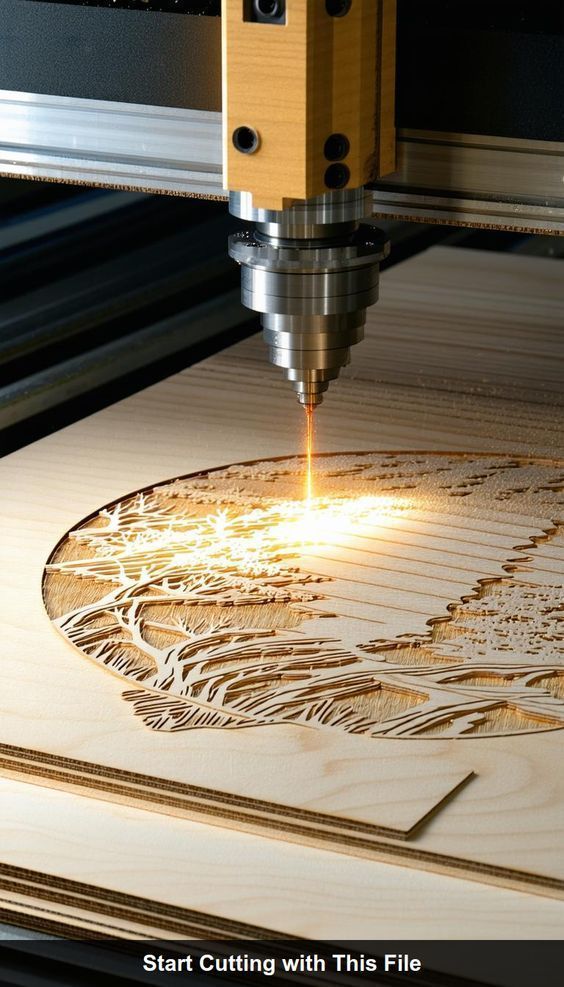
Edge quality reduces or eliminates secondary finishing requirements. Acrylic laser cutting produces flame-polished edges requiring no additional processing, while CNC-cut acrylic shows frosted edges demanding polishing. Wood laser cutting seals edges against splintering, reducing sanding requirements. These quality characteristics lower total production costs despite higher cutting rates, as eliminated finishing steps save labor and time.
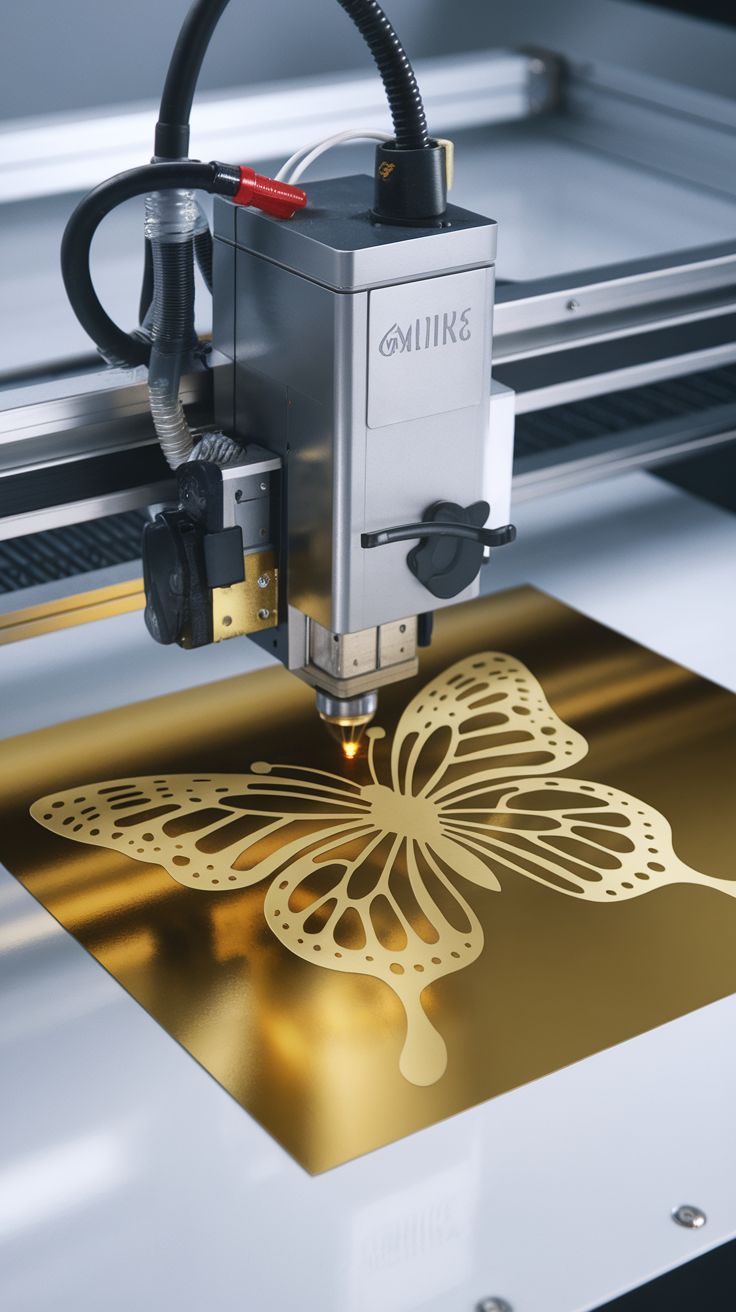
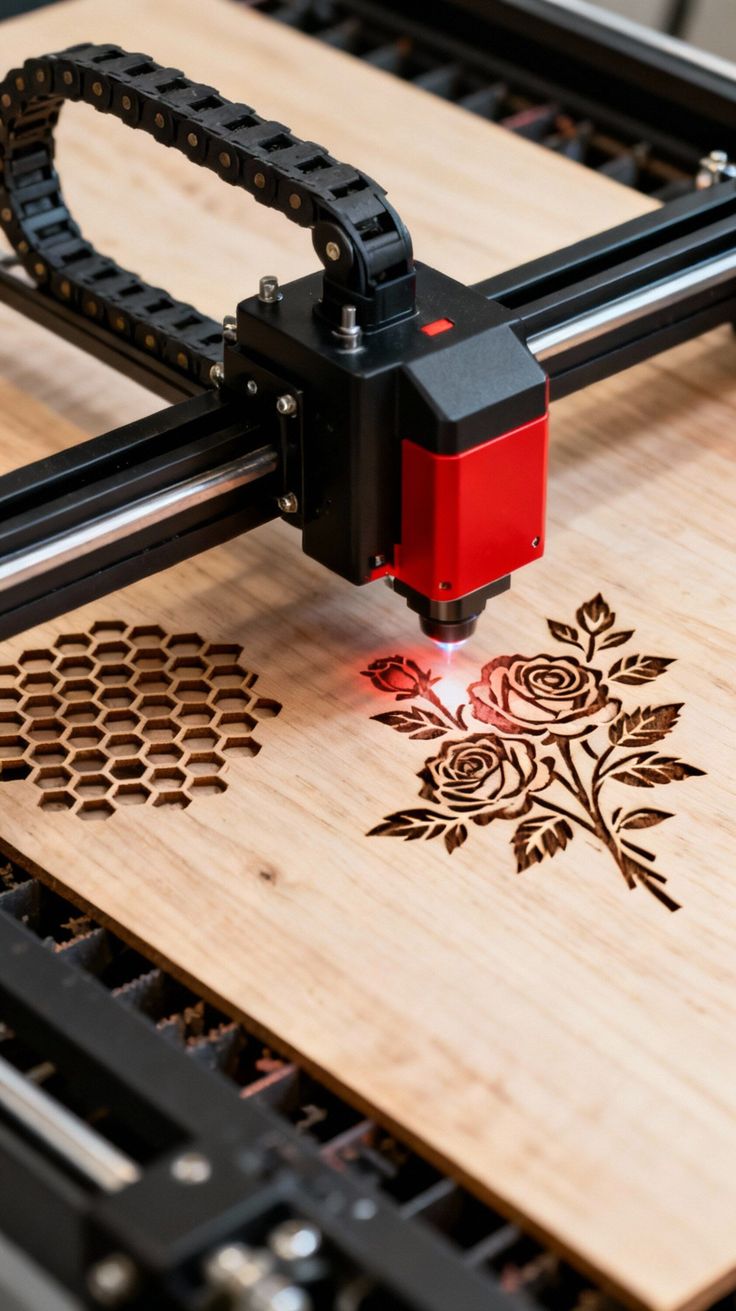
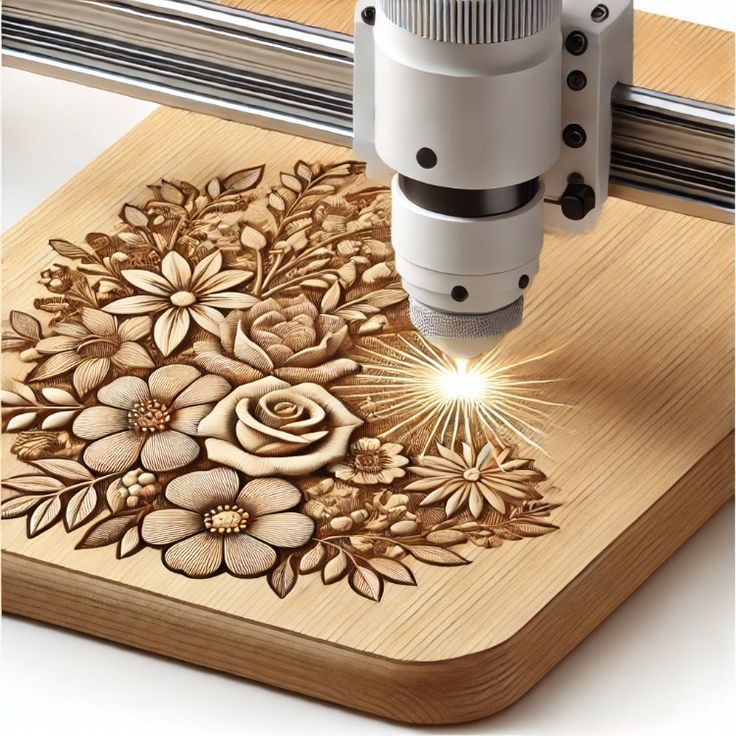
Detail resolution enables product differentiation through intricate design. Jewelry designers create filigree patterns impossible to cut manually; architects produce detailed scale models winning project bids; packaging designers implement intricate die-cut windows enhancing shelf appeal. This capability allows businesses to offer premium products commanding higher margins than commodity alternatives, justifying laser cutting costs through increased perceived value.
Operational Efficiency and Flexibility
No-tooling production eliminates upfront investment and lead time for custom designs. Traditional manufacturing requires die creation (KES 50,000-200,000) or mold fabrication (KES 200,000+) before production begins, with weeks of lead time. Laser cutting executes custom designs immediately, enabling economic production of single units or small batches. This flexibility supports mass customization trends, limited editions, and personalized products without tooling cost barriers.
Design iteration capabilities accelerate product development. Designers test multiple versions of products within days rather than months, refining based on physical evaluation rather than theoretical analysis. This iterative approach reduces market risk by validating designs before major tooling investment. Businesses optimize products for manufacturing, aesthetics, and function through rapid prototyping cycles impossible with traditional methods.
Material flexibility allows diverse product lines from single equipment investments. A laser cutting service handles acrylic signage, wooden promotional items, leather accessories, and fabric components without tooling changes. This versatility enables businesses to expand product offerings or pivot between market opportunities without capital equipment constraints. Job shops particularly benefit from capability to serve diverse industries without specialization limitations.
| Business Need | Laser Cutting Advantage | Business Impact |
|---|---|---|
| Brand Consistency | Identical reproduction across unlimited units | Protected brand equity, professional image |
| Rapid Prototyping | Hours from design to physical part | Faster product development, reduced time-to-market |
| Customization | No tooling cost for unique designs | Mass personalization, premium pricing capability |
| Complex Geometry | Intricate details impossible manually | Product differentiation, design freedom |
| Quality Finish | Minimal secondary processing required | Reduced labor costs, faster throughput |
| Low Volume Production | Economical single units to hundreds | Inventory flexibility, reduced risk |
| Material Variety | Multiple substrates, one process | Diverse product lines, supplier consolidation |
Industry-Specific Business Applications
Retail and branding agencies leverage laser cutting for premium point-of-sale materials, custom displays, and environmental graphics. The precision and finish quality communicate brand value to consumers, while rapid turnaround enables campaign responsiveness. Acrylic signage with polished edges, intricate wooden display elements, and detailed props create memorable retail experiences justifying premium positioning. Businesses report that laser-cut materials generate higher customer engagement than printed or conventional alternatives.
Architectural and interior design practices utilize laser cutting for detailed models, decorative screens, and custom fixtures. Presentation models with intricate detail win competitive bids by effectively communicating design intent. Custom interior elements—room dividers, light fixtures, wall treatments—differentiate projects and support premium pricing. The ability to realize complex geometries without custom tooling costs enables innovative design approaches previously economically unfeasible.
Product manufacturing benefits from laser cutting in prototyping, custom components, and short-run production. Electronics manufacturers fabricate enclosures, faceplates, and internal components; furniture makers produce decorative inlays and joinery details; consumer goods companies create packaging and promotional items. The precision ensures assembly fit and function, while speed supports just-in-time manufacturing and customization trends.
Event and wedding industries demand laser cutting for personalized items, decorative elements, and branding materials. Custom wedding invitations, table numbers, signage, and favors command premium pricing due to personalization and craftsmanship appearance. Corporate events utilize laser-cut branding elements, awards, and wayfinding to create cohesive, professional environments. The seasonal nature of these businesses benefits from laser cutting's flexibility—no idle tooling during off-seasons, capability to handle peak demand through service providers.
Cost-Benefit Analysis for Business Decision-Makers
Total cost of ownership calculations often favor laser cutting despite higher per-unit costs than high-volume methods. Eliminated tooling costs, reduced finishing labor, faster turnaround, and lower inventory requirements contribute to economic advantages. For annual volumes under 1,000-5,000 units depending on complexity, laser cutting typically costs less than tooled alternatives when all factors are considered. Businesses must evaluate total production economics rather than comparing cutting costs alone.
Risk mitigation benefits prove difficult to quantify but significant in practice. Design errors discovered after tooling creation require expensive rework or scrap; laser cutting allows design validation before major investment. Market changes or product updates necessitate new tooling for traditional methods, while laser cutting accommodates changes immediately. These flexibility advantages protect businesses against costly mistakes and obsolescence.
Quality consistency reduces warranty claims, returns, and reputation damage. Manual fabrication variation produces occasional defects reaching customers; laser cutting consistency ensures uniform quality. For businesses building reputation on reliability and premium positioning, this quality assurance justifies cost premiums over cheaper, variable alternatives.
Competitive Advantages in Kenyan Market
Differentiation through design capability separates market leaders from commodity competitors. Businesses offering laser-cut products or components provide capabilities competitors lack, creating switching costs and premium positioning. In Kenya's growing manufacturing sector, early adoption of precision fabrication technologies establishes capabilities difficult for late entrants to match cost-effectively.
Speed advantages enable responsiveness to customer needs and market opportunities. While competitors wait for tooling or manual production, laser-cutting businesses deliver solutions immediately. This responsiveness wins contracts, builds customer loyalty, and captures time-sensitive opportunities. In fast-moving markets, speed often outweighs absolute cost minimization.
Professional presentation standards increasingly influence procurement decisions. Corporate clients, international buyers, and quality-conscious consumers recognize and value precision manufacturing. Laser cutting signals professional capability and quality commitment, influencing purchasing decisions beyond price considerations. Businesses report that laser-cut samples and prototypes improve bid success rates significantly.
Sustainability positioning appeals to environmentally conscious clients and supports corporate responsibility initiatives. Laser cutting's material efficiency, reduced waste compared to tooling, and capability to use sustainable materials align with green business trends. While not primary drivers for most adopters, these characteristics provide additional justification and marketing differentiation.
Implementation Strategies for Businesses
Outsourcing to specialized providers offers access to capabilities without capital investment. Kenyan laser cutting services provide professional results with flexibility to scale usage based on demand. This approach suits businesses with intermittent needs, diverse requirements, or uncertainty about optimal technology selection. Established relationships with quality providers ensure priority scheduling and collaborative problem-solving.
In-house equipment investment becomes economical at sufficient volume or when intellectual property protection favors internal processing. Desktop laser systems at KES 300,000-600,000 serve small business needs, while industrial systems require KES 1,000,000+ investment. Businesses should evaluate volume, confidentiality requirements, turnaround needs, and technical capabilities before equipment purchase. Many successful operations combine in-house capacity for urgent or sensitive work with outsourcing for peak demand or specialized requirements.
Staff training and design capability development maximize technology value. Laser cutting quality depends heavily on file preparation and parameter optimization. Businesses investing in training achieve better results, fewer rejected parts, and more efficient production than those treating laser cutting as simple printing. Design for manufacturing education helps teams create optimized designs leveraging laser capabilities while avoiding problematic features.
Luna Graphics partners with Kenyan businesses to realize commercial advantages of precision laser cutting. Our technical consulting helps identify applications where laser cutting creates competitive advantage, while our production capabilities deliver quality results supporting your business objectives. Whether you need prototyping support, production services, or guidance on implementing laser cutting in your operations, contact our team to explore how precision fabrication advances your business goals.
Written by Ian Love
Marketing Director
Professional contributor at Luna Graphics specializing in printing and branding solutions.