
Understanding Laser Cutting Pricing Structures
Laser cutting pricing in Kenya follows several models depending on service provider positioning, project characteristics, and client relationships. Unlike standardized products with fixed pricing, laser cutting services customize quotes based on multiple variables including material type, thickness, design complexity, quantity, and turnaround requirements. Understanding these pricing structures enables accurate budgeting and effective cost management for both occasional users and businesses integrating laser cutting into regular operations.
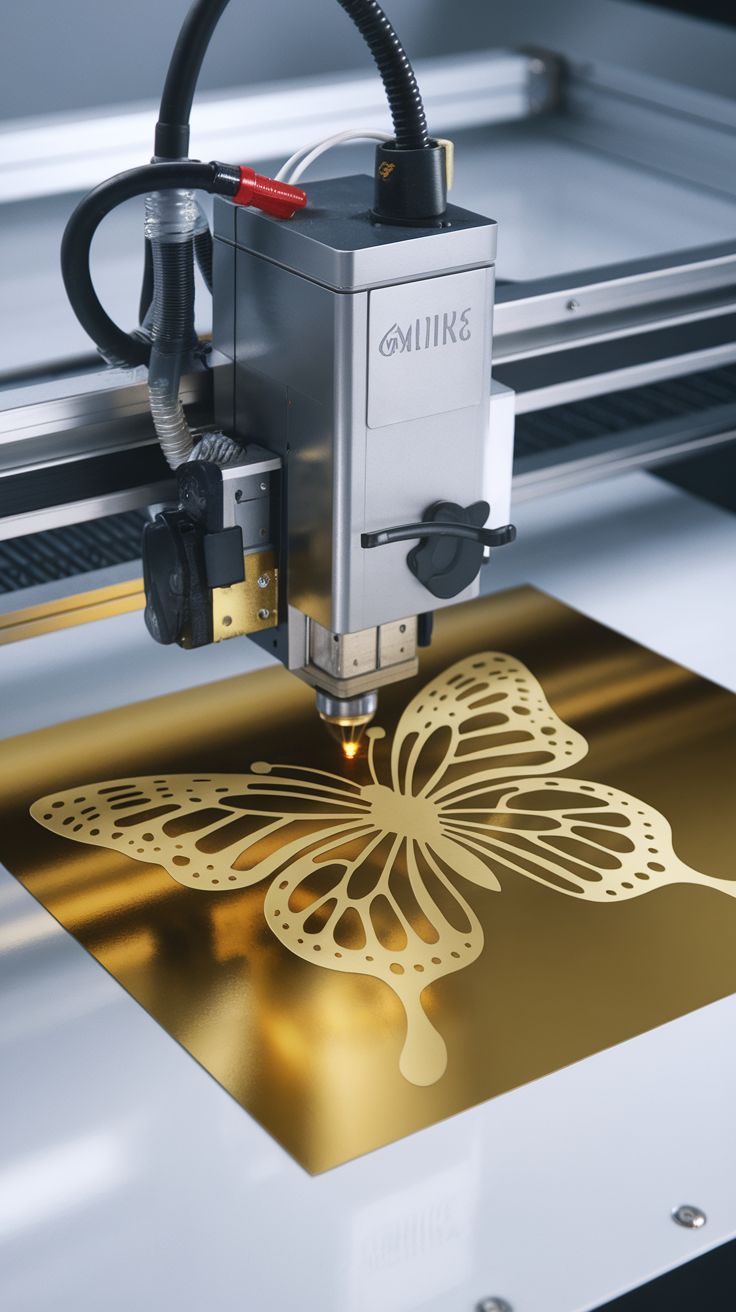
The most common pricing approach charges per minute of machine time, reflecting actual resource utilization. Nairobi market rates range from KES 8 to 25 per minute for CO2 laser services, with fiber laser metal cutting commanding KES 15-40 per minute due to higher equipment and operating costs. This model favors simple designs cutting quickly and penalizes complex files requiring extended processing. Providers typically establish minimum charges equivalent to 15-30 minutes to ensure viability of small jobs.
Per-piece pricing dominates standardized product categories like signage letters, wedding invitations, and promotional items. Providers calculate machine time, material costs, setup overhead, and margin to establish fixed unit prices. This approach enables predictable budgeting and suits production runs where consistency matters. Volume discounts typically apply at breakpoints of 10, 50, 100, and 500+ units, with per-unit costs potentially dropping 40-60% at high volumes due to amortized setup costs and operational efficiencies.
Material Cost Components
Material costs often equal or exceed cutting charges, particularly for premium substrates. Acrylic pricing varies by thickness, color, and brand, with cast acrylic commanding 30-50% premiums over extruded alternatives. Standard 3mm clear acrylic costs KES 1,200-1,800 per square meter, increasing to KES 2,500-4,000 for colored or specialty finishes. Thickness increases approximately proportionally—6mm costs roughly double 3mm prices. Mirror acrylic and specialty textures command significant premiums.
Wood and plywood costs depend on species, grade, and core construction. Standard 4×8 foot sheets of 6mm MDF range KES 800-1,200, while birch plywood suitable for laser cutting costs KES 1,500-2,500 depending on ply count and quality. Hardwood veneers over MDF cores offer premium appearance at KES 2,000-4,000 per sheet. Solid wood cutting requires kiln-dried material to prevent warping, with costs varying dramatically by species from KES 2,000 for pine to KES 15,000+ for hardwoods like mahogany per cubic meter.
Metal pricing for laser cutting includes raw material plus processing considerations. Cold-rolled mild steel costs KES 150-250 per kilogram depending on thickness, with stainless steel at KES 400-700 per kilogram. Aluminum commands KES 500-900 per kilogram, while brass and copper, requiring fiber laser processing, cost KES 1,200-2,000 per kilogram. Metal suppliers typically sell standard sheet sizes, with cutting services charging for full sheets or adding significant premiums for partial sheet processing.
| Material | Thickness | Cost Range (KES) | Cutting Speed Factor |
|---|---|---|---|
| Acrylic (Clear) | 3mm | 1,200-1,800/m² | Standard (1.0x) |
| Acrylic (Colored) | 3mm | 1,800-2,800/m² | Standard (1.0x) |
| MDF | 6mm | 800-1,200/sheet | Fast (1.2x) |
| Birch Plywood | 6mm | 1,500-2,500/sheet | Medium (0.9x) |
| Mild Steel | 3mm | 150-250/kg | Slow (0.6x) |
| Stainless Steel | 3mm | 400-700/kg | Slow (0.5x) |
| Leather (Genuine) | 1.5mm | 2,500-5,000/m² | Fast (1.5x) |
| Cardstock | 300gsm | 200-400/sheet | Very Fast (2.0x) |
Design Complexity and Time Factors
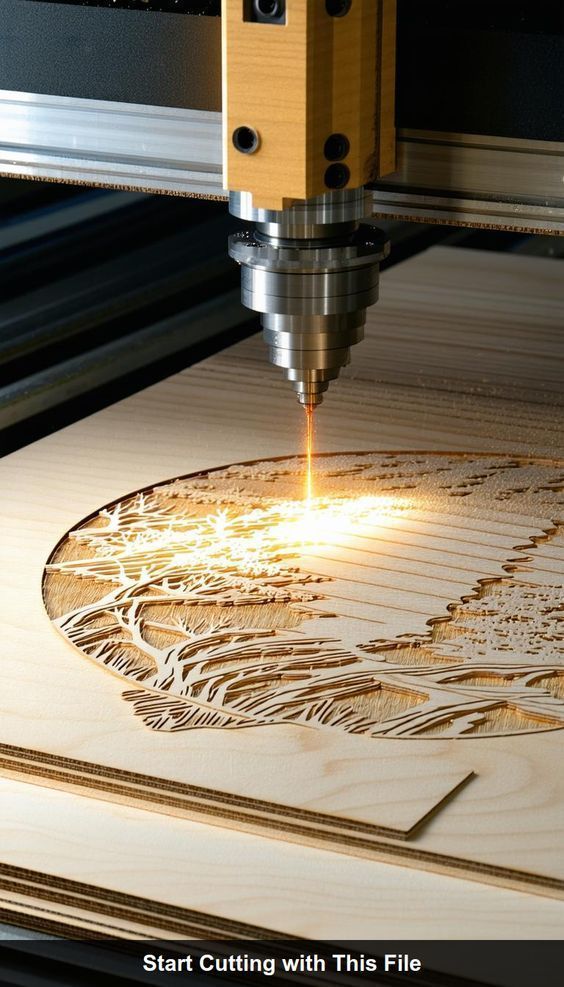
Cutting time—and therefore cost—scales with design complexity through multiple mechanisms. Total cut length directly determines processing time; a design with 10 meters of cutting lines takes twice as long as one with 5 meters at identical speeds. Intricate designs with many small elements require frequent acceleration and deceleration, reducing average cutting speed compared to long continuous paths. Corner complexity affects speed as machines slow for direction changes.
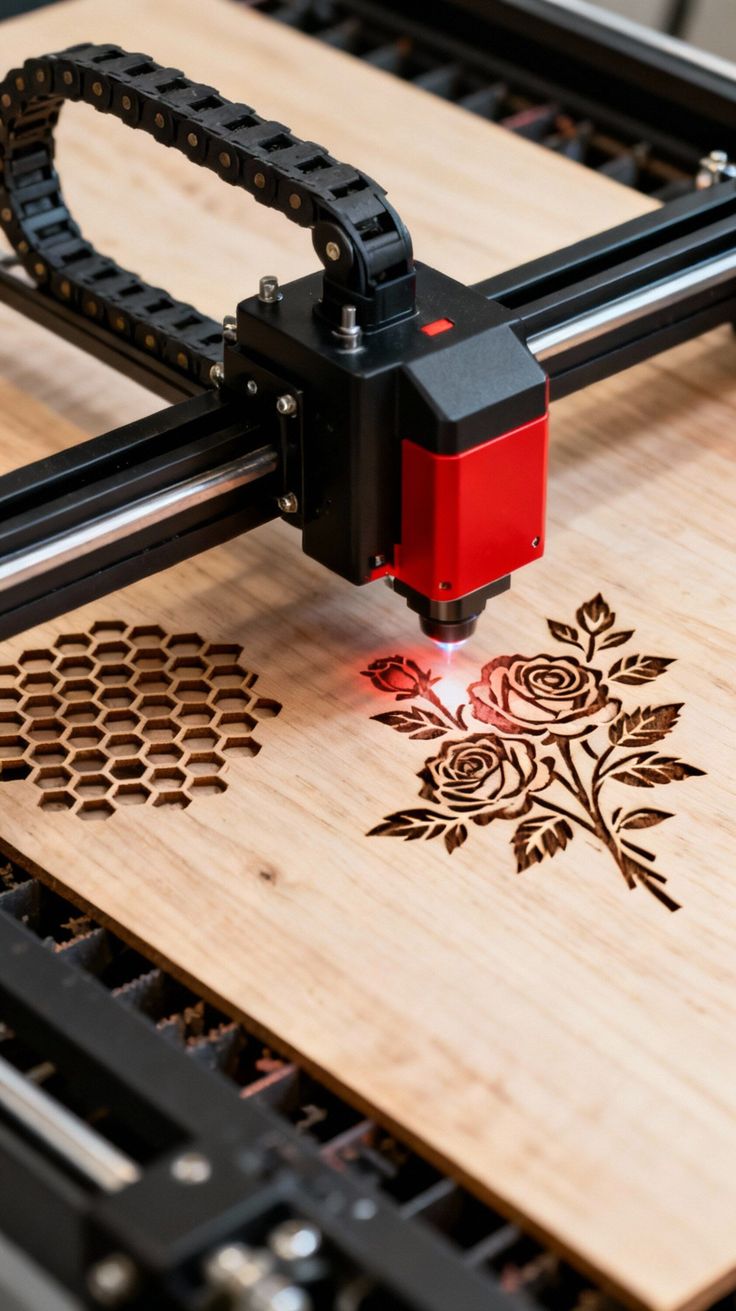
Engraving operations consume substantially more time than cutting. Raster engraving proceeds line-by-line across image areas, with time determined by engraving area size, resolution (dots per inch), and material processing speed. A 100×100mm photo engraved at 300 DPI might require 30-45 minutes, while vector cutting the same outline takes under 2 minutes. Engraving costs often dominate project pricing for marked items, necessitating careful consideration of engraving extent.
Material thickness dramatically affects cutting speed and cost. Doubling thickness typically requires 1.5-2x the cutting time due to reduced feed rates necessary for through-cutting. Thick materials may require multiple passes, increasing time proportionally. Very thick materials (over 12mm acrylic or 6mm metal) require high-power equipment and slow processing, commanding premium rates regardless of design simplicity.
Setup and handling time contributes fixed costs per job regardless of design complexity. Loading materials, focusing the laser, running test cuts, and unloading finished parts require 10-30 minutes per job. Providers incorporate this time into minimum charges or explicit setup fees ranging KES 500-2,000. Consolidating multiple designs into single jobs amortizes setup costs across more pieces, reducing per-unit pricing.
Quantity and Scale Economics
Prototype and one-off pricing reflects full setup cost allocation to single pieces. A complex part requiring 30 minutes cutting time might cost KES 750-1,500 including setup, material, and finishing. This prototype cost establishes design feasibility and quality standards but proves expensive for production budgeting. Small quantities (2-10 pieces) distribute setup costs across limited units, maintaining high per-piece pricing.
Medium volumes (10-100 pieces) achieve meaningful cost reductions through setup amortization and operational efficiencies. Per-piece costs might drop 30-50% from prototype levels as setup time spreads across more units and operators optimize material nesting. This range suits custom product runs, event-specific items, and limited retail collections where customization justifies moderate premiums over mass production.
High-volume production (500+ pieces) approaches minimum variable costs, with pricing dominated by material and machine time rather than setup. Per-piece costs may reach 40-60% below prototype pricing, competing with injection molding or die cutting for appropriate applications. However, laser cutting's sequential processing limits throughput compared to parallel methods; very high volumes may justify tooling investment in stamping or molding despite upfront costs.
Nesting efficiency significantly impacts material costs for quantity production. Optimal packing of parts onto material sheets minimizes waste, potentially saving 20-40% on material costs compared to poor layouts. Professional providers use nesting software to optimize material yield, but design characteristics constrain possibilities. Parts with irregular shapes waste more material than rectangular or nested organic forms. Material costs often justify design modifications improving nesting efficiency.
Additional Cost Factors
Finishing services add necessary costs beyond basic cutting. Edge polishing for acrylic removes cutting marks and restores transparency, adding KES 50-200 per piece depending on size. Protective film application prevents scratching during handling, costing KES 20-50 per piece. Assembly, adhesive backing application, and packaging add labor costs typically charged at KES 500-1,500 per hour. These services transform cut components into deliverable products but require budget allocation.
File preparation and design support incur costs when clients lack production-ready files. Converting raster images to vector format, fixing design errors, or creating files from sketches requires design time charged at KES 1,000-3,000 per hour. Complex designs or extensive revisions accumulate significant costs before cutting begins. Investing in proper file preparation capabilities or design training reduces ongoing project costs.
Rush charges apply to expedited turnaround requiring overtime, schedule disruption, or dedicated resources. Standard lead times of 3-7 days suit most projects, but same-day or next-day service typically commands 50-100% premiums. Wedding season (June-August, December) and pre-holiday periods create capacity constraints where even standard scheduling requires advance booking. Planning projects with buffer time avoids rush premiums and ensures availability.
Delivery and logistics costs accumulate for projects requiring transport. Local Nairobi delivery costs KES 500-2,000 depending on distance and urgency. Inter-city shipping to Mombasa, Kisumu, or Nakuru adds KES 2,000-5,000 and 1-3 days transit time. Fragile or large items require specialized packaging and handling, increasing costs. Clients can minimize logistics expenses by consolidating orders or arranging their own transport.
Cost Comparison with Alternative Methods
Manual cutting using saws, knives, or routers costs less in labor for simple shapes but proves expensive for complex designs. A skilled technician might spend hours cutting intricate patterns manually, while laser processing takes minutes. For designs with curves, internal cutouts, or precision requirements, laser cutting often costs less than manual methods while delivering superior consistency. Simple straight cuts in thick materials may favor traditional methods.
CNC routing offers comparison points for wood and acrylic processing. Router cutting costs typically run 20-40% below laser cutting for thick materials, but produces edge quality requiring additional finishing. Laser cutting achieves finer detail and cleaner edges but at higher cost and with thickness limitations. For 12mm+ wood or deep cutting requirements, CNC routing proves more economical despite secondary finishing needs.
Die cutting becomes cost-competitive at high volumes (1,000+ pieces) with simple two-dimensional shapes. Steel rule die creation costs KES 50,000-200,000 depending on complexity, but per-piece cutting costs drop to near-zero. For appropriate volumes and designs, die cutting costs 60-80% less than laser cutting but requires volume commitment and design stability. Laser cutting's flexibility suits variable designs and lower volumes.
Waterjet cutting handles thicker materials and metals that challenge laser systems, but costs 50-100% more due to slower cutting speeds and higher operating costs. For 10mm+ metals or heat-sensitive materials, waterjet's capabilities justify premium pricing. Below 6mm thickness, laser cutting generally offers superior economics and edge quality for appropriate materials.
Budgeting Strategies and Cost Optimization
Design optimization for laser cutting reduces costs without compromising functionality. Eliminating unnecessary detail, increasing feature sizes where precision isn't critical, and reducing engraving areas significantly impact processing time. Converting solid engraved areas to outlined designs or halftone patterns maintains visual impact while reducing processing time by 80% or more. Simplifying designs for laser cutting expertise pays dividends in project economics.
Material selection offers cost optimization opportunities. Standard material sizes (1220×2440mm sheets) cost less per unit area than custom sizes due to supplier efficiency. Selecting thicknesses matching standard offerings avoids premium charges for special orders. Substituting materials with similar appearance but better cutting characteristics—like using acrylic instead of glass or MDF instead of solid wood—reduces costs while maintaining design intent.
Batching orders consolidates setup costs and enables material optimization. Combining multiple designs into single material sheets maximizes yield and amortizes setup across diverse parts. Establishing regular production schedules with providers secures capacity and potentially negotiates volume discounts. Long-term relationships with providers often yield preferential pricing compared to transactional engagements.
Investing in laser cutting capabilities may prove economical for high-volume users. Desktop CO2 lasers suitable for small business use cost KES 300,000-600,000, with operating costs below KES 500 per hour. Businesses spending KES 50,000+ monthly on laser cutting services should evaluate equipment investment, considering that in-house capabilities eliminate markup, reduce turnaround times, and enable iterative prototyping without service charges.
Luna Graphics provides transparent laser cutting quotations with detailed cost breakdowns, enabling informed budgeting decisions. Our pricing reflects actual processing requirements without hidden charges, and our team advises on design modifications to optimize costs without compromising quality. Contact us for project-specific quotations and discover how professional laser cutting services fit your budget while delivering precision results.
Written by Ian Love
Marketing Director
Professional contributor at Luna Graphics specializing in printing and branding solutions.