
The Laser Cutting Ecosystem in Kenya
Kenya's laser cutting industry has matured significantly over the past decade, evolving from specialized industrial services to accessible fabrication solutions serving diverse sectors. Nairobi serves as the primary hub, with established providers concentrated in industrial areas like Industrial Area, Mombasa Road, and increasingly, technology parks in Karen and Westlands. Mombasa and Kisumu host secondary markets, while emerging providers in Nakuru and Eldoret indicate growing national demand for precision fabrication services.
The service landscape encompasses three distinct tiers: industrial-scale providers with high-power fiber lasers for metal fabrication, mid-range CO2 laser services handling acrylic, wood, and thin metals for signage and prototyping, and specialized boutique operations focusing on creative applications like jewelry, wedding items, and artistic installations. Understanding these tiers helps businesses identify appropriate partners matching project requirements and budget constraints.
Technology adoption varies significantly across providers. Leading operations maintain modern equipment with automated material handling, camera registration systems for printed materials, and rotary attachments for cylindrical objects. Conservative operators utilize older equipment with limited capabilities but competitive pricing for basic cutting tasks. This variation necessitates careful provider evaluation beyond simple price comparison, as capability differences substantially impact project outcomes.
Types of Laser Cutting Services Available
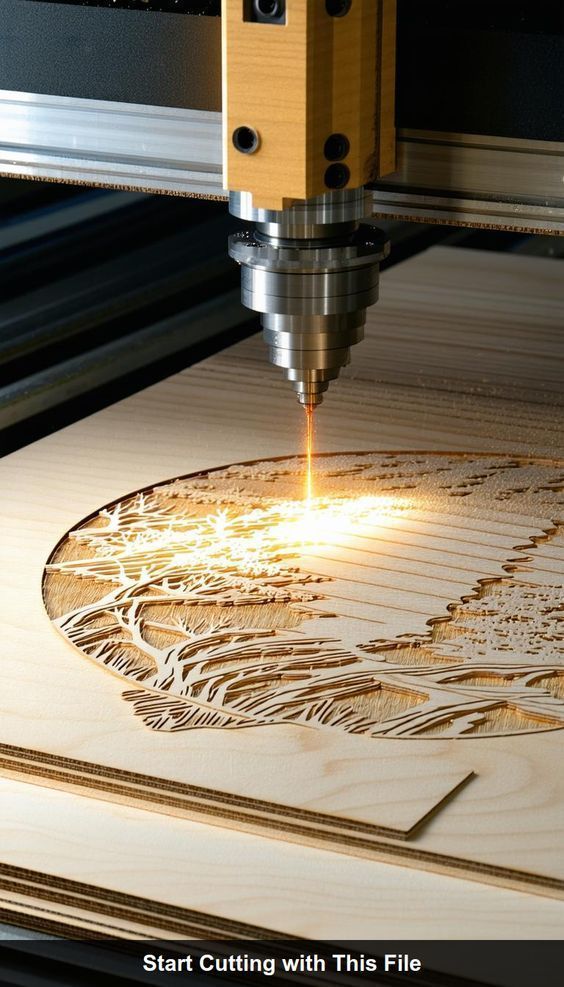
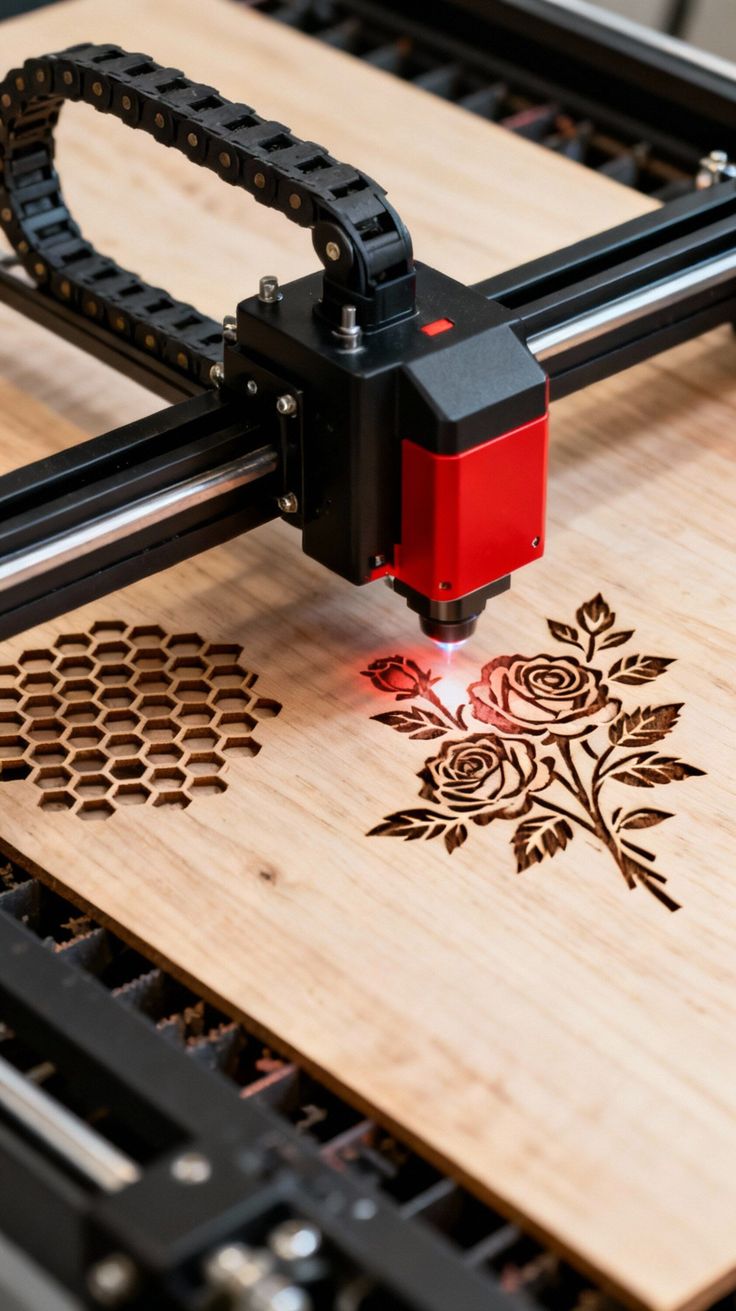
Flatbed cutting represents the foundational service, processing sheet materials up to standard bed sizes of 1300×900mm or 2000×3000mm for industrial systems. Providers offer vector cutting along paths, raster engraving for surface marking, and combined operations executing both in single setups. Standard flatbed services accommodate acrylic, wood, leather, fabric, paper, and thin metals, with material thickness capabilities varying by laser power.
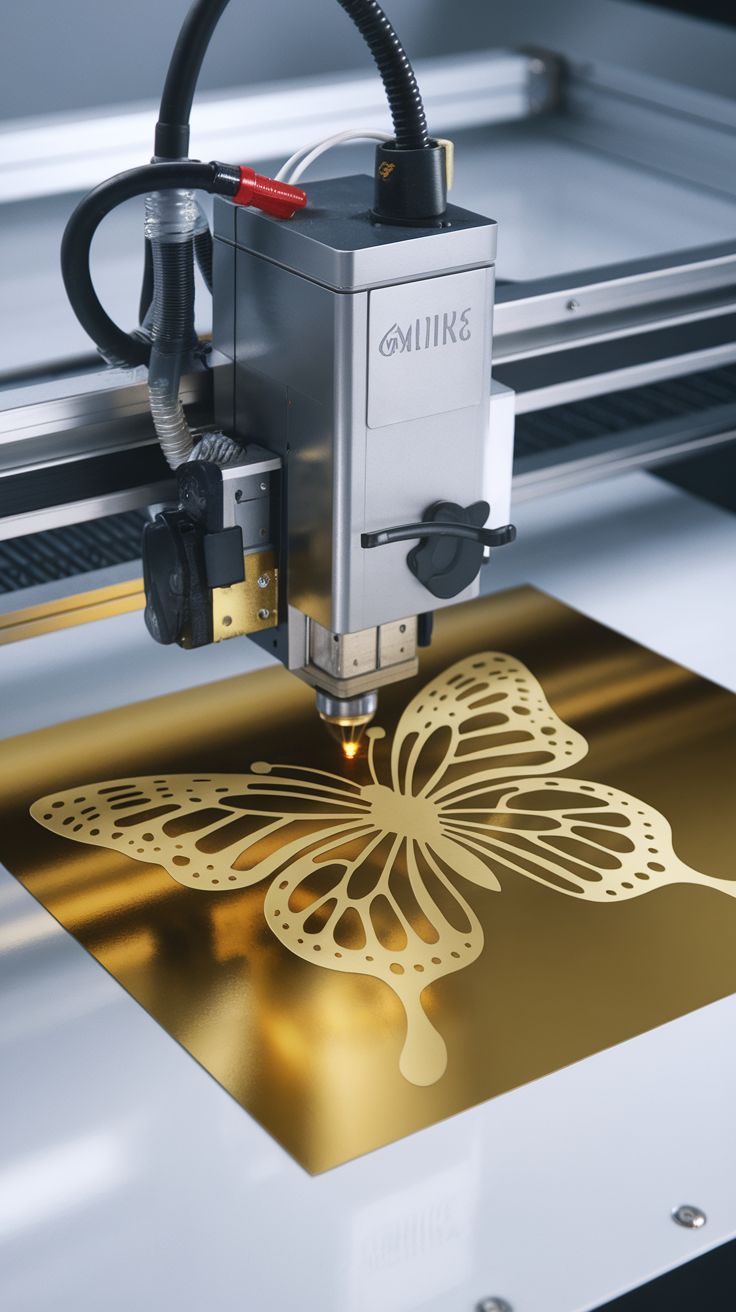
Metal cutting services require specialized fiber laser systems distinct from general-purpose CO2 operations. These providers handle mild steel, stainless steel, aluminum, brass, and copper in thicknesses from 0.5mm to 25mm depending on laser power. Metal services typically command premium pricing due to equipment costs and technical expertise requirements, but deliver precision impossible with mechanical cutting methods. Applications include industrial components, architectural metalwork, and custom fabrication.
Rotary engraving and cutting extends capabilities to cylindrical objects like bottles, glasses, pens, and industrial components. Specialized attachments rotate items while the laser operates, maintaining consistent focal distance around curved surfaces. This service proves essential for product customization, promotional items, and packaging applications requiring three-dimensional processing.
Large-format and specialized cutting addresses oversized projects exceeding standard bed dimensions. Some providers offer tiled cutting with precision registration for projects requiring multiple sections, while others maintain extra-large equipment for architectural panels, exhibition graphics, and furniture components. These specialized capabilities often determine project feasibility for interior designers, set builders, and architectural fabricators.
Key Service Providers in Nairobi
| Provider Type | Capabilities | Typical Clients | Price Range |
|---|---|---|---|
| Industrial Metal Shops | Fiber lasers, thick metals, production runs | Manufacturers, construction | Premium, volume discounts |
| Signage Specialists | CO2 lasers, acrylic, wood, retail displays | Branding agencies, retail | Mid-range, project-based |
| Prototyping Services | Multi-material, rapid turnaround, design support | Product developers, startups | Hourly or per-project |
| Creative Boutiques | Detailed work, mixed materials, artistic projects | Designers, events, individuals | Premium for detail |
| University/Makerspaces | Educational rates, limited materials | Students, hobbyists, early-stage | Lowest cost, limited hours |
Evaluating Service Quality and Capabilities
Equipment specifications directly determine service capabilities. Inquire about laser power (watts), bed size, and laser type (CO2 vs. fiber) to assess suitability for your materials and thicknesses. Higher power enables faster cutting and thicker material processing, while larger beds accommodate bigger projects or efficient nesting of multiple parts. Modern control systems offer superior precision and reliability compared to older equipment.
Material handling expertise separates professional operations from basic cutting services. Experienced providers understand how different substrates react to laser processing, recommending appropriate power settings, assist gases, and cutting speeds to achieve optimal results. They maintain material inventories or reliable supply chains, advise on material selection for specific applications, and handle delicate or expensive substrates without damage.
Design support capabilities add value beyond simple cutting execution. Quality providers offer file preparation assistance, converting designs to laser-ready formats, optimizing layouts for material efficiency, and suggesting design modifications to improve manufacturability. Some provide full design services for clients lacking technical drawing capabilities, translating concepts into production-ready files.
Quality control processes ensure consistent results. Professional operations inspect materials before cutting, verify file setup, monitor cutting processes, and examine finished pieces against specifications. They maintain calibration schedules, lens cleaning protocols, and maintenance logs that prevent quality drift. Request samples of previous work similar to your project to evaluate actual output quality rather than relying on equipment claims.
Pricing Models and Cost Structures
Time-based pricing charges per minute or hour of machine time, common for prototyping and custom work. Rates range from KES 500-2,000 per hour depending on equipment type and provider positioning. This model suits complex projects with variable cutting times or when design iterations require multiple setups. Clients bear risk of inefficient file preparation increasing costs, but benefit from transparency in pricing structure.
Per-piece pricing applies to standardized products like signage letters, wedding invitations, or promotional items. Providers calculate costs based on material, cutting time, and finishing requirements, offering fixed quotes for defined quantities. This model enables accurate budgeting and suits production runs where consistency matters more than absolute lowest cost. Volume discounts typically apply at quantity breakpoints.
Material-inclusive pricing bundles substrate costs with cutting services, common for acrylic, plywood, and standard materials. Providers markup material costs 20-50% above wholesale to cover inventory carrying costs and waste allowance. This convenience suits clients lacking material sourcing capabilities or requiring small quantities where wholesale purchasing proves impractical. Compare material-inclusive rates against supply-your-own-material options for significant projects.
Setup fees and minimum charges protect providers against unprofitable small jobs. Expect setup fees of KES 500-2,000 per job covering file processing, machine preparation, and material loading. Minimum charges, often equivalent to 30-60 minutes of machine time, ensure viability of small orders. Consolidate multiple projects or combine with other clients' work to amortize fixed costs when possible.
Project Planning and Workflow
Design preparation significantly impacts service outcomes and costs. Provide vector files in formats like AI, DXF, or SVG with clearly defined cut lines and engraving areas. Convert text to outlines to prevent font substitution issues. Include material specifications and thicknesses, and specify critical dimensions or tolerances. Well-prepared files reduce setup time, minimize errors, and enable accurate quoting.
Material procurement options include supply-by-client or provider-sourced materials. Supplying your own materials ensures specific brand colors, grades, or finishes, and may reduce costs for expensive substrates. However, providers may decline responsibility for cutting results on unfamiliar materials or charge higher rates due to unknown cutting characteristics. Provider-sourced materials offer consistency and accountability but limit selection to their inventory.
Lead times vary from same-day service for simple cuts to several weeks for complex projects or busy periods. Wedding season (June-August and December) and pre-holiday periods create demand surges affecting availability. Rush services typically command 50-100% premiums. Plan projects with buffer time, and establish relationships with providers for priority scheduling of ongoing work.
Finishing services extend basic cutting to deliverable products. Options include edge polishing for acrylic, protective film application, assembly, adhesive backing for signage, and packaging for shipping. These value-added services transform cut components into finished products, reducing handling requirements and ensuring professional presentation. Clarify finishing inclusions when comparing quotes, as post-processing significantly impacts final appearance.
Quality Assurance and Troubleshooting
Common quality issues include charring on wood cuts, melting on acrylic edges, incomplete penetration, and dimensional inaccuracy. Quality providers recognize these issues and adjust parameters to prevent them. Charring indicates excessive power or slow speed; melting suggests insufficient air assist or excessive power; incomplete cutting results from worn lenses, incorrect focus, or inadequate power for material thickness. Dimensional errors stem from machine calibration issues or thermal expansion during cutting.
Material-specific challenges require provider expertise. Acrylic demands precise power balance to achieve flame-polished edges without melting; wood varies by density and moisture content affecting cut quality; metals require appropriate assist gases and power levels to prevent dross formation. Experienced providers maintain parameter libraries for various materials, while inexperienced operations may waste material achieving acceptable results.
File preparation errors cause most cutting failures. Open paths, overlapping lines, and inappropriate line weights prevent proper execution. Double-cut lines waste time and create poor edge quality; missing segments result in incomplete cuts; scaling errors produce wrong-sized parts. Professional providers review files before cutting and communicate issues, but file preparation responsibility ultimately rests with clients unless design services are contracted.
Emerging Trends and Future Developments
Automation integration is advancing among leading Kenyan providers, with automated material loading, part removal, and sorting systems increasing throughput and reducing labor costs. These investments improve competitiveness for production work and indicate providers positioning for industrial-scale contracts. Clients benefit from faster turnaround and consistent quality on volume orders.
Expanded material capabilities include specialized substrates like laminated composites, advanced plastics, and coated metals. Providers investing in research and development offer cutting services for emerging materials used in electronics, medical devices, and aerospace applications. These specialized capabilities command premium pricing but enable local production of previously imported components.
Sustainability initiatives influence service offerings, with providers optimizing material yield to reduce waste, implementing recycling programs for offcuts, and offering eco-friendly material alternatives. Some operations utilize renewable energy to power equipment, appealing to environmentally conscious clients. These practices increasingly influence procurement decisions among corporate clients with sustainability mandates.
Luna Graphics provides comprehensive laser cutting services from our Nairobi facility, serving clients across Kenya with precision fabrication capabilities. Our investment in modern CO2 and fiber laser systems, combined with experienced technical staff, ensures quality results for projects ranging from prototypes to production runs. Contact our team to discuss your specific requirements and discover how professional laser cutting services can advance your manufacturing or creative projects.
Written by Ian Love
Marketing Director
Professional contributor at Luna Graphics specializing in printing and branding solutions.