
Understanding Laser Cutting Technology
Laser cutting stands as one of the most precise manufacturing technologies available today, utilizing concentrated light beams to cut, engrave, or mark materials with exceptional accuracy. In Kenya's growing manufacturing and creative sectors, laser cutting has become essential for businesses requiring intricate designs, rapid prototyping, and consistent production quality. The technology bridges the gap between traditional manual cutting methods and industrial-scale manufacturing, offering accessibility to small businesses while meeting industrial standards.
The fundamental principle involves generating a high-powered laser beam and focusing it through lenses onto a material surface. This concentrated energy heats, melts, or vaporizes the material along a predetermined path, creating clean cuts without physical contact. Unlike mechanical cutting methods that apply force and create tool wear, laser cutting achieves results through thermal energy alone, eliminating mechanical stress on workpieces and enabling processing of delicate or brittle materials impossible to cut conventionally.
The Physics Behind Laser Generation
CO2 lasers, most common in Kenyan fabrication workshops, generate light through gas mixtures containing carbon dioxide, nitrogen, hydrogen, and helium. Electrical discharge excites CO2 molecules, causing them to emit photons at a wavelength of 10.6 micrometers—infrared light invisible to human eyes but readily absorbed by organic materials and many metals. This wavelength penetrates deeply into materials, creating efficient cutting action through vaporization rather than mere surface heating.
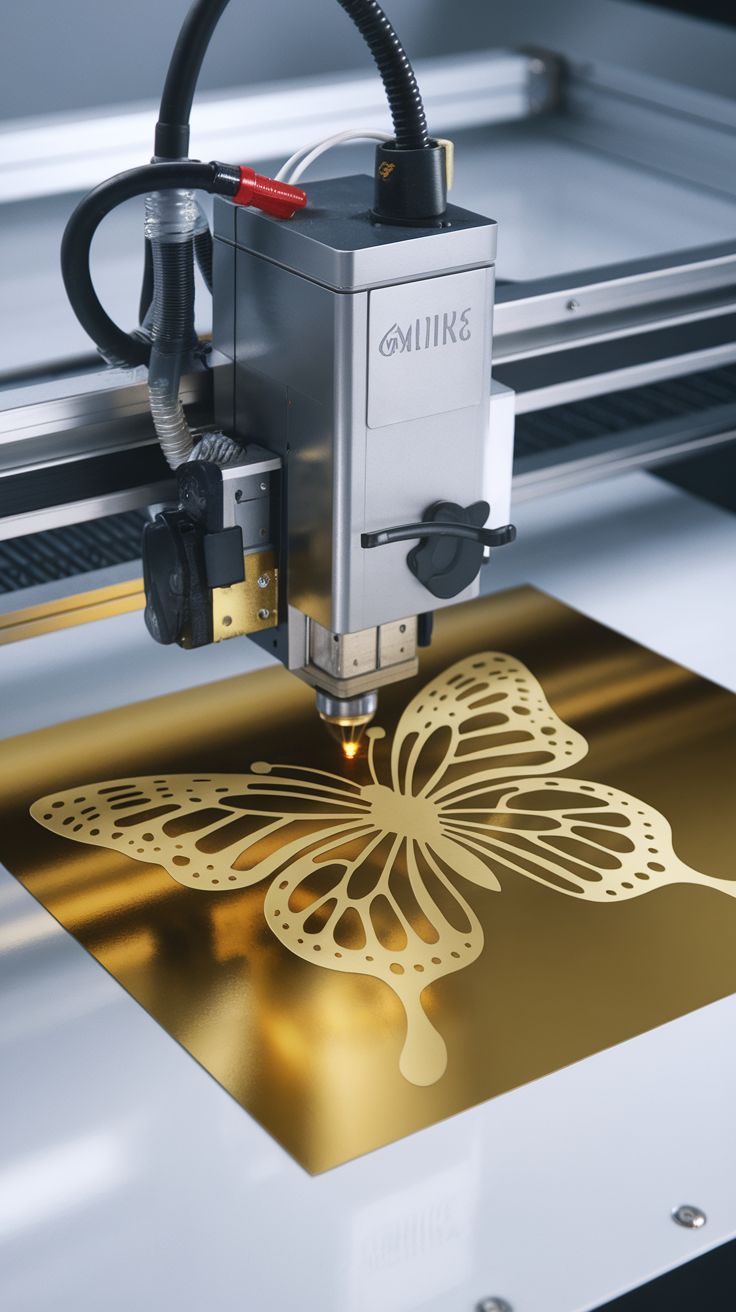
Fiber lasers represent newer technology gaining traction in Nairobi's precision manufacturing sector. These solid-state lasers use optical fibers doped with rare-earth elements like ytterbium to generate light at approximately 1.06 micrometers wavelength. The shorter wavelength absorbs more efficiently into metals, making fiber lasers superior for cutting reflective materials like aluminum, brass, and copper that challenge CO2 systems. Fiber lasers also offer higher electrical efficiency and lower maintenance requirements, though initial investment costs remain higher.
Beam delivery systems guide laser light from the resonator to the cutting head through mirrors (CO2) or fiber optic cables (fiber lasers). The cutting head contains focusing lenses that concentrate the beam to a spot size measured in hundredths of a millimeter. This extreme concentration creates power densities exceeding millions of watts per square centimeter, sufficient to instantaneously vaporize most materials.
The Laser Cutting Process Step-by-Step
Design preparation begins with vector files created in software like Adobe Illustrator, CorelDRAW, or AutoCAD. These digital blueprints define cutting paths, engraving areas, and power settings for different operations. Unlike raster images composed of pixels, vector graphics use mathematical paths that laser control software translates into precise machine movements. Proper file preparation determines cut quality, with considerations for line thickness, color coding for different operations, and material-specific parameters.
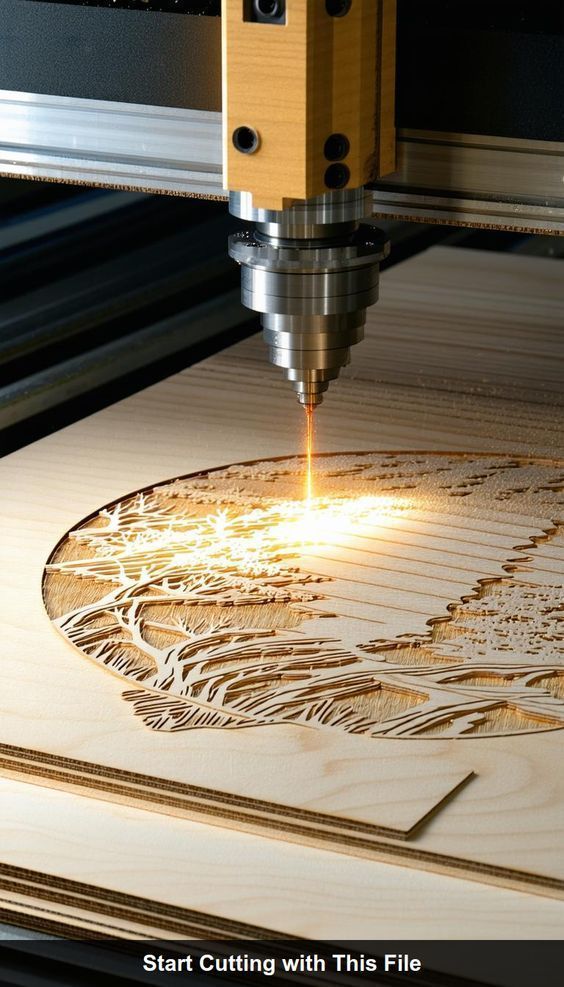
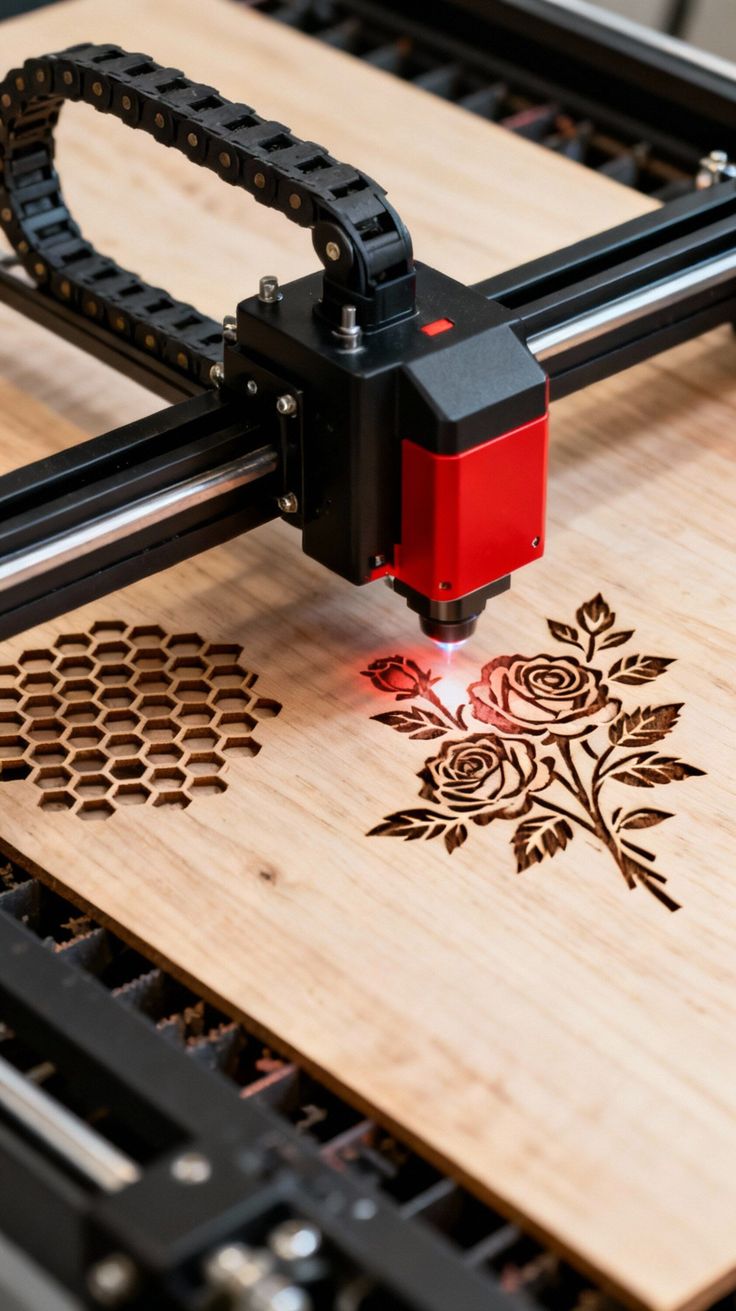
Material positioning on the laser bed requires careful alignment to ensure consistent focus across the workpiece. Most systems use honeycomb or blade tables that support material while allowing laser penetration without back-reflection damage. Auto-focusing systems measure material thickness and adjust lens height automatically, maintaining optimal focal distance critical for clean cuts. Manual focus adjustment requires precise measurement and experience to achieve professional results.
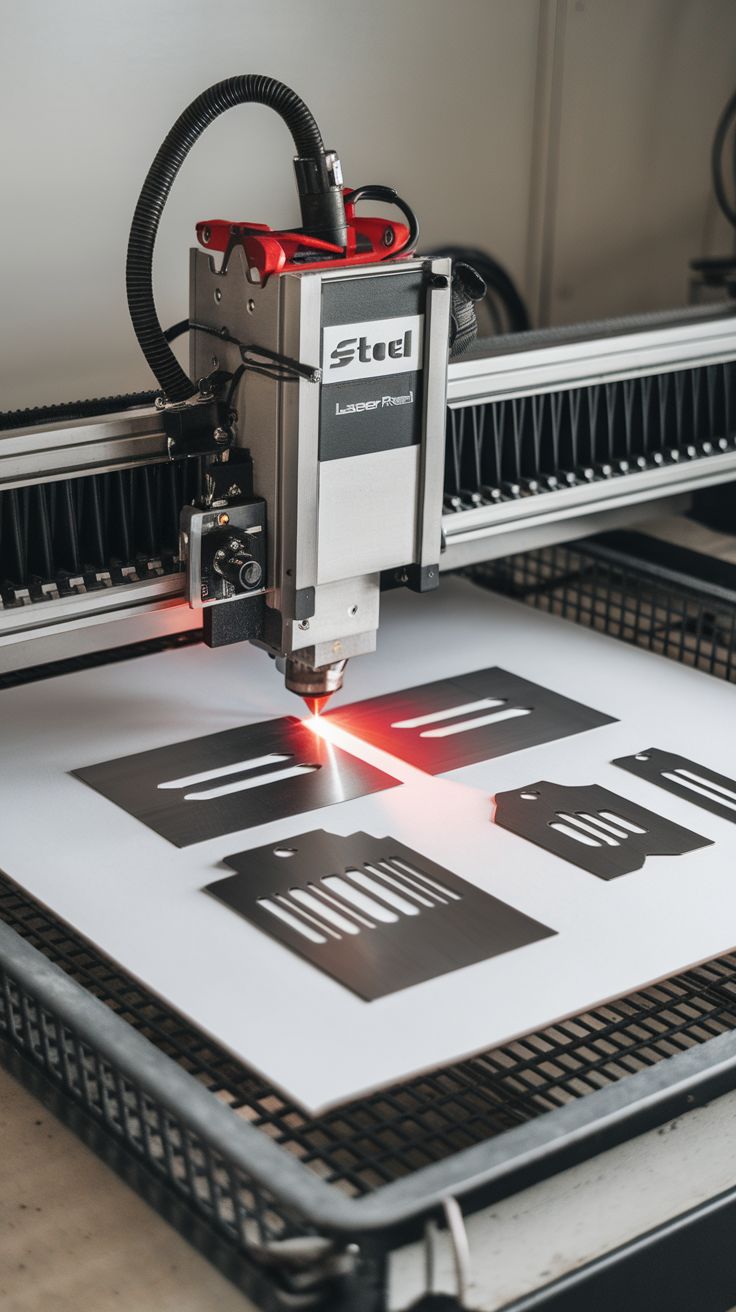
Assist gases play crucial roles in cutting quality and speed. Compressed air, the most economical option, works adequately for wood, acrylic, and thin metals while preventing flame formation. Oxygen injection accelerates cutting of mild steel through exothermic reaction, increasing speed but creating oxidized edges requiring post-processing. Nitrogen provides inert atmosphere for cutting stainless steel and aluminum, preventing discoloration and maintaining material integrity. Gas selection significantly impacts edge quality, operating costs, and secondary finishing requirements.
Motion control systems guide the cutting head along programmed paths at speeds ranging from millimeters to meters per second depending on material and thickness. Stepper motors or servo systems provide positioning accuracy within ±0.01mm, with acceleration profiles optimized to maintain cut quality through curves and corners. Advanced systems employ flying optics where the material remains stationary while the laser head moves, or hybrid systems combining material movement and head positioning for large-format cutting.
Types of Laser Cutting Methods
| Method | Process | Best For | Characteristics |
|---|---|---|---|
| Fusion Cutting | Material melted, blown away by gas jet | Stainless steel, aluminum | Clean edges, high pressure gas |
| Flame Cutting | Oxygen-assisted exothermic reaction | Mild steel | Fast, oxidized edges |
| Sublimation Cutting | Direct vaporization without melting | Wood, acrylic, textiles | No melt residue, precise |
| Remote Cutting | High-speed scanning without gas assist | Thin materials | Very fast, limited thickness |
| Thermal Stress Cracking | Controlled fracture via heating | Glass, ceramics | Brittle materials processing |
Capabilities and Technical Specifications
Cutting thickness varies dramatically by laser power and material type. Entry-level CO2 systems at 40-60 watts cut acrylic up to 6mm and wood to 10mm, suitable for signage and decorative applications. Industrial CO2 lasers at 150-400 watts process materials up to 25mm acrylic or 18mm plywood, handling substantial fabrication projects. Fiber lasers excel at thin metal cutting, with 1kW systems processing 6mm steel or 4mm aluminum at production speeds.
Positioning accuracy typically achieves ±0.01mm repeatability, with cutting kerf widths ranging from 0.1mm to 0.5mm depending on material and lens selection. This precision enables intricate designs impossible with conventional cutting methods, including interlocking parts requiring tight tolerances, detailed architectural models, and fine text engraving. The minimal kerf width also maximizes material utilization, reducing waste in expensive substrates.
Speed capabilities range from delicate engraving at 100mm/second to rapid cutting exceeding 1000mm/second for thin materials. Vector cutting speed depends on material thickness and density, with optimization requiring balance between speed and power to achieve through-cutting without excessive charring or melting. Raster engraving for images or filled areas proceeds line-by-line, with speed determined by resolution requirements and material reaction to laser exposure.
Applications Across Kenyan Industries
Signage and branding represent the most visible laser cutting applications in Nairobi. Acrylic letters, illuminated channel signs, and decorative displays leverage laser precision for professional appearance impossible with manual cutting. The ability to cut complex logos and custom typography without tooling costs enables small businesses to access premium branding previously available only to large corporations. Retail environments throughout Kenya utilize laser-cut point-of-sale materials, wayfinding systems, and promotional displays.
Architectural and interior design applications showcase laser cutting's aesthetic potential. Decorative screens, room dividers, and wall panels feature intricate patterns cut from wood, metal, or acrylic. Custom light fixtures, furniture components, and installation art demonstrate the technology's capability to transform two-dimensional materials into three-dimensional design elements. Architects specify laser cutting for detailed scale models, enabling accurate visualization of building projects before construction.
Manufacturing and prototyping benefit from laser cutting's rapid turnaround and flexibility. Product designers iterate through multiple prototype versions without tooling delays or costs. Industrial applications include gasket cutting, membrane switch fabrication, and component production for electronics and machinery. The absence of physical tooling allows economic production of single units or small batches, supporting just-in-time manufacturing and customization trends.
Creative and educational sectors embrace laser cutting for jewelry making, fashion accessories, and art production. Schools and makerspaces utilize the technology to teach design principles and digital fabrication. Wedding and event industries demand laser-cut invitations, decorations, and personalized favors, creating substantial seasonal demand. These diverse applications demonstrate laser cutting's versatility across economic sectors and project scales.
Advantages Over Conventional Methods
Precision and consistency distinguish laser cutting from manual or mechanical alternatives. Computer-controlled paths execute identically across unlimited copies, ensuring brand consistency for commercial applications. Complex curves and sharp internal corners present no difficulty, while mechanical cutting struggles with tight radii and intricate details. This precision reduces assembly time for fabricated products and eliminates fitting issues common with less accurate methods.
Speed and efficiency transform production economics. Designs move from digital file to physical product in minutes rather than days required for tooling and setup. No physical cutting tools mean no sharpening, replacement, or storage costs. Nesting software optimizes material layout, maximizing yield from expensive substrates. For short runs and custom work, laser cutting often costs less than traditional methods while delivering superior quality.
Material versatility enables single-machine processing of diverse substrates. A laser system cuts acrylic, wood, leather, fabric, paper, and many metals without hardware changes—only parameter adjustments. This flexibility suits job-shop environments handling varied projects or businesses developing products across multiple material categories. Clean cuts in delicate materials like silk or paper demonstrate capabilities impossible with mechanical cutting methods.
Non-contact processing preserves material integrity. No mechanical force means no distortion of thin or flexible materials, no crushing of delicate structures, and no tool contamination. Cut edges remain clean without burrs requiring secondary finishing, though some materials benefit from edge polishing or cleaning. The absence of cutting tool friction eliminates heat-affected zones extending far from cut lines, maintaining material properties in surrounding areas.
Limitations and Considerations
Material restrictions limit laser cutting applicability. PVC and vinyl-containing materials release toxic chlorine gas when laser processed, creating health hazards and equipment corrosion. Highly reflective metals like copper and brass reflect CO2 laser wavelengths, requiring specialized fiber laser systems. Some materials cut poorly due to thermal properties—thick polycarbonate produces messy, discolored edges, and certain composites contain resins that char excessively.
Initial investment costs challenge small businesses entering laser cutting. Quality CO2 systems suitable for commercial use range from KES 300,000 to over 2,000,000 depending on power and bed size. Fiber lasers for metal cutting command premium prices starting around KES 1,500,000. Operating costs include electricity, assist gases, lens maintenance, and periodic tube replacement for CO2 systems. These expenses require careful business planning and volume justification.
Safety requirements demand proper ventilation, eye protection, and fire prevention measures. Laser cutting generates fumes, particulates, and potential fire hazards requiring extraction systems and monitoring. High-power lasers present serious eye and skin injury risks necessitating interlocked enclosures and safety training. Regulatory compliance with Kenyan occupational safety standards adds operational complexity but protects workers and businesses.
Luna Graphics operates advanced laser cutting systems serving Kenya's diverse manufacturing and creative needs. Our technical team provides material consultation, design optimization, and production services ensuring optimal results for every project. Whether you need prototype development, production runs, or custom fabrication, contact us to discuss how laser cutting technology can realize your design concepts with precision and efficiency.
Written by Ian Love
Marketing Director
Professional contributor at Luna Graphics specializing in printing and branding solutions.