
Beyond Logo: The Strategic Scope of Corporate Branding
Corporate branding encompasses far more than visual identity elements—logos, colors, typography—that commonly define brand in popular understanding. At its strategic core, corporate branding constitutes the systematic management of organizational identity, reputation, and relationships to create distinctive market position and sustainable competitive advantage. For Kenyan businesses operating in increasingly competitive local and regional markets, professional corporate branding separates thriving enterprises from commodity competitors.
The corporate brand represents the organization's promise to stakeholders—customers, employees, investors, communities—encapsulating what the organization stands for and delivers. Unlike product branding that focuses on individual offerings, corporate branding encompasses the entire organization's character, values, and behaviors. This holistic scope makes corporate branding both more complex and more powerful than isolated marketing communications.
The Business Case for Corporate Branding Investment
Corporate branding creates measurable business value through multiple mechanisms. Strong brands command price premiums—customers pay more for brands they trust and prefer. This pricing power directly improves margins and profitability beyond commodity competitors competing solely on price.
Brand equity reduces customer acquisition costs. Strong corporate brands generate awareness and preference that lower marketing expenditure required to generate sales. Referral rates increase as satisfied customers become brand advocates. Lifetime customer value expands through loyalty and reduced price sensitivity.
Talent attraction and retention improves with strong corporate brands. Quality employees prefer working for respected organizations; recruitment costs decrease as candidate pools expand; employee engagement increases through pride in organizational reputation. These human capital advantages compound over time.
Investor confidence and valuation multiples improve for strongly branded companies. Stock markets value predictable earnings streams that strong brands help ensure; access to capital improves; merger and acquisition valuations increase. Corporate branding thus creates shareholder value beyond operational performance.
Corporate Brand Architecture
Branded house architecture utilizes single corporate brand across all products and services. Examples include Virgin and FedEx—every offering carries the master brand. This approach concentrates brand investment, simplifies management, and leverages corporate reputation. Suitable for organizations with coherent offerings and strong corporate reputation.
House of brands architecture maintains separate product brands with minimal corporate visibility. Procter & Gamble exemplifies this—consumers know Tide and Pampers, not P&G corporate brand. This approach isolates brand risks, targets specific segments, and accommodates acquired brands. Requires separate investment for each brand.
Hybrid architectures combine elements—corporate endorsement of product brands (Kenyatta Hospital branding individual clinics) or product brands with corporate visibility (Microsoft Office carrying Microsoft name). Most Kenyan enterprises benefit from hybrid approaches balancing corporate and product branding.
Architecture decisions should reflect: market diversity (different segments need different brands); risk tolerance (scandals affecting one brand vs. entire organization); acquisition strategy (integrating acquired brands); and resource availability (branding multiple entities requires investment).
Brand Identity Systems
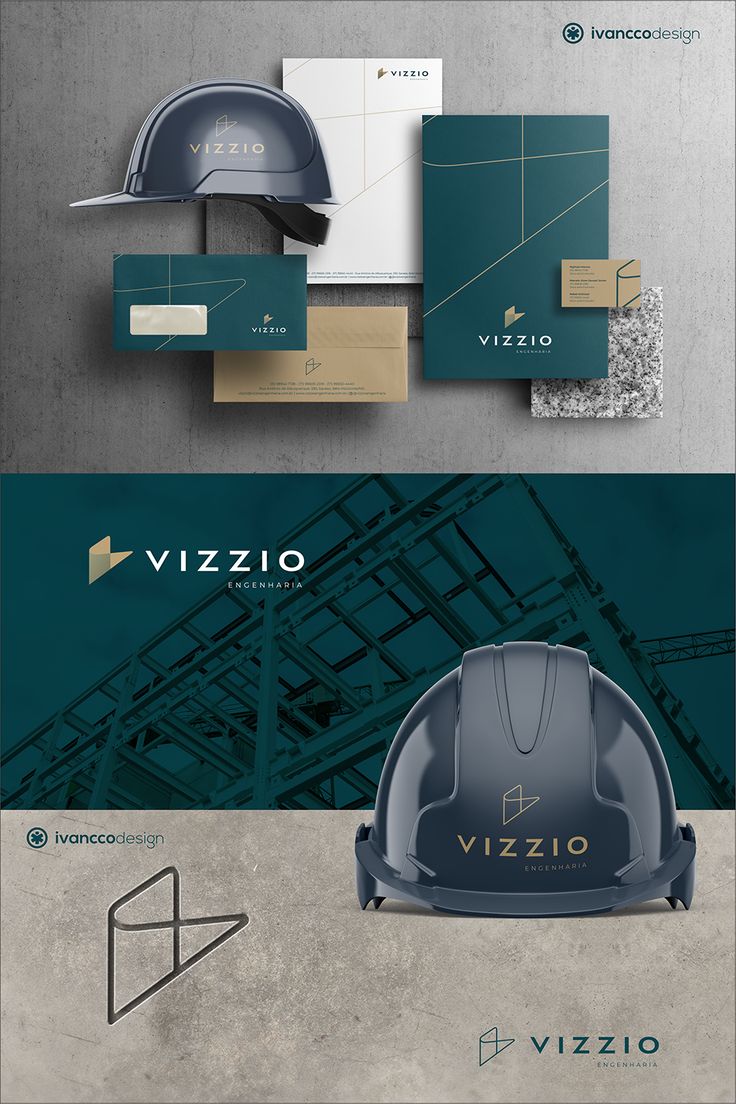
Visual identity provides tangible brand expression through logos, color palettes, typography, imagery styles, and design systems. These elements create immediate recognition and communicate brand personality. Consistent visual application across all touchpoints builds familiarity and professionalism.
Verbal identity encompasses naming conventions, tone of voice, messaging frameworks, and communication standards. How the organization speaks—formal or casual, technical or accessible, authoritative or collaborative—shapes stakeholder perceptions as powerfully as visual elements.
Behavioral identity manifests in organizational actions—customer service standards, employee conduct, social responsibility initiatives, and operational practices. Stakeholders judge brands by what organizations do, not just what they say. Behavioral consistency with brand promises builds credibility; contradictions destroy trust.
Sensory identity extends to non-visual elements—sound (sonic logos, hold music), scent (retail environments), touch (materials), and even taste (corporate dining). These dimensions create holistic brand experiences that differentiate beyond visual competition.
Brand Strategy Development Process
Situation analysis examines current brand perception, competitive positioning, market trends, and organizational capabilities. Research methods include stakeholder interviews, surveys, focus groups, social media analysis, and competitive benchmarking. Objective understanding of current state grounds strategy in reality.
Brand positioning defines the unique, valuable, and credible space the brand occupies in stakeholder minds. Effective positioning differentiates from competitors, resonates with target audiences, and aligns with organizational capabilities. Positioning statements articulate target audience, frame of reference, point of difference, and reason to believe.
Brand values and personality humanize the organization, guiding behavior and expression. Values define what the organization stands for; personality traits (innovative, reliable, approachable) guide communication tone. These elements should be authentic to organizational culture, not aspirational fantasies.
Brand architecture and nomenclature organize brand elements into coherent systems. Naming conventions for products, services, and initiatives; visual hierarchy guidelines; and relationship rules between corporate and product brands create order from potential chaos.
Implementation and Governance
Brand guidelines document standards for consistent application across all touchpoints. Comprehensive guidelines cover visual identity (logo usage, color specifications, typography, layouts), verbal identity (tone, terminology, messaging), and behavioral standards (service protocols, conduct expectations).
Brand management systems ensure guideline adherence through templates, approval workflows, and asset management. Digital asset management (DAM) systems organize brand materials; brand centers provide self-service access; approval processes maintain quality control.
Internal brand engagement aligns employees with brand promises. Training programs, internal communications, and cultural initiatives ensure staff understand and embody brand values. Employees must deliver brand promises for external communications to prove credible.
Brand measurement tracks awareness, perception, preference, and behavioral metrics over time. Regular monitoring identifies trends, evaluates initiative effectiveness, and demonstrates ROI. Metrics should connect to business outcomes—sales, retention, referrals—not just communication measures.
Kenyan Market Considerations
Cultural context shapes effective branding in Kenya. Brand communications must respect diverse cultural values across Kenyan communities while building national and international relevance. Localization without fragmentation challenges organizations operating across Kenya's diverse markets.
Digital transformation accelerates brand building through social media and mobile connectivity. Kenyan brands can achieve awareness and engagement cost-effectively through digital channels, though maintaining consistency across proliferating touchpoints requires discipline.
Sustainability and social responsibility increasingly influence brand perception. Kenyan consumers and international partners evaluate corporate citizenship alongside product quality. Authentic commitment to community and environment strengthens brand equity; superficial claims damage credibility.
Regional expansion requires brand adaptation for East African and continental markets. Corporate brands successful in Kenya may need modification for Ugandan, Tanzanian, or broader African contexts while maintaining core identity.
Luna Graphics partners with Kenyan businesses to develop and implement corporate branding strategies that drive business results. From brand strategy through visual identity and implementation support, we provide comprehensive branding services. Contact our strategy team to discuss your corporate branding requirements.
Written by Ian Love
Marketing Director
Professional contributor at Luna Graphics specializing in printing and branding solutions.