
The Strategic Context for Corporate Rebranding in Kenya
Corporate rebranding represents one of the most significant strategic initiatives an organization can undertake, involving far more than cosmetic logo redesign to encompass fundamental repositioning of market identity, stakeholder relationships, and internal culture. For Kenyan businesses operating in an increasingly competitive and digitally-transformed marketplace, rebranding offers opportunities to signal evolution, distance from legacy limitations, capture emerging market segments, and align organizational identity with contemporary strategic objectives. However, the complexity and risk inherent in rebranding initiatives demands meticulous planning, cross-functional coordination, and expert execution to achieve intended outcomes while avoiding costly missteps.
The decision to rebrand typically emerges from specific triggering events: mergers and acquisitions creating new entity identities, leadership transitions signaling strategic shifts, market expansion requiring repositioning, competitive pressure demanding differentiation, or reputation management necessitating fresh starts. Regardless of motivation, successful rebranding requires treating the initiative as strategic transformation rather than marketing project, with implications extending across every organizational touchpoint and stakeholder relationship.
Strategic Foundation: Defining Your New Brand Architecture
Before any visual design commences, comprehensive brand strategy development establishes the intellectual foundation upon which all subsequent rebranding activities build. This phase demands rigorous analysis of current brand perception, competitive positioning assessment, target audience definition, and articulation of the desired brand identity that will guide creative development. For Kenyan corporations, this process must account for local market dynamics, cultural considerations, and regulatory requirements that influence brand reception and operational implementation.
Brand architecture decisions—whether to pursue monolithic brand structures, endorsed identities, or complete separation between corporate and product brands—carry significant implications for implementation complexity and ongoing management requirements. Organizations with extensive product portfolios or complex subsidiary structures face particularly challenging architecture decisions that must balance clarity for external audiences against operational practicality for internal management. Professional brand consultants with Kenyan market experience provide invaluable guidance through these strategic decisions, ensuring architecture choices support both immediate rebranding objectives and long-term brand management efficiency.
Stakeholder research during strategy development reveals critical insights regarding current brand perception and receptivity to proposed changes. Employee research ensures internal audiences understand and can authentically represent the new brand, while customer research validates that proposed positioning resonates with target markets. For publicly-traded Kenyan companies, investor research may inform how rebranding should be positioned within financial communications to maintain market confidence throughout transition periods.
Comprehensive Asset Inventory and Transition Planning
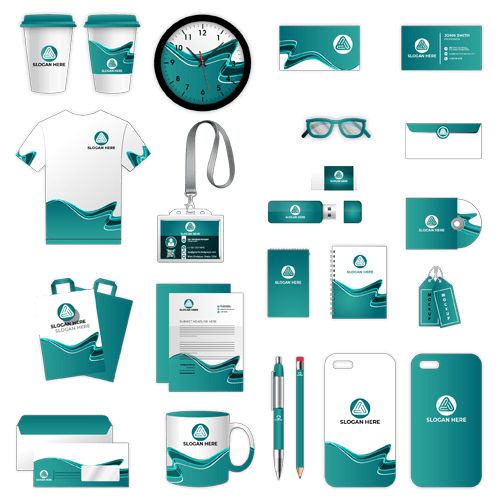
Successful rebranding implementation requires exhaustive inventory of every instance where the current brand appears, from obvious applications like signage and stationery to easily overlooked contexts like email signatures, software interfaces, and contractual templates. This inventory process typically reveals far broader brand presence than initially anticipated, with implications for transition timeline and budget development. Professional rebranding consultants employ systematic audit methodologies ensuring comprehensive coverage across physical environments, digital properties, marketing materials, and operational documentation.
Transition sequencing prioritizes high-visibility, customer-facing touchpoints while managing practical constraints of material depletion and contractual obligations. Immediate-transition items—those requiring immediate replacement upon brand launch—include digital properties, customer communication templates, and primary signage. Phased-transition items allow utilization of existing stock before replacement, appropriate for items like stationery, promotional merchandise, and non-critical operational materials. Strategic-transition items follow broader organizational changes, such as fleet vehicle replacement cycles or facility lease renewals that naturally accommodate rebranding.
| Transition Category | Timeline | Examples | Budget Implications |
|---|---|---|---|
| Immediate (Launch Day) | 0-30 days | Website, email signatures, primary building signage, business cards for customer-facing staff | Requires full immediate investment |
| Short-term (1-3 months) | Month 1-3 | Marketing collateral, trade show materials, proposal templates, customer-facing uniforms | Phased investment aligned with production schedules |
| Medium-term (3-6 months) | Month 3-6 | Fleet vehicle branding, secondary signage, internal documentation, non-critical stationery | Distributed investment; coordinate with maintenance cycles |
| Long-term (6-12 months) | Month 6-12 | Product packaging updates, contractual template replacement, legacy system interface updates | Integrated with normal business cycles |
| Strategic (12+ months) | Year 2+ | Facility signage tied to lease renewals, fleet replacement with pre-branded vehicles, major system replacements | Absorbed into capital planning cycles |
This phased approach optimizes budget efficiency by avoiding wasteful disposal of usable materials while ensuring high-priority touchpoints reflect new branding immediately. However, extended transition periods risk confusing stakeholder exposure to mixed branding, requiring careful management of overlap periods and clear communication regarding transition timelines. The optimal balance varies by organization based on brand visibility requirements, budget constraints, and operational practicalities specific to their industry and scale.
Visual Identity Development and Design System Creation
Visual identity development translates strategic brand positioning into tangible design elements—logos, color palettes, typography, imagery styles, and graphic devices—that collectively create distinctive, recognizable brand presence. For Kenyan corporations, visual identity must achieve differentiation within local market contexts while meeting international standards appropriate for organizations with global aspirations or stakeholder bases. Design development processes typically involve exploration of multiple creative directions, refinement of selected approaches, and comprehensive application testing across diverse contexts before final approval.
Brand guidelines documentation serves as the critical reference ensuring consistent application across all touchpoints and over extended timeframes. Comprehensive guidelines address logo usage specifications including minimum sizes, clear space requirements, acceptable color variations, and prohibited modifications that would compromise brand integrity. Color specifications provide precise values across print (Pantone, CMYK), digital (RGB, HEX), and environmental (RAL, custom matching) applications ensuring consistency despite different reproduction technologies. Typography guidelines establish primary and secondary typefaces, sizing hierarchies, and formatting standards that maintain readability and brand character across applications from business cards to building signage.
Beyond static elements, contemporary brand guidelines increasingly address motion principles for video and animation applications, sonic identity for audio branding, and environmental design standards for physical spaces. These extended guidelines ensure brand coherence across the full range of contemporary communication channels and experiential contexts where brands now operate. For Kenyan corporations with significant digital presence or physical retail environments, these extended guidelines prove essential for maintaining consistent brand experience.
Internal Communication and Change Management
Employee understanding and authentic representation of new brand positioning represents critical success factor frequently underestimated in rebranding initiatives. Staff who interact with customers, partners, and stakeholders must comprehend not merely new visual identity but underlying strategic positioning, brand values, and expected behaviors that bring brand promises to life. Comprehensive internal communication and training programs ensure employees become effective brand ambassadors rather than sources of confusion during transition periods.
Internal launch events generate excitement and commitment to new brand direction, particularly when leadership articulates strategic rationale and organizational benefits driving rebranding decisions. Department-specific training addresses functional implications of rebranding—sales teams learn to represent new positioning in client conversations, customer service staff understand updated communication templates, facilities teams coordinate signage installation logistics. For large organizations, train-the-trainer approaches extend reach efficiently while ensuring consistent message delivery across dispersed locations.
Change management considerations extend beyond communication to address operational impacts of rebranding on employee workflows and system interactions. Updated templates require training, new approval processes may be implemented, and modified brand assets require updates to personal workstations and communication tools. Anticipating and addressing these operational impacts prevents rebranding from generating employee frustration that undermines enthusiasm for strategic transformation.
External Launch Strategy and Stakeholder Communication
External brand launch represents culmination of extensive preparation, requiring coordinated execution across multiple channels to maximize impact and clarity. Launch timing considerations include competitive dynamics, industry event calendars, and organizational milestones that might amplify or complicate rebranding announcements. For publicly-traded Kenyan companies, regulatory requirements regarding material information disclosure may influence launch timing and communication approaches.
Customer communication requires particular attention, as existing relationships built under previous brand identity must transition smoothly to new positioning without generating confusion or concern about organizational stability. Direct communication to major customers, supported by sales team personal outreach, reassures key relationships while introducing new brand positioning. Broader customer communication through email campaigns, website announcements, and social media extends reach to entire customer base with consistent messaging regarding continuity of service and relationship commitment.
Media relations strategies leverage rebranding as newsworthy event generating coverage that extends awareness beyond existing stakeholder base. Press releases, media briefings, and executive interviews position rebranding within broader business narrative, emphasizing strategic momentum and organizational evolution rather than mere cosmetic change. For significant rebranding initiatives, launch events with media attendance generate coverage while demonstrating organizational confidence and capability.
Implementation Excellence with Luna Graphics
Luna Graphics provides comprehensive rebranding implementation services that translate strategic vision into flawless execution across every physical and printed touchpoint. Our implementation methodology begins with comprehensive asset audit and transition planning, identifying every instance of current brand application and developing detailed replacement schedules aligned with operational requirements and budget parameters. This systematic approach prevents oversight that would leave legacy branding persisting in forgotten corners, undermining overall transformation impact.
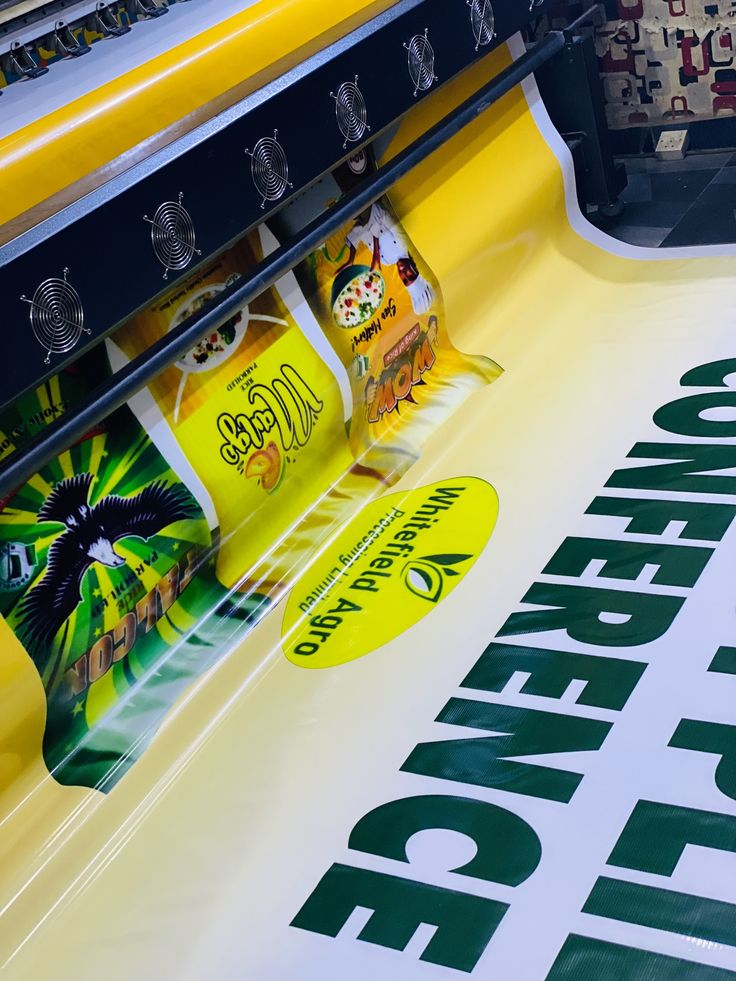
Production coordination manages complex manufacturing requirements across diverse material applications—from delicate stationery papers to massive building signage, from embroidered textiles to precision-cut acrylic dimensional lettering. Our production capabilities encompass the full spectrum of rebranding requirements, eliminating need for clients to coordinate multiple vendors with inconsistent quality standards and timeline coordination challenges. Single-source accountability ensures consistent color matching, material quality, and production scheduling across all applications.
Installation and deployment services extend beyond production to include professional implementation of environmental graphics, vehicle fleet branding, and signage systems. Our installation teams work across Kenya and East Africa, executing projects with minimal operational disruption through careful scheduling, after-hours work when necessary, and efficient project management. Post-installation photography and documentation provide records for facility management and brand compliance verification.
Quality Assurance and Ongoing Brand Management
Rebranding completion marks beginning of ongoing brand management requiring vigilance to maintain consistency established through implementation. Quality assurance processes during implementation include comprehensive proofing, color verification against approved standards, and installation inspection ensuring every application meets brand guideline specifications. Documentation of approved applications creates reference for future brand extensions and new location implementation.
Brand management systems established during rebranding support ongoing compliance, including digital asset management platforms providing approved file access to authorized users, template systems ensuring consistent document creation, and approval workflows maintaining quality control over brand applications. For organizations with distributed operations or franchise structures, these systems prove essential for maintaining coherence without centralized control of every application.
Luna Graphics supports ongoing brand management through retainer relationships providing priority production access, brand compliance auditing, and consultation on new applications or extensions. As markets evolve and organizational requirements change, brand identities require periodic refreshment or extension—evolutionary changes more efficiently executed with partners possessing deep understanding of brand history and implementation constraints.
Conclusion: Transforming Identity, Accelerating Success
Corporate rebranding represents significant organizational investment yielding returns through enhanced market positioning, improved stakeholder relationships, and internal cultural alignment. For Kenyan businesses navigating competitive transformation, professional rebranding execution distinguishes market leaders from followers, signaling organizational capability and strategic clarity that attracts customers, talent, and investment.
The complexity of comprehensive rebranding demands experienced partners capable of managing intricate logistics while maintaining unwavering attention to quality and detail. Luna Graphics brings proven expertise, substantial capabilities, and committed partnership to rebranding initiatives across Kenya's corporate landscape. Our track record of successful implementations for leading Kenyan and multinational organizations demonstrates our capacity to deliver transformation that advances strategic objectives while minimizing operational disruption.
Organizations considering rebranding initiatives are invited to confidential consultations exploring their specific requirements, constraints, and objectives. Our team provides comprehensive assessment, strategic recommendations, and detailed implementation planning without obligation, supporting informed decision-making as organizations evaluate transformation opportunities. Contact Luna Graphics today to initiate conversation about your brand's future.
Written by Ian Love
Marketing Director
Professional contributor at Luna Graphics specializing in printing and branding solutions.