
The Versatility of Pressure-Sensitive Graphics
Stickers and labels represent perhaps the most versatile format in printing—functioning as branding tools, information carriers, security devices, and decorative elements across virtually every industry. From product packaging to vehicle decoration, from asset tracking to promotional distribution, pressure-sensitive graphics solve communication challenges with unique combination of permanence and flexibility. Nairobi's diverse business ecosystem utilizes stickers across applications ranging from industrial labeling to youth culture marketing.
The technology behind modern stickers extends far beyond simple paper labels. Material science, adhesive chemistry, and printing technology have evolved sophisticated solutions for specific environmental challenges and functional requirements. Understanding these options enables strategic sticker deployment that achieves intended objectives without premature failure or excessive cost.
Material Foundations: Paper vs Film
Paper stickers provide economical solutions for indoor, short-term applications. Uncoated papers offer writeability for inventory or mailing applications. Coated papers provide improved print quality and modest moisture resistance. However, paper's vulnerability to water, tearing, and UV degradation limits applications to protected, temporary uses.
Polypropylene (BOPP) films dominate durable sticker applications, offering water resistance, tear resistance, and flexibility at moderate cost. These films accept printing beautifully and withstand indoor and outdoor exposure. White, clear, and metallic formulations provide options for different visual effects and substrate compatibility.
Polyester (PET) films provide premium durability for harsh environments. These materials resist chemicals, temperature extremes, and UV exposure that degrade other substrates. Electronics labeling, outdoor equipment marking, and industrial applications utilize polyester despite higher costs.
Vinyl films offer conformability and outdoor durability for vehicle graphics, equipment labeling, and architectural applications. Cast vinyl provides ultimate conformability for complex curves; calendered vinyl serves flat or gently curved surfaces economically.
Specialty materials including holographic films, destructible vinyls, and fluorescent papers serve specific functional or security requirements. These materials command premium pricing but provide capabilities impossible with standard options.
Adhesive Science: Matching Stickiness to Application
Permanent adhesives provide maximum bond strength for long-term applications. These formulations increase adhesion over 24-72 hours as they flow into surface microstructure. Removal requires aggressive solvents or physical scraping, often damaging substrates. Permanent adhesives suit product labels, warning stickers, and long-term branding.
Removable adhesives enable clean removal within specified timeframes without residue or surface damage. Initial tack allows repositioning during application; final bond remains removable for weeks or months depending on formulation. These adhesives serve promotional stickers, temporary signage, and rental property applications.
Repositionable adhesives allow extended adjustment periods before permanent bonding. These systems suit precision applications including wall graphics and window installations where perfect alignment is critical.
Specialized adhesives address specific challenges. High-tack formulations bond to low-energy surfaces like polypropylene and powder coatings. Cold-temperature adhesives maintain performance in refrigerated environments. FDA-compliant adhesives meet food contact requirements for packaging applications.
Printing Technologies for Sticker Production
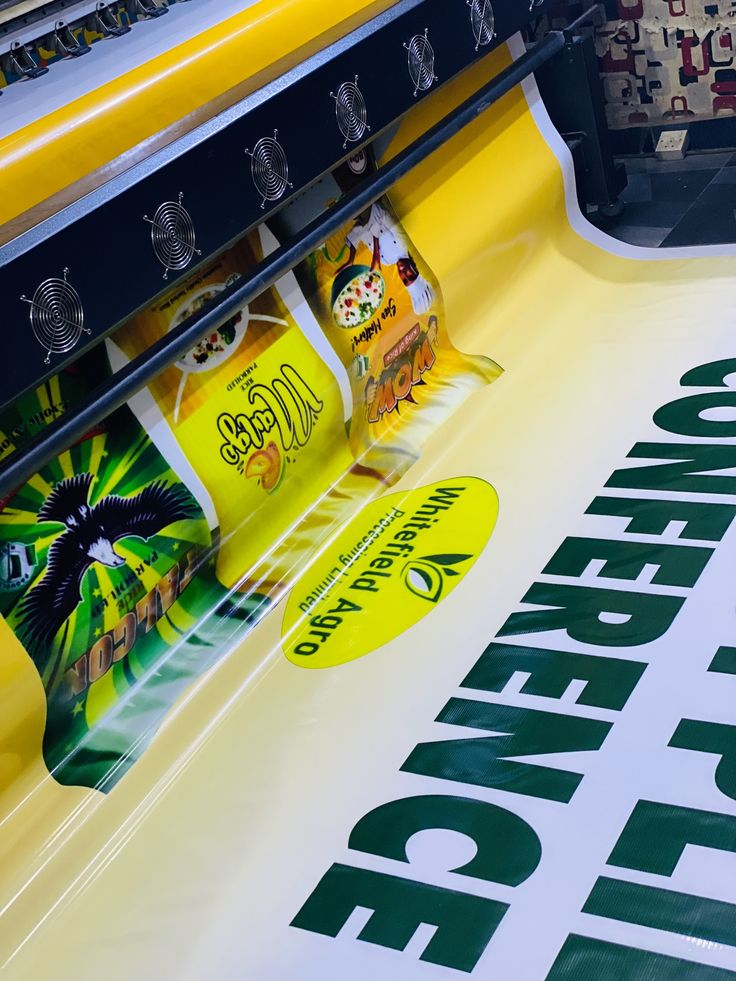
Digital printing dominates sticker production for its flexibility and quality. Inkjet and toner-based systems produce full-color graphics without plate costs, enabling economical short runs and variable data. UV-curable digital printing provides exceptional durability for outdoor and industrial applications.
Flexographic printing serves high-volume sticker production with speed and economy. This rotary relief printing method uses polymer plates to transfer ink rapidly to continuous label rolls. Setup costs make flexo economical only for large quantities, but per-unit costs are minimal at scale.
Screen printing provides thick ink deposits and specialty effects including metallics, textures, and tactile elements. This method suits heavy-duty industrial labels, safety markings, and premium decorative stickers requiring distinctive appearance or extreme durability.
Finishing Options and Functional Enhancement
| Finishing Option | Function | Applications |
|---|---|---|
| Gloss Lamination | Protection, shine enhancement | Product labels, promotional stickers |
| Matte Lamination | Protection, glare reduction | Premium branding, readability |
| Spot UV | Visual emphasis, texture contrast | Logo enhancement, luxury packaging |
| Foil Stamping | Metallic effects, premium appearance | Certificates, high-end products |
| Embossing | Tactile dimension, accessibility | Braille, decorative elements |
| Die-Cutting | Custom shapes, easy separation | Logos, unique forms, kiss-cutting |
| Perforation | Easy division, coupon function | Promotions, tear-off sections |
| Sequential Numbering | Tracking, security | Asset labels, limited editions |
| Security Features | Authentication, tamper evidence | Warranty seals, anti-counterfeiting |
| Thermal Transfer | Variable information printing | Shipping labels, barcode labels |
Strategic Applications by Industry
Retail and consumer products utilize stickers for branding, information, and security. Product labels must withstand handling, moisture, and shelf life while communicating brand identity and regulatory information. Tamper-evident seals protect product integrity and consumer safety.
Manufacturing and logistics depend on stickers for asset tracking, inventory management, and safety communication. Barcode and RFID labels enable automated tracking; durable equipment labels withstand industrial environments; safety stickers communicate hazards and procedures.
Marketing and promotions leverage stickers as viral marketing tools and brand affinity builders. Well-designed promotional stickers become voluntary brand displays on personal items—laptops, water bottles, vehicles—extending reach beyond paid media. Limited edition and artist collaboration stickers build collector communities.
Security and authentication applications include holographic labels, destructible warranty seals, and serialized tracking labels. These specialized stickers protect against counterfeiting, unauthorized opening, and diversion in supply chains.
Design Optimization for Sticker Impact
Size and shape dramatically affect sticker visibility and utility. Standard shapes (circles, rectangles, ovals) prove economical but may blend into visual clutter. Custom die-cut shapes following design contours create distinctive presence that commands attention. However, complex shapes increase production costs and may reduce practical sticking area.
Color and contrast requirements vary by application environment. Stickers applied to products, vehicles, or signage must contrast with underlying surfaces for visibility. Designs should anticipate typical application backgrounds—white stickers disappear on white vehicles; dark colors fade against tinted windows.
Durability specifications should match actual exposure conditions. Indoor stickers on climate-controlled products require minimal specifications; outdoor vehicle graphics need premium materials. Over-specification wastes money; under-specification causes premature failure and brand damage.
Cost Optimization and Production Planning
Sticker pricing depends on size, material, quantity, and finishing complexity. Digital production enables economical quantities from 100 pieces; flexo becomes competitive at 10,000+ pieces. Standard shapes and sizes reduce die costs; custom shapes require tooling investment amortized across production run.
Sheet vs roll format affects application efficiency. Hand application suits sheeted stickers; automated labeling equipment requires roll format. Roll labels enable faster application but may have higher minimum quantities.
Consolidating multiple designs into single production runs reduces per-design costs through shared setup. However, ensure designs share compatible specifications—mixing different materials or finishes in single runs creates complications.
Application Best Practices
Surface preparation determines sticker longevity. Surfaces must be clean, dry, and free of oils, waxes, or loose material. Isopropyl alcohol cleaning removes contaminants that compromise adhesion. Application temperature affects adhesive flow—most stickers apply best between 15°C and 30°C.
Application technique prevents bubbles and wrinkles. Start from one edge, gradually applying pressure while smoothing toward opposite edge. Squeegees or soft cards help achieve full contact without air entrapment. Large graphics may require wet application techniques using soapy water allowing repositioning before final adhesion.
Post-application care includes avoiding disturbance during initial cure period (24-72 hours for permanent adhesives) and protecting from extreme conditions during this window. Cleaning should use mild methods avoiding high-pressure or abrasive techniques that could lift edges.
Luna Graphics provides comprehensive sticker and label solutions from material consultation through design, production, and application guidance. Our technical team ensures your pressure-sensitive graphics perform flawlessly in intended applications. Contact us for samples, specifications, and project quotations.
Written by Ian Love
Marketing Director
Professional contributor at Luna Graphics specializing in printing and branding solutions.