
The Office as Brand Medium
Physical workspace represents significant brand touchpoint often underutilized in branding strategies. While marketing focuses on external communications, office environments shape perceptions among clients, partners, and recruits who experience organizational reality firsthand. For professional services, B2B companies, and any business hosting client visits, office branding investments deliver disproportionate impact through extended engagement and credibility signaling.
Effective office branding extends beyond logo displays to encompass spatial design, environmental graphics, wayfinding systems, and experiential elements that collectively communicate organizational character. The goal is creating immersive brand environments that reinforce positioning, differentiate from competitors, and support business objectives.
Reception and Entry Experience
Reception areas create critical first impressions during the "moment of truth" when visitors form initial judgments. This space should immediately communicate brand identity, organizational capability, and cultural character. Investment in reception design pays dividends through enhanced credibility and client confidence.
Feature walls behind reception desks provide natural focal points for brand expression. Large-scale graphics, dimensional logos, or textured materials create memorable visual impact. Scale should be generous—small logos appear tentative; bold expressions signal confidence. Lighting design should highlight brand elements effectively.
Reception desk design itself offers branding opportunity. Custom millwork incorporating brand colors or forms; materials suggesting organizational values (sustainability, innovation, heritage); and technology integration demonstrating capability. The desk should function efficiently while reinforcing brand character.
Waiting area experience extends brand impression. Branded publications, video content, and environmental comfort (seating, refreshments, connectivity) demonstrate attention to visitor needs. Digital displays can showcase work, client testimonials, or cultural content engagingly.
Wayfinding and Environmental Graphics
Wayfinding systems serve functional navigation needs while reinforcing brand through consistent visual language. Signage typography, colors, materials, and forms should align with brand identity. Well-designed wayfinding reduces visitor anxiety while extending brand presence throughout space.
Department or function identification can go beyond simple room numbers. Naming conventions reflecting brand values (innovation lab vs. meeting room 3); graphics suggesting departmental character; or environmental treatments differentiating zones. These elements humanize corporate environments.
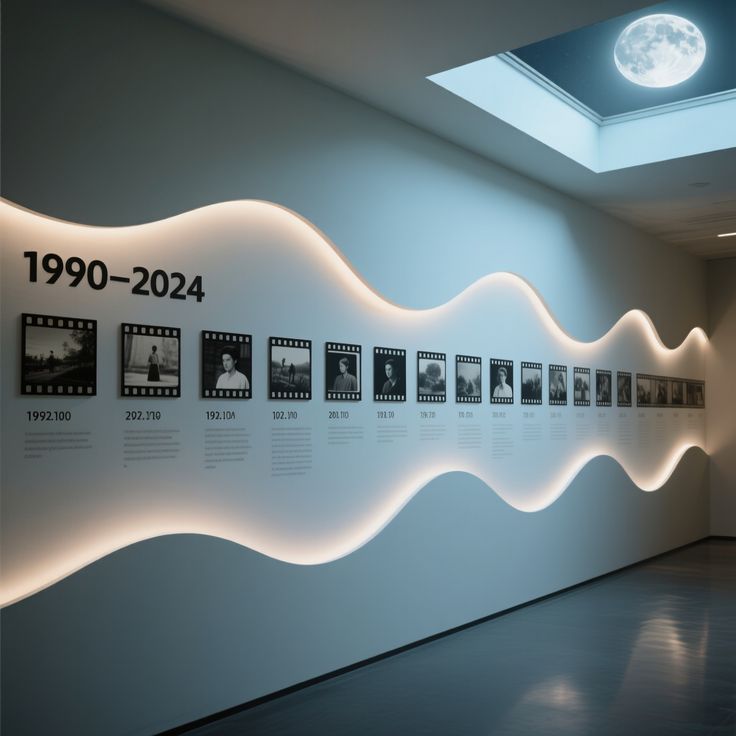
Historical timelines or achievement displays communicate organizational narrative. Milestone walls, project showcases, or cultural artifacts tell story of organizational journey and capability. These elements provide conversation starters and credibility support during client tours.
Inspirational or values-based messaging reinforces culture. Core values displayed prominently; mission statements in strategic locations; or motivational graphics aligned with brand character. These elements should be authentic expressions, not generic platitudes.
Meeting and Presentation Spaces
Conference rooms should balance functionality with brand expression. Video conferencing technology, presentation capabilities, and acoustic privacy serve practical needs; brand colors, graphics, and material selections create environmental character. The space should impress without distracting.
Presentation backdrops provide branded settings for video calls and photography. Simple, professional backgrounds with subtle brand presence; avoid busy patterns or prominent logos that dominate video frames. Lighting should flatter participants and ensure visibility.
Collaboration spaces can express brand personality more playfully than formal conference rooms. Creative industries might emphasize inspiration and energy; professional services might project expertise and reliability. These spaces should align with actual work culture, not aspirational fantasy.
Client-specific customization demonstrates attention and relationship value. Digital displays welcoming specific clients; adjustable environmental controls; or flexible furniture arrangements adapting to meeting types. These adaptive elements signal client-centered values.
Workplace and Cultural Expression
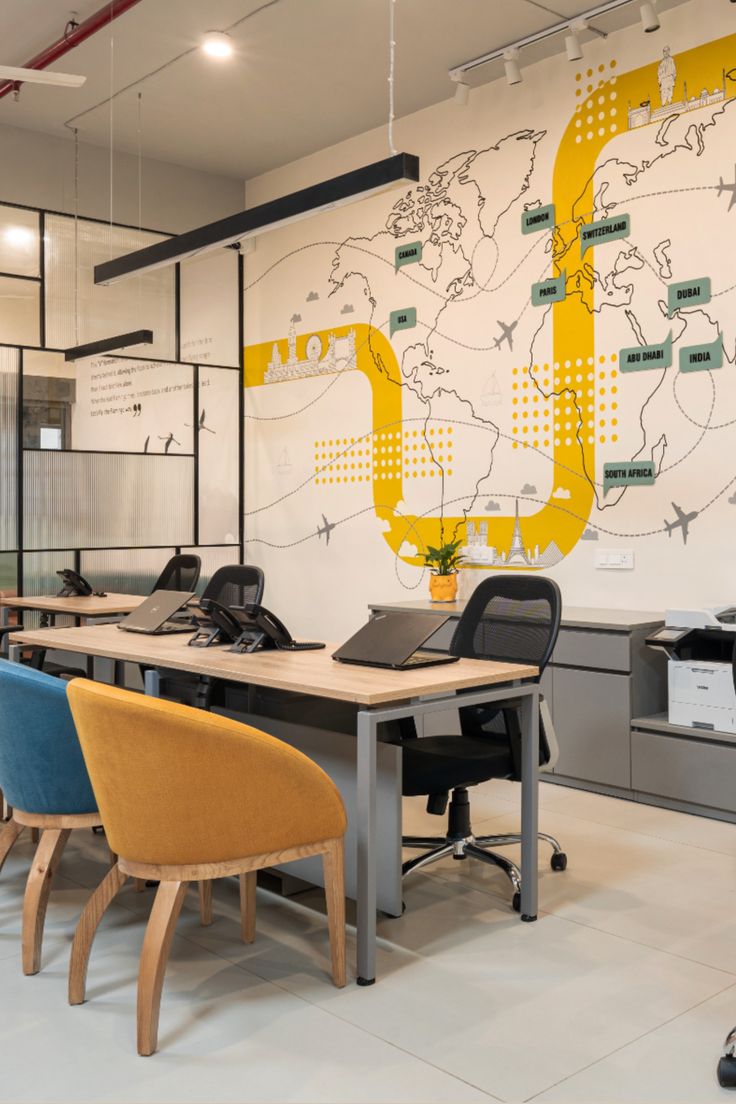
Open work areas offer opportunity for environmental graphics at scale. Wall murals, dimensional installations, or artistic treatments can energize spaces and express brand character. However, respect work function—excessive stimulation undermines productivity; appropriate balance supports both branding and performance.
Break areas and amenities express organizational values through design quality. Kitchen facilities, relaxation spaces, and wellness amenities demonstrate investment in employee experience. These spaces also reveal culture to visiting clients—generous amenities suggest organizational success and employee value.
Work on display—project boards, process documentation, or collaborative spaces—can demonstrate capability and transparency. However, confidentiality requirements may limit such openness; balance demonstration with discretion appropriately.
Biophilic design incorporating natural elements reduces stress and improves wellbeing. Plants, natural light, organic forms, and natural materials create environments where people perform better. These elements also signal sustainability values increasingly important to stakeholders.
Technology Integration
Digital signage enables dynamic, updatable brand content throughout spaces. Welcome messages, news displays, social media feeds, or ambient brand content keep environments current. Content management systems should enable easy updates without technical complexity.
Interactive displays engage visitors actively. Touchscreens showcasing portfolios, capabilities, or case studies; product demonstrations; or virtual tours. These elements extend engagement and provide self-directed information access.
Ambient media including audio branding (sonic logos, curated playlists) and scent branding create multisensory experiences. These subtle elements operate below conscious awareness while shaping emotional response to space.
Smart building technologies demonstrate innovation and efficiency. Automated environmental controls, occupancy-responsive systems, or sustainability dashboards showcase organizational capability and values.
Implementation Strategies
| Element | Implementation Approach | Budget Level |
|---|---|---|
| Reception feature wall | Large format graphics, dimensional signage | KES 150,000-500,000 |
| Wayfinding system | Modular signage, consistent design | KES 100,000-300,000 |
| Environmental graphics | Wall murals, vinyl graphics, installations | KES 200,000-800,000 |
| Meeting room branding | Feature walls, technology integration | KES 100,000-400,000 per room |
| Digital signage | Displays, content management, installation | KES 200,000-600,000 |
| Reception desk custom | Millwork, materials, lighting | KES 300,000-1,000,000 |
| Workplace graphics | Wall treatments, motivational elements | KES 150,000-500,000 |
| Wayfinding digital | Interactive directories, room booking | KES 300,000-800,000 |
Design Principles for Impact
Scale and boldness create impression. Timid, scattered brand elements feel cheap; confident, generous expressions signal organizational strength. Invest in fewer, larger statements rather than many small applications.
Quality materials and execution matter. Cheap materials and sloppy installation undermine credibility; quality execution demonstrates organizational standards. Prioritize fewer elements executed excellently over comprehensive coverage done poorly.
Authenticity to actual culture prevents embarrassing disconnects. If brand promises innovation but office displays outdated technology and tired décor, the contradiction damages credibility. Environmental branding must align with organizational reality.
Flexibility for evolution accommodates growth and change. Leased spaces, organizational restructuring, and brand evolution require adaptable solutions. Removable graphics, modular systems, and scalable approaches protect investment.
Luna Graphics provides comprehensive office branding services from strategy through design, production, and installation. Our environmental graphics expertise transforms workspaces into brand experiences that impress clients and engage employees. Contact our environmental design team to discuss your office transformation project.
Written by Ian Love
Marketing Director
Professional contributor at Luna Graphics specializing in printing and branding solutions.