
Material Compatibility Fundamentals
Laser cutting material compatibility depends on how substances interact with laser wavelength, thermal properties, and chemical composition. CO2 lasers (most common in Kenya) operate at 10.6 micrometer wavelength, readily absorbed by organic materials and some metals. Fiber lasers at 1.06 micrometers better suit metals. Material behavior under intense heating—melting, vaporization, burning, or chemical decomposition—determines cutting quality and safety. Understanding these interactions enables material selection optimizing results while avoiding hazardous or impossible processing.
Safe laser cutting requires materials that vaporize or melt cleanly without releasing toxic fumes, excessive smoke, or damaging residue. Organic materials generally process well as carbon-based compounds absorb CO2 laser energy effectively. Synthetic materials vary widely—some cut cleanly while others melt messily or release dangerous gases. Metals reflect CO2 laser wavelengths unless treated or very thin, requiring fiber laser systems for effective processing.
Material thickness capabilities depend on laser power and material properties. Standard 100W CO2 lasers cut 10-12mm acrylic or wood, while 40W systems manage only 3-5mm. Dense materials require more power than soft materials of equal thickness. Fiber lasers for metal cutting start at 500W for thin sheets, with 1kW+ systems handling 6mm+ steel. These capabilities guide material selection and provider selection based on available equipment.
Wood and Wood Products
Natural woods laser cut beautifully, offering organic aesthetics and structural properties. Softwoods (pine, cedar) cut easily with minimal charring, suitable for intricate designs and prototyping. Hardwoods (oak, maple, mahogany) require slower cutting speeds but offer superior durability and appearance for finished products. Wood grain direction affects cutting—cross-grain cuts may show more charring than with-grain cuts. Moisture content significantly impacts results; kiln-dried wood (8-12% moisture) cuts predictably while green wood steams and cuts poorly.
Plywood and engineered woods present both opportunities and challenges. Birch plywood offers excellent laser cutting characteristics with consistent layers and quality glue. Standard construction plywood uses phenolic adhesives that cut adequately but may show dark edges. MDF (medium-density fiberboard) cuts smoothly with uniform density, ideal for painted applications or detailed work. Particleboard cuts poorly due to inconsistent density and coarse particles. Veneered MDF combines surface quality with economical cores.
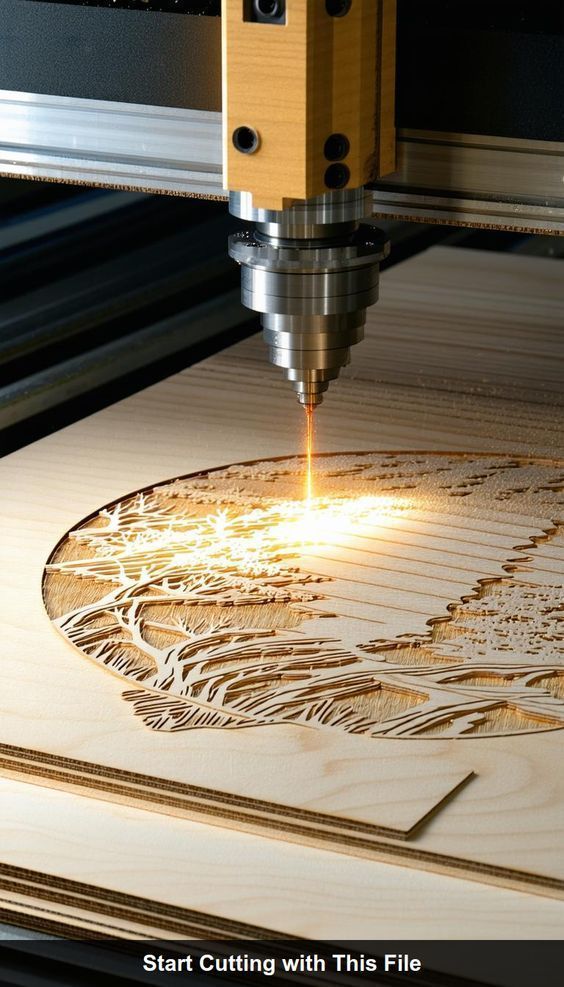
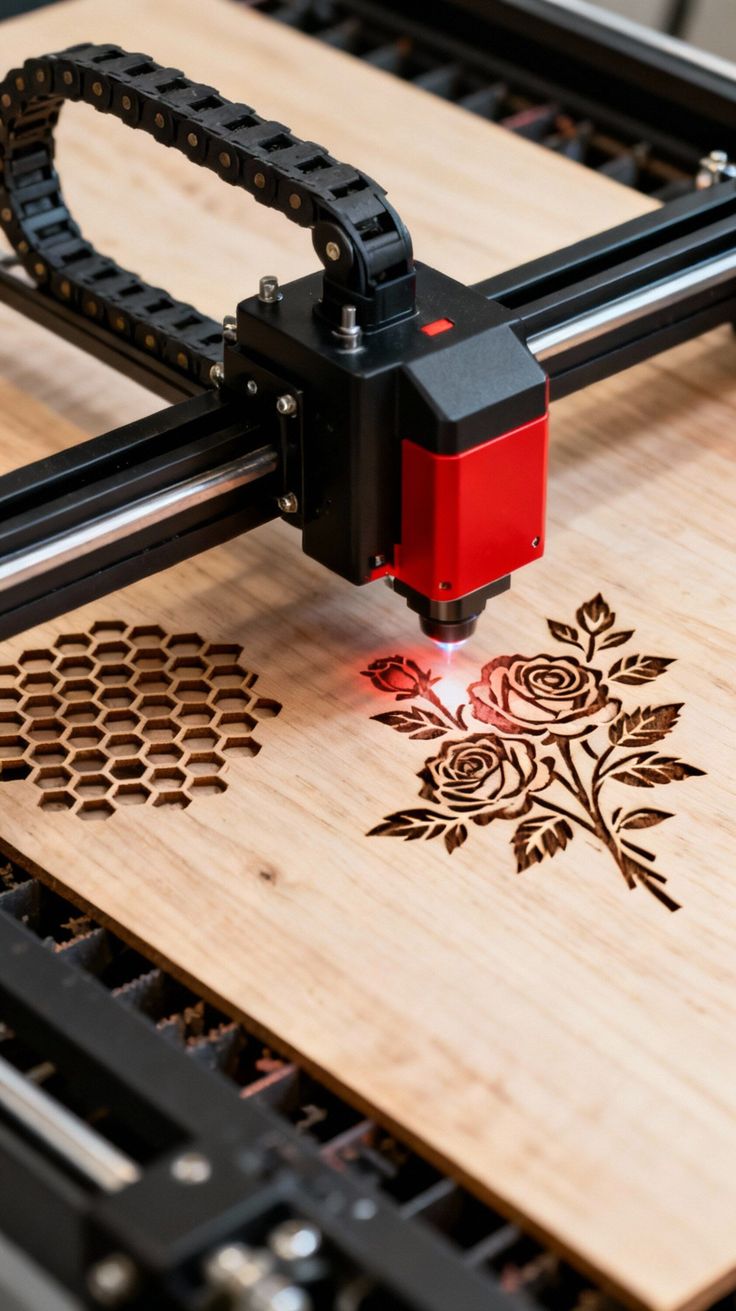
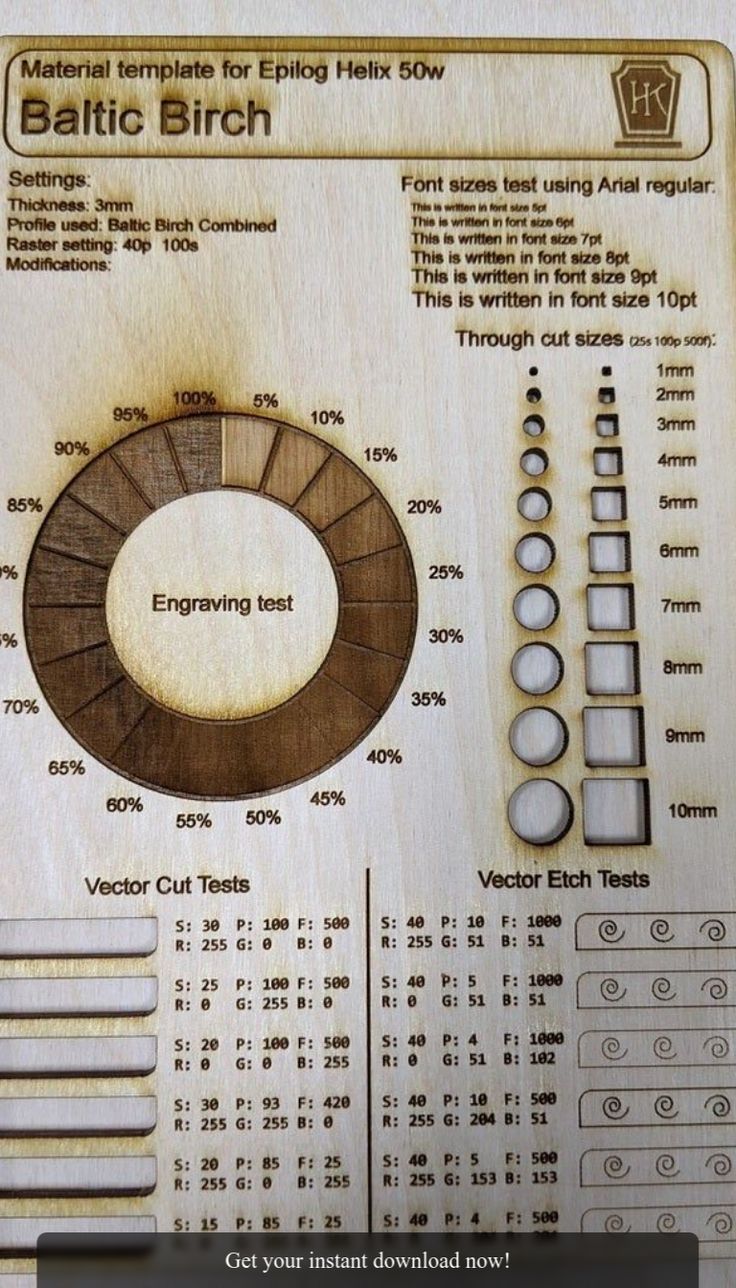
Wood cutting parameters balance speed against edge quality. Faster cutting reduces charring but may leave incomplete penetration. Slower speeds ensure through-cutting but increase darkening. Air assist (compressed air blowing cut zone) reduces charring and prevents flame ignition. Multiple light passes can cut thick wood with less charring than single slow passes. These optimizations require experience with specific materials and equipment.
| Wood Type | Cut Quality | Best Applications | Considerations |
|---|---|---|---|
| Birch Plywood | Excellent, clean edges | Models, signage, furniture | Check for voids, use quality grades |
| MDF | Excellent, smooth surface | Painted items, detailed work | Formaldehyde concerns, heavy |
| Pine/Softwood | Good, slight charring | Prototypes, rustic items | Resin pockets may flare |
| Hardwoods | Excellent, dark edges | Premium products, gifts | Slower cutting, higher cost |
| Bamboo | Good, distinct look | Eco-friendly products | Variable density, splintering |
| Cork | Good, clean edges | Gaskets, crafts | Low density, fast cutting |
| Veneered boards | Excellent face, OK edges | Fine furniture, cabinetry | Glue lines visible on edges |
Plastics and Acrylics
Acrylic (PMMA) represents the ideal laser cutting material, cutting cleanly with flame-polished edges requiring no finishing. Cast acrylic offers superior optical clarity and consistent cutting compared to extruded acrylic, though at higher cost. Colors and finishes (clear, opaque, mirror, frosted) all cut well with appropriate power settings. Thickness ranges from 1mm to 25mm+ depending on laser power, with standard signage using 3-6mm and structural applications up to 20mm.
Acrylic cutting requires parameter optimization to achieve polished edges. Sufficient power and appropriate speed create clean cuts; insufficient power produces rough, frosted edges while excessive power causes melting and dripping. Air assist prevents flame formation and removes debris. Focus position critically affects edge quality—proper focus at material surface or slightly below produces best results. These parameters vary by acrylic type and thickness, requiring testing for optimal settings.
Other plastics show variable compatibility. PETG cuts similarly to acrylic but with less edge polish. Polycarbonate cuts poorly above 3mm thickness, melting and discoloring excessively. ABS cuts adequately but produces noticeable fumes requiring ventilation. Polypropylene and polyethylene cut with melted, rounded edges suitable for some applications but lacking acrylic's clarity. Styrene and foam core cut easily for modeling and prototyping.
Dangerous plastics must be avoided. PVC (vinyl) and vinyl-containing materials release toxic chlorine gas when laser cut, creating health hazards and equipment corrosion. Polycarbonate with certain additives may produce harmful fumes. Always verify material composition before cutting—when uncertain, consult material safety data sheets or test small samples with extreme ventilation.
Metals and Alloys
CO2 laser cutting of metals requires specialized approaches limited to thin sheets or coated materials. Uncoated metals reflect CO2 wavelengths, preventing effective cutting. However, CO2 lasers can cut thin metal sheets (under 1mm) with high power and slow speeds, or metal-containing composites like laminated aluminum panels used in signage. These applications remain marginal compared to fiber laser capabilities.
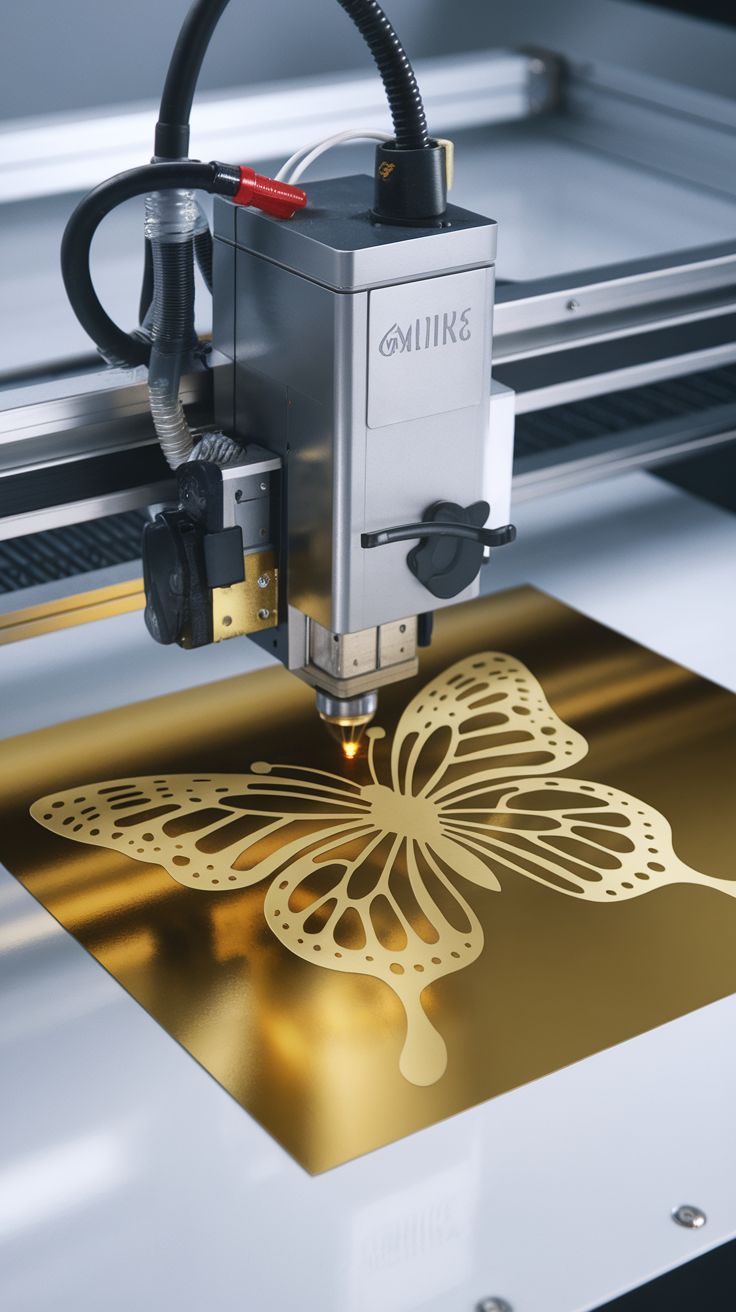
Fiber lasers revolutionize metal cutting for small businesses and job shops. These solid-state lasers at 1.06 micrometer wavelength absorb efficiently into metals, enabling clean cutting of mild steel, stainless steel, aluminum, brass, and copper. Fiber laser systems starting at 500W handle thin sheets (1-3mm), while 1kW+ systems cut 6mm+ steel and 4mm+ aluminum. Cut quality rivals or exceeds plasma cutting, with narrow kerfs and minimal heat-affected zones.
Metal cutting parameters vary significantly by alloy. Mild steel cuts fastest with oxygen assist, utilizing exothermic reaction to accelerate cutting. Stainless steel requires nitrogen assist to prevent oxidation and discoloration. Aluminum's high thermal conductivity demands higher power or slower speeds. Brass and copper, highly reflective, challenge even fiber lasers but are processable with appropriate parameters. Each material requires specific power, speed, and gas pressure optimization.
Textiles and Organics
Natural textiles laser cut with sealed edges preventing fraying—cotton, linen, silk, and wool all process well. Leather (genuine and synthetic) cuts cleanly with sealed edges ideal for accessories, apparel, and upholstery applications. Paper and cardstock cut with precision for invitations, packaging, and prototyping. These materials require lower power settings than wood or acrylic, with careful focus to prevent burning through thin substrates.
Synthetic fabrics vary in compatibility. Polyester and synthetic blends cut well with sealed edges. Nylon cuts cleanly but may produce edge beads. Acrylic fabrics cut similarly to solid acrylic. However, some synthetics contain PVC or other hazardous components—always verify composition before cutting. Synthetic leather (pleather) often contains PVC and should be avoided or tested cautiously.
Organic materials beyond wood include cork, bamboo, and various plant fibers. These sustainable materials appeal to eco-conscious markets and offer unique aesthetic properties. Cutting parameters generally follow wood principles with adjustments for density and moisture content. These materials often show more variation than manufactured substrates, requiring flexible parameter adjustment.
Specialty and Composite Materials
Laminates and composites combine materials for specific properties. Aluminum composite panels (ACM) sandwich polyethylene core between aluminum sheets, popular for signage. These cut well with attention to parameter balance—too much power melts core excessively, too little leaves burrs. Laminated woods, HPL (high-pressure laminate), and similar materials require testing to ensure clean cutting through all layers.
Acrylic laminates and multi-layer materials create visual effects through laser cutting. Removing surface layers reveals contrasting colors beneath, enabling detailed graphics without engraving depth. These materials require precise power control to remove surface layers without cutting through substrate. Applications include signage, awards, and decorative items.
Food-safe materials enable laser cutting for culinary applications. Food-grade acrylics, certain woods, and paper products cut safely for cake toppers, serving utensils, and packaging. However, laser cutting produces localized heating that may affect food safety properties—materials should be certified food-safe and cutting processes evaluated for contamination risks.
Material Selection Guidelines
Application requirements drive material selection. Structural applications require material strength and thickness; aesthetic applications prioritize appearance and finish; functional parts need appropriate mechanical properties; temporary or disposable items suggest economical materials. Laser cutting capability should be one factor among many in material selection, not the sole determinant.
Cost optimization considers material yield, processing speed, and finishing requirements. Expensive materials that cut quickly with no finishing may cost less total than cheap materials requiring extensive processing. Material sheet sizes affect yield—designing for standard sizes reduces waste. These economic factors often outweigh material unit costs in project budgeting.
Environmental and safety considerations increasingly influence selection. Recycled and recyclable materials, sustainably sourced woods, and low-emission substrates appeal to environmentally conscious markets. Avoiding PVC and hazardous materials protects workers and enables safe disposal. These factors may justify material premiums through market positioning and risk reduction.
Luna Graphics maintains comprehensive material inventory and expertise across laser-compatible substrates. Our technical team advises on material selection balancing aesthetics, function, processability, and cost for optimal project outcomes. Whether you need standard acrylics, specialized metals, or sustainable alternatives, contact us to discuss material options and discover how proper material selection enhances your laser cutting projects.
Written by Ian Love
Marketing Director
Professional contributor at Luna Graphics specializing in printing and branding solutions.