Fundamental Process Differences
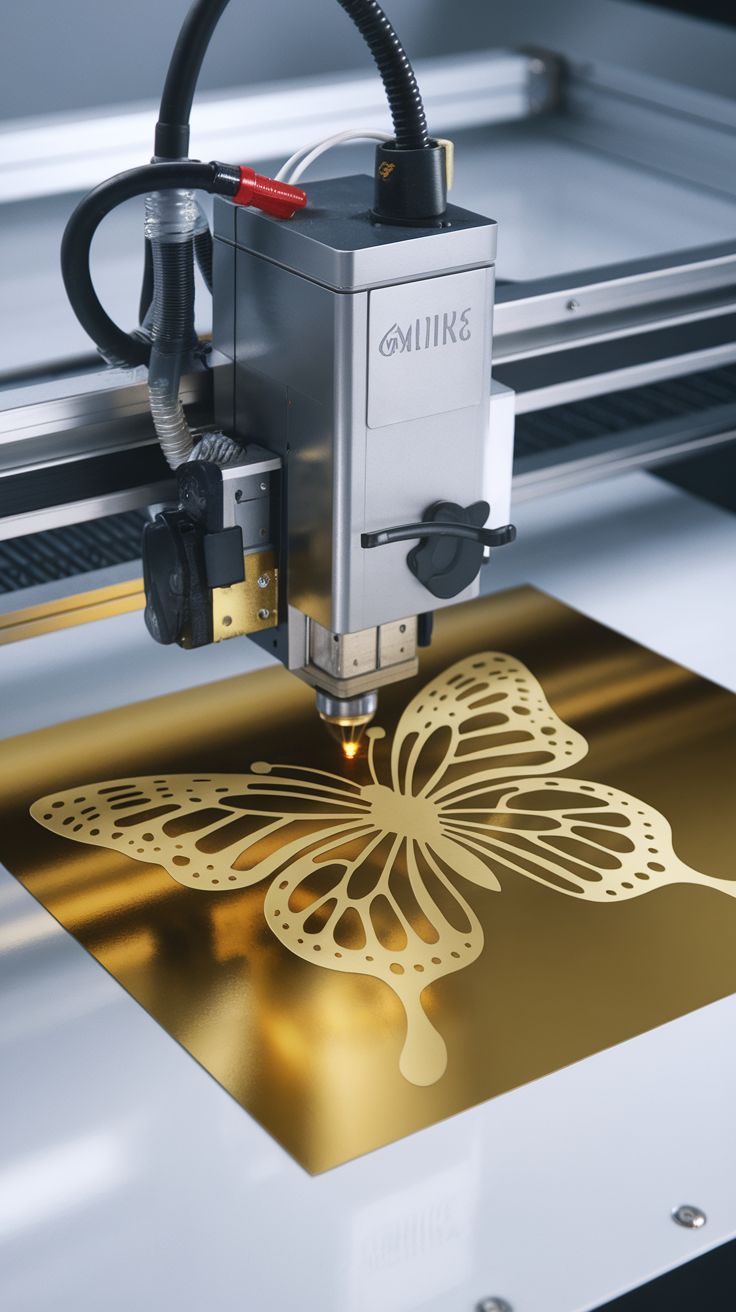
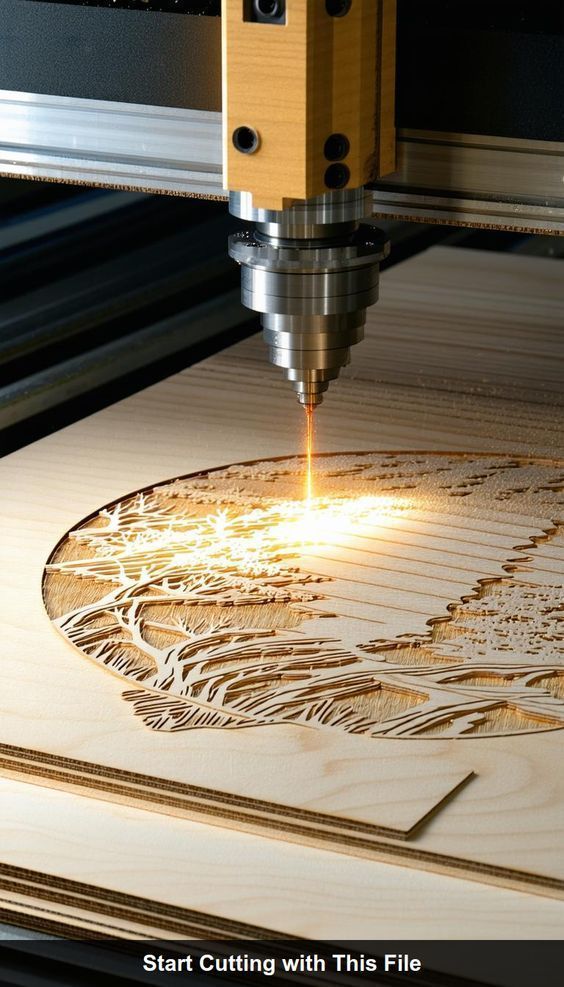
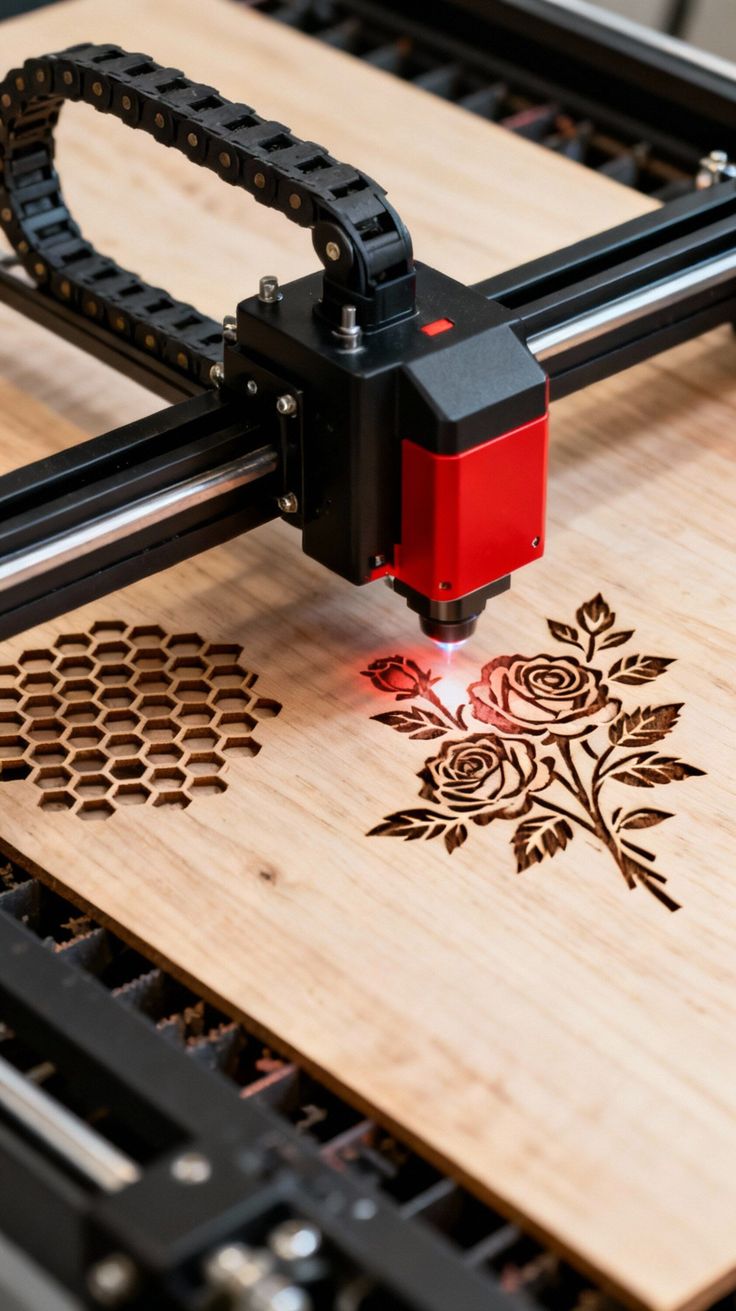
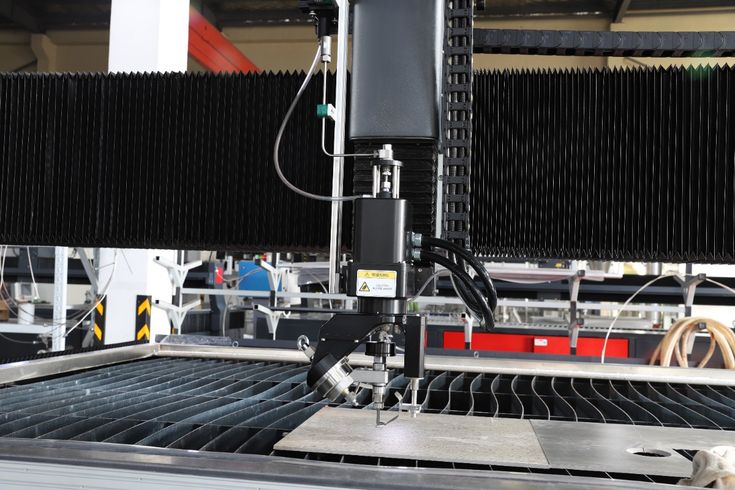
Laser cutting and waterjet cutting represent distinct physical approaches to material separation. Laser cutting uses thermal energy to melt or vaporize material; waterjet uses mechanical erosion from high-pressure abrasive water stream. These fundamental differences drive capability, quality, and economic characteristics determining optimal application.
Laser cutting offers higher speed for thin materials, narrower kerf, and no secondary cleanup (in most materials). Waterjet cuts thicker materials, produces no heat-affected zone, and handles virtually any material including those impossible for laser. Neither universally superior—selection depends on specific requirements.
Equipment investment and operating costs differ significantly. Laser systems (especially fiber lasers for metal) have lower capital cost than industrial waterjet systems; but waterjet has lower operating cost per hour for thick materials. Economics depend on material, thickness, and volume mix.
Capability Comparison
Material versatility strongly favors waterjet. Virtually any material cuttable: metals, stone, glass, ceramics, composites, rubber, foam, food. No thermal or chemical restrictions. Laser cutting limited by material thermal properties and safety (no PVC, limited thick polycarbonate, reflective metals challenge CO2 lasers).
Thickness capability favors waterjet for most materials. Waterjet cuts 100mm+ metals, 200mm+ stone; laser cutting limited to approximately 25mm organics, 12-25mm metals depending on power. For thick sections, waterjet often only viable precision method.
Precision and tolerance comparable for thin materials; laser generally finer for thin, waterjet competitive for thick. Laser: ±0.05-0.1mm typical; waterjet: ±0.05-0.1mm for thin, ±0.1-0.2mm for thick. Both exceed plasma or oxy-fuel precision.
Speed comparison depends on material and thickness. Laser faster for thin materials (under 6mm); waterjet competitive or faster for thick materials where laser slows dramatically. Waterjet speed relatively constant with thickness; laser speed decreases with thickness.
| Factor | Laser Cutting | Waterjet Cutting | Implication |
|---|---|---|---|
| Material range | Limited (thermal) | Unlimited | Waterjet for exotic materials |
| Thickness | Limited (heat buildup) | Very thick capable | Waterjet for heavy sections |
| Speed (thin) | Very fast | Moderate | Laser for thin production |
| Speed (thick) | Slow | Moderate | Waterjet for thick production |
| Heat effects | HAZ present | None (cold cut) | Waterjet for heat-sensitive |
| Kerf width | Narrow (0.1-0.3mm) | Wider (0.8-1.2mm) | Laser better material yield |
| Edge quality | Good, some striations | Good, sand-blasted look | Different aesthetics |
Quality Characteristics
Edge quality differs distinctly between methods. Laser edges show fine striations from melt dynamics; slight taper in thick materials; heat-affected zone with property changes. Waterjet edges show matte, sand-blasted texture from abrasive action; perpendicular edges; no heat effects. Aesthetic preference depends on application.
Surface finish from waterjet slightly rougher (Ra 3-6μm typical) than laser (Ra 1-3μm), but both generally acceptable without secondary finishing. Critical applications may require additional processing regardless of method. Waterjet finish consistent across material thickness.
Precision and geometry capability both excellent, with different limitations. Laser minimum feature size smaller due to finer kerf; waterjet better for sharp internal corners (no HAZ rounding). Both handle complex geometry well; laser slightly better for very fine detail in thin materials.
Material integrity preserved by waterjet's cold cutting. No thermal distortion; no property changes in heat-affected zone; no edge hardening or annealing. Critical for aerospace, medical, and precision mechanical applications where material properties must be maintained.
Economic Analysis
Capital cost favors laser for entry-level, waterjet higher for capable systems. CO2 lasers for non-metals: KES 300,000-2,000,000; fiber lasers for metals: KES 5,000,000+; waterjet systems: KES 8,000,000-20,000,000+. Waterjet investment justified by capability for thick materials and material versatility.
Operating costs: laser higher electricity and gas consumption; waterjet higher abrasive and pump maintenance. Per-hour costs comparable for thin materials; waterjet more economical for thick materials where laser slows. Detailed cost analysis required for specific applications.
Material yield favors laser due to narrower kerf. 0.1-0.3mm laser kerf vs 0.8-1.2mm waterjet kerf means 10-20% better material utilization for laser on expensive materials. For large expensive parts, this yield advantage significant; for small parts from inexpensive material, less critical.
Secondary operations may be required for either method. Laser: minimal for most materials, possible heat effect removal; waterjet: drying (water immersion), possible edge smoothing for precision fits. These post-process costs factor into total economics.
Selection Guidelines
Select laser cutting for: thin materials (under 6mm); high production volumes of thin parts; fine detail and precision; materials laser-compatible; applications where heat effects acceptable; when material yield critical. Laser excels in speed and precision for appropriate materials.
Select waterjet cutting for: thick materials (over 12mm); heat-sensitive materials or applications; materials impossible for laser (glass, stone, ceramics, PVC); when no heat-affected zone required; very thick metals; exotic material combinations. Waterjet uniquely capable for demanding applications.
Hybrid approaches use both methods. Laser for thin precision features; waterjet for thick sections; different materials in assembly processed by optimal method. Modern job shops offer both capabilities, selecting optimal method per component.
Kenyan market availability currently favors laser cutting. Waterjet capability limited in Kenya; most applications requiring waterjet may need to import processed parts or use alternative methods. As market develops, waterjet availability will expand for appropriate applications.
Luna Graphics evaluates project requirements objectively, recommending laser cutting when optimal and referring to waterjet partners when that method better serves client needs. Our technical consultation ensures appropriate method selection for quality and economics. Contact us to discuss your cutting requirements and discover the optimal fabrication approach.
Written by Ian Love
Marketing Director
Professional contributor at Luna Graphics specializing in printing and branding solutions.