
Fundamental Process Differences
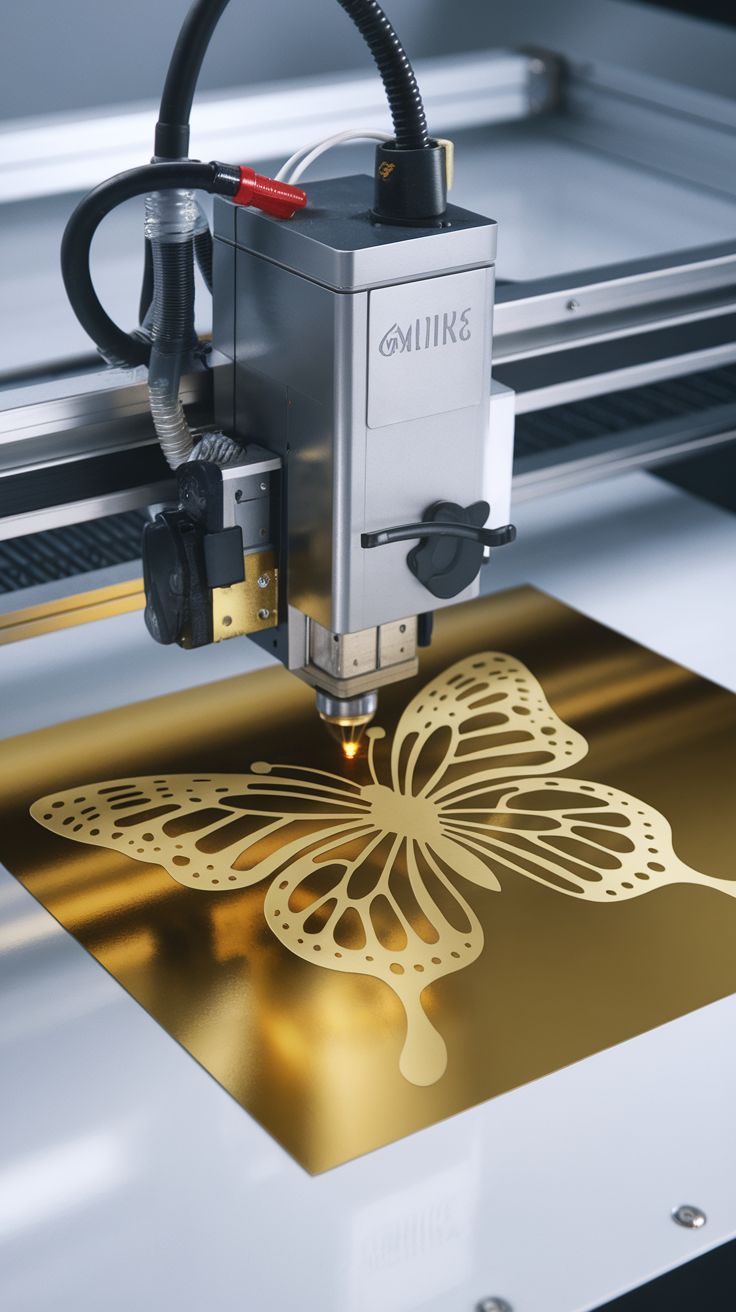
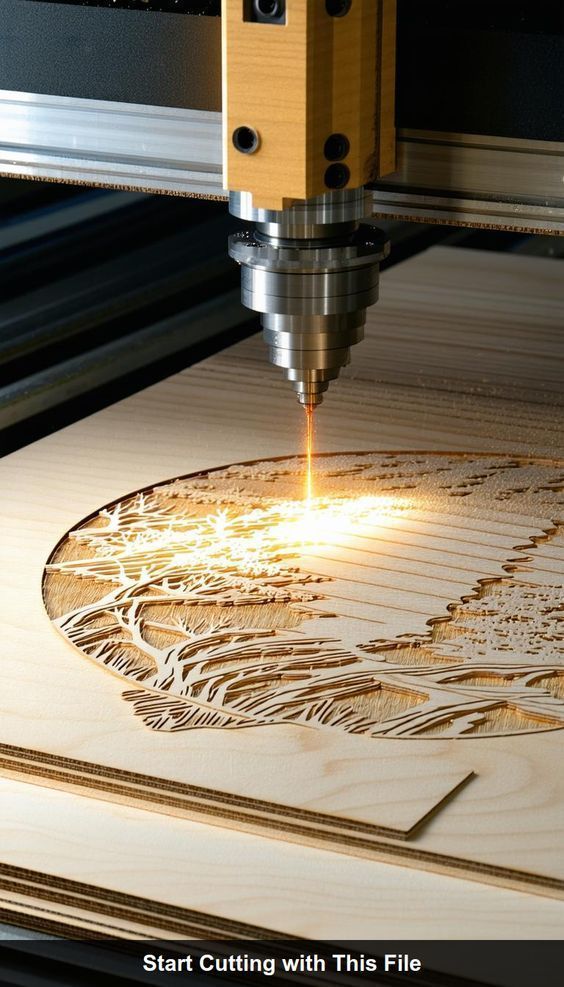
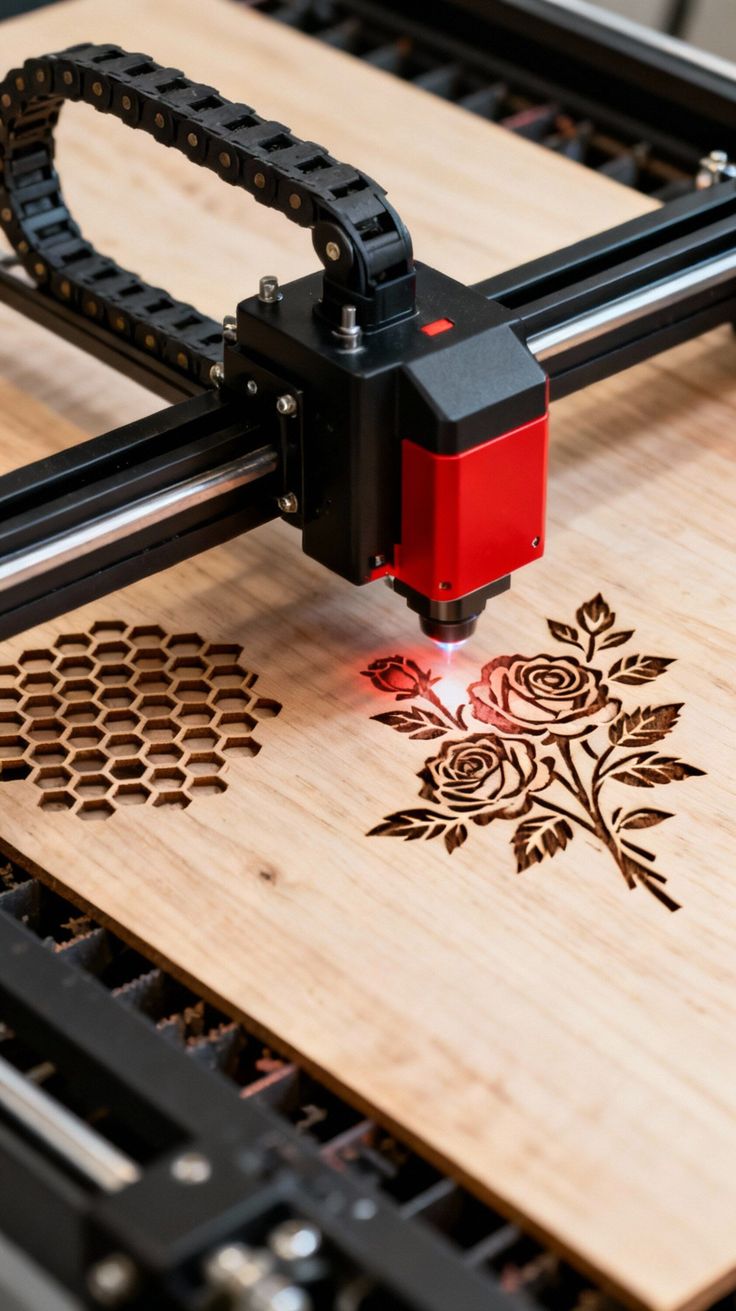
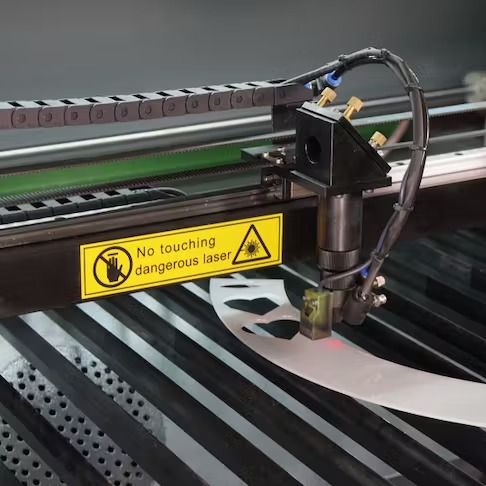
Laser cutting and die cutting represent fundamentally different approaches to material processing, each with distinct advantages and optimal applications. Laser cutting uses thermal energy to vaporize or melt material along computer-controlled paths, requiring no physical tooling. Die cutting employs hardened steel rules (dies) pressed through material to mechanically separate shapes. These process differences drive economic, quality, and flexibility characteristics determining appropriate selection for specific manufacturing scenarios.
The tooling requirement represents the most significant distinction. Die cutting requires custom tooling fabricated for each unique design—steel rule dies for simpler shapes, matched metal dies for precision work. Tool creation costs KES 50,000-200,000 and requires days or weeks. Laser cutting requires no tooling—designs proceed directly from digital files to production. This difference creates the primary decision factor: volume and design stability sufficient to amortize tooling costs favor die cutting, while flexibility needs favor laser cutting.
Speed and throughput characteristics differ substantially. Once tooled, die cutting processes parts rapidly—hundreds or thousands of pieces per hour with simple geometries. Laser cutting proceeds sequentially, tracing each cut path at speeds of meters per minute. For simple shapes in high volume, die cutting achieves lower per-piece costs despite tooling investment. For complex geometries or variable designs, laser cutting's flexibility outweighs speed disadvantages.
Economic Analysis and Volume Considerations
Cost crossover analysis determines optimal method for specific applications. Die cutting fixed costs (tooling) amortize over production volume; laser cutting variable costs (machine time) accumulate linearly. For a given design, calculate total costs: Die cutting total cost = tooling cost + (per-piece cost × volume); Laser cutting total cost = per-piece cost × volume. The volume where die cutting total cost falls below laser cutting indicates crossover point.
Typical crossover volumes vary by design complexity and material. Simple shapes in paper or thin materials may favor die cutting at 500-1,000 pieces. Complex designs with intricate details may never reach crossover, with laser cutting remaining economical at any volume. Thick materials or expensive substrates where laser cutting speed is slow may favor die cutting at lower volumes. Each application requires specific analysis rather than relying on rules of thumb.
Design change costs affect total economics. Die cutting requires new tooling for any design modification, incurring additional fixed costs and delays. Laser cutting accommodates design changes immediately at no fixed cost. For products evolving frequently or requiring customization, laser cutting's change flexibility provides value beyond per-piece cost comparison. Design stability over production run lifespan critically affects method selection.
| Factor | Laser Cutting | Die Cutting | Implication |
|---|---|---|---|
| Tooling Cost | None | KES 50,000-200,000 | Laser favors low volume, variable designs |
| Setup Time | Minutes to hours | Days to weeks | Laser enables rapid response |
| Per-Unit Cost | Higher | Lower at volume | Die cutting wins at high volume |
| Design Complexity | Unlimited | Limited by tooling | Laser handles intricate designs |
| Design Changes | Immediate, no cost | New tooling required | Laser favors evolving products |
| Material Thickness | Up to 25mm (laser dependent) | Up to 50mm+ | Die cutting favors thick materials |
| Edge Quality | Excellent, sealed | Good, mechanical cut | Laser superior for visible edges |
| Precision | ±0.05-0.1mm | ±0.1-0.25mm | Laser higher precision |
Quality and Capability Comparison
Edge quality characteristics differ meaningfully. Laser cutting seals edges of synthetic materials and wood, preventing fraying and eliminating finishing requirements. Die cutting produces mechanical shear edges that may require secondary finishing for premium appearance. Acrylic laser cutting achieves flame-polished edges impossible with die cutting. For visible edges and premium products, laser cutting quality often justifies cost premiums.
Precision and tolerance capabilities favor laser cutting for most applications. Laser systems maintain ±0.05-0.1mm positioning accuracy; die cutting tolerances typically ±0.1-0.25mm depending on die quality and material. For precision assemblies, laser cutting ensures fit without adjustment. However, precision metal dies with pressure control can achieve tolerances matching laser cutting for appropriate materials and thicknesses.
Material versatility shows mixed comparison. Laser cutting handles diverse materials—acrylic, wood, fabric, leather, paper, thin metals—from single equipment platform. Die cutting accommodates various materials but may require different die designs or cutting pressures for optimal results. Very thick materials (over 6mm) or extremely thin, delicate materials may favor die cutting or specialized laser systems.
Detail resolution and geometry capabilities strongly favor laser cutting. Internal corners sharp as laser beam width (0.1-0.3mm), intricate cutouts, and complex curves execute readily. Die cutting limited by steel rule bending radius (typically 0.5-1mm minimum) and structural integrity of die components. Designs with fine details or complex geometry may be impossible to die cut or require prohibitively expensive tooling.
Production Flexibility and Agility
Product variety and customization strongly favor laser cutting. Single machine processes unlimited designs without changeover beyond file loading. Mass customization—individualized products at scale—becomes economically feasible. Die cutting requires dedicated tooling per design, making variety expensive and low-volume customization impractical. Businesses offering customized or frequently changing products require laser cutting flexibility.
Prototype and development phases clearly favor laser cutting. Design iteration proceeds immediately without tooling delays or costs. Market testing with actual products validates designs before production commitment. Die cutting prototype tooling (temporary or soft tooling) exists but adds cost and time compared to laser cutting immediacy. Most product development utilizes laser cutting until design finalization and volume justification.
Scalability characteristics differ significantly. Laser cutting scales through additional machine hours—adding shifts or equipment increases capacity incrementally. Die cutting scales through additional tooling and presses, with larger capital steps. For uncertain demand, laser cutting's incremental scalability reduces risk. For proven high-volume demand, die cutting's throughput efficiency rewards dedicated tooling investment.
Specific Application Guidance
Packaging applications show method competition. Folding cartons, labels, and paperboard packaging at high volume (10,000+ units) typically favor die cutting for speed and cost. However, short-run custom packaging, prototypes, or packaging with intricate windows and details may favor laser cutting. Corrugated packaging for heavy products often uses die cutting for structural integrity in thick materials.
Signage and graphics increasingly favor laser cutting despite higher per-piece costs. The flexibility to customize per project, handle diverse materials, and achieve premium edge quality justifies laser cutting for most signage applications. Very high volume standardized signage (parking signs, regulatory signs) may use die cutting or punching, but commercial and architectural signage predominantly uses laser cutting.
Textile and leather goods method selection depends on volume and detail. High-volume apparel components (garment patterns) traditionally use die cutting for speed. However, intricate details, customization, and short fashion cycles increasingly favor laser cutting. Accessories and leather goods with detailed designs or customization requirements predominantly use laser cutting.
Industrial gaskets and components traditionally used steel rule die cutting for volume production. However, laser cutting gains ground for prototype production, custom shapes, and materials difficult to die cut (thick compressibles, fragile materials). The ability to cut single pieces economically enables just-in-time inventory and customization for specific equipment.
Hybrid Approaches and Optimization
Combined methods leverage advantages of both technologies. Laser cutting produces prototype and low-volume production while demand establishes; die cutting tooling created once volume justifies investment. This staged approach optimizes economics across product lifecycle. Some products maintain laser cutting for complex features while using die cutting for simple high-volume components.
Nesting and material optimization differs between methods. Laser cutting software optimizes nesting dynamically per job. Die cutting uses fixed tool layouts with material efficiency determined by die design. For expensive materials, laser cutting's dynamic nesting may offset per-piece cost disadvantages through material savings. Material cost proportion of total cost influences method economics.
Finishing requirements affect total cost comparison. Die cutting may produce edges requiring deburring, cleaning, or other finishing. Laser cutting may eliminate finishing for some materials (sealed edges) or require different finishing (edge polishing acrylic). Total process cost including finishing provides accurate comparison rather than cutting cost alone.
Luna Graphics offers both laser cutting and consultation on die cutting for appropriate applications. Our technical team analyzes project requirements—volume, design complexity, material, quality standards—to recommend optimal manufacturing approaches. We maintain relationships with die cutting providers for high-volume projects where tooling investment is justified, ensuring clients receive most cost-effective solutions regardless of method. Contact us to discuss your production requirements and discover the optimal cutting strategy for your manufacturing needs.
Written by Ian Love
Marketing Director
Professional contributor at Luna Graphics specializing in printing and branding solutions.