
The Importance of Table Details
Reception tables where guests spend most of wedding celebration time deserve attention to detail. Table numbers and place cards serve essential organizational functions—directing guests to seats, identifying tables, facilitating service—while contributing significantly to tablescape aesthetics. These small elements, when well-designed and fabricated, elevate overall event quality and demonstrate couple's attention to guest experience.
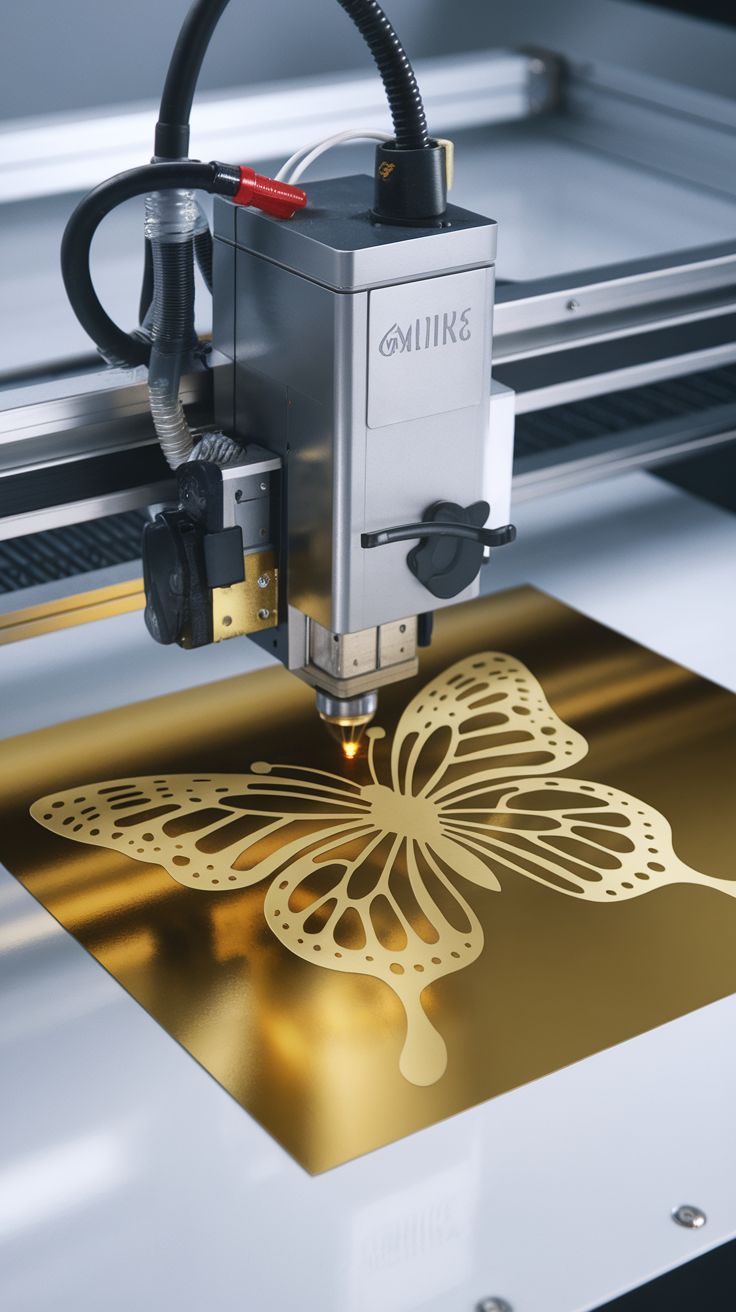
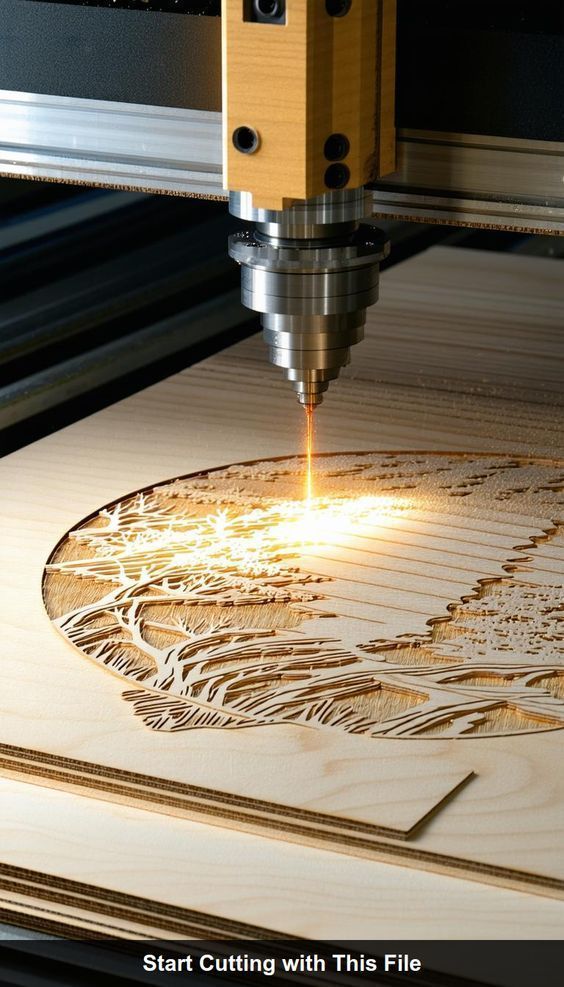
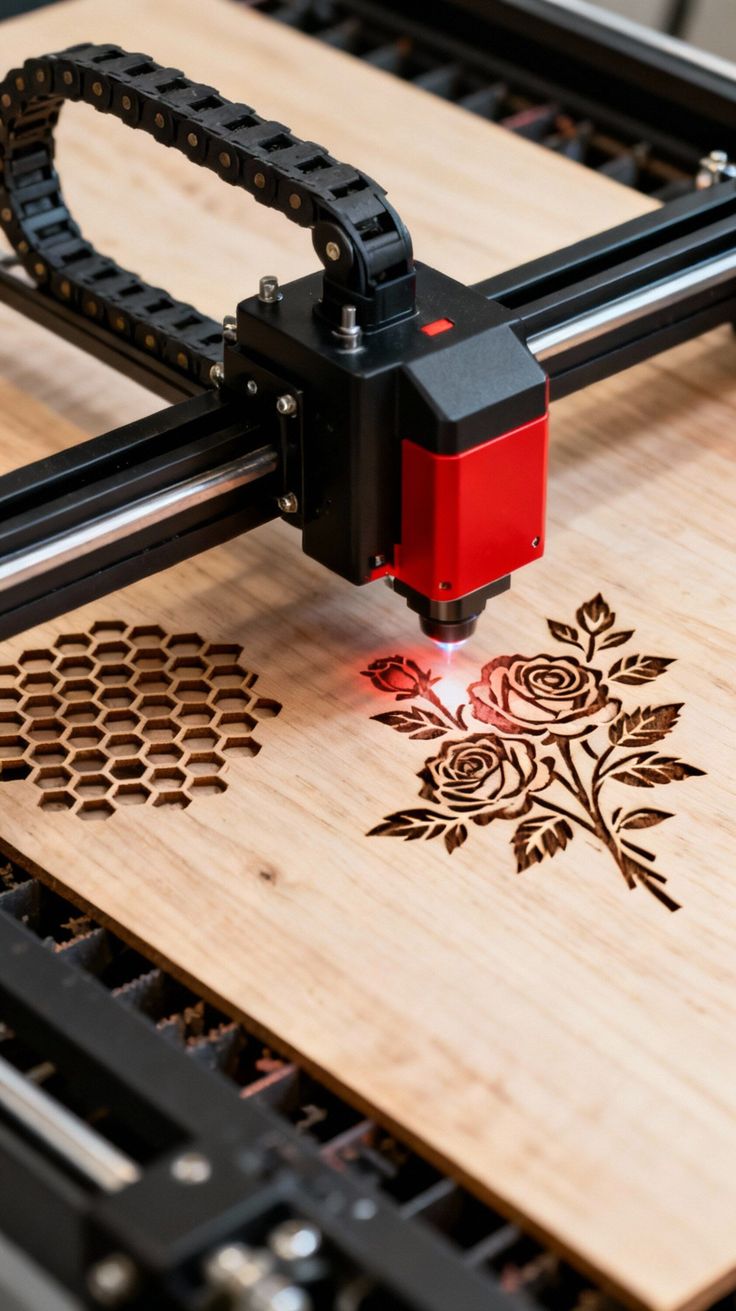
Laser cutting enables precision and consistency across numerous small pieces. Table numbers for 20+ tables and place cards for 100+ guests require uniformity difficult to achieve manually. Laser cutting reproduces designs exactly, ensuring each piece matches the design vision. This consistency creates polished, professional appearance across all tables.
Material versatility allows coordination with overall wedding design. Acrylic for modern elegance; wood for rustic warmth; metal for industrial chic; cardstock for classic refinement. Laser cutting processes these materials with appropriate detail scale and finish quality. Material selection should complement centerpieces, linens, and venue architecture.
Table Number Design and Fabrication
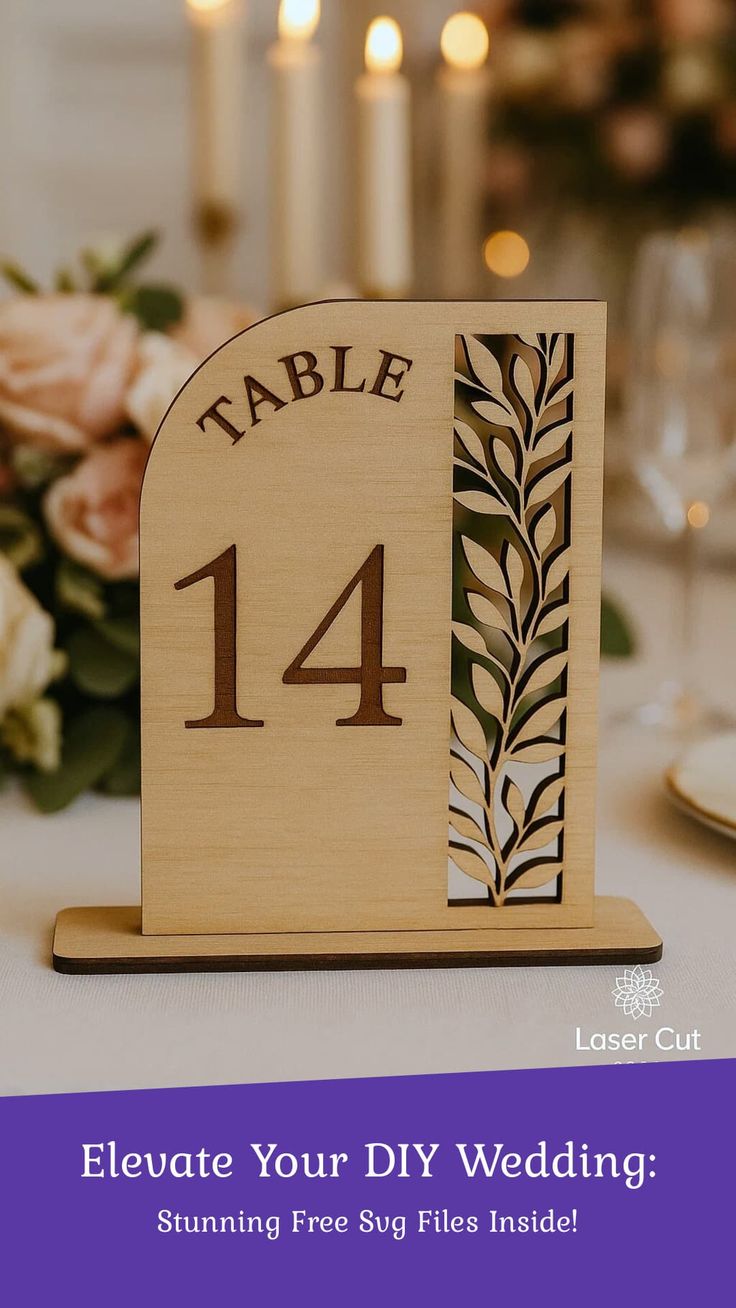
Freestanding table numbers stand independently on tables without additional holders. Laser-cut bases support number panels; solid shapes stand without bases; weighted bottoms prevent tipping. Heights typically 150-250mm ensure visibility above centerpiece elements without obstructing views across tables. Stability testing essential for various table surfaces.
Hanging or elevated table numbers suit tall centerpieces or suspended décor. Laser-cut numbers hang from floral arrangements, chandeliers, or dedicated stands; elevated posts rise above table level; integrated with centerpiece structures. These approaches free table surface space while maintaining visibility.
Flat or card-style table numbers lean against centerpieces or rest in holders. Simple cut shapes from acrylic or wood; cardstock numbers in stands; layered constructions adding dimension. These economical options suit budget-conscious weddings or tables where elaborate numbers would compete with décor.
Integrated table numbers combine with other table elements. Numbers incorporated into menu cards, centerpiece bases, or charger plates; dual-purpose items reducing piece count; cohesive design across table elements. Integration requires planning but creates sophisticated, uncluttered tablescapes.
| Style | Materials | Height/Size | Best For |
|---|---|---|---|
| Freestanding | Acrylic, Wood, Metal | 150-250mm | Standard tables, visibility |
| Hanging | Acrylic, Wood, Light materials | Variable | Tall centerpieces, suspended |
| Card/Flat | Cardstock, Thin acrylic | 100-150mm | Budget, simple elegance |
| Integrated | Various | Variable | Cohesive design, minimalism |
| Illuminated | Acrylic, LED base | 150-200mm | Evening, dramatic effect |
Place Card and Escort Card Fabrication
Individual place cards designate specific seats at tables. Traditional tented cards fold to stand; flat cards in holders or clips; creative shapes (leaves, flowers, geometric forms) reflecting themes. Laser cutting enables intricate shapes and precise lettering difficult with handwriting or printing alone. Paper and cardstock most common; acrylic or wood for premium applications.
Escort cards (displayed at entrance directing guests to tables) may match or coordinate with place cards. Display boards with guest names and table numbers; individual cards arranged alphabetically; creative displays (hanging, floral integrated) becoming décor elements. Consistent design language connects escort and place card systems.
Seating chart alternatives to individual cards display all assignments together. Large boards or panels listing tables and guests; mirror or acrylic charts; digital displays with printed backup. These approaches reduce paper use and simplify last-minute changes. Laser cutting creates chart structures and decorative frames.
Calligraphy and lettering styles set tone. Script fonts suggest formality and romance; sans-serif modern simplicity; serif classic elegance. Laser engraving or cutting achieves consistent lettering regardless of length or complexity. Font size ensures readability at viewing distance.
Tablescape Integration
Scale relationships between table elements create visual harmony. Table numbers should relate to centerpiece height and mass; place cards proportionate to charger plates or place settings; all elements balanced across table surface. Oversized or undersized pieces disrupt composition. Design should consider table size and guest count affecting available space.
Color coordination unifies table design. Acrylic colors matching or complementing florals; wood tones coordinating with venue finishes; metallics reflecting flatware or candlelight. Consistent color palette across all table elements creates intentional, designed appearance rather than assembled look.
Texture and material variety add interest within cohesion. Combining smooth acrylic with textured linen; matte wood with glossy ceramics; metallic accents with natural elements. Laser-cut pieces contribute their material texture to this layering. Balance of similarity and contrast creates visual interest.
Photography considerations influence design. Table details photographed during reception; elements should read clearly in images; materials should not create glare or color casts; arrangements should appear balanced from typical photography angles. These practical considerations inform design decisions.
Production and Logistics
Guest list finalization timing affects production schedules. Place cards require confirmed names and spellings; last-minute changes costly and stressful. Buffer time between RSVP deadline and production start accommodates late responses; digital proofs prevent spelling errors; extra blanks allow on-site corrections.
Quantity calculations include extras for damage and changes. Order 10-15% extra table numbers for potential loss or damage; additional place cards for late additions or spelling corrections; backup seating chart if used. These extras prevent crisis when issues inevitably arise.
Assembly and packaging for event setup efficiency. Table numbers organized by table; place cards alphabetized or by table; clear labeling for setup staff; protective packaging preventing damage in transport. Thoughtful preparation ensures smooth setup and reduces wedding-day stress.
Rental versus purchase decisions affect design and material. Rental items must be durable and generic enough for multiple uses; purchased items can be more personalized and delicate; keepsake quality for guests taking place cards home. These decisions influence material selection and construction.
Luna Graphics produces table numbers and place cards for Kenyan weddings with attention to detail that elevates reception tables. Our precision cutting ensures consistency across hundreds of pieces; our material selection advice ensures coordination with overall design; our production reliability ensures on-time delivery for immovable event dates. Whether you need simple elegance or elaborate detail, contact us to perfect your reception table details.
Written by Ian Love
Marketing Director
Professional contributor at Luna Graphics specializing in printing and branding solutions.