Sustainability in Event Production
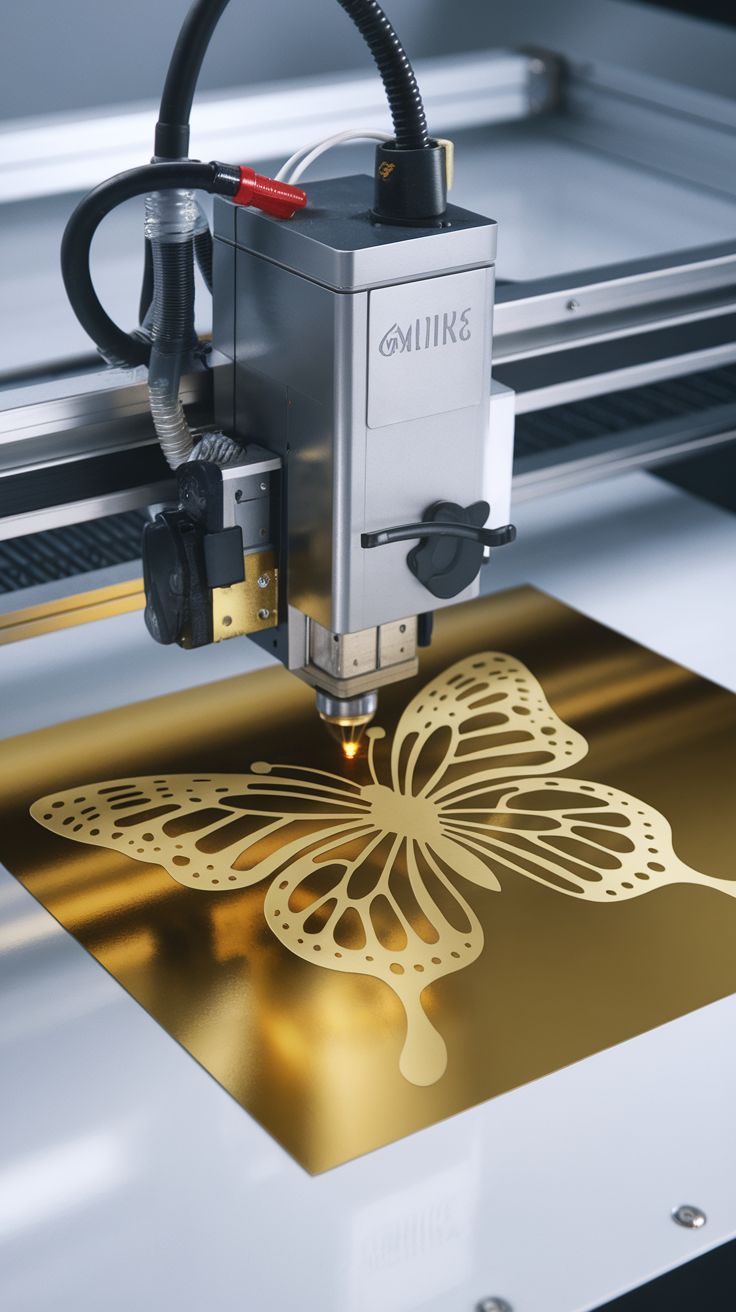
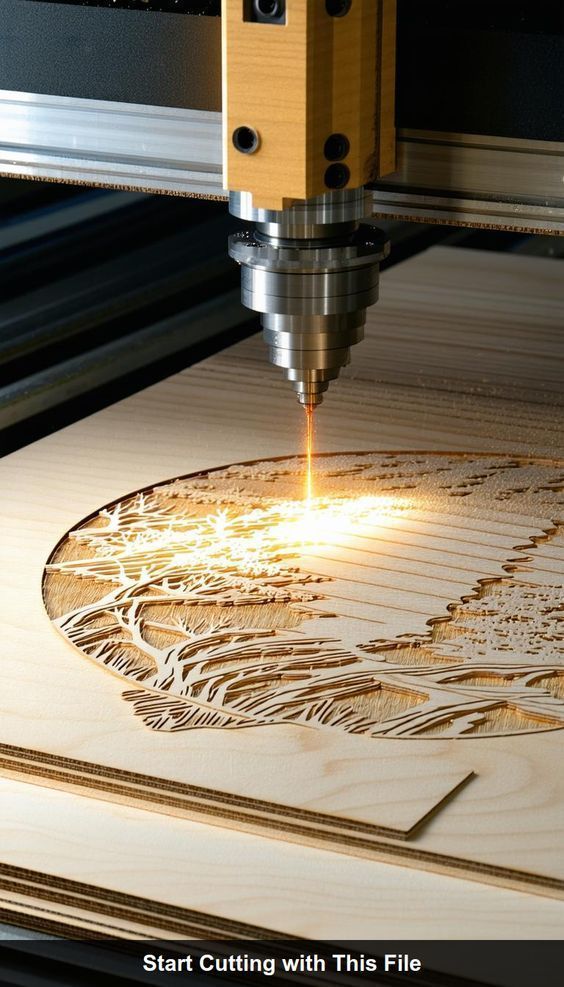
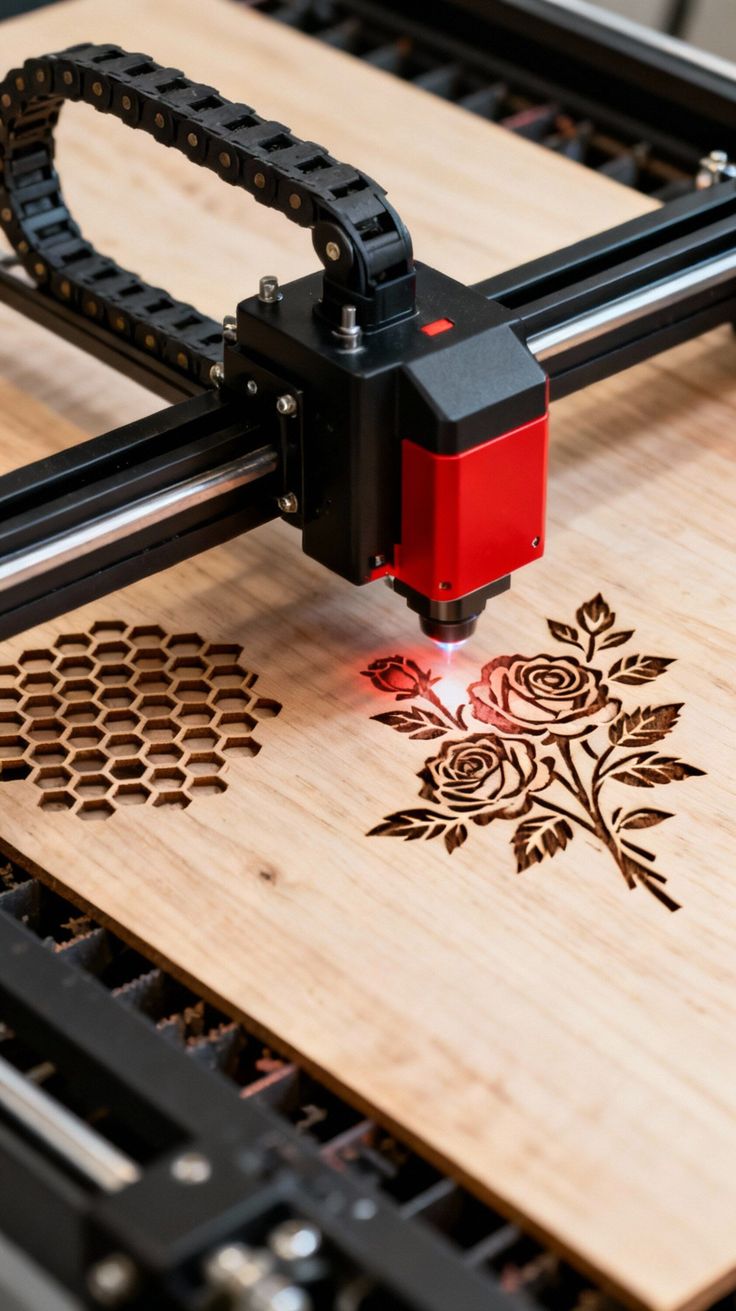
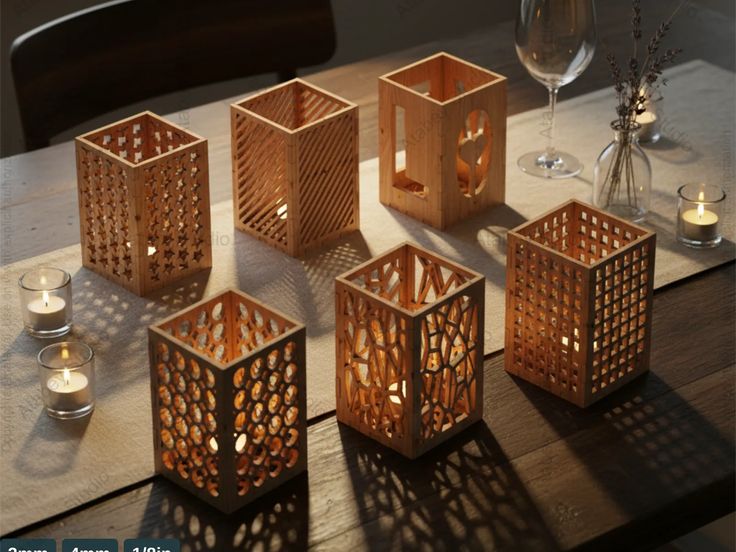
Event industry environmental impact has come under increasing scrutiny, with single-use decorations contributing significantly to waste streams. Reusable event décor addresses this concern while often improving event quality through investment in durable, well-designed elements. Laser cutting facilitates reusable décor through durable material processing, modular design enabling reconfiguration, and precision ensuring longevity through multiple uses.
The economics of reusability favor quality investment. Single-use items appear cheaper initially but accumulate costs through repeated purchases; reusable items require higher initial investment but amortize across multiple events. For event professionals with recurring programs, reusable inventory becomes asset generating returns. Laser cutting's precision ensures these investments maintain quality through repeated use.
Design for reusability requires different thinking than single-use design. Durability specifications exceed single-event needs; modularity enables adaptation to different venues and themes; storage and transport efficiency matter; cleaning and maintenance procedures ensure longevity. These considerations influence material selection, construction methods, and design details.
Materials for Reusable Décor
Acrylic offers durability and appearance retention through multiple uses. Impact-modified grades resist breakage; UV-stabilized colors prevent fading; polished edges maintain clarity. Acrylic wipes clean easily between events; scratches may be polished out; transparency unaffected by age. These properties suit signage, decorative elements, and structural components.
Wood and plywood provide warmth and repairability. Hardwood elements develop character with use; damage can be sanded and refinished; modular designs allow component replacement. Quality plywood with edge sealing withstands handling; joinery methods (mortise and tenon, screws) enable disassembly and repair. Wood suits rustic, natural, or premium themes.
Metals offer maximum durability for high-use inventory. Aluminum lightweight and corrosion-resistant; steel strong for structural elements; finishes (powder coat, anodize) resist wear. Metal elements withstand rough handling, outdoor exposure, and intensive cleaning. Higher initial cost justified by extreme longevity.
Engineered composites combine properties for specific applications. Aluminum composite panels (ACM) rigid and flat; phenolic composites extremely durable; recycled plastic lumber weather-resistant. These materials solve specific durability challenges though may have aesthetic limitations.
| Material | Durability | Maintenance | Best Applications | Lifecycle |
|---|---|---|---|---|
| Acrylic | High, impact modified | Clean, polish scratches | Signage, decorative | 5-10 years |
| Hardwood | High, repairable | Refinish, repair | Structural, premium | 10+ years |
| Plywood | Moderate, replaceable | Edge sealing, paint | General construction | 3-5 years |
| Aluminum | Very high | Clean, touch up | Structural, outdoor | 15+ years |
| Steel | Very high, heavy | Prevent rust, paint | Heavy structure, bases | 20+ years |
| Composites | Very high | Clean, minimal | Specific applications | 10+ years |
Modular and Reconfigurable Design
Standardized components enable multiple configurations. Basic panels, posts, and connectors combine into various structures—backdrops, arches, room dividers. Inventory investment concentrates in versatile components rather than single-purpose pieces. Design system includes connection methods, dimension standards, and assembly instructions.
Interchangeable graphics update appearance without replacing structure. Printed or laser-cut panels insert into standard frames; magnetic or clip attachment enables quick change; different graphic sets transform appearance for different events. This approach separates durable structure from consumable graphics.
Scalable systems accommodate different event sizes. Modular components assemble in various scales—small configurations for intimate events, large assemblies for galas. Inventory flexibility serves diverse client needs without redundant pieces. Design planning includes size variation capabilities.
Flat-pack design facilitates storage and transport. Components disassemble or fold compactly; standardized cases protect inventory; efficient packing reduces logistics costs. Design for flat-pack may constrain aesthetic options but enables practical inventory management.
Rental Inventory Management
Inventory tracking systems manage reusable assets. Item identification, condition recording, and location tracking prevent loss and enable maintenance scheduling. Barcode or RFID systems automate tracking for large inventories. Software manages availability, reservations, and billing.
Maintenance protocols preserve appearance and function. Cleaning procedures for each material type; inspection checklists identifying wear; repair or replacement criteria; refurbishment schedules. Preventive maintenance extends inventory life and prevents event-day failures.
Storage systems protect inventory between uses. Climate control preventing material degradation; organized racking enabling efficient retrieval; protective wrapping preventing damage; security preventing theft. Storage costs factor into reusable economics but protect investment.
Transport logistics affect reusability economics. Vehicle requirements; loading/unloading procedures; on-site handling; return transport. Efficient logistics reduce costs and damage. Some operations use dedicated transport; others use common carriers or client pickup.
Design Strategies for Longevity
Timeless design transcends trend cycles. Classic forms, neutral colors, and quality materials avoid obsolescence. Trend-dependent design requires frequent inventory turnover negating reusability benefits. Invest in enduring aesthetics for core inventory; trend elements as replaceable graphics or accessories.
Robust construction withstands handling abuse. Joint reinforcement; impact-resistant corners; protective edges; secure fasteners. Design anticipates rough handling by rental customers and event staff. Over-engineering durability reduces maintenance and replacement costs.
Repairability enables component replacement rather than total loss. Modular construction allowing single piece replacement; standard connection methods; available replacement parts; repair documentation. Design for repair extends effective inventory life indefinitely.
Cleaning compatibility ensures appearance retention. Materials and finishes resisting staining; smooth surfaces enabling wipe-clean; detachable fabric elements for laundering; chemical resistance to cleaning agents. Easy cleaning encourages proper maintenance and rapid turnaround between events.
Luna Graphics designs and fabricates reusable event décor for Kenyan rental companies and event venues. Our understanding of durability requirements, modular design principles, and inventory management informs fabrication optimizing long-term value. Whether building rental inventory or creating permanent venue installations, we deliver sustainable solutions reducing event industry environmental impact. Contact us to discuss reusable event décor development.
Written by Ian Love
Marketing Director
Professional contributor at Luna Graphics specializing in printing and branding solutions.