
Wood Laser Cutting Advantages and Characteristics
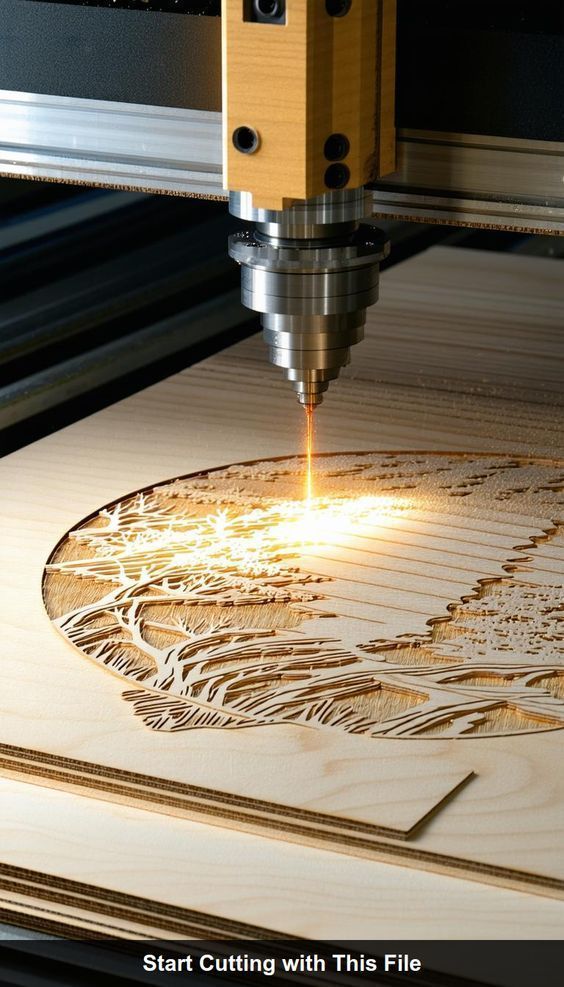
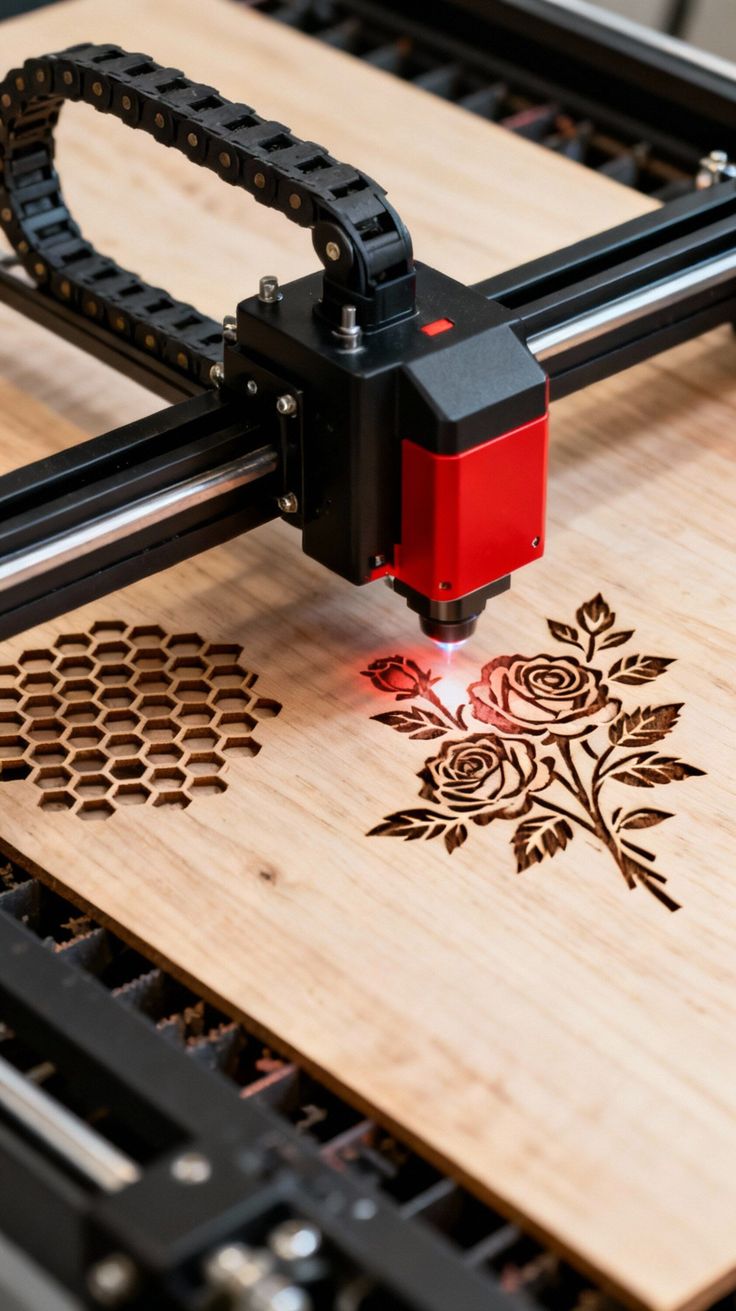
Laser cutting wood and wood products combines traditional material warmth with digital precision, enabling designs impossible with conventional woodworking. The thermal cutting process seals edges, reducing splintering and eliminating need for edge banding in many applications. Intricate details, tight internal corners, and complex curves execute consistently without tooling costs or setup time. These capabilities make laser cutting ideal for custom furniture components, architectural models, decorative elements, and personalized products.
However, wood's natural variability presents challenges absent in synthetic materials. Density variations, grain patterns, moisture content, and glue lines (in engineered woods) affect cutting behavior and results. Understanding these variables and selecting appropriate materials enables predictable, high-quality outcomes. Success requires matching material characteristics to application requirements and optimizing parameters for specific wood types.
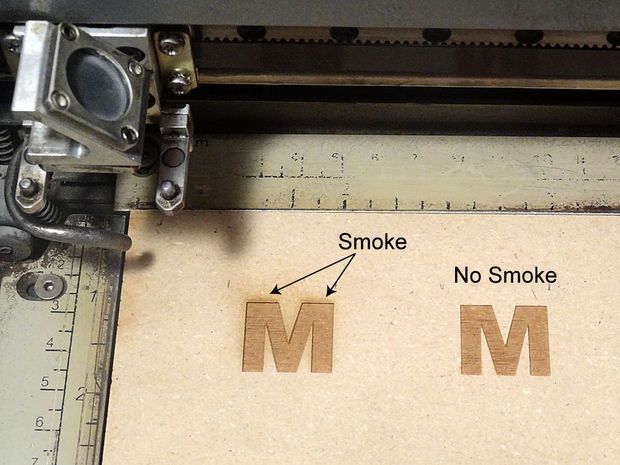
The laser cutting process with wood involves vaporization of cellulose and lignin, with some charring inevitable due to carbon content. Edge appearance ranges from light tan to dark brown depending on wood type, density, and cutting parameters. This charring can be aesthetic asset (rustic appearance) or liability requiring finishing, depending on application. Parameter optimization minimizes unwanted charring while ensuring clean through-cutting.
Material Selection for Laser Cutting
Birch plywood stands as the premium choice for laser cutting, offering consistent quality, attractive edges, and reliable processing. Baltic birch plywood uses solid birch veneers throughout (no filler woods) with exterior-grade adhesive, producing clean cuts with attractive layered edge patterns. Thicknesses from 3mm to 12mm suit diverse applications, with 6mm most common for general fabrication. Quality grades vary—B/BB grade offers good face quality for visible applications, while lower grades suit painted or structural uses.
MDF (medium-density fiberboard) provides economical, uniform material ideal for painted applications and detailed cutting. The homogeneous composition cuts consistently without grain direction effects or voids. However, MDF edges show characteristic brown color and slightly fuzzy texture requiring sealing or painting for premium appearance. Density affects cutting—standard MDF cuts easily while high-density varieties require more power. Formaldehyde emissions during cutting require adequate ventilation.
Natural solid woods offer unique aesthetics but variable cutting characteristics. Softwoods (pine, cedar, fir) cut easily with minimal charring, suitable for prototyping and rustic applications. Hardwoods (oak, maple, walnut, mahogany) produce premium appearance but require slower cutting and show more edge darkening. Wood grain direction affects cut quality—cutting across grain may produce rougher edges than cutting with grain. Moisture content critically affects cutting; kiln-dried wood (8-12% moisture) performs predictably while green wood cuts poorly.
| Wood Type | Cut Quality | Best Applications | Key Considerations |
|---|---|---|---|
| Birch Plywood | Excellent, layered edges | Models, signage, furniture | Quality grades vary, check for voids |
| MDF | Good, uniform edges | Painted items, detailed work | Fuzzy edges, formaldehyde ventilation |
| Pine/Softwoods | Good, light charring | Prototypes, rustic decor | Resin pockets may flare, soft dents easily |
| Oak/Hardwoods | Excellent, dark edges | Premium products, gifts | Slow cutting, expensive, beautiful grain |
| Bamboo | Good, distinct look | Eco-friendly products | Variable density, can splinter |
| Cork | Excellent, clean edges | Gaskets, crafts, insulation | Very fast cutting, low density |
| Veneered MDF | Excellent face, MDF edges | Fine furniture, cabinetry | Glue lines visible, premium appearance |
Cutting Parameters and Optimization
Power and speed settings balance cut quality against throughput. Higher power enables faster cutting but increases charring; lower power reduces charring but risks incomplete penetration. Optimal settings vary by wood density, thickness, and moisture content. Testing on material samples establishes baseline parameters adjusted for specific results. Air assist (compressed air through cut zone) reduces charring and prevents flaming—essential for wood cutting safety and quality.
Multiple pass techniques improve thick material cutting. Rather than single high-power pass that chars excessively, two or three lower-power passes achieve through-cutting with cleaner edges. This approach particularly benefits hardwoods and thick plywood (over 9mm). Total processing time increases but quality improvements justify the trade for visible applications.
Focus position affects cut quality in wood cutting. Standard surface focus works for most applications, but slight defocusing (raising focal point above surface) can reduce surface charring while maintaining penetration. This technique spreads beam energy reducing peak intensity at surface. Experimentation with focus position optimizes appearance for specific materials and applications.
Material preparation improves consistency. Sealing wood surfaces with light lacquer or masking tape reduces surface charring around cut lines, though edges still show thermal effects. Ensuring flat, stable material prevents focus variation across cutting bed. Removing excessive moisture through proper storage prevents steam generation during cutting that disrupts cut quality.
Design Techniques for Wood Laser Cutting
Kerf compensation ensures dimensional accuracy. Laser kerf in wood (typically 0.15-0.25mm depending on power and material) means cut parts are smaller than design dimensions. For precision assemblies, design must compensate by half kerf width per side. Testing fit with sample cuts calibrates compensation for specific materials and parameters.
Living hinges enable flexible wood constructions. Specific cut patterns (perforated lines or lattice structures) create flexible sections in otherwise rigid material, allowing flat-packed designs to fold into three-dimensional forms. Parameters must balance flexibility (sufficient material removal) against strength (adequate material remaining). Living hinges work best with thinner materials (3-6mm) and flexible wood species.
Tab and slot construction facilitates assembly without fasteners. Slots cut to material thickness accept tabs from joining pieces, creating friction-fit or glued assemblies. Tolerance must account for kerf width and material thickness variation—slight interference (0.1-0.2mm) ensures snug fit without forcing. Design registration features (alignment pins or asymmetric joints) ensure proper assembly orientation.
Grain direction consideration affects both aesthetics and strength. For visible edges, orienting grain vertically presents attractive edge patterns in plywood. For structural components, grain direction affects strength—loading across grain is weaker than with grain. In layered plywood, grain alternates between layers providing balanced strength, but solid wood requires grain orientation consideration in design.
Applications and Project Types
Architectural models benefit from laser cutting precision and material efficiency. Scale building components, landscape features, and detail elements cut from wood or MDF with accuracy impossible manually. Layered construction creates three-dimensional forms from two-dimensional cuts. Material efficiency through nesting reduces costs for model-making, while speed enables iterative design development.
Furniture and product design utilizes laser cutting for components, inlays, and decorative elements. Flat-pack furniture designs cut from plywood assemble without hardware using interlocking joints. Decorative screens and room dividers feature intricate patterns cut from wood sheets. Product prototypes validate designs before tooling investment. These applications combine wood's warmth with digital fabrication precision.
Signage and branding applications leverage wood's premium appearance. Corporate logos, wayfinding systems, and retail fixtures in wood convey quality and sustainability. Laser engraving combined with cutting creates detailed graphics and text. Finishing with stains, oils, or clear coats protects and enhances natural wood beauty.
Educational and craft applications include puzzles, educational models, and decorative items. The accessibility of laser cutting enables small businesses and makers to produce wood products previously requiring extensive tooling. Personalized items—name signs, coasters, ornaments—command premium pricing due to customization.
Finishing and Post-Processing
Edge treatment addresses laser charring based on application requirements. Light sanding removes surface char and smooths edges, progressing from coarse (120 grit) to fine (400 grit) for smooth finish. Edge sealing with clear lacquer, shellac, or paint prevents moisture absorption and provides consistent appearance. For rustic aesthetics, charred edges may be desirable and left untreated or lightly sealed.
Surface finishing enhances appearance and durability. Clear finishes (oil, lacquer, polyurethane) protect wood and enhance grain visibility. Stains add color while preserving grain texture. Paint provides opaque color coverage, particularly suitable for MDF with its uniform surface. Finishing should account for laser-cut edges, which may absorb finish differently than surfaces due to thermal effects.
Assembly and hardware installation require attention to material properties. Pre-drilling prevents splitting when inserting screws. Wood glue creates strong joints in plywood and MDF, though clamping during curing is essential. Mechanical fasteners should account for material thickness and avoid over-tightening that crushes wood fibers.
Luna Graphics provides expert wood and MDF laser cutting services for Kenya's design, architecture, and manufacturing communities. Our material expertise, parameter optimization, and finishing capabilities ensure your wood projects achieve the warmth of natural materials with the precision of digital fabrication. From architectural models through production furniture components, contact us to discuss how laser cutting can realize your wood design concepts.
Written by Ian Love
Marketing Director
Professional contributor at Luna Graphics specializing in printing and branding solutions.