
Textile Laser Cutting Advantages
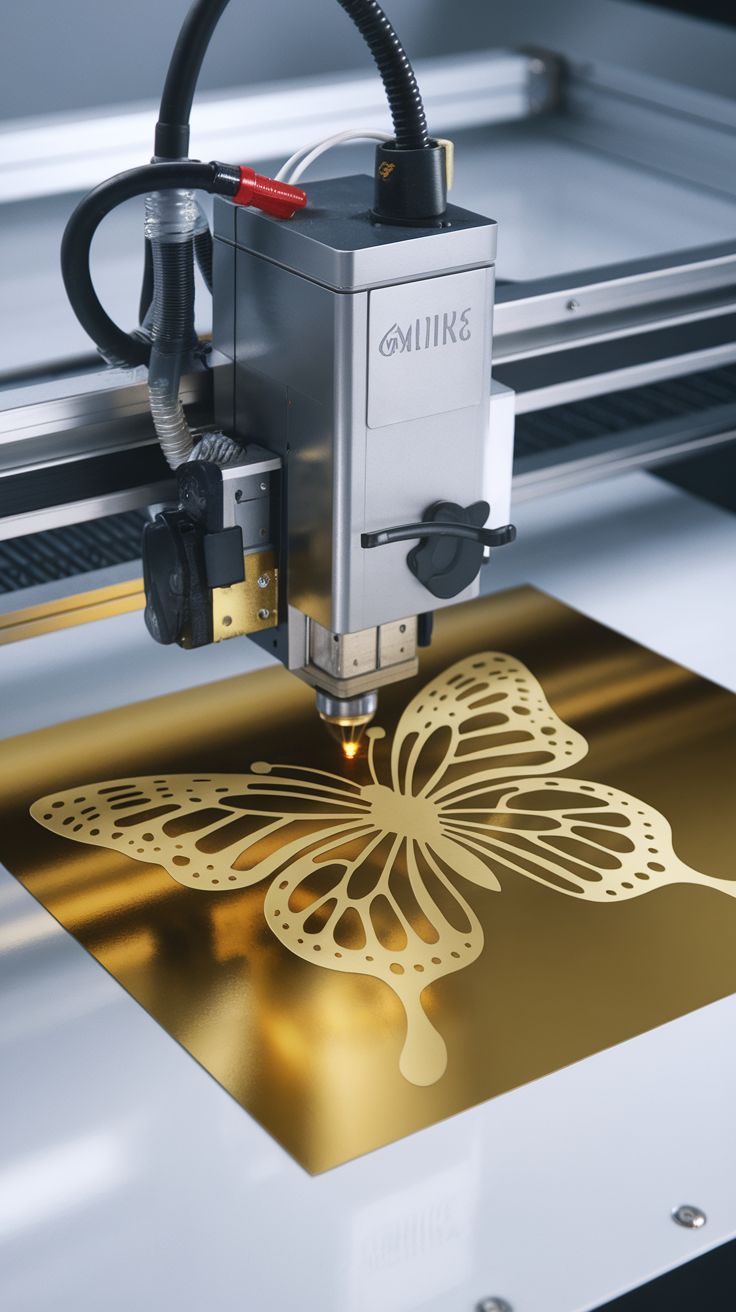
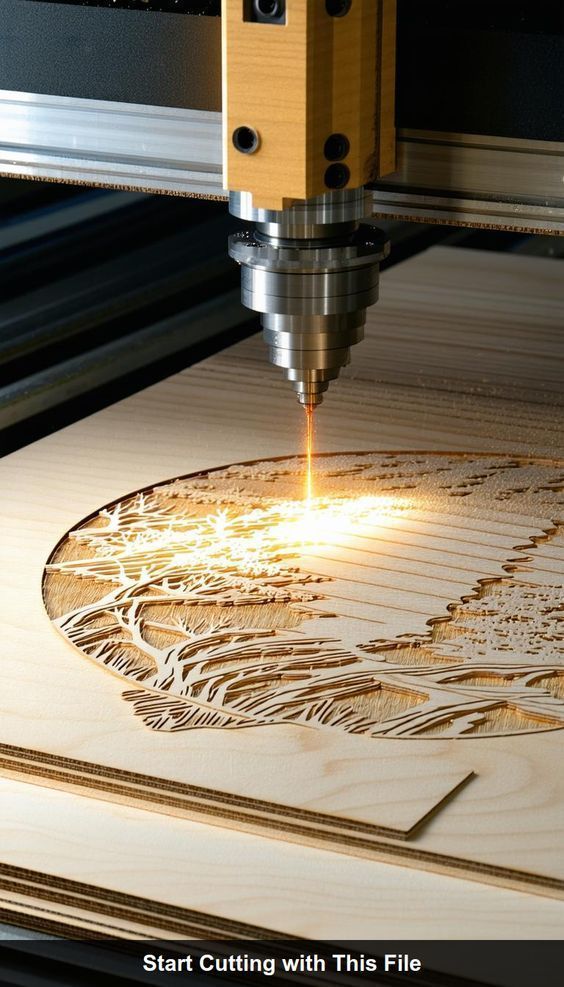
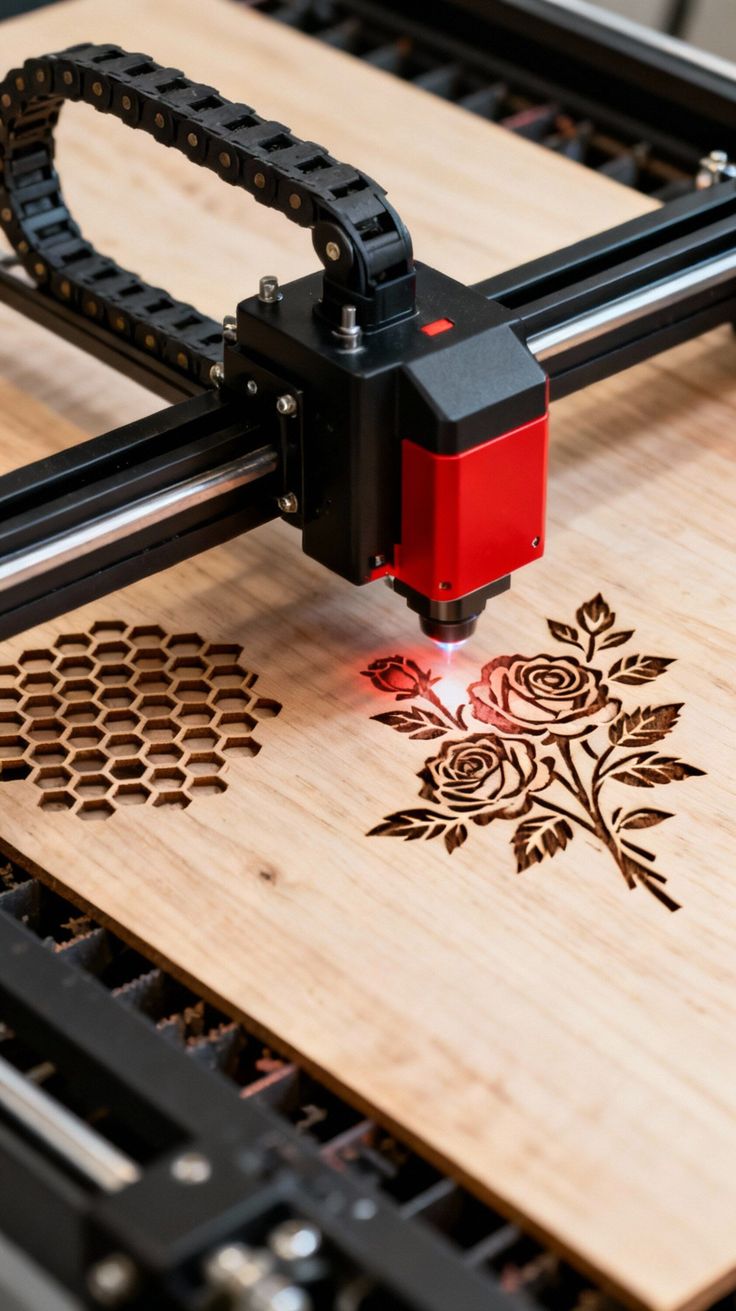
Laser cutting transforms textile and leather processing, offering capabilities impossible with traditional cutting methods. The thermal process seals edges of synthetic and natural fibers, preventing fraying and eliminating need for hemming or edge finishing in many applications. Intricate patterns, complex curves, and detailed designs execute with precision and consistency. These characteristics make laser cutting essential for fashion designers, accessory manufacturers, and interior textile applications where detail quality and production efficiency matter.
The sealed-edge effect particularly benefits synthetic fabrics and leather. As the laser cuts, it melts fiber ends, creating clean, sealed edges that resist unraveling. This characteristic enables raw-edge applications, intricate lace-like patterns, and detailed appliqué work without traditional finishing requirements. Natural fibers with synthetic blends also seal effectively; 100% natural fibers may show slight fraying but far less than mechanical cutting.
Contactless processing eliminates material distortion from cutting tool pressure. Delicate fabrics, stretchy materials, and fine leathers cut without shifting, stretching, or crushing. This precision enables detailed work on materials difficult to handle mechanically. The non-contact nature also eliminates blade maintenance and replacement, reducing operating costs and ensuring consistent cut quality over time.
Material Compatibility and Selection
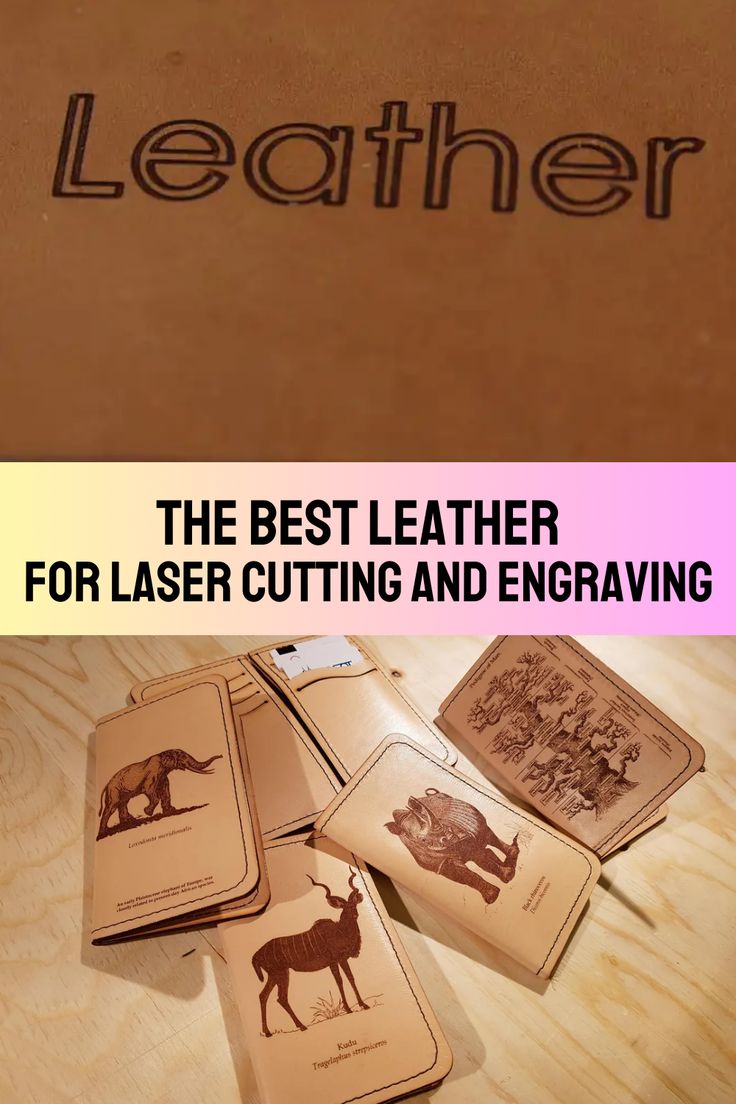
Genuine leather laser cuts beautifully, with sealed edges and distinctive darkening that can be aesthetic asset. Full-grain, top-grain, and corrected-grain leathers all process well, though thickness affects parameters. Typical fashion leather (1-2mm) cuts readily; heavier upholstery leather (3-4mm) requires more power. The laser darkens cut edges through carbonization, creating contrast that designers may embrace or minimize through parameter adjustment. Suede and nubuck cut effectively, though surface texture affects edge appearance.
Synthetic leathers (PU, PVC) vary in laser compatibility. Quality PU leather cuts cleanly with sealed edges similar to genuine leather. However, PVC-containing materials release toxic chlorine gas and should never be laser cut—always verify material composition. Some synthetic leathers contain fabric backings that may show different cutting characteristics than surface layers.
Natural fabrics including cotton, linen, silk, and wool cut effectively with sealed edges preventing fraying. Cotton and linen show slight edge darkening; silk cuts cleanly with minimal effect; wool may show slight melting. Blends with synthetic fibers (polyester, nylon) seal more effectively than 100% natural fibers. Fabric weight and weave affect cutting—tight weaves cut cleanly while loose weaves may show distortion.
| Material | Cut Quality | Edge Characteristics | Applications |
|---|---|---|---|
| Genuine Leather | Excellent | Sealed, darkened | Accessories, footwear, upholstery |
| PU Leather | Good to excellent | Sealed, slight melt | Fashion, vegan products |
| PVC Leather | Dangerous | Toxic fumes | Do not laser cut |
| Cotton | Good | Slight fraying, sealed | Apparel, home textiles |
| Polyester | Excellent | Clean sealed edge | Flags, banners, sportswear |
| Silk | Excellent | Clean, minimal effect | Luxury apparel, accessories |
| Felt | Excellent | Clean, no fraying | Crafts, insulation, hats |
| Denim | Good | Sealed, slight darkening | Apparel, accessories |
Cutting Parameters and Techniques
Power and speed settings for textiles prioritize clean sealing without excessive burning. Lower power and higher speed generally produce better results than aggressive cutting—sufficient energy to cut through without scorching surrounding material. Multiple light passes may cut thick materials cleaner than single high-power pass. Air assist (low pressure) removes smoke and debris without disturbing lightweight materials.
Material handling presents unique challenges for textiles. Lightweight fabrics require vacuum hold-down or masking to prevent shifting from air assist or laser airflow. Roll feeding systems handle continuous materials efficiently. Leather, being stiffer, lays flat more readily but may require securing to prevent warping from heat. Proper material handling ensures cut accuracy and prevents fire hazards from loose material.
Focus position affects cut quality in textiles. Precise focus at material surface produces cleanest cuts; defocusing may be used intentionally to widen seal zone for fray resistance. However, excessive defocus reduces cutting efficiency and may cause unwanted material effects. Maintaining consistent focus across material variations (thickness, texture) requires attention or auto-focus systems.
Pattern nesting and yield optimization matter significantly for expensive materials like leather. Nesting software arranges pattern pieces to minimize waste, critical for leather where material costs dominate product cost. Leather's irregular shapes and quality zones (scars, blemishes) require manual nesting or automated systems with defect detection. Fabric rolls enable efficient nesting with minimal waste between pieces.
Design Applications and Possibilities
Fashion applications include garment components, accessories, and detailing. Intricate lace patterns cut from fabric overlays create haute couture effects impossible to produce manually. Leather appliqués and cut-outs add texture and visual interest to garments. Precision cutting of pattern pieces ensures consistency across production runs. Labels, patches, and branding elements cut cleanly from leather or synthetic materials.
Accessories and leather goods benefit from laser cutting's detail capabilities. Handbags feature laser-cut patterns, perforations, and decorative edges. Footwear incorporates laser-cut uppers, inlays, and detailing. Belts, wallets, and small leather goods utilize precision cutting for consistency and intricate designs. The sealed edges reduce finishing labor, improving production economics.
Interior textiles and soft furnishings apply laser cutting for decorative panels, lampshades, and upholstery details. Room dividers and screens feature intricate patterns cut from fabric or leather. Automotive and marine upholstery utilize laser cutting for precise fitting and detailing. The technology enables customization and short runs for bespoke interior projects.
Technical textiles include gaskets, seals, filters, and industrial components. Laser cutting produces complex shapes from technical fabrics without tooling costs. Clean, sealed edges prevent fiber contamination in sensitive applications. Medical textiles, filtration media, and composite materials process effectively with parameter optimization.
Production Considerations
Multi-layer cutting increases throughput for production volumes. Multiple fabric layers stacked and cut simultaneously multiply output, though registration accuracy between layers varies. Leather is generally cut single-layer due to thickness and value. Layer count limits depend on material and laser power—typical systems handle 5-10 layers of thin fabric or single layers of heavy material.
Quality control addresses material consistency and cut verification. Natural materials show variation requiring inspection and sorting. Cut pieces require verification of complete cutting without fiber bridges, particularly for intricate patterns. Automated vision systems or manual inspection ensure quality standards. Rejected pieces may be recut if material value justifies effort.
Finishing requirements are minimal due to sealed edges, but some applications benefit from additional processing. Leather edges may be burnished or painted for premium appearance. Fabric pieces may require pressing to remove cutting marks. Assembly operations (sewing, gluing, hardware attachment) follow cutting in production workflow.
Safety considerations include fire prevention and fume extraction. Textiles are combustible; proper supervision and fire suppression systems are essential. Synthetic materials generate fumes requiring adequate ventilation. PVC-containing materials present health hazards and must be excluded. Operator training recognizes material-specific risks and appropriate responses.
Luna Graphics provides specialized textile and leather laser cutting services for Kenya's fashion, accessory, and interior design industries. Our material handling expertise, parameter optimization for diverse substrates, and quality systems ensure your textile projects achieve the precision and finish quality demanded by premium markets. From prototype development through production runs, contact us to discuss how laser cutting can enhance your textile and leather products.
Written by Ian Love
Marketing Director
Professional contributor at Luna Graphics specializing in printing and branding solutions.