
The Precision of Laser Cutting for Complex Geometry
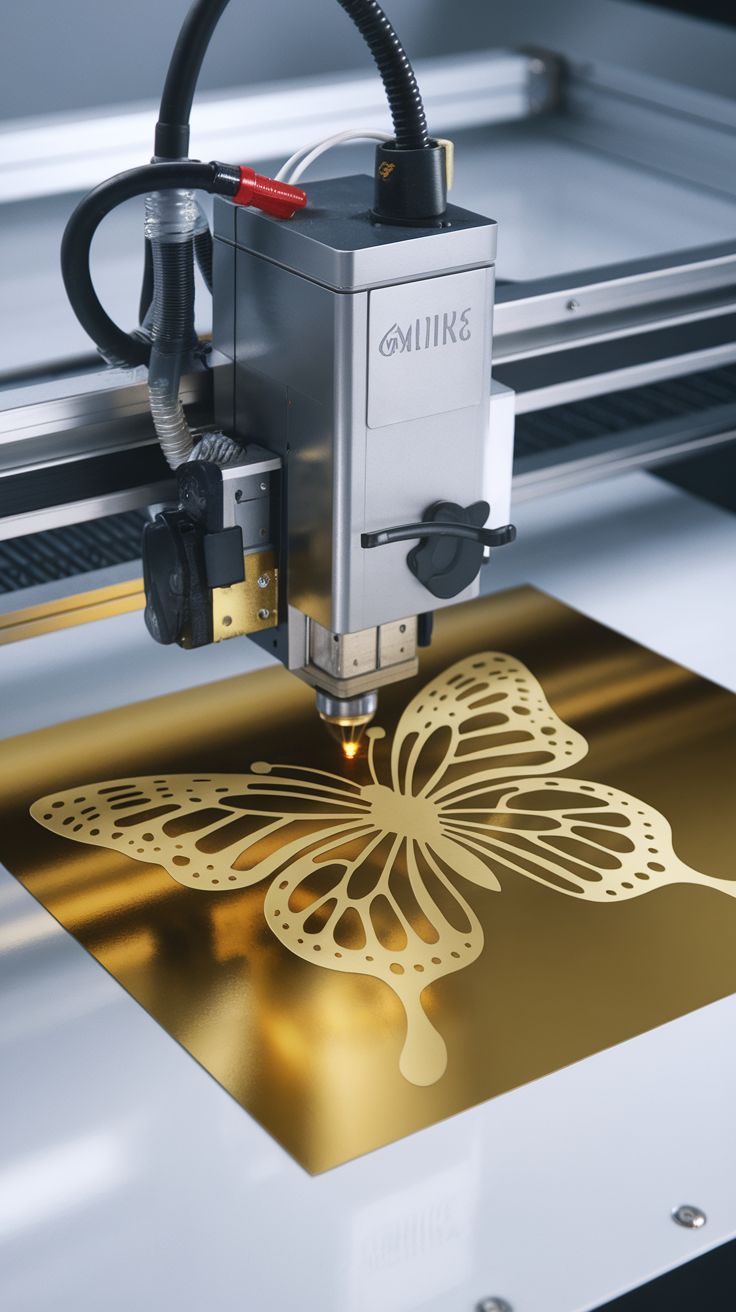
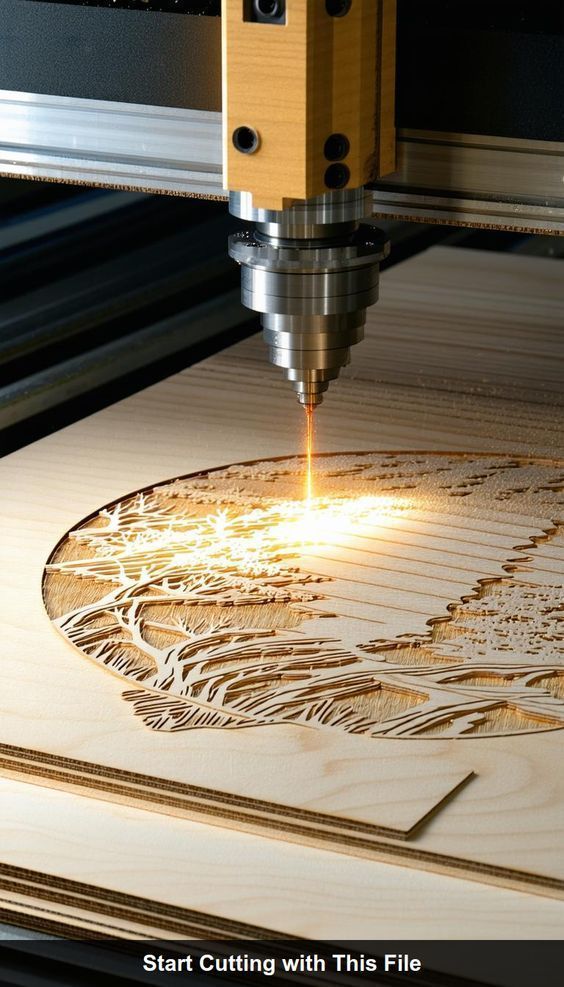
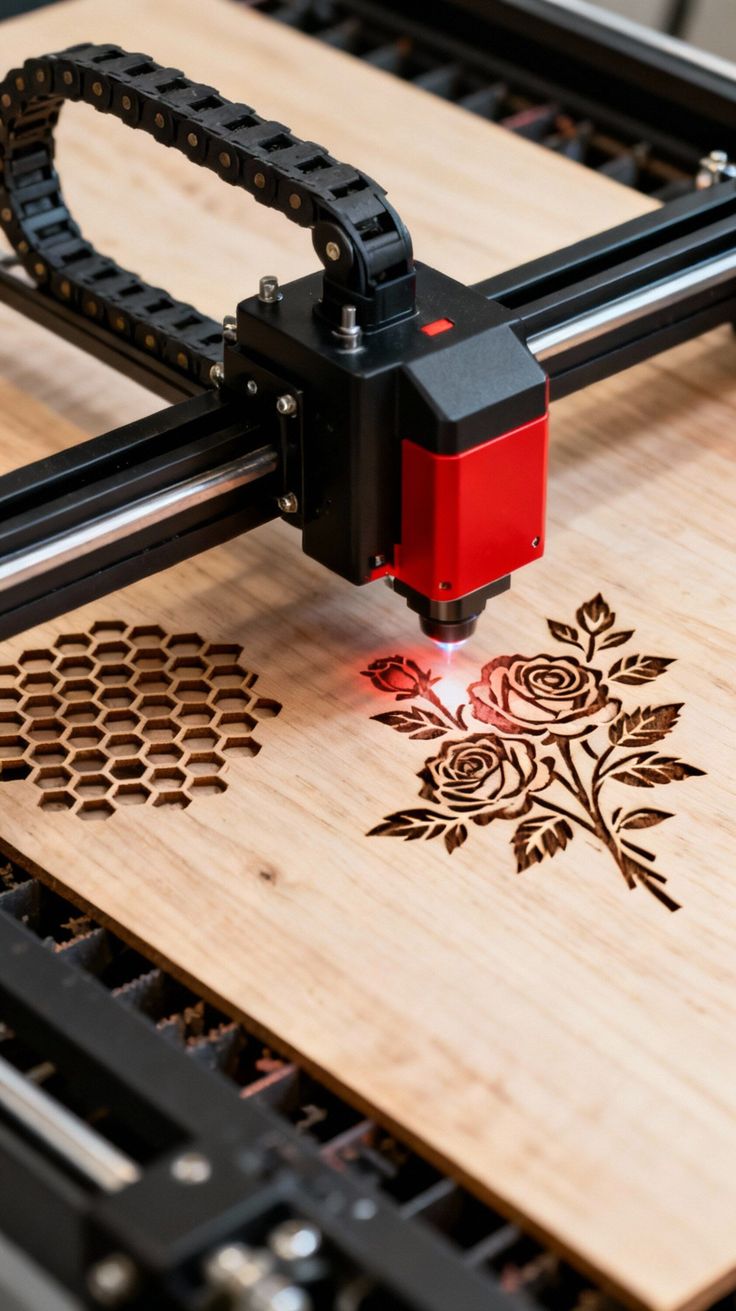
Laser cutting uniquely enables intricate designs with features impossible to produce through mechanical cutting methods. The concentrated beam energy—focused to spots 0.1-0.3mm diameter—creates fine details, sharp internal corners, and complex curves without tooling limitations. This capability transforms possibilities for decorative elements, precision components, architectural details, and artistic expressions. Understanding laser cutting's detail capabilities and design requirements enables realization of complex concepts with manufacturing precision.
Feature size limitations derive from beam diameter and material behavior. Practical minimum feature sizes range 0.5-1mm for most materials, though laser beams can theoretically resolve smaller details. Below these sizes, material structural integrity becomes limiting—fragile features break during handling or material stress causes distortion. Design must balance detail intricacy against functional durability and manufacturing reliability.
Internal corner sharpness represents significant laser cutting advantage. Mechanical cutting methods produce rounded internal corners matching tool radius; laser cutting achieves corners limited only by beam width (0.1-0.3mm). This capability enables interlocking designs, detailed patterns, and mechanical features requiring sharp corners. For applications like gaskets with sealing requirements or mechanical assemblies, sharp corner capability proves essential.
Design Optimization for Intricate Cutting
Line weight and spacing guidelines ensure reliable cutting. Minimum spacing between cut lines should equal material thickness or 1mm (whichever is greater) to prevent material weakness or cutting interference. Lines spaced too closely may cause material burning, excessive heat buildup, or structural failure of narrow bridges between cuts. Design software should verify minimum spacing, or providers should review designs for manufacturability.
Bridge width and structural integrity require attention in intricate designs. Narrow material sections between cuts must withstand handling stresses and thermal effects during cutting. Minimum bridge widths of 1-2mm for thin materials, 2-3mm for thicker materials, ensure structural integrity. For delicate applications, consider adding temporary tabs connecting intricate pieces to surrounding material, removed after cutting.
Heat management in dense cutting patterns prevents quality degradation. Concentrated cutting in small areas accumulates heat, causing material distortion, excessive charring, or melting. Design strategies include spacing detailed areas apart, breaking dense patterns into sections, or specifying cutting sequences that allow cooling between adjacent cuts. These considerations particularly affect wood and plastic cutting.
| Design Element | Minimum Size | Considerations | Example Applications |
|---|---|---|---|
| Line width (cut) | 0.1-0.3mm (beam width) | Material thickness affects kerf | Fine text, detailed patterns |
| Internal corner radius | 0.1-0.3mm | Sharp corners possible | Interlocking joints, gears |
| Bridge width | 1-3mm | Material and thickness dependent | Lattice structures, filigree |
| Hole diameter | 0.5-1mm | Material thickness limit | Ventilation, perforations |
| Slot width | Material thickness + kerf | For press-fit assembly | Tab-and-slot construction |
| Text height | 6-10mm (readable) | Font affects legibility | Labels, signage |
| Detail spacing | 1mm or material thickness | Prevents heat buildup | Intricate patterns |
Material Considerations for Detailed Work
Material uniformity affects detail quality significantly. Consistent density and composition enable predictable cutting behavior essential for fine details. Engineered materials (acrylic, MDF) offer superior consistency compared to natural materials with grain, knots, or density variation. For intricate designs, material quality often matters more than material type—premium plywood cuts more predictably than construction grade, cast acrylic outperforms extruded for fine details.
Material thickness influences detail capability. Thin materials (1-3mm) enable finer details than thick materials due to reduced heat effects and mechanical stability. Thick materials (10mm+) limit fine details due to beam divergence, heat buildup, and handling fragility. For intricate designs, consider whether multiple thin layers laminated after cutting could achieve design goals better than single thick pieces.
Edge quality requirements vary by application visibility. Intricate designs often feature extensive edge surface area relative to face area, making edge quality critical. Acrylic's flame-polished edges showcase intricate cuts beautifully; wood edges show charring that may be aesthetic feature or liability; metal edges require evaluation of cut quality for precision applications. Material selection should account for edge appearance in detailed designs.
Applications Showcasing Intricate Capabilities
Architectural models utilize laser cutting for fine detail at small scales. Building facades, landscape features, and interior details reproduce with precision enabling accurate visualization. Layered construction creates three-dimensional forms from intricate two-dimensional cuts. Scale model makers achieve detail levels impossible manually, supporting design communication and marketing presentations.
Jewelry and accessories exploit laser cutting for delicate patterns and lightweight structures. Filigree designs, lattice structures, and intricate cutouts create visual interest without weight. Materials from acrylic to precious metals (with appropriate laser types) accommodate jewelry applications. The precision ensures consistency across production runs, essential for commercial jewelry lines.
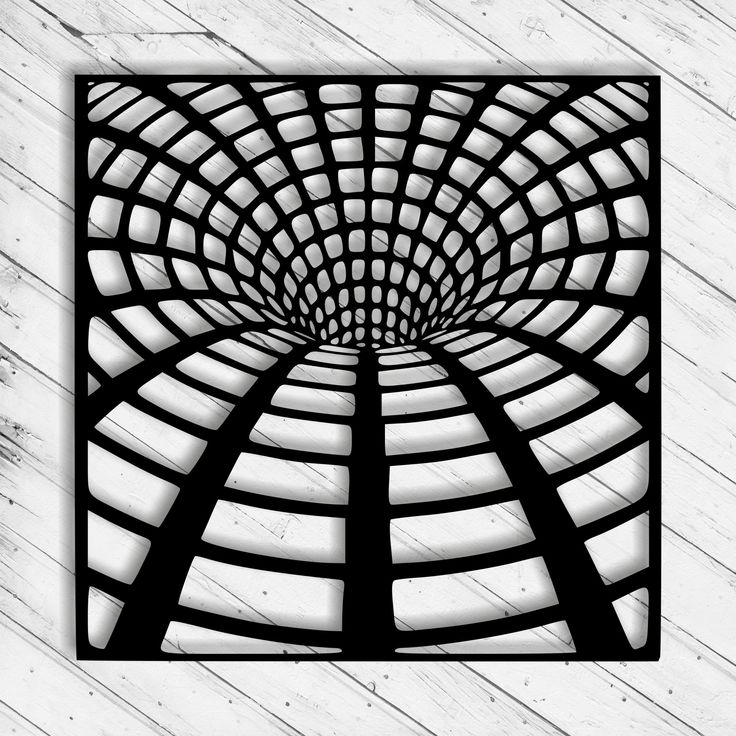
Decorative screens and panels feature intricate patterns for architectural interiors and exteriors. Room dividers, facade screens, and lighting fixtures utilize laser-cut patterns controlling light, visibility, and airflow. Scale of patterns ranges from delicate filigree to bold geometric designs, all enabled by laser cutting precision. These applications often combine aesthetic and functional purposes.
Technical components benefit from intricate laser cutting for filtration, ventilation, and mechanical applications. Precision perforations, complex gaskets, and detailed shims require accuracy and repeatability laser cutting provides. Medical devices, electronics, and aerospace components utilize these capabilities for critical functions where precision affects performance.
Technical Execution of Complex Designs
File preparation for intricate designs requires attention to detail. Vector paths must be clean, without duplicate lines or open segments that cause cutting errors. Complex files with thousands of nodes may challenge laser control software—simplifying paths reduces processing time and potential errors. Layer organization by cutting sequence or operation type facilitates production management.
Cutting sequence optimization improves quality in intricate designs. Cutting internal details before external profiles prevents material movement affecting precision. Sequencing cuts to distribute heat evenly prevents distortion. Some software automatically optimizes cutting paths; manual optimization may improve results for critical applications. Understanding laser motion and heat effects informs sequence decisions.
Fixturing and material handling become critical for intricate cuts. Delicate designs may shift during cutting if not properly secured; however, excessive hold-down pressure damages fine features. Vacuum tables, light adhesive, or strategic tabbing balance security and protection. For very delicate designs, consider cutting with protective backing or temporary support structures removed after processing.
Quality control for intricate designs requires appropriate inspection methods. Visual inspection identifies obvious defects; dimensional verification ensures critical features meet specifications; functional testing validates assembly or performance. For production runs, statistical sampling balances inspection thoroughness against cost. Rejected pieces may be partial cuts requiring completion or total losses depending on defect type.
Advanced Techniques for Extreme Detail
Multi-layer construction achieves detail complexity impossible in single layers. Multiple thin layers, each with partial detail, laminate into three-dimensional intricate structures. This approach enables undercuts, overlapping elements, and depth variation impossible with single-plane cutting. Architectural models, sculptures, and technical components utilize multi-layer techniques.
Combined processes enhance detail capabilities. Laser engraving adds surface detail to cut pieces; laser marking provides identification; secondary machining creates three-dimensional features. These combinations extend laser cutting's two-dimensional precision into more complex geometries. Design integration of multiple processes requires planning for alignment and registration.
Material innovations expand intricate cutting possibilities. Laser-compatible resins, composite materials, and specialized substrates offer properties enhancing detailed work. Metallic-finish acrylics, translucent laminates, and textured materials create visual effects beyond simple cutting. Staying informed about material developments enables innovative applications.
Luna Graphics specializes in intricate and detailed laser cutting for Kenya's design, architecture, and manufacturing communities. Our precision equipment, experienced operators, and quality systems ensure that complex designs execute with fidelity to creative intent. From delicate jewelry components through detailed architectural models, we transform intricate digital designs into physical reality. Contact us to discuss your detailed cutting requirements and discover how precision laser cutting can realize your most complex design visions.
Written by Ian Love
Marketing Director
Professional contributor at Luna Graphics specializing in printing and branding solutions.