
Laser Cutting in Interior Design
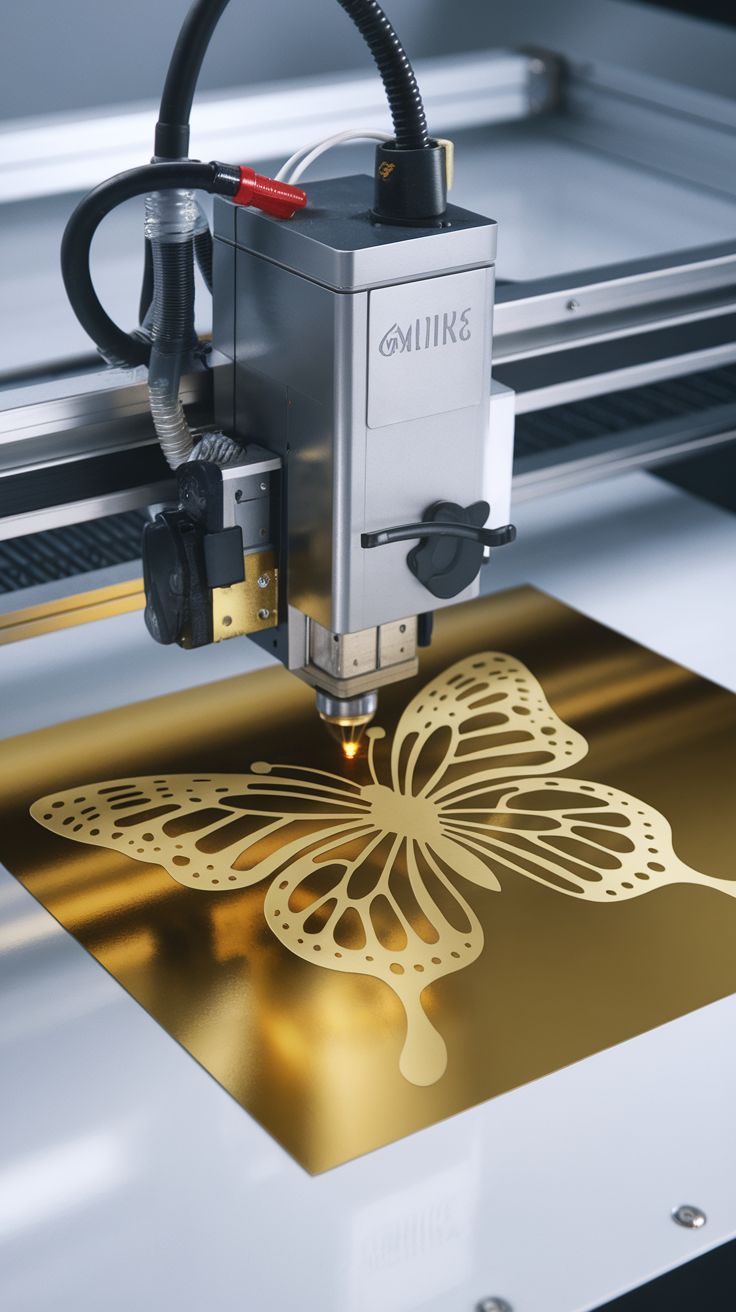
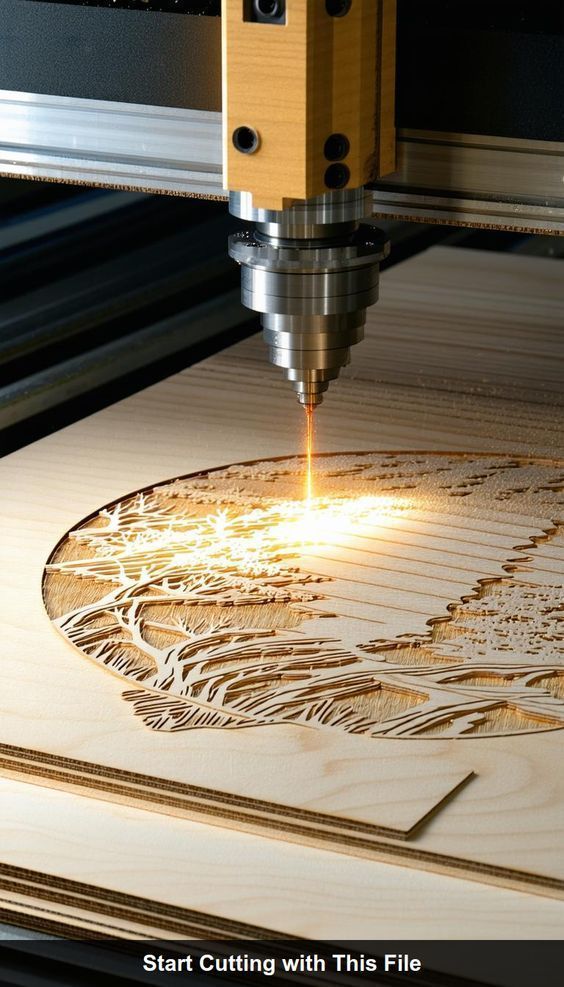
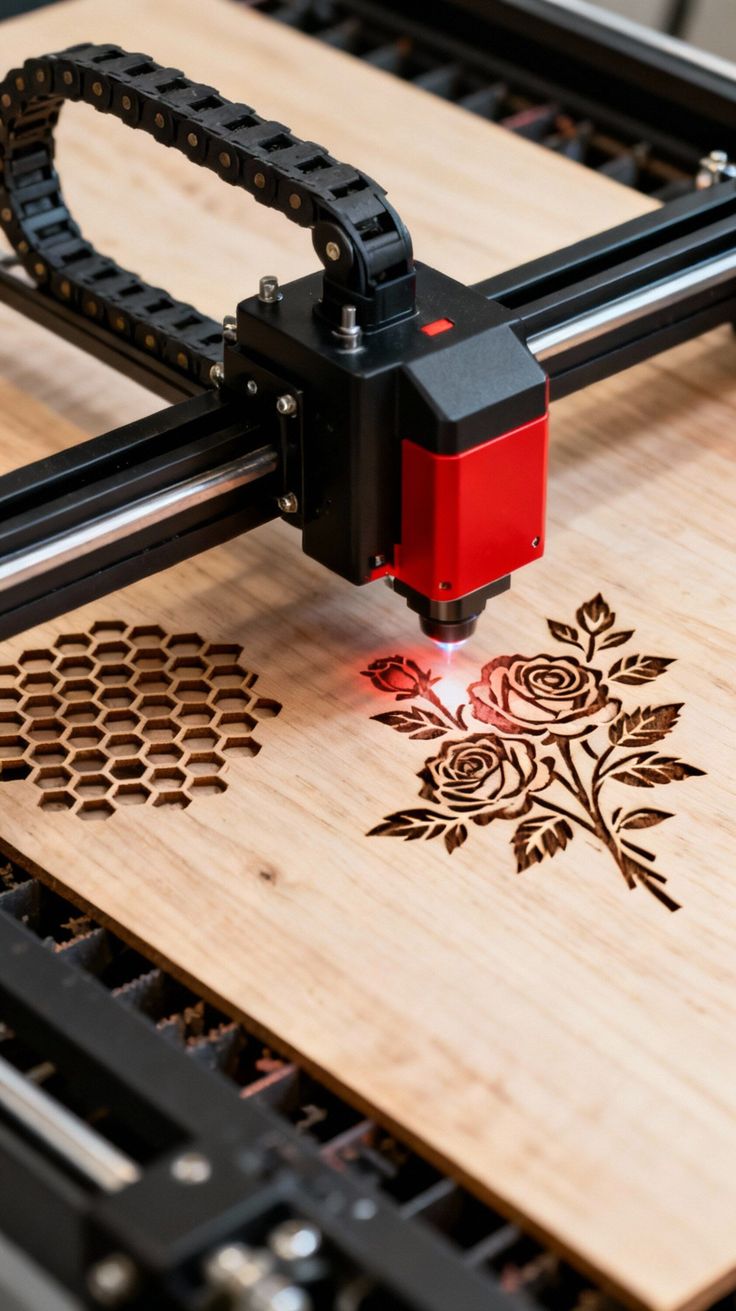
Laser cutting enables creation of interior elements with intricacy and precision impossible with conventional fabrication. Decorative screens, wall panels, light fixtures, and artistic installations transform ordinary spaces into memorable environments. The technology bridges art and manufacturing, making custom architectural elements economically feasible for projects ranging from residential to commercial to hospitality.
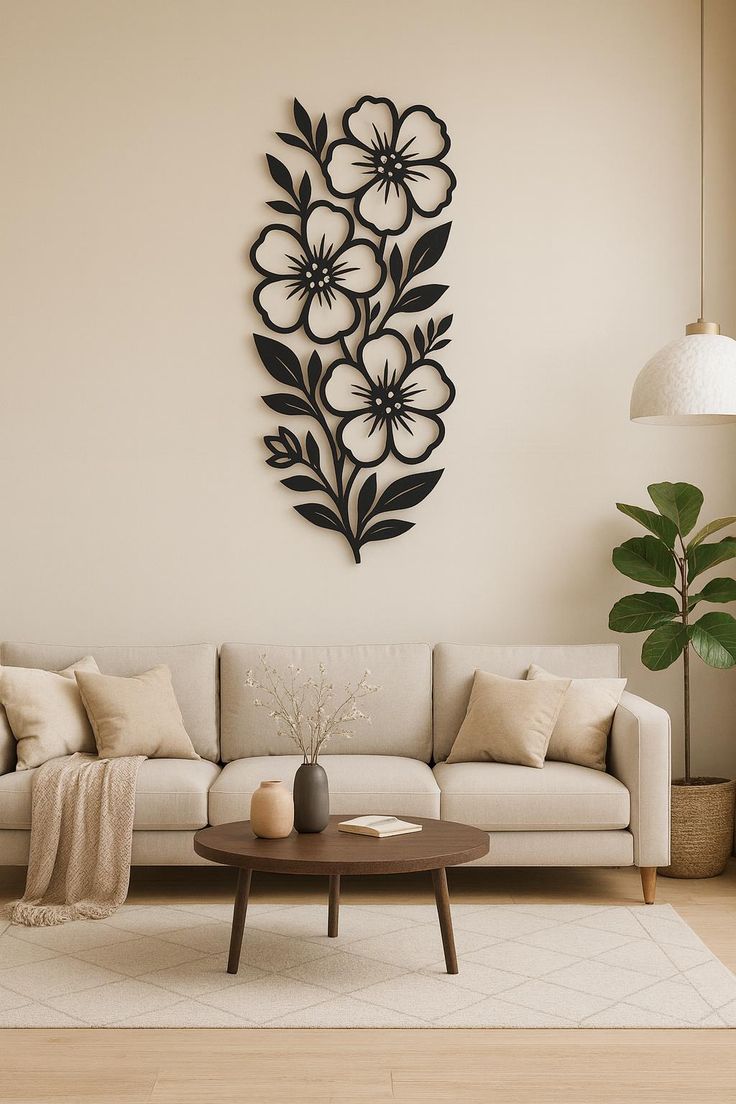
The versatility of laser cutting suits diverse interior styles. Geometric patterns create contemporary aesthetics; organic forms suggest natural inspiration; representational imagery tells stories or reinforces branding. Material selection—wood warmth, metal sophistication, acrylic modernity—further defines character. This flexibility enables designers to realize specific visions rather than selecting from limited standard options.
Functional integration distinguishes architectural laser cutting from pure decoration. Screens provide privacy while transmitting light; panels improve acoustics; fixtures illuminate spaces. These functional performances combined with aesthetic qualities create value beyond decoration. Laser cutting's precision ensures functional elements perform as designed while maintaining visual integrity.
Decorative Screens and Partitions
Room dividers and screens rank among the most popular laser-cut applications for interiors. Freestanding screens create flexible space definition; fixed partitions provide permanent separation; ceiling-hung elements define zones without full enclosure. Pattern density controls transparency—open patterns maintain visual connection while dense patterns provide privacy.
Material selection for screens considers transparency, durability, and weight. Metal screens (aluminum, steel, brass) provide durability and sophisticated appearance for high-traffic commercial spaces. Wood screens introduce warmth suitable for residential and hospitality. Acrylic screens create colorful or translucent effects with light transmission. Material thickness (typically 3-6mm) balances structural integrity with weight and cost.
Scale and proportion determine screen impact. Small screens (1-2m) suit residential or intimate commercial spaces; large screens (3-6m+) create dramatic architectural statements. Pattern scale relates to screen size and viewing distance—fine details visible at close range, bold patterns readable across large spaces. Laser cutting achieves both fine and bold patterns with equal precision.
Mounting and installation methods vary by application. Freestanding screens require stable bases; fixed partitions anchor to structure; suspended screens need engineered hanging systems. Laser cutting creates mounting features integrated into designs—slots for base insertion, holes for fasteners, or tabs for connection. Structural engineering ensures safety for large or overhead installations.
| Application | Materials | Typical Thickness | Design Considerations |
|---|---|---|---|
| Room Dividers | Wood, Metal, Acrylic | 6-12mm | Stability, pattern scale, transparency |
| Wall Panels | Wood, Metal, MDF | 3-9mm | Mounting, relief depth, pattern density |
| Ceiling Features | Metal, Acrylic, Wood | 3-6mm | Suspension, lighting integration, weight |
| Light Fixtures | Metal, Acrylic, Paper | 1-6mm | Light transmission, heat management, diffusion |
| Window Treatments | Wood, Metal, Fabric | 3-6mm | Privacy control, light filtering, operation |
| Furniture | Wood, Metal, Acrylic | 6-18mm | Structural integrity, ergonomics, finish |
| Art Installations | All materials | Variable | Concept, scale, installation, maintenance |
Wall Panels and Surface Treatments
Feature walls utilize laser-cut panels creating focal points in interior spaces. Single large panels or tiled arrangements cover wall areas with pattern and texture. Dimensional effects result from layering multiple panels or combining laser cutting with projection or lighting. These installations transform otherwise plain surfaces into design features.
Acoustic panels address sound control with aesthetic integration. Perforated panels backed with acoustic material absorb sound while displaying laser-cut patterns. Slot patterns, varying density, and material selection tune acoustic performance. These functional panels suit offices, restaurants, and public spaces where noise control matters.
Three-dimensional wall treatments result from layered or formed laser-cut elements. Stacked panels create relief depth; thermoformed acrylic creates curved surfaces; folded metal creates origami-like structures. These dimensional treatments add shadow and visual interest changing with viewing angle and lighting.
Material finishing protects and enhances wall panels. Wood receives stains, oils, or lacquers; metal is painted, powder-coated, or patinated; acrylic maintains clarity or receives texture. These finishes must suit interior environment and maintenance requirements. Durability standards ensure appearance retention through cleaning and wear.
Lighting and Luminaires
Laser-cut shades and diffusers create distinctive lighting effects. Patterned metal shades project decorative shadows; acrylic diffusers distribute light through engraved or cut patterns; paper or wood veneers create warm, organic illumination. These custom fixtures complement mass-produced lighting components with unique design.
LED integration enables sophisticated lighting designs. Laser-cut housings conceal LED strips; heat sinks integrate into metal fixtures; diffusion patterns ensure even illumination. Electrical design meets safety codes; thermal management ensures LED longevity. Custom lighting fixtures require coordination between design, fabrication, and electrical engineering.
Natural light control uses laser-cut screens and shades. Solar shading reduces heat gain while maintaining views; privacy screens control visibility; decorative filters create patterned light. These applications require consideration of solar angles, heat buildup, and material durability in sunlight. Exterior-grade materials and finishes ensure longevity.
Artistic and Custom Installations
Sculptural elements exploit laser cutting's ability to create complex three-dimensional forms from flat materials. Layered constructions build volume; interlocking components create self-supporting structures; kinetic elements add movement. These installations range from wall-mounted reliefs to room-sized sculptures, limited only by design vision and engineering.
Representational art uses laser cutting for detailed imagery. Portraits, landscapes, or abstract compositions cut from metal, wood, or paper create distinctive artworks. Scale ranges from intimate pieces to monumental installations. Editioned works benefit from laser cutting consistency across multiple pieces.
Brand integration in corporate interiors uses artistic laser cutting. Logos as dimensional installations, values expressed through abstract patterns, or industry themes rendered in materials create environmental branding. These elements reinforce organizational identity while contributing to aesthetic environment.
Luna Graphics collaborates with interior designers, architects, and artists to realize laser-cut interior elements. Our technical capabilities support ambitious designs, while our material expertise ensures appropriate selection for application requirements. From concept development through installation, we provide comprehensive service for interior enhancement projects. Contact us to explore how laser cutting can transform your interior spaces.
Written by Ian Love
Marketing Director
Professional contributor at Luna Graphics specializing in printing and branding solutions.