
The Importance of Edge Finishing
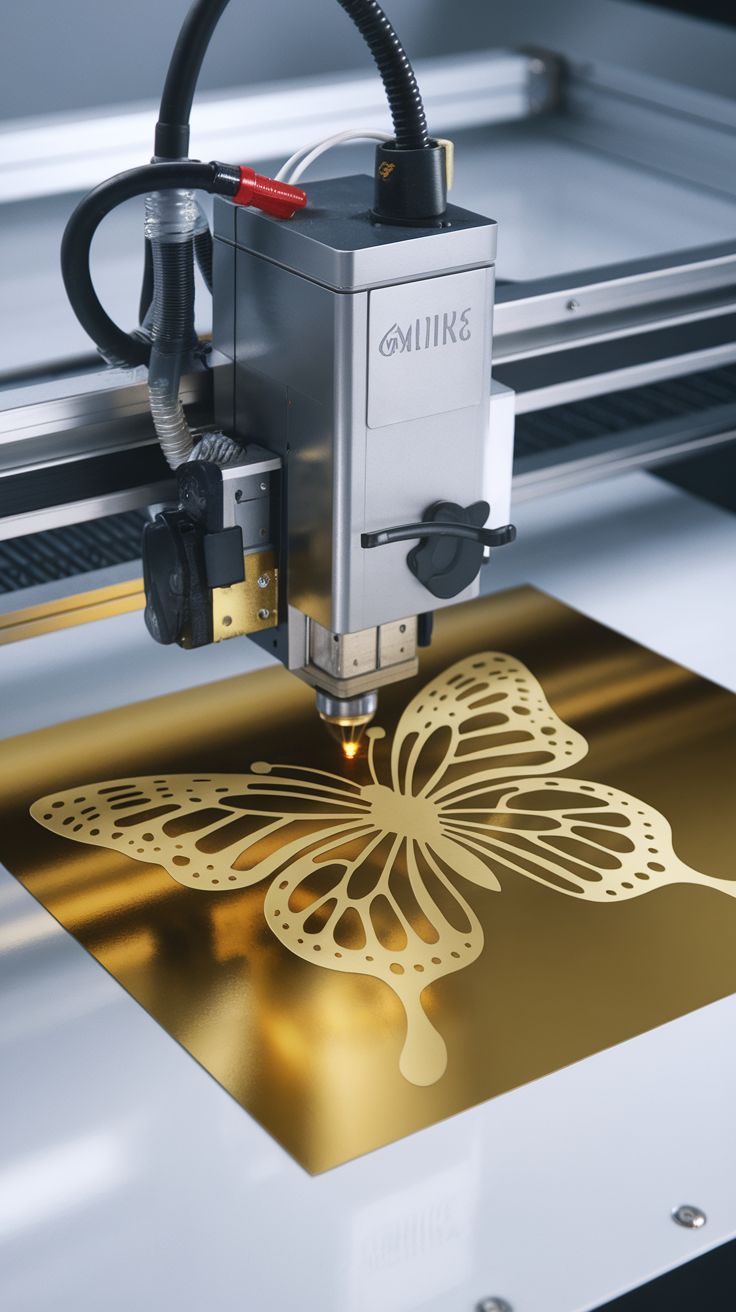
Laser cutting produces edges with characteristics varying by material and parameters—some requiring additional finishing for professional appearance, others ready for use as-cut. Understanding edge finishing options enables specification of appropriate post-processing for application requirements, balancing appearance standards against cost and timeline constraints. Proper finishing transforms laser-cut components from raw parts to premium products suitable for visible applications and demanding environments.
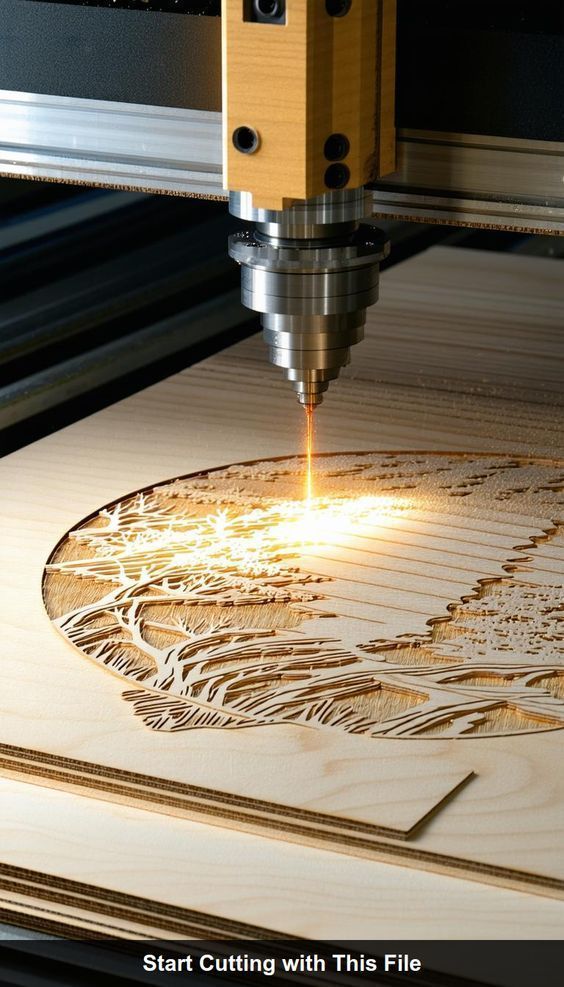
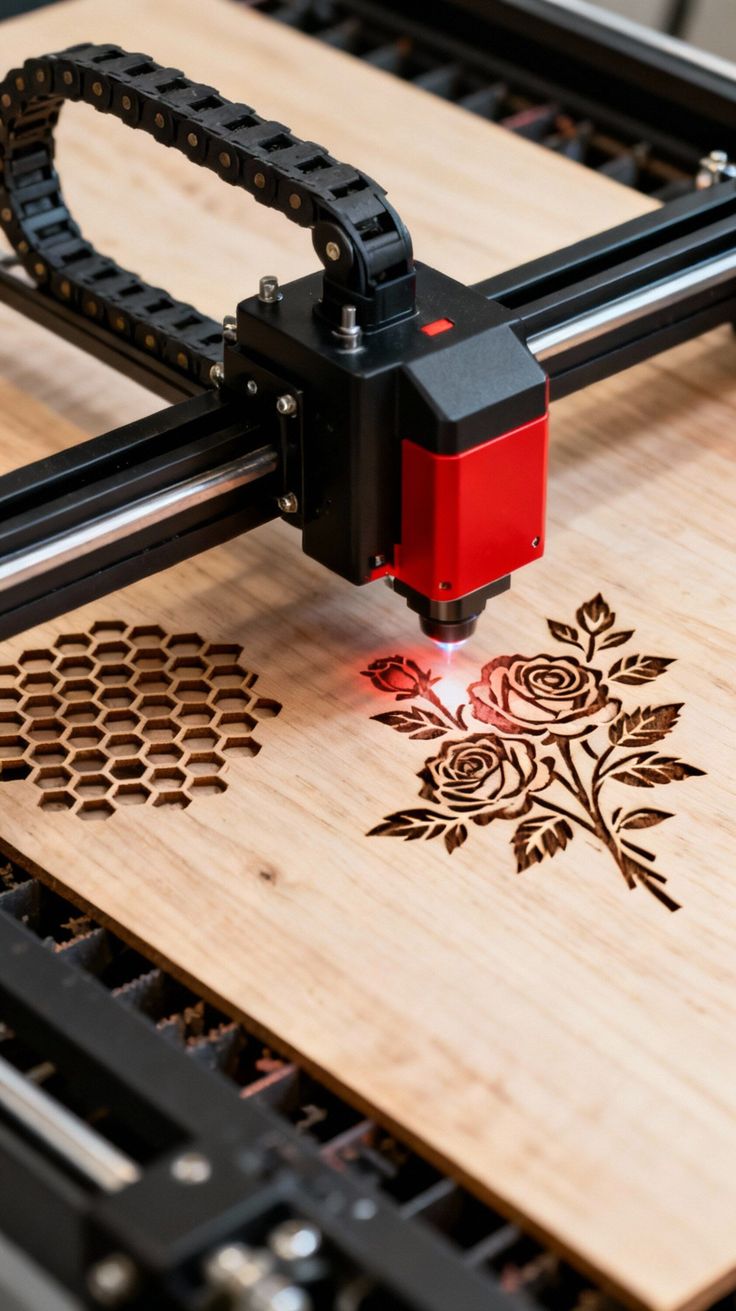
Edge quality from laser cutting varies significantly. Acrylic achieves flame-polished edges of optical clarity requiring no finishing for most applications. Wood shows charring ranging from light tan to dark brown depending on material and speed. Metals exhibit striations and slight roughness from melt ejection. These native characteristics determine finishing requirements—some materials need simple cleaning, others require extensive processing to achieve specified appearance.
Application visibility and function drive finishing decisions. Hidden structural components may require no finishing; visible architectural elements demand premium appearance; food-contact surfaces need specific treatments for safety; outdoor applications require weather protection. Finishing specifications should derive from end-use requirements rather than habit or assumption.
Acrylic Edge Finishing
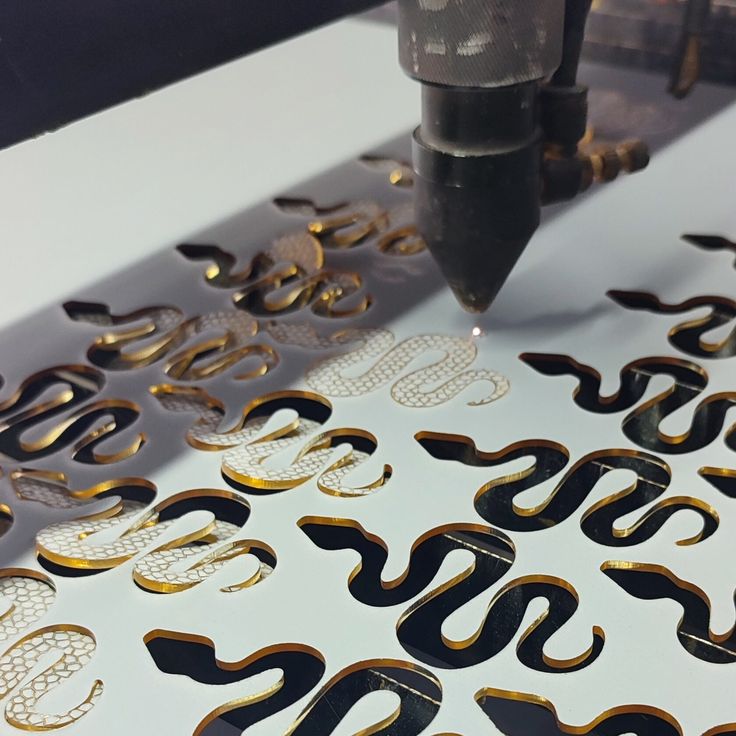
Laser-cut acrylic edges generally require minimal finishing due to thermal polishing during cutting. However, some applications benefit from additional processing. Light sanding with fine grit (400-600) removes any slight texture from parameter imperfections. Progressive sanding to 1200 grit followed by polishing compound achieves optical clarity for highest-visibility applications.
Flame polishing manually enhances edge clarity using propane or hydrogen torch. Skilled operators pass flame quickly along edges, melting surface slightly to flow smooth. This technique restores clarity to sanded edges or improves cut edges that didn't achieve full polish. However, flame polishing risks distortion if overheated and requires skill for consistent results. Practice on scrap material before finishing production pieces.
Edge polishing machines provide consistent results for high-volume applications. Buffing wheels with polishing compounds automate edge finishing, achieving predictable quality without manual skill dependency. These machines suit production environments with consistent edge finishing requirements. Investment in polishing equipment may be justified for high-volume acrylic fabricators.
Protective measures preserve edge quality after finishing. Acrylic edges are susceptible to scratching; handle finished pieces carefully. Protective films left in place during assembly prevent damage. Edge coatings or clear lacquers provide additional protection for high-wear applications. Storage and handling procedures should protect finished edges from damage.
Wood and MDF Edge Treatment
Sanding removes charring and smooths wood edges. Progress through grits from coarse (120) removing heavy char to fine (220-320) for smooth finish. Power sanding speeds processing for straight edges; hand sanding suits complex curves. Sanding direction affects appearance—sanding with grain preserves natural look while cross-grain sanding creates uniform appearance but obscures grain.
Edge sealing prevents moisture absorption and provides consistent appearance. Clear sealers, oils, or lacquers applied to edges protect wood and unify appearance between face and edge. For painted applications, edge primer ensures paint adhesion and prevents telegraphing of grain through paint. MDF edges particularly require sealing due to fiber exposure; edge banding or heavy primer coats create paintable surface.
Staining and coloring edges match or contrast with faces. Wood edges may absorb stain differently than faces due to end-grain exposure and thermal effects from cutting. Pre-conditioning with wood conditioner helps uniform absorption. Testing on scrap ensures color matching. Contrasting edge colors can be design feature rather than problem.
Burnishing and compression techniques improve edge quality. Light sanding followed by burnishing with hard tool compresses fibers creating smoother surface. Edge banding (iron-on or adhesive veneer) covers edges completely for premium appearance. These techniques particularly benefit plywood edges showing core construction.
| Material | Native Edge | Finishing Options | Best For |
|---|---|---|---|
| Acrylic | Flame polished, clear | Sanding, flame polish, machine polish | Visible edges, optical applications |
| Wood | Charred, rough | Sanding, sealing, staining | Furniture, decorative items |
| MDF | Fuzzy, brown | Sanding, sealing, painting | Painted products, cabinetry |
| Plywood | Layered, glued | Sanding, edge banding, sealing | Furniture, visible applications |
| Mild Steel | Oxidized, rough | Grinding, deburring, coating | Structural, painted components |
| Stainless Steel | Clean, striated | Passivation, electropolishing | Food, medical, visible |
| Aluminum | Clean, slight burr | Deburring, anodizing, coating | Aerospace, consumer products |
Metal Edge Finishing
Deburring removes sharp edges and cutting residue essential for handling safety and assembly. Manual deburring uses files, scrapers, or abrasive pads. Tumbling in abrasive media suits small parts in quantity. Automated deburring machines handle production volumes. Deburring specifications should define acceptable edge radius and surface roughness.
Grinding and machining improve edge geometry and surface finish. Angle grinding removes heavy oxidation or dross from oxygen-cut steel. Precision grinding achieves tight tolerances for critical fits. Milling or machining edges creates specific profiles or precise squareness. These mechanical processes add cost but achieve precision beyond as-cut capabilities.
Surface treatments enhance appearance and performance. Passivation restores stainless steel corrosion resistance affected by cutting heat. Anodizing aluminum creates protective and decorative oxide layer. Painting and powder coating provide corrosion protection and color. Plating (chrome, nickel, zinc) offers specific functional or decorative properties. These treatments follow deburring and cleaning.
Weld preparation requires specific edge conditioning. Laser-cut edges for welding need cleaning to remove oxides and ensure sound welds. Edge beveling may be required for thick material welding. Cut quality affects weld preparation effort—clean laser cuts require less preparation than rough plasma or oxy-fuel cuts.
Specialized Finishing Techniques
Edge rounding and radiusing improve safety and aesthetics. Sharp edges pose handling hazards and may not meet product safety standards. Edge rounding machines create consistent radii on straight edges; manual methods suit complex curves. Specify edge radius requirements based on application—0.5mm minimum for handling safety, larger radii for premium appearance.
Coating and plating edges extends material protection. Electroplating, electroless plating, and coating processes cover edges providing corrosion resistance, wear resistance, or electrical properties. Process selection considers base material, edge geometry, and functional requirements. Some processes require specific edge preparation for adhesion.
Texturing and patterning edges creates design features. Knurling, engraving, or embossing edges adds grip or visual interest. These secondary operations follow basic edge preparation. Design integration ensures texturing complements overall product aesthetics.
Quality Control and Inspection
Visual inspection identifies obvious defects—chipping, burning, incomplete finishing, color variation. Standardized lighting and viewing angles ensure consistent assessment. Samples establish acceptable quality levels for production approval.
Dimensional verification ensures finishing doesn't compromise critical dimensions. Sanding and material removal reduce part size; coating adds thickness. Measure critical features after finishing to verify compliance. Statistical process control monitors consistency.
Functional testing validates finishing performance. Adhesion testing for coatings, corrosion testing for protective finishes, wear testing for high-contact surfaces ensure finishing meets specifications. Accelerated testing predicts long-term performance.
Luna Graphics offers comprehensive edge finishing services ensuring your laser-cut components meet application requirements. From acrylic polishing through metal deburring and coating, our finishing capabilities transform cut parts into finished products. We advise on finishing options balancing appearance, function, and cost for optimal project outcomes. Contact us to discuss your edge finishing requirements.
Written by Ian Love
Marketing Director
Professional contributor at Luna Graphics specializing in printing and branding solutions.