
The Impact of Dimensional Branding
Laser-cut logos transform two-dimensional brand marks into tangible dimensional elements that command attention and communicate quality. Unlike printed or vinyl graphics, physical logos create presence through shadow, depth, and material substance. This tangible quality signals investment in brand presentation, influencing perceptions of company quality and stability. For corporate reception areas, retail environments, and architectural branding, laser-cut logos provide premium presentation impossible with flat graphics.
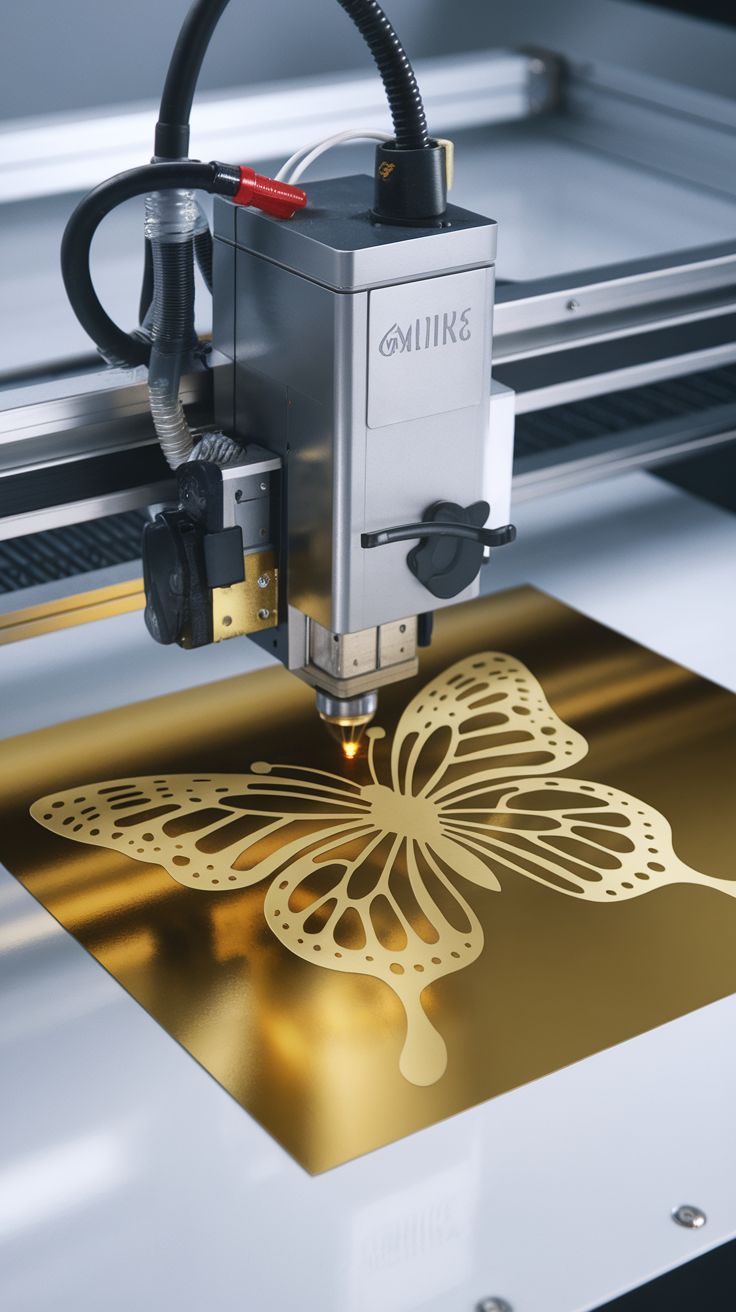
The versatility of laser cutting enables realization of virtually any logo design in appropriate materials. Complex curves, fine details, and intricate patterns execute with precision maintaining brand integrity. Multiple materials—acrylic, metal, wood—offer aesthetic options matching brand personality and environment design. Scale ranges from desk-sized logos to monumental building signage, all with consistent detail quality.
Integration with architectural elements creates cohesive brand environments. Laser-cut logos incorporate into wall panels, reception desks, elevator lobbies, and exterior facades. Lighting integration illuminates logos for dramatic effect. These integrations require coordination between designers, fabricators, and contractors, with laser cutting providing precision components fitting architectural contexts.
Material Selection for Brand Identity
Acrylic logos offer modern, versatile appearance with excellent fabrication characteristics. Clear acrylic creates floating, crystalline effects particularly striking with lighting. Colored acrylics match brand colors precisely. Frosted and textured acrylics provide subtle elegance. Acrylic's light weight simplifies installation, and laser cutting achieves polished edges enhancing appearance. For contemporary brands and technology companies, acrylic conveys innovation and clarity.
Metal logos communicate permanence, quality, and sophistication. Stainless steel offers modern industrial aesthetic with exceptional durability. Brushed finishes show subtle texture; polished surfaces create mirror reflections. Aluminum provides economical lightweight alternative suitable for large logos or budget-conscious projects. Brass and bronze convey tradition and luxury appropriate for financial, legal, or heritage brands. Metal logos withstand physical contact and environmental exposure, suitable for high-traffic areas.
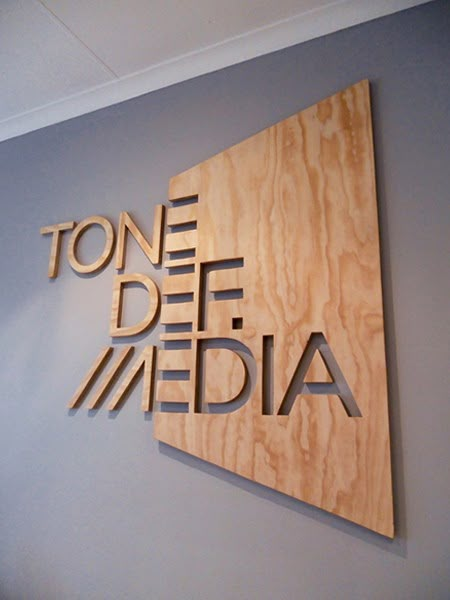
Wood logos introduce warmth and organic quality to brand presentation. Different species offer varied aesthetics—walnut and mahogany suggest luxury; oak and maple convey reliability; bamboo and sustainable woods communicate environmental values. Wood suits brands emphasizing craftsmanship, nature, or human connection. Laser cutting precision prevents the rustic appearance of hand-cut wood, maintaining brand polish while using natural materials.
Material combinations create sophisticated effects. Metal faces with acrylic edges combine industrial and modern aesthetics. Layered materials in contrasting colors create depth and shadow. These combinations leverage laser cutting precision for accurate registration between elements, achieving effects impossible with single materials.
| Material | Brand Personality | Best Environments | Maintenance |
|---|---|---|---|
| Clear Acrylic | Modern, innovative, transparent | Technology, creative industries | Cleaning, scratch avoidance |
| Colored Acrylic | Bold, contemporary, precise | Retail, corporate, youth brands | Fade resistance in sunlight |
| Stainless Steel | Professional, durable, premium | Corporate, industrial, luxury | Occasional polishing |
| Brushed Aluminum | Technical, lightweight, modern | Transportation, technology | Minimal, corrosion resistant |
| Brass/Bronze | Traditional, prestigious, warm | Legal, financial, heritage | Patina development or polishing |
| Wood | Natural, crafted, approachable | Wellness, creative, sustainable | Climate control, refinishing |
| Mixed Materials | Sophisticated, layered, unique | Luxury, flagship locations | Material-specific care |
Design and Fabrication Considerations
Logo preparation for dimensional fabrication requires design adaptation. Complex gradients or fine details in original logos may not translate to physical materials. Simplification maintains brand recognition while ensuring manufacturability. Stroke weights must accommodate material thickness—overly thin elements break or appear weak when fabricated. Design review with fabricators identifies necessary modifications before production.
Scale and proportion affect visual impact and fabrication feasibility. Small logos (under 300mm) limit detail resolution and material thickness; large logos (over 2m) require structural consideration and material availability. Viewing distance determines appropriate scale—reception desk logos viewed from 2 meters differ from building signage viewed from 200 meters. Design validation includes scale mockups assessing appearance at intended size.
Mounting methods influence design and installation. Standoff mounting creates shadows adding depth and presence. Flush mounting appears integrated with surfaces. Track systems allow removal for maintenance. Mounting hardware must be concealed or designed as feature. Laser cutting creates precise mounting holes and alignment features ensuring proper installation.
Lighting integration dramatically enhances logo presence. Face illumination using LEDs creates glowing effect. Halo lighting projects shadows on mounting surfaces. Edge lighting exploits acrylic light transmission. These lighting techniques require design coordination for LED placement, wiring concealment, and diffusion. Electrical integration must meet safety codes and maintenance access requirements.
Applications and Environments
Corporate reception areas represent primary application for laser-cut logos. The reception desk backdrop displays company identity to all visitors, making investment in premium presentation justified. Scale typically ranges 1-3 meters depending on space size. Materials and lighting coordinate with interior design creating cohesive brand environment. Reception logos set tone for entire facility.
Retail environments utilize laser-cut logos for brand presence and wayfinding. Storefront identification, interior brand walls, and department signage all benefit from dimensional quality. Retail applications require durability for high-traffic environments and coordination with merchandising systems. Lighting integration creates visibility and atmosphere supporting retail experience.
Architectural exterior branding identifies buildings and creates landmark presence. Large-scale logos (3-10+ meters) identify corporate headquarters, hotels, or retail developments. These applications require weather-resistant materials, structural engineering for wind loads, and lighting for nighttime visibility. Permitting and code compliance add complexity to exterior installations.
Event and exhibition branding uses laser-cut logos for temporary but premium presentation. Trade show booths, corporate events, and temporary installations benefit from dimensional quality without permanent installation costs. Modular systems allow reuse across events. Transport and assembly considerations influence design for event applications.
Production and Quality Standards
Brand consistency requires color accuracy across materials and production runs. Acrylic colors match Pantone specifications; metal finishes maintain consistency through process control; wood species match samples. Quality systems verify color and appearance against approved standards. Brand guidelines should specify acceptable variation tolerances.
Dimensional accuracy ensures proper assembly and appearance. Critical dimensions maintain ±0.5mm tolerance for most applications; tighter tolerances may be required for precision assemblies. Flatness and warp prevention maintain professional appearance. Inspection against approved samples ensures production matches design intent.
Surface quality standards define acceptable appearance. Acrylic must be free of scratches and cloudiness; metal finishes must be uniform without blemishes; wood must match grain and color standards. These cosmetic requirements often exceed structural requirements, reflecting branding's visual nature. Rejection criteria should be established before production.
Luna Graphics partners with Kenya's leading brands to fabricate dimensional logos and corporate identity elements. Our understanding of brand presentation requirements, combined with precision laser cutting capabilities, ensures that fabricated logos enhance brand perception. From design consultation through installation support, we provide comprehensive service for premium branding projects. Contact us to discuss how dimensional branding can elevate your corporate presence.
Written by Ian Love
Marketing Director
Professional contributor at Luna Graphics specializing in printing and branding solutions.