
Gifts as Relationship Investment
Corporate gifting represents strategic relationship investment extending beyond transactional business interactions. Well-designed gift programs strengthen emotional connections, demonstrate appreciation, and maintain top-of-mind awareness among valued clients. In Kenyan business culture where personal relationships significantly influence commercial decisions, thoughtful gifting provides competitive differentiation and loyalty building.
Effective corporate gifting requires strategic approach—random or generic gifts waste resources and may appear manipulative; thoughtful, branded gifts aligned with recipient preferences and relationship value generate positive sentiment and reciprocity.
Gift Strategy Framework
Relationship segmentation determines appropriate gifting investment. Tier 1 clients (highest value/strategic importance) receive premium, personalized gifts; Tier 2 receive quality branded items; Tier 3 may receive standard tokens. Segmentation ensures proportional investment.
Occasion planning creates systematic touchpoints. Holidays, anniversaries, milestones, or appreciation moments provide gifting rationale; unexpected gifts can surprise and delight; excessive frequency dilutes impact. Calendar planning ensures consistent execution.
Personalization elevates generic to meaningful. Recipient name, company, or interests incorporated into gift; handwritten notes; or customized selection based on known preferences. Personalization signals genuine attention rather than mass distribution.
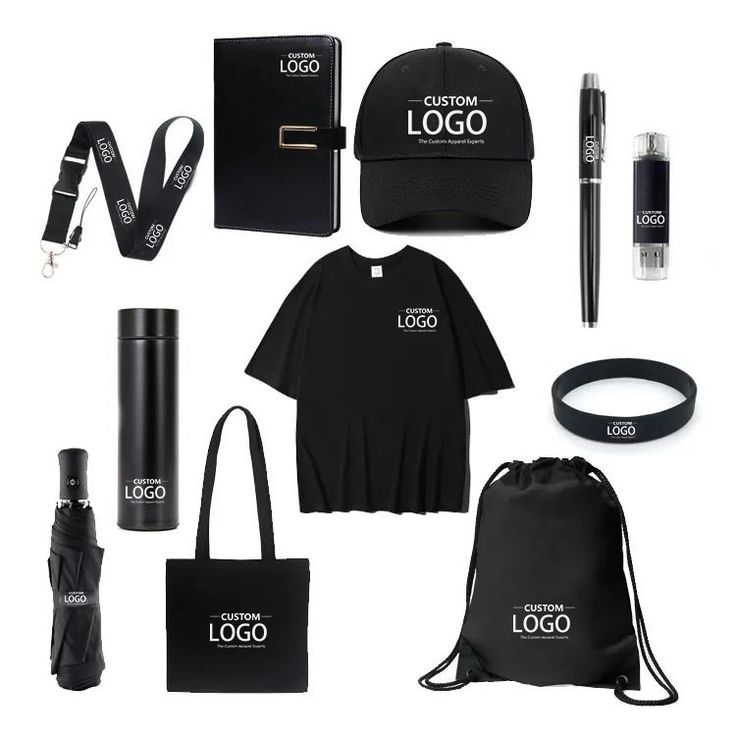
Utility vs. luxury choices depend on recipient and occasion. Useful items maintain presence through ongoing use; luxury items create special occasion impact; experiences create memories; charitable donations align with values. Selection should match recipient characteristics.
Branding Approaches
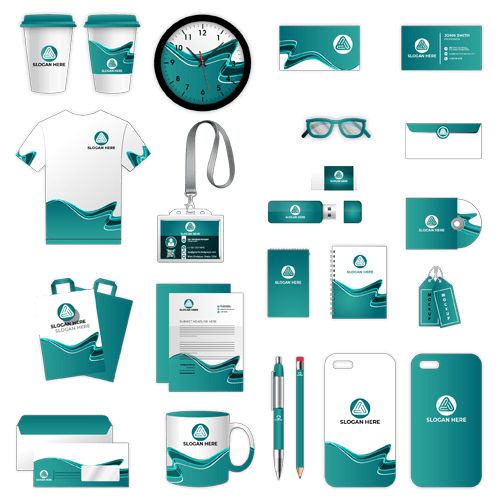
Subtle branding often outperforms prominent logos. Quality gift with discreet branding generates positive association without appearing promotional; recipient more likely to use/display subtly branded items; overt branding may be perceived as advertising.
Packaging branding creates unboxing experience. Beautifully branded packaging elevates perceived value; packaging may be more prominently branded than item itself; unboxing can be shared on social media extending reach.
Brand alignment ensures gift reflects brand values. Quality of gift signals organizational standards; sustainability commitment reflected in eco-friendly gifts; innovation positioning supported by tech gifts. Consistency between gift and brand character.
Program Management
Budget allocation across relationship portfolio ensures appropriate investment. Total gifting budget; per-tier spending guidelines; and ROI expectations. Gifting should be accountable like other marketing investments.
Procurement and inventory management maintains gift availability. Popular items stocked for immediate fulfillment; customization processes for personalized items; quality control ensuring consistent standards.
Delivery execution affects impact. Timing (before or during holidays); presentation (packaging, handwritten notes); and follow-up (acknowledgment of receipt). Execution details distinguish professional programs.
Measurement tracks program effectiveness. Relationship health metrics; referral generation; retention rates; and qualitative feedback. Continuous improvement based on results.
Luna Graphics provides corporate gifting services from product selection through customization, packaging, and fulfillment. We help Kenyan businesses develop gifting programs that build relationships and generate returns. Contact our corporate services team to discuss your client retention strategy.
Written by Ian Love
Marketing Director
Professional contributor at Luna Graphics specializing in printing and branding solutions.