
Evolution vs. Revolution
Brand change exists on spectrum from subtle refresh (evolution) to complete transformation (rebrand). Choosing appropriate approach requires honest assessment of strategic situation, risk tolerance, and resource availability. Kenyan businesses facing market changes, competitive pressures, or strategic shifts must decide whether evolutionary adjustment or revolutionary change serves objectives.
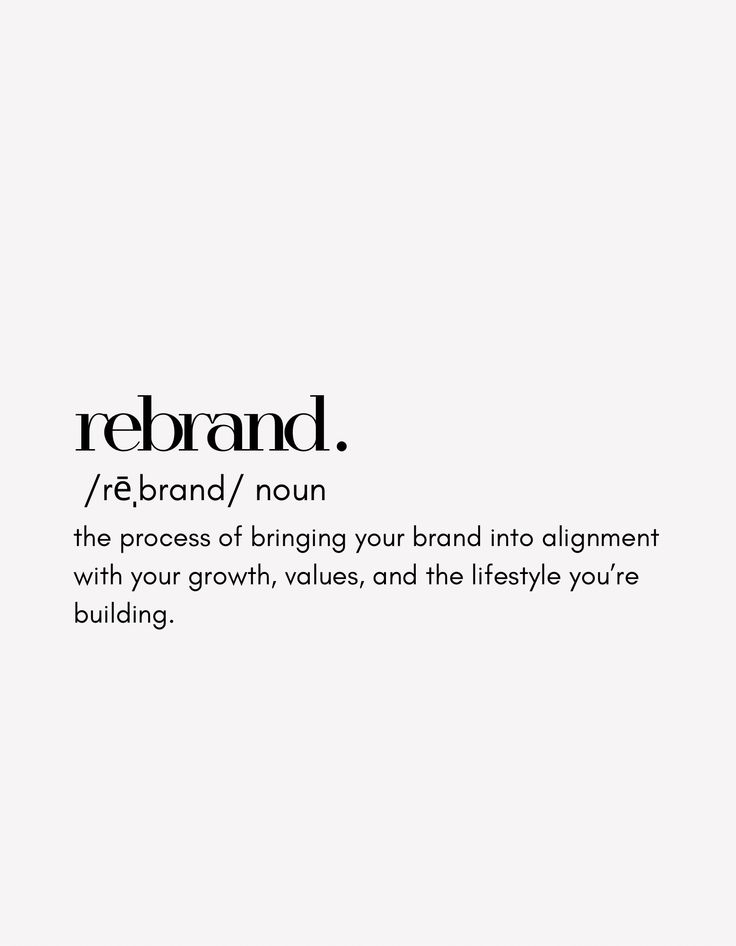
Refresh maintains core identity while updating expression—modernizing visual elements, refining messaging, or adjusting positioning while preserving recognition and equity. Rebrand fundamentally changes identity—new name, new positioning, new visual system—accepting equity loss for strategic transformation.
When to Refresh
Visual datedness without strategic misalignment. Identity looks tired but positioning remains sound. Modernization preserves equity while updating appearance.
Minor strategic adjustment. Slight positioning shift or audience expansion. Evolution accommodates change without disruption.
Implementation inconsistency. Brand fragmented through poor management. Refresh with improved governance restores coherence.
Competitive pressure requiring distinction. Competitors have modernized; brand appears behind. Update maintains competitive parity.
Merger integration where one brand dominates. Acquired brand absorbed into stronger brand. Evolutionary integration.
When to Rebrand
Fundamental strategic repositioning. Different business model; new target market; or transformed value proposition. Evolution insufficient for change magnitude.
Reputation damage requiring distance. Scandal, crisis, or negative associations. Fresh start necessary.
Name limitations constraining growth. Geographic limitation; product specificity; or trademark conflict. New name enables expansion.
Merger of equals requiring new entity. Neither brand dominates; new brand represents combination. Revolutionary creation.
Portfolio simplification eliminating confusion. Multiple brands creating complexity. Consolidation through rebrand.
Transition Strategies
Phased evolution reduces risk. Gradual introduction of new elements; overlap periods; and stakeholder education. Managed transition.
Big bang launch creates impact. Specific change date; coordinated introduction; and campaign support. Dramatic announcement.
Testing before full commitment. Market research; pilot markets; or soft launch. Validation approach.
Stakeholder communication explains rationale. Internal alignment; customer notification; and market education. Change management.
Risk Management
Equity preservation minimizes recognition loss. Maintaining core visual elements; gradual transition; and heritage references. Continuity strategies.
Confusion prevention through clear communication. Explaining changes; maintaining service continuity; and avoiding mixed messages. Clarity priority.
Stakeholder resistance management. Addressing concerns; involving influencers; and demonstrating benefits. Change support.
Implementation quality ensures change success. Professional execution; comprehensive application; and quality control. Excellence required.
Luna Graphics guides Kenyan businesses through brand change decisions and implementations, whether evolutionary refresh or revolutionary rebrand. Contact our strategy team to discuss your brand evolution needs.
Written by Ian Love
Marketing Director
Professional contributor at Luna Graphics specializing in printing and branding solutions.