
The Omnichannel Brand Imperative
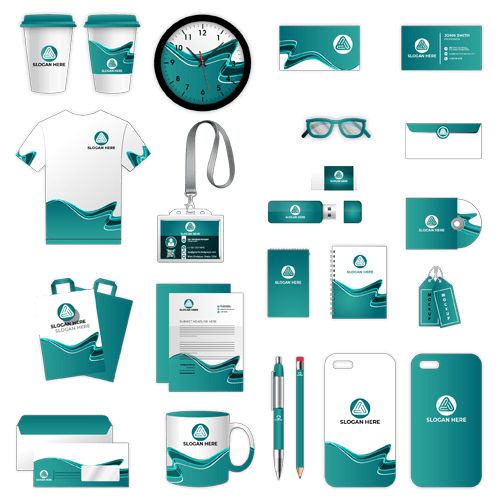
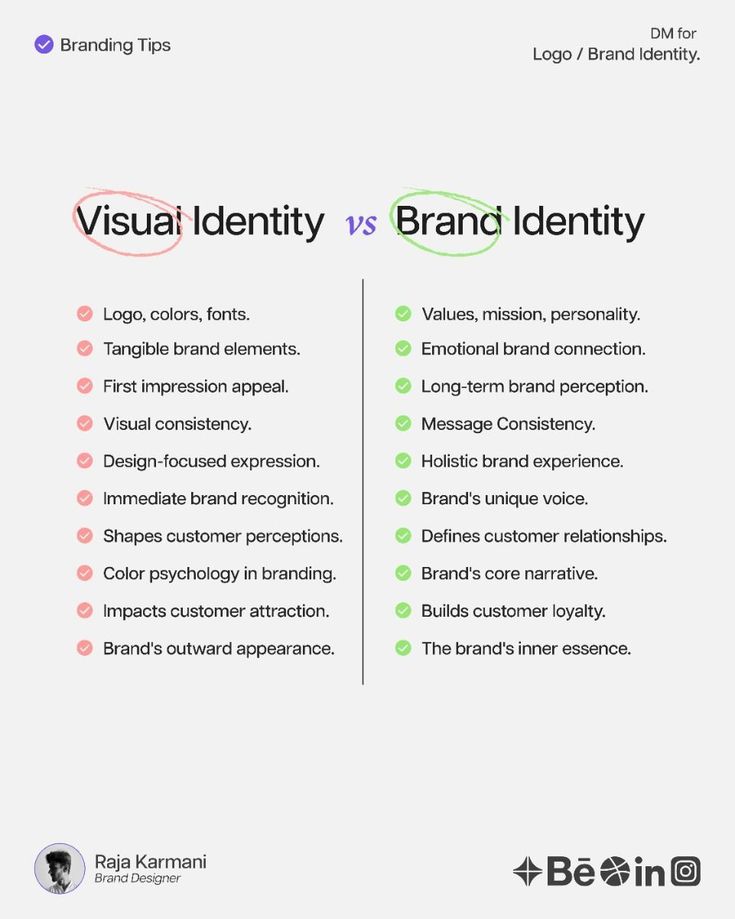
Modern brands exist simultaneously across physical and digital environments—print collateral, websites, mobile applications, social media, physical spaces, and products. Each touchpoint shapes brand perception; inconsistency across channels creates confusion, undermines credibility, and wastes marketing investment. Building consistent brand identity across print and digital channels has become essential requirement, not optional enhancement.
The challenge extends beyond visual consistency to encompass tone, experience quality, and brand promise delivery. Customers encountering brands through multiple channels expect coherent identity regardless of medium. Achieving this coherence requires systematic approaches to brand management, technical standards, and organizational coordination.
Technical Foundations: Color Across Media
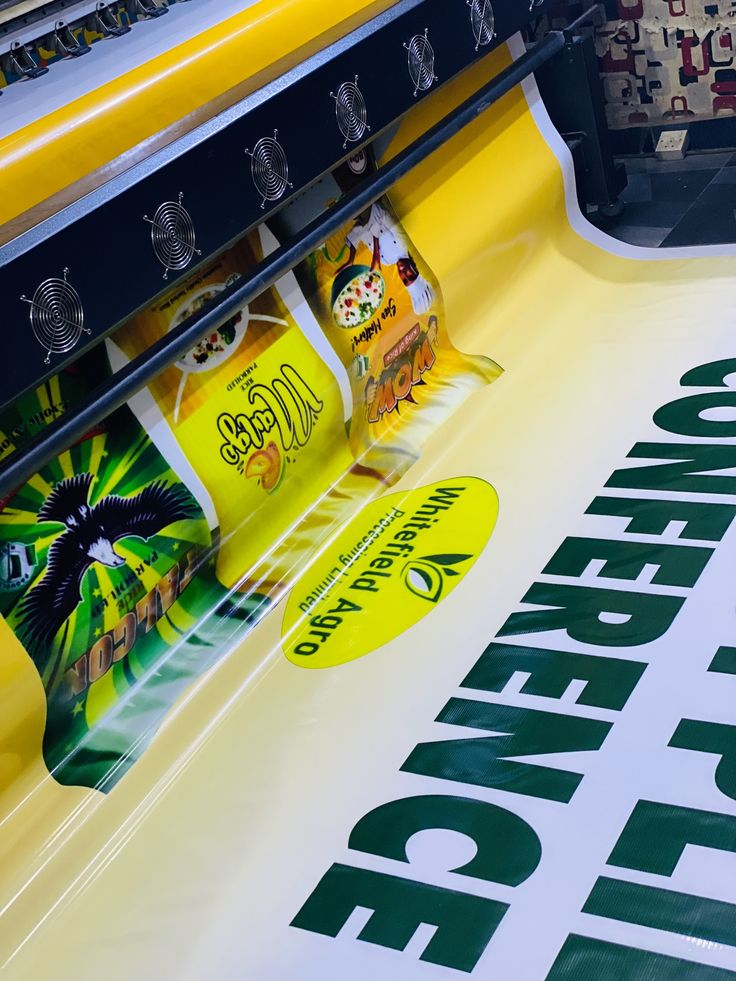
Color consistency between print and digital presents fundamental technical challenge. Print colors (CMYK, Pantone) and screen colors (RGB) operate in different color spaces with different gamuts—ranges of reproducible colors. Some vibrant screen colors cannot reproduce in print; some subtle print colors appear differently on screens.
Color management systems bridge these differences through ICC profiles—standardized descriptions of device color behavior. Calibrated monitors display predictable colors; profiled printers produce consistent output; color management software translates between spaces preserving appearance as closely as possible.
Brand color specifications must include values for all media: Pantone for spot color printing; CMYK for process printing; RGB and hex for digital screens; and sometimes RAL or other systems for environmental applications. These specifications enable consistent reproduction across channels.
Proofing across media validates consistency. Soft proofing simulates print appearance on screen; hard proofing produces physical samples for approval; cross-media proofing compares print and digital side-by-side. These processes catch discrepancies before full production.
Typography: Readable Across Contexts
Font selection must consider both print and digital performance. Some fonts designed for print fail on screen—fine details disappear at low resolutions; serifs designed for high-resolution printing blur on screens. Conversely, screen-optimized fonts may appear clunky or informal in print.
Web font technologies (WOFF, WOFF2) enable brand typography on websites without relying on system fonts. However, web fonts must be licensed for digital use; print font licenses don't automatically include web usage. Comprehensive font licensing ensures legal compliance.
Type scale systems establish consistent sizing relationships across applications. Base sizes, heading hierarchies, and spacing relationships should translate across media maintaining proportional relationships. Responsive design adapts scales appropriately for different screen sizes without breaking hierarchical relationships.
Readability standards vary by medium. Print reading typically allows smaller sizes and tighter leading than screen reading; digital interfaces require larger touch targets and clearer hierarchy; environmental graphics demand larger sizes for distance viewing. Brand typography must adapt to these requirements while maintaining recognizable character.
Visual Systems: Flexible Consistency
Logo systems provide appropriate versions for different contexts. Master logos suit primary applications; responsive logos adapt to space constraints; icon versions serve favicon and app applications; reversed versions work on dark backgrounds. Comprehensive logo systems prevent inappropriate adaptations.
Grid systems organize content consistently while accommodating different formats. Print layouts, web templates, and presentation decks share underlying grid logic—column structures, margins, and alignment principles—creating familial resemblance without rigid uniformity.
Imagery style guides ensure photographic and illustrative consistency. Treatment specifications (color grading, cropping, subject matter) create recognizable visual character whether images appear in brochures, websites, or social media. Stock photo libraries should be curated to maintain style consistency.
Graphic element systems—patterns, icons, shapes—extend brand vocabulary across applications. These elements should be designed in vector formats scalable across sizes and media, with specifications for usage contexts.
Content and Tone Consistency
Voice and tone guidelines ensure written content reflects brand personality consistently. Whether formal or casual, technical or accessible, humorous or serious, brand voice should be recognizable across channels. Tone may adapt to context—social media more casual than annual reports—while maintaining underlying voice character.
Messaging frameworks organize key brand messages for consistent repetition. Core value propositions, supporting points, and proof points should appear across channels reinforcing positioning. Message maps ensure consistent communication regardless of who creates content.
Terminology standards prevent confusing inconsistency in product names, service descriptions, and technical vocabulary. Glossaries define approved terms and usage; forbidden terms lists prevent outdated or off-brand language; naming conventions ensure systematic approach to new terminology.
Operationalizing Consistency
| Element | Print Consideration | Digital Consideration | Integration Approach |
|---|---|---|---|
| Color | CMYK/Pantone, substrate effects | RGB/hex, screen calibration | Specify all values; cross-proof |
| Typography | Font licensing, print optimization | Web font loading, screen readability | License comprehensive families |
| Imagery | Resolution, color space, reproduction | File size, responsive sizing, loading | Source high-res; optimize per channel |
| Layout | Fixed formats, pagination | Responsive, fluid layouts | Shared grid principles |
| Logo | Size minimums, clear space | Favicon, responsive SVG | Master logo system |
| Content | Long-form, detailed | Scannable, interactive | Modular content architecture |
| Experience | Tactile, physical | Interactive, immediate | Unified service standards |
Brand Management Systems
Digital Asset Management (DAM) systems organize brand materials for efficient access and usage. Centralized repositories of approved assets—logos, templates, images, guidelines—prevent use of outdated or off-brand materials. Permission controls ensure appropriate access levels.
Brand centers or guidelines websites provide self-service access to brand standards. Comprehensive documentation, downloadable assets, and usage examples enable distributed teams to implement brand correctly without constant central approval. Regular updates ensure current information.
Template systems enforce consistency through constrained design options. Presentation templates, document templates, and social media templates provide pre-approved formats that maintain brand integrity while enabling user customization. Locking critical brand elements prevents corruption.
Approval workflows ensure quality control for materials developed across organization. Routing processes, checklists, and approval authorities maintain standards without creating bottlenecks. Automated preflight checking catches technical errors before human review.
Organizational Alignment
Brand training ensures employees understand and can implement brand standards. Onboarding programs, refresher training, and specialized workshops build brand capability across organization. Training should cover both why (brand strategy) and how (technical implementation).
Brand champions or ambassadors in departments provide local expertise and support. These individuals receive advanced training and serve as first-line resources for colleagues, escalating complex issues to central brand team.
Agency and vendor management extends brand consistency to external partners. Contracts should specify brand compliance requirements; onboarding should include brand training; deliverables should be reviewed against brand standards. Partner capabilities should be evaluated before engagement.
Audit and enforcement maintain standards over time. Regular reviews of materials across channels identify drift and non-compliance; constructive feedback corrects deviations; recognition reinforces excellent implementation. Consistency requires ongoing attention.
Measuring Consistency
Brand audits systematically evaluate implementation across touchpoints. Comprehensive reviews assess visual identity, messaging, experience quality, and strategic alignment. Audit findings identify improvement priorities and track progress over time.
Customer perception research validates whether consistency efforts achieve intended recognition and coherence. Brand tracking studies assess awareness, perception, and associations; customer journey mapping identifies inconsistency pain points; mystery shopping evaluates experience consistency.
Internal metrics track operational consistency—guideline adherence rates, template usage, approval cycle times, error rates. These operational indicators predict external consistency outcomes and identify process improvements.
Luna Graphics provides integrated brand implementation across print and digital channels. Our color management expertise, cross-media production capabilities, and brand system development ensure consistent brand expression regardless of medium. Contact our brand team to discuss unifying your brand presence across all touchpoints.
Written by Ian Love
Marketing Director
Professional contributor at Luna Graphics specializing in printing and branding solutions.