
Technology Fundamentals: Mechanical vs Thermal Processing
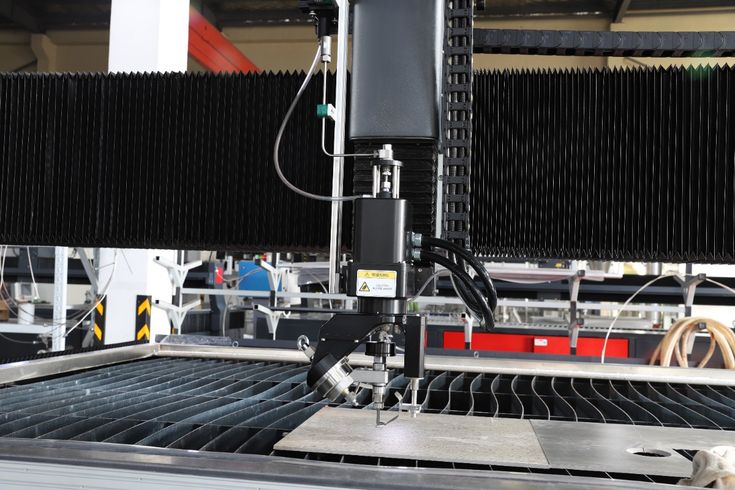
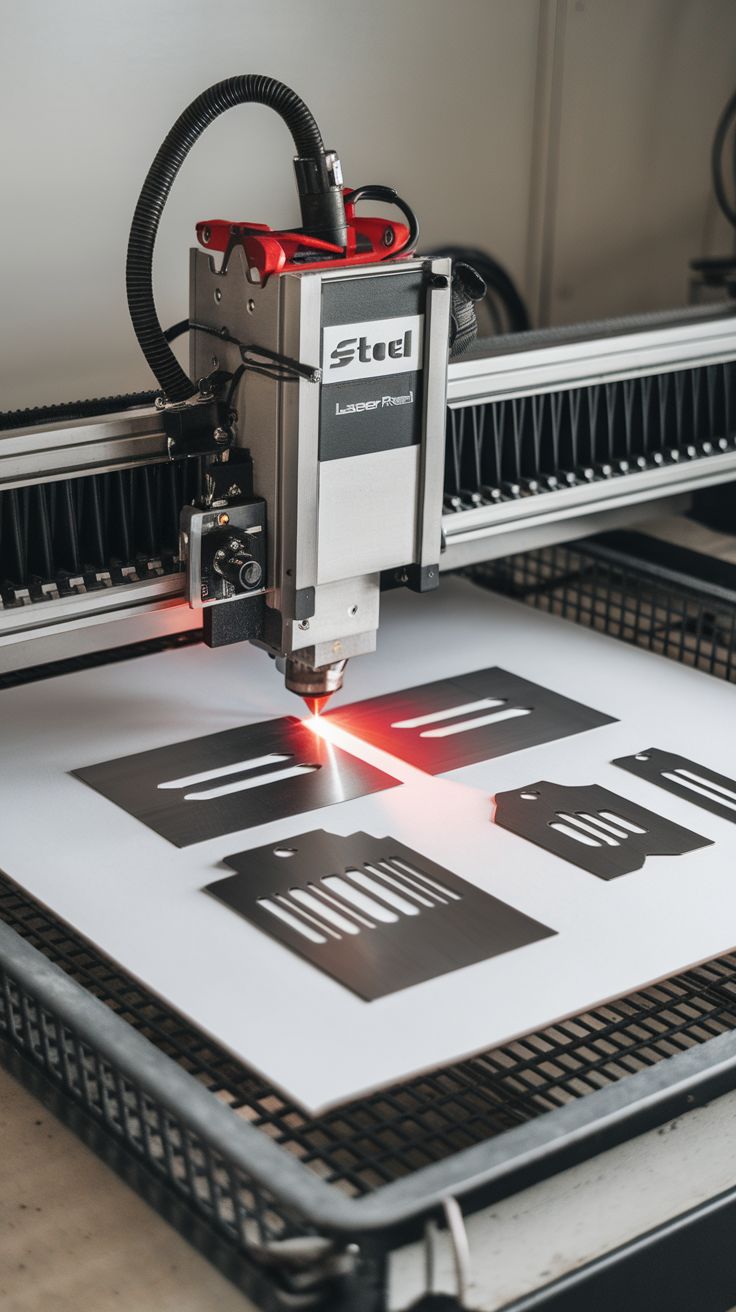
CNC cutting and laser cutting represent fundamentally different material removal methodologies, each with distinct advantages, limitations, and optimal applications. CNC cutting employs mechanical force—rotating tools physically shearing material away through direct contact. Laser cutting utilizes concentrated coherent light energy vaporizing material along cut paths. Understanding these technological differences enables informed selection matching project requirements to manufacturing capabilities.
CNC routing/milling dominates three-dimensional machining and thick material processing, where physical tool engagement enables variable depth cutting, pocketing operations, and surface contouring. Laser cutting excels in two-dimensional profile cutting of thinner materials, producing exceptional edge quality in sheet goods through non-contact thermal processing. Neither technology universally outperforms the other; rather, they complement each other in comprehensive manufacturing operations.
The Kenyan market reflects global patterns where CNC cutting maintains broader adoption due to versatility and lower equipment costs, while laser cutting serves specialized applications demanding fine detail or specific material processing. Many facilities, including Luna Graphics, operate both technologies, selecting optimal methods per project requirements rather than forcing material-process mismatches.
Precision and Tolerances Comparison
Both technologies achieve high precision exceeding manual methods, though through different mechanisms. CNC cutting precision depends on mechanical rigidity, tool sharpness, and control system resolution. Standard industrial CNC routers maintain ±0.025mm positioning accuracy with cut tolerances typically ±0.05-0.1mm depending on material and tooling. Laser cutting achieves comparable or superior positional accuracy (±0.01mm common) with cut width determined by beam kerf (typically 0.1-0.3mm).
Material behavior affects achievable precision differently. CNC cutting may induce material movement through mechanical force, particularly in thin or flexible sheets, requiring careful workholding. Thermal distortion from laser cutting affects heat-sensitive materials or thick sections where heat dissipation creates edge irregularities. For most applications in typical materials (under 25mm wood, under 6mm metal), both technologies deliver precision adequate for functional and aesthetic requirements.
Repeatability favors both automated technologies over manual methods. CNC cutting produces identical parts across production runs through programmed toolpaths. Laser cutting maintains consistency through fixed optical paths and power settings. Long production runs show minimal variation with either method when machines receive proper maintenance and calibration.
Material Compatibility and Thickness Capabilities
| Material/Thickness | CNC Cutting Performance | Laser Cutting Performance | Recommended Method |
|---|---|---|---|
| Wood/MDF <12mm | Excellent, clean edges | Good, slight charring | CNC for 3D, Laser for detail |
| Wood/MDF 12-50mm | Excellent, standard capability | Poor, excessive burning | CNC only |
| Acrylic <10mm | Good, requires polishing | Excellent, flame-polished edge | Laser preferred |
| Acrylic >10mm | Good, clean cut possible | Limited, slow cutting | CNC preferred |
| Aluminum <3mm | Good with proper tooling | Excellent, clean edge | Laser for thin, CNC for thick |
| Aluminum 3-12mm | Excellent standard capability | Limited, requires high power | CNC preferred |
| Steel/Mild <6mm | Possible with rigid machine | Excellent, standard capability | Laser strongly preferred |
| Plastics/Composites | Excellent, material dependent | Variable, thermal issues common | Material-specific selection |
| Foam/Light materials | Good, hold-down challenges | Excellent, fast processing | Laser preferred |
Material thickness represents a primary selection criterion. CNC cutting handles virtually unlimited thickness limited only by machine Z-axis capacity and tool length—routinely processing 50mm+ wood, 25mm+ aluminum, and substantial plastics. Laser cutting practical thickness limits vary by material and laser power: 25-30mm wood, 12-20mm acrylic, 6-12mm steel with standard industrial CO2 lasers. Fiber lasers extend metal cutting capabilities but remain less common in Kenyan market.
Material type influences technology selection significantly. Reflective metals (copper, brass, aluminum) challenge laser cutting due to beam reflection, though modern systems handle these with appropriate parameters. PVC and vinyl release chlorine gas when laser cut, creating hazardous conditions and equipment damage—CNC cutting is mandatory. Fabrics and leather cut beautifully with laser's sealed edges preventing fraying, while CNC cutting may snag or distort textiles.
Edge Quality and Finish Requirements
Edge characteristics differ substantially between technologies. CNC cutting produces mechanical shear surfaces with visible tooling marks requiring sanding or finishing for premium appearance. Sharp internal corners require small-radius tools leaving slight radii (typically 1-3mm minimum). Edge quality varies with tool condition, feed rates, and material characteristics—optimizing parameters produces smooth edges, while aggressive cutting leaves rough surfaces.
Laser cutting generates thermal cut edges with distinct characteristics. Wood and acrylic show slight taper (1-3 degrees) due to beam divergence, usually imperceptible in thin materials but noticeable in thick sections. Acrylic laser cutting produces self-polishing "flame-polished" edges of exceptional clarity. Wood exhibits darkening or charring requiring cleaning or acceptance as aesthetic feature. Metals show heat-affected zones (HAZ) with altered metallurgical properties near cut edges.
Post-processing requirements affect total project economics. CNC cut edges often require sanding, particularly in visible applications or before coating. Laser cut acrylic typically needs no edge finishing. Painted applications mask edge differences, while clear-finished or exposed-edge designs must consider native edge appearance. Tight-tolerance fitting applications may require machining allowances accounting for edge characteristics.
Speed and Production Efficiency
Cutting speed comparisons require nuanced analysis. Laser cutting generally achieves higher linear speeds in thin materials—processing 10mm acrylic at 1,500-3,000 mm/minute versus CNC cutting at 800-1,500 mm/minute. However, laser cutting requires piercing time at start points and may need multiple passes for thick materials, while CNC cutting maintains consistent feed rates through full depth.
Setup time favors laser cutting for simple 2D profiles—loading sheet material and starting programs requires minimal intervention. CNC cutting demands tool selection, workholding setup, and often longer program verification. For complex 3D operations, CNC setup time investment pays dividends through comprehensive machining capability impossible with laser.
Nesting and material utilization show comparable efficiency. Both technologies optimize part arrangement on sheet goods to minimize waste. Laser cutting's narrow kerf (0.1-0.3mm) offers slight material savings over typical CNC end mills (3-6mm diameter), though this advantage diminishes in larger parts where kerf width becomes negligible percentage of total area.
Cost Structures and Investment Requirements
Equipment investment differs dramatically. Entry-level CNC routers suitable for wood and plastic start at KES 800,000-1,500,000, while industrial systems range KES 3,000,000-15,000,000+. Laser cutting equipment commands premium pricing—quality CO2 laser systems begin around KES 2,500,000 for basic capabilities, with high-power metal-cutting fiber lasers exceeding KES 10,000,000. This investment differential affects service pricing and provider availability.
Operating costs include consumables and maintenance. CNC cutting requires tool replacement (KES 500-5,000 per tool depending on type and quality) with life varying by material and parameters. Laser cutting consumes assist gases (oxygen, nitrogen) for metal cutting, optics requiring periodic replacement, and higher electricity consumption. Maintenance complexity favors CNC systems with more mechanical components but established service networks.
Per-project pricing reflects these cost structures. Simple 2D cutting in thin acrylic typically costs less via laser due to speed and minimal tooling. Thick material processing, 3D contouring, or materials unsuitable for laser favor CNC pricing. Volume production amortizes setup costs differently—CNC benefits from automated tool changing and fixture systems, while laser excels in unattended sheet processing.
Application-Specific Recommendations
Signage and Display: Laser cutting dominates acrylic lettering and intricate 2D components requiring polished edges. CNC cutting handles dimensional signage, routed substrates, and thick material applications. Combined approaches—laser cutting acrylic faces with CNC routed returns—optimize multi-material signage.
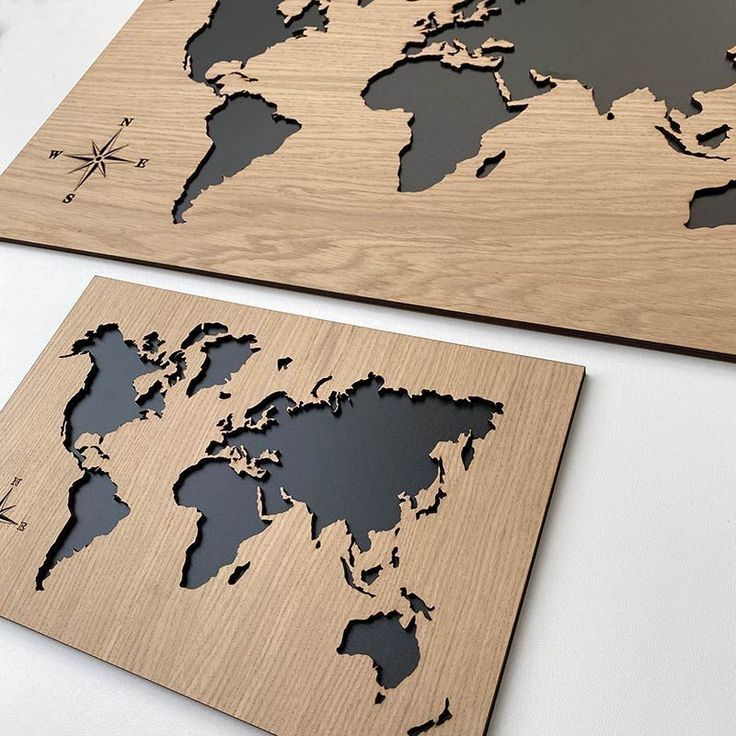
Furniture Manufacturing: CNC cutting prevails due to thickness requirements, joinery details, and surface contouring needs. Laser cutting serves specialty inlay work or decorative surface patterns in veneers.
Architectural Panels: Selection depends on material and design. Perforated metal screens suit laser cutting. Wood or composite decorative panels typically utilize CNC routing for depth variation and thick material capability.
Prototyping: CNC cutting offers broader material flexibility for functional prototypes. Laser cutting accelerates iterative development in suitable materials with minimal setup requirements.
Industrial Components: Metal fabrication heavily favors laser cutting for sheet metal work, while CNC machining handles thicker stock, 3D features, and materials requiring mechanical processing.
Luna Graphics operates both CNC cutting and laser cutting capabilities, providing unbiased technology recommendations based on project requirements. Our consultation process analyzes material specifications, design complexity, volume needs, and finish requirements to specify optimal manufacturing methods. Contact our engineering team to discuss your project and receive technology-specific quotations ensuring best-value production.
Written by Ian Love
Marketing Director
Professional contributor at Luna Graphics specializing in printing and branding solutions.