
Understanding CNC Cutting Technology Fundamentals
Computer Numerical Control (CNC) cutting represents a manufacturing paradigm where pre-programmed computer software dictates factory tools and machinery movement. Unlike manual machining requiring constant operator guidance, CNC cutting automates precision manufacturing through digital instructions, enabling complex geometries, consistent replication, and micron-level accuracy across diverse materials.
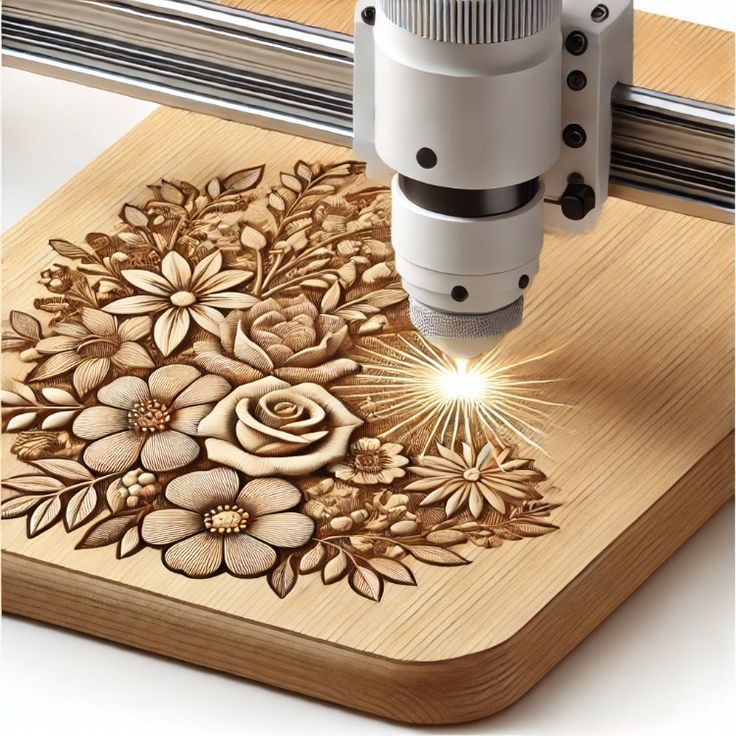
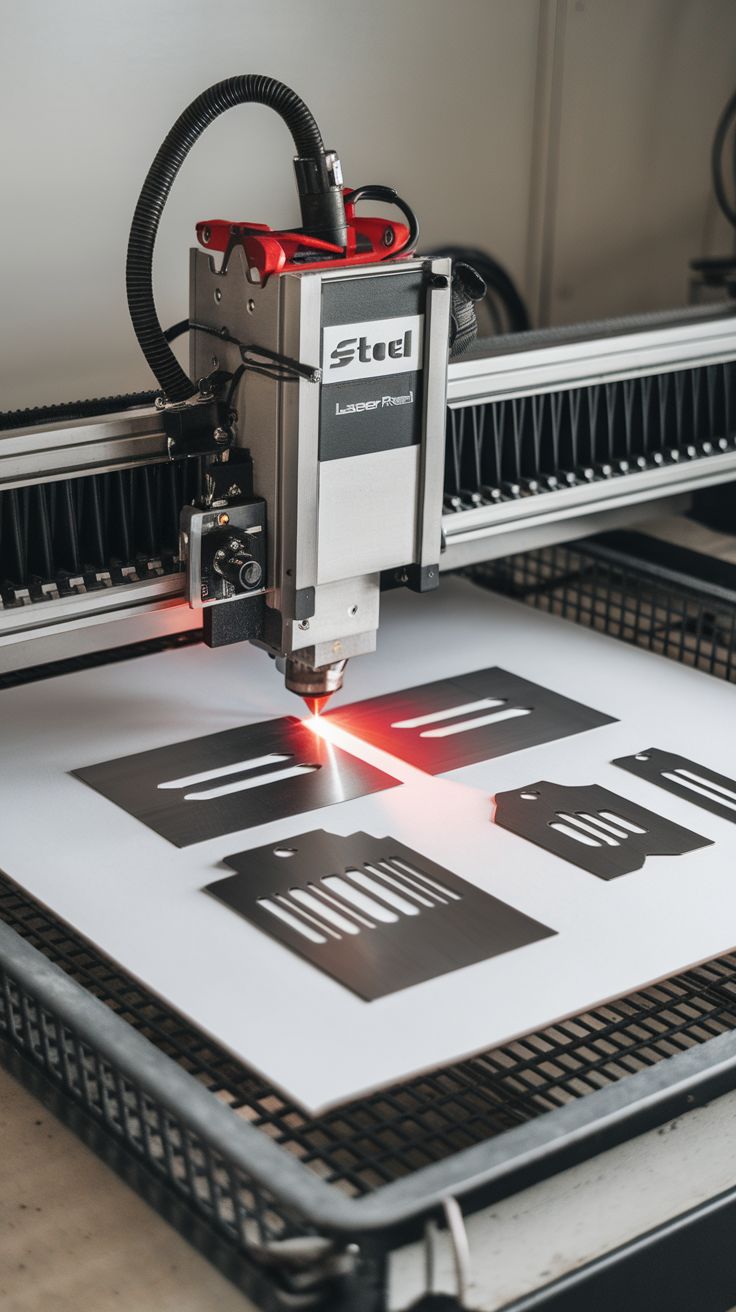
The technology emerged from numerical control (NC) concepts developed in the 1940s and 1950s, evolving dramatically with computer integration in the 1970s. Modern CNC cutting encompasses multiple processes including routing, milling, plasma cutting, and laser cutting—though the term most commonly refers to mechanical cutting using rotating tools. This versatility makes CNC cutting indispensable across industries from furniture manufacturing to aerospace engineering.
At its core, CNC cutting bridges digital design and physical production. Designers create models using CAD (Computer-Aided Design) software, which CAM (Computer-Aided Manufacturing) systems convert into machine-readable G-code. This code provides precise coordinates, speeds, and tooling instructions that guide cutting heads through material removal operations. The result transforms raw sheets or blocks into finished components with tolerances impossible through manual methods.
The CNC Cutting Process: From Design to Finished Product
The CNC cutting workflow begins with digital design creation. Engineers or designers develop 2D profiles or 3D models using software like AutoCAD, SolidWorks, or Fusion 360. These designs undergo optimization for manufacturability—ensuring features accommodate tooling limitations, material constraints, and structural requirements. Design files typically export as DXF, DWG, or STL formats compatible with CAM processing.
CAM software translates designs into machine instructions through post-processing. Operators define cutting parameters including tool selection, spindle speeds, feed rates, and cutting depths based on material properties and desired finish quality. The software simulates operations to detect collisions, optimize toolpaths for efficiency, and calculate production times. This virtual validation prevents costly errors before physical cutting begins.
Machine setup follows program preparation. Operators secure workpieces using vacuum tables, clamps, or fixtures ensuring stability during cutting operations. Tool changers load appropriate cutting bits—varying in diameter, flute count, and material composition for specific operations. The CNC controller reads G-code line-by-line, directing servo motors to position cutting heads with positional accuracy typically within ±0.025mm (0.001 inches).
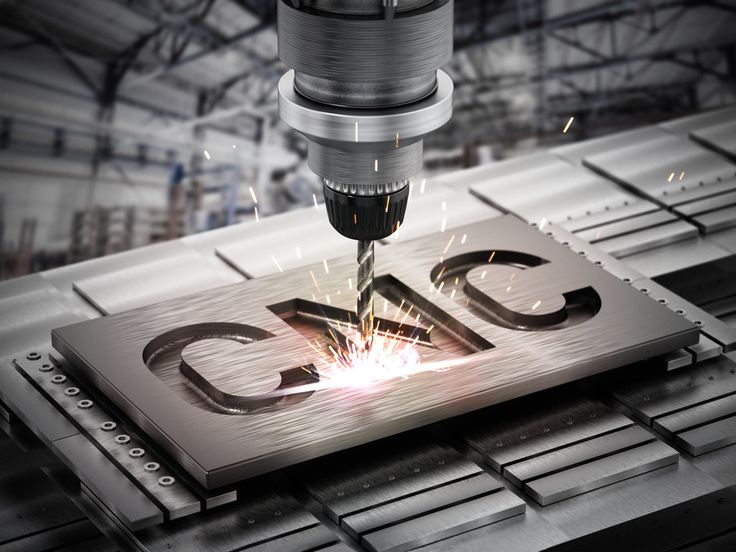
During cutting operations, rotating tools remove material through shearing action. High-speed spindles (ranging 3,000-60,000 RPM depending on material) spin carbide or high-speed steel cutters while linear axes (X, Y, Z) position the tool relative to the workpiece. Advanced systems include additional rotary axes (A, B, C) enabling complex 3D contouring and undercut features impossible with three-axis machines.
Key Components of CNC Cutting Systems
| Component | Function | Specifications | Impact on Quality |
|---|---|---|---|
| Controller | Interprets G-code, manages motion | DSP, Fanuc, Siemens, Mach3 | Determines precision and speed |
| Spindle Motor | Rotates cutting tools | 3HP-20HP, 3,000-60,000 RPM | Affects cut quality and material capability |
| Linear Guides | Enable precise axis movement | Ball screws, rack and pinion | Determines positioning accuracy |
| Drive Motors | Power axis movement | Servo or stepper motors | Controls speed and torque |
| Tool Changer | Automatic tool switching | 6-24 tool capacity | Enables complex operations |
| Vacuum Table | Workpiece holding system | Zone-controlled suction | Prevents movement during cutting |
| Dust Collection | Removes debris and particles | CFM-rated extraction | Maintains cut quality and safety |
G-Code: The Language of CNC Cutting
G-code serves as the universal programming language for CNC machines, consisting of alphanumeric commands controlling every machine function. Despite visual complexity, G-code follows logical structure where G-commands define motion types (linear, circular, rapid positioning), M-commands manage auxiliary functions (spindle on/off, coolant activation), and coordinate words (X, Y, Z) specify positions.
Modern CAM software generates G-code automatically, yet understanding fundamentals aids troubleshooting and optimization. For example, G01 commands linear interpolation at specified feed rates, while G02/G03 execute clockwise/counter-clockwise arcs. Parameters like F (feed rate), S (spindle speed), and T (tool selection) appear throughout programs, requiring coordination with material specifications for optimal results.
Advanced programming includes tool compensation (G41/G42) automatically offsetting toolpaths based on cutter diameter, ensuring dimensional accuracy regardless of tool wear or replacement. Subprograms and macros enable repetitive operations, while parametric programming allows variable-driven designs where dimensions adjust automatically—ideal for customizable product lines.
Materials and Applications
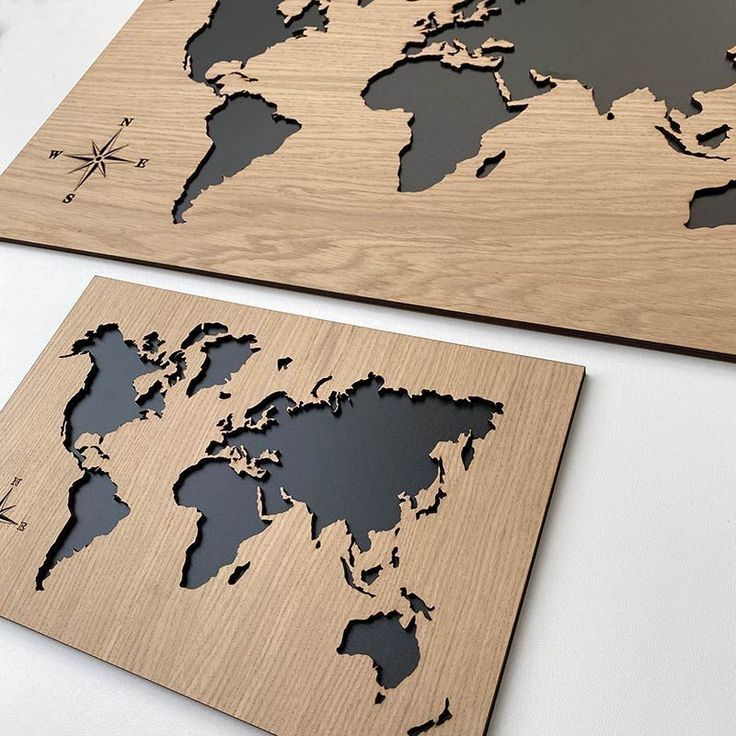
CNC cutting accommodates virtually any machinable material, each requiring specific tooling and parameters. Wood and wood composites (MDF, plywood, particleboard) represent common substrates in furniture and interior industries, cutting cleanly with carbide tools at high speeds. Plastics including acrylic, PVC, and polycarbonate machine well with optimized feeds to prevent melting or chipping.
Non-ferrous metals—aluminum, brass, copper—cut efficiently on capable CNC routers with appropriate cooling and chip evacuation. Steel and stainless steel require more robust CNC mills with rigid construction and flood coolant systems. Composite materials like carbon fiber and fiberglass demand specialized tooling and dust containment due to abrasive properties and health hazards.
Applications span industries and scales. Signage manufacturers produce dimensional lettering and logos. Furniture makers cut complex joinery and decorative profiles. Construction companies fabricate architectural panels and decorative screens. Product designers create prototypes and production molds. The technology's versatility stems from tool interchangeability and programmable precision.
Precision and Tolerances
CNC cutting achieves remarkable precision through mechanical rigidity, control system sophistication, and environmental stability. Standard industrial CNC routers maintain positioning accuracy of ±0.025mm (0.001 inches) with repeatability of ±0.01mm. High-precision machines achieve ±0.005mm tolerances suitable for aerospace and medical applications.
Factors affecting precision include machine calibration, thermal expansion, tool deflection, and material movement. Professional operations implement regular maintenance schedules, temperature-controlled environments, and workpiece securing systems minimizing variables. Understanding tolerance requirements prevents over-specification—unnecessarily tight tolerances increase costs without functional benefit.
Advantages Over Traditional Methods
CNC cutting eliminates human error variability, producing identical parts whether manufacturing one unit or one thousand. Complex geometries—curves, pockets, 3D contours—execute consistently without template creation or skilled hand-crafting. Production speeds exceed manual methods, with machines operating continuously unattended during cutting cycles.
Design changes require only software modifications, enabling rapid prototyping and customization without tooling investment. Material utilization optimizes through nesting algorithms arranging parts efficiently on sheet goods, reducing waste and cost. Safety improves as operators remain distant from cutting operations, interacting primarily during setup and material handling.
Luna Graphics operates advanced CNC cutting capabilities serving Kenya's manufacturing, construction, and creative industries. Our multi-axis routers handle materials from delicate acrylic to substantial aluminum, delivering precision components for signage, furniture, interiors, and architectural applications. Contact our technical team to discuss your project requirements and discover how CNC cutting transforms your manufacturing capabilities.
Written by Ian Love
Marketing Director
Professional contributor at Luna Graphics specializing in printing and branding solutions.