
The Precision of Plastic CNC Cutting
Acrylic and plastic sheet materials transform under CNC cutting into precise components for signage, displays, product housings, and creative applications. Unlike wood with grain structure or metals with machining challenges, plastics offer uniform composition enabling predictable, consistent cutting results. However, thermal sensitivity and material-specific behaviors require parameter optimization preventing melting, chipping, or poor surface finish.
CNC cutting provides advantages over laser cutting for thick plastics, 3D features, and materials unsuitable for thermal processing. While laser cutting excels in thin acrylics with polished edges, CNC routing handles heavy sections, creates beveled edges, machines pockets and reliefs, and processes materials like PVC that release hazardous fumes when laser cut. Understanding when CNC cutting optimizes plastic processing ensures appropriate technology selection.
Kenyan plastic CNC cutting serves robust signage industry, growing retail display sector, and industrial applications requiring precision plastic components. Material availability through distributors in Nairobi and Mombasa supports diverse project requirements from standard acrylics to engineering plastics.
Acrylic (PMMA) CNC Cutting
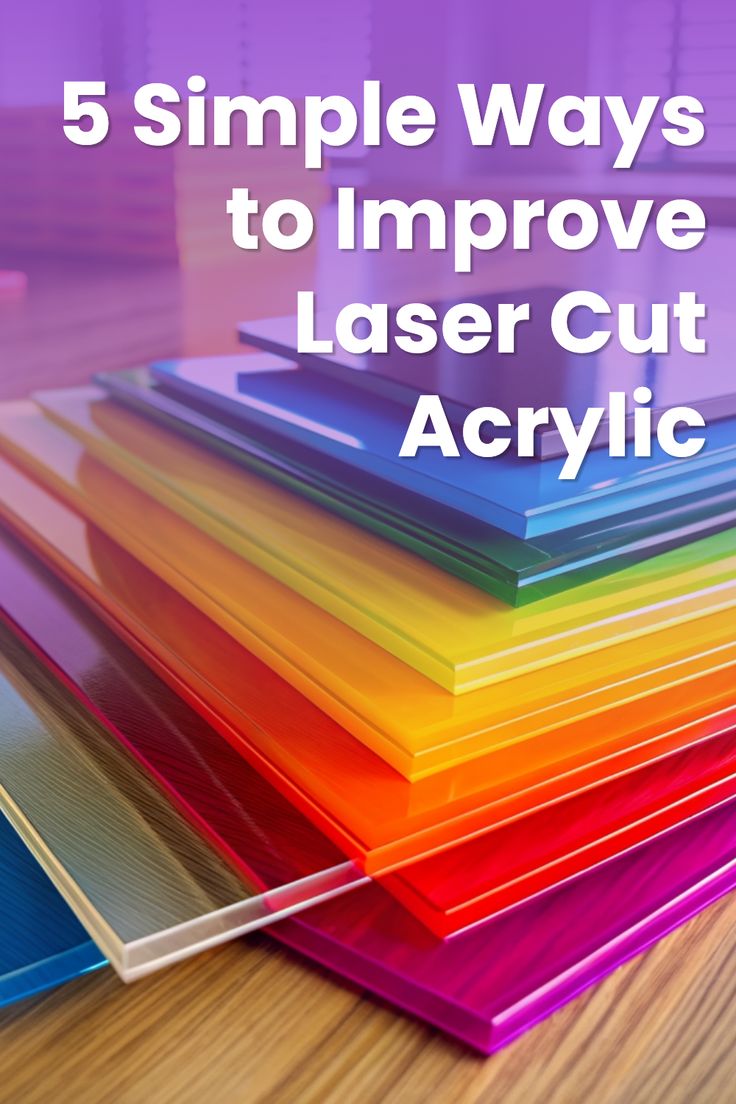
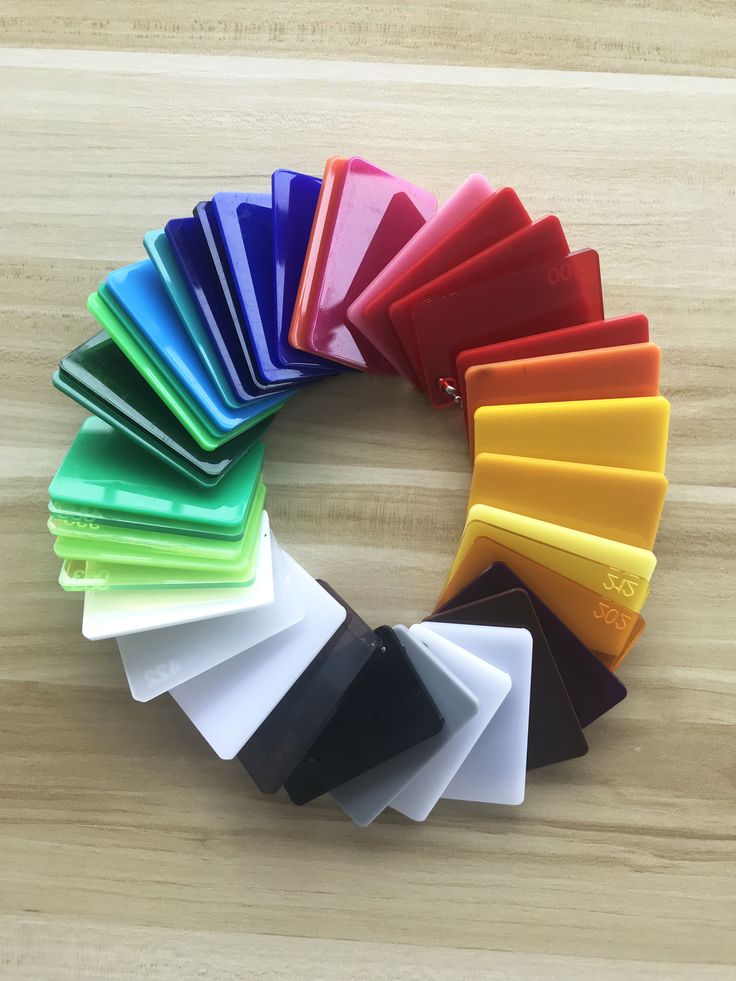
Cast vs. Extruded Acrylic: Two manufacturing methods create distinct material characteristics relevant to CNC cutting. Cast acrylic offers superior optical clarity, chemical resistance, and thermoforming capability, with slight thickness variation (±5%) and higher cost. Extruded acrylic provides consistent thickness (±2%), economical pricing, and slightly lower optical quality. Both machine well, though cast acrylic's higher molecular weight requires slightly more aggressive cutting parameters.
Cutting Parameters: Acrylic cutting requires balancing speed to prevent melting against feed rates ensuring clean shearing. Optimal parameters vary by thickness:
- Thin (2-5mm): High spindle speed (20,000-24,000 RPM), moderate feed (8-12 m/min), single pass
- Medium (6-12mm): High spindle speed, conservative feed (6-10 m/min), single or light multi-pass
- Thick (15-25mm+): Moderate spindle speed (18,000-22,000 RPM), slow feed (4-8 m/min), multi-pass recommended
Tool selection critically affects edge quality. Single-flute or O-flute (spiral with open design) carbide tools optimized for plastic cutting provide excellent chip evacuation preventing re-cutting and melting. Standard woodworking tools may work but risk poor finish. Tool sharpness essential—worn tools generate heat causing edge degradation.
| Acrylic Thickness | Spindle Speed (RPM) | Feed Rate (m/min) | Tool Type | Edge Quality |
|---|---|---|---|---|
| 2-5mm | 20,000-24,000 | 10-15 | Single-flute O-flute | Excellent, minimal polish needed |
| 6-10mm | 20,000-24,000 | 8-12 | Single-flute or 2-flute | Very good, light polish |
| 12-20mm | 18,000-22,000 | 6-10 | 2-flute, sharp | Good, edge finishing recommended |
| 20-30mm | 18,000-20,000 | 4-8 | Specialized plastic tools | Fair, requires finishing |
| Cast (all) | Reduce 10% | Reduce 10% | Sharp carbide | Excellent, harder material |
Chip Evacuation and Cooling: Acrylic chips tend to re-weld to cut edges if not cleared promptly. Vacuum extraction essential; compressed air assist beneficial. Some operators use mist coolant (water-soluble) for thick sections, though dry cutting preferred for edge clarity. Workholding must prevent movement without marking delicate surfaces—vacuum tables with felt padding or low-tack double-sided tape.
Other Plastic Materials
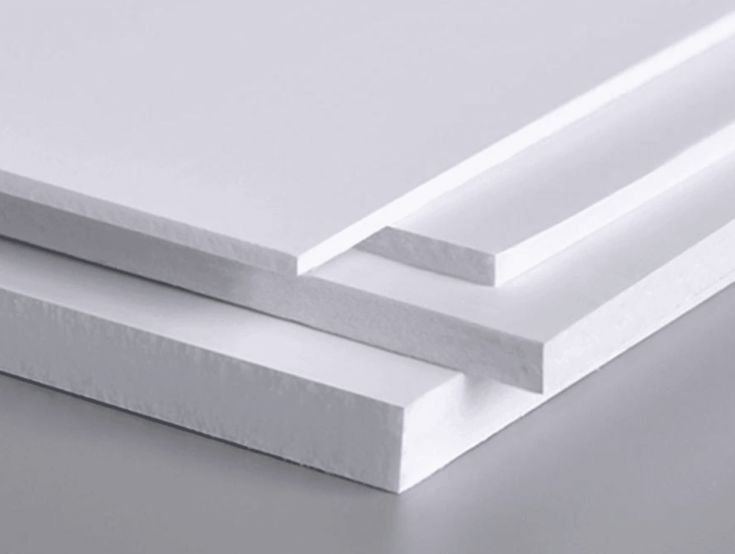
PVC (Polyvinyl Chloride): Rigid PVC and expanded PVC foam (Forex, Palight, Celtec) machine very differently. Rigid PVC cuts similarly to acrylic with sharp tooling, though slightly softer and more flexible. Expanded PVC (density 300-600 kg/m³) cuts extremely easily—almost too easily, requiring careful feed control to prevent tearing. PVC dust potentially hazardous; adequate extraction essential. Never laser cut PVC—releases chlorine gas.
Polycarbonate: High-impact transparent plastic significantly tougher than acrylic. More challenging to CNC cut due to toughness and melting tendency. Requires very sharp tools, conservative feeds, and excellent chip evacuation. Tends to burr and require post-machining cleanup. Applications requiring impact resistance justify machining challenges.
Engineering Plastics: Nylon, acetal (Delrin), UHMW polyethylene, and PTFE offer specific mechanical properties. These materials machine cleanly with sharp carbide tooling, producing precision mechanical components. Nylon's moisture absorption requires consideration for tight-tolerance parts—machine slightly oversize to accommodate swelling. Delrin machines beautifully with excellent dimensional stability. UHMW's low friction characteristics make it ideal for sliding components but requires sharp tools to prevent material tearing.
High-Pressure Laminates (HPL): Decorative laminates (Formica, Wilsonart) CNC cut for countertop components, signage, and decorative panels. Abrasive paper layers quickly dull standard tooling—diamond or specialized laminate cutters required. Chip-out prevention on decorative faces critical; compression tooling or scoring passes recommended.
Edge Finishing and Polishing
CNC-cut acrylic edges require finishing for optical clarity. Cut edges appear frosted or striated from tooling marks, unacceptable for visible applications. Several finishing methods restore transparency:
Flame Polishing: Rapid pass with propane or hydrogen flame melts surface creating glossy finish. Fast and effective for straight edges; requires skill to avoid overheating causing distortion or bubbles. Not suitable for complex curves or heat-sensitive applications.
Buffing and Polishing: Progressive sanding (400 to 2000 grit) followed by polishing compound achieves excellent clarity without thermal risks. Labor-intensive but suitable for all geometries. Pneumatic or electric polishers with foam pads speed process.
Chemical Polishing: Solvent application (methylene chloride, specialized acrylic cements) dissolves surface creating gloss. Effective for intricate shapes flame polishing cannot access. Requires ventilation and safety precautions; may affect dimensional precision slightly.
Edge Quality by Cutting Method: CNC cutting produces edges requiring finishing for premium appearance. Laser cutting (on thin sections) provides self-polishing edges but limited to 2D profiles. For thick acrylic or 3D features, CNC cutting plus post-finishing optimizes results.
Applications and Design Considerations
Signage and Lettering: Acrylic's optical clarity and weather resistance make it premier signage material. CNC cutting produces dimensional letters, logo elements, and display components with precise profiles. Painted faces with clear edges, layered constructions creating depth, and integrated mounting features all enabled by CNC precision.
Retail Displays: Point-of-sale fixtures, product stands, and showcase elements utilize acrylic's transparency and machinability. CNC cutting creates slots for product placement, holes for hardware, and decorative profiling. Frosted or textured surfaces add visual interest.
Product Prototyping: Clear acrylic prototypes simulate glass or lens components; engineering plastics prototype functional mechanical parts. CNC cutting enables rapid iteration without tooling investment. Transparent prototypes particularly valuable for consumer product development and lighting design.
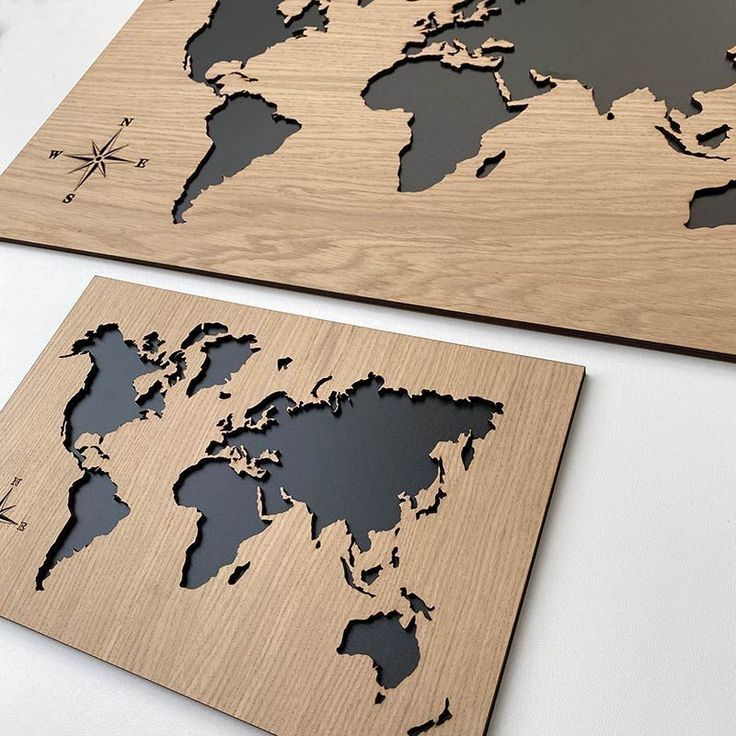
Architectural Elements: Decorative panels, room dividers, and lighting features exploit acrylic's light transmission and formability. CNC cutting creates intricate patterns, diffusion features, and mounting systems. Integration with LED lighting common in contemporary interiors.
Industrial Components: Machine guards, inspection windows, and fluid handling components utilize polycarbonate impact resistance or acrylic clarity. CNC machining creates mounting features, ports, and precise dimensions for equipment integration.
Design for Plastic CNC Cutting
Internal Corners: CNC tools leave radii equal to tool radius. Design internal corners with minimum 1mm radius (preferably matching tool radius) or specify sharp corner requirements requiring secondary chiseling. Avoid assumed sharp corners in plastic designs.
Wall Thickness: Maintain minimum 2-3mm wall thickness for structural integrity; thinner sections flex and potentially break during machining or handling. Ribs and gussets strengthen large panels without excessive weight.
Draft Angges: For parts requiring mold-release characteristics or aesthetic taper, CNC cutting creates draft angles through profiling or multi-axis machining. Specify draft requirements clearly in technical drawings.
Surface Protection: Acrylic surfaces scratch easily. Specify protective film retention during cutting where possible, or plan for surface refinishing. Masking critical surfaces during handling and installation prevents damage.
Luna Graphics specializes in acrylic and plastic CNC cutting for Kenya's signage, display, and industrial markets. Our expertise in material-specific parameters and edge finishing ensures premium results across plastic types and applications. Contact our technical team to discuss your plastic CNC cutting requirements and discover precision solutions for your projects.
Written by Ian Love
Marketing Director
Professional contributor at Luna Graphics specializing in printing and branding solutions.