
Why Acrylic Dominates Laser Cutting Applications
Acrylic (polymethyl methacrylate or PMMA) stands as the premier material for laser cutting, offering unmatched combination of aesthetic quality, processing characteristics, and versatility. When laser cut, acrylic achieves flame-polished edges of optical clarity impossible with mechanical cutting methods. This characteristic alone justifies acrylic's popularity for signage, displays, and premium products where edge appearance matters. Beyond aesthetics, acrylic's consistent composition enables predictable cutting behavior, material availability ensures supply security, and color variety supports diverse design expressions.
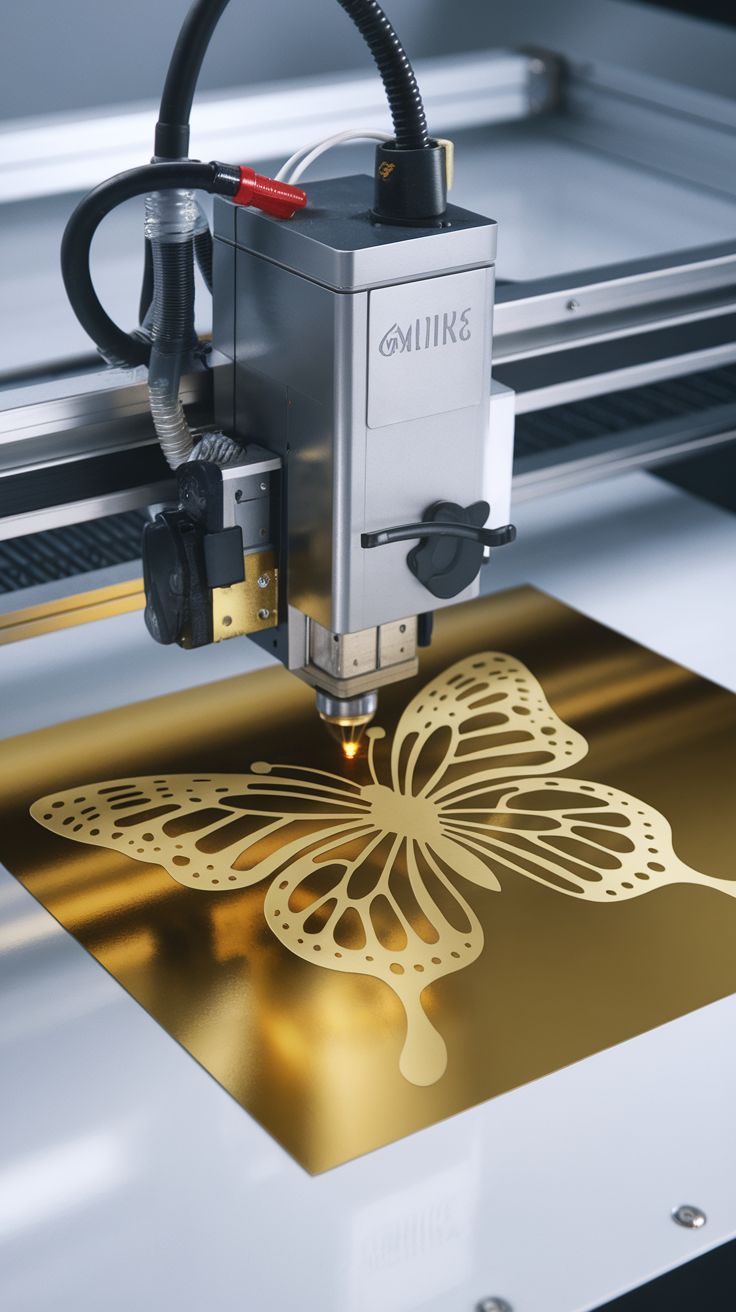
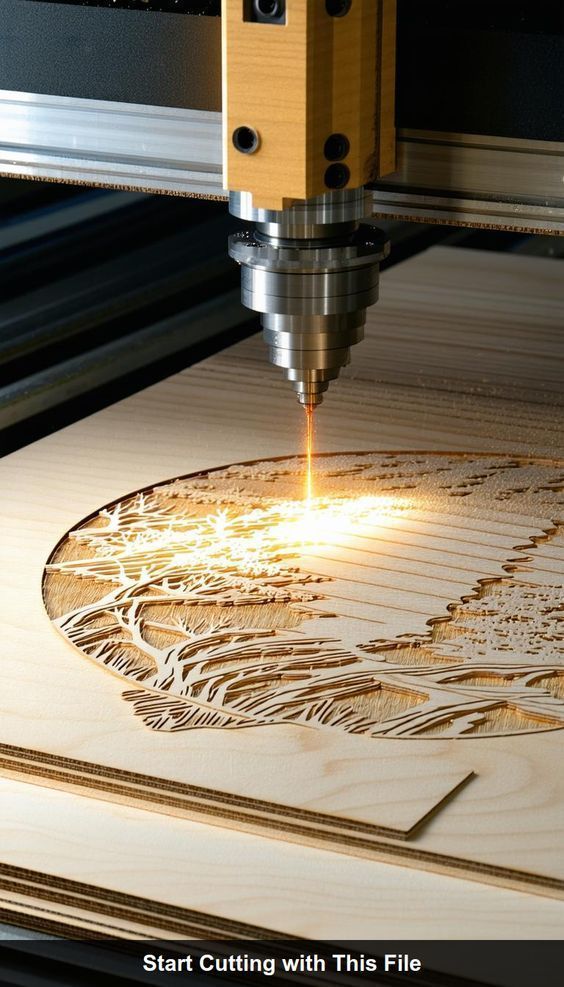
The laser cutting process with acrylic involves vaporization of material along cut paths, with residual heat polishing edges to transparent smoothness. This thermal polishing eliminates mechanical finishing requirements, reducing production costs and timeline. Edge quality depends on proper parameter selection—power, speed, and air assist balance—to achieve clean cuts without melting or charring. Mastering these parameters separates professional results from amateur attempts.
Cast versus extruded acrylic types offer different characteristics for laser cutting. Cast acrylic, manufactured by pouring liquid resin between glass plates, offers superior optical clarity, surface quality, and chemical resistance. It cuts with slightly more resistance but achieves better edge polish. Extruded acrylic, produced by pushing resin through dies, costs less and cuts faster but shows slightly inferior optical properties and more variation in thickness. For premium applications, cast acrylic justifies cost premiums; for functional or painted applications, extruded performs adequately.
Acrylic Types and Applications
Clear acrylic represents the most common form, valued for optical transparency exceeding glass (92% light transmission), lightweight (half the weight of glass), and impact resistance (17x stronger than glass). Clear acrylic cuts with crystal edges suitable for glazing, displays, and optical applications. Standard thicknesses from 1mm to 25mm accommodate diverse applications, with 3mm and 6mm most common for signage and fabrication.
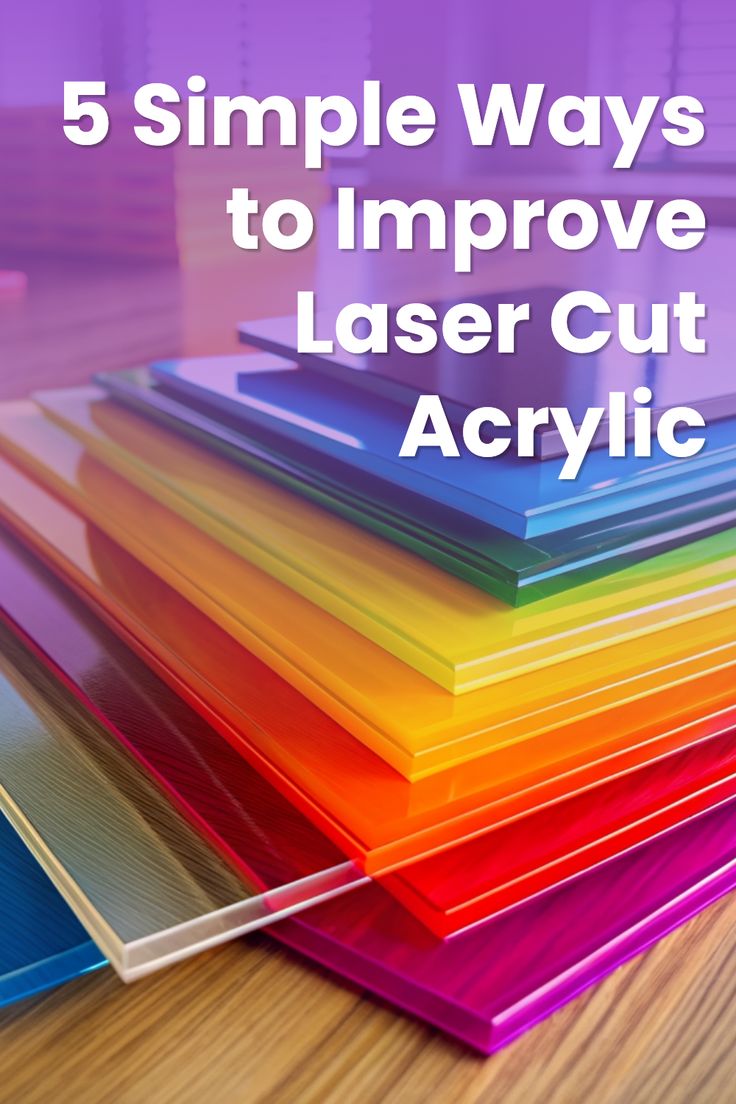
Colored acrylics offer opaque and translucent options across extensive color palettes. Opaque colors suit solid signage, architectural features, and decorative elements where light blocking is desired. Translucent colors enable backlighting effects for illuminated signage, light fixtures, and ambient lighting design. Color consistency between batches ensures project uniformity, though slight variations may occur between manufacturing lots. For critical color matching, procure entire project material from single lot.
Specialty acrylics expand design possibilities. Mirror acrylic provides reflective surfaces without glass fragility, cutting cleanly for decorative and signage applications. Frosted acrylic offers diffused light transmission and matte appearance for elegant aesthetics. Metallic-finish acrylics simulate metal appearances at lower weight and cost. Fluorescent and edge-lit acrylics concentrate light transmission for striking visual effects. These specialties command price premiums but enable differentiated products.
| Acrylic Type | Characteristics | Best Applications | Cutting Notes |
|---|---|---|---|
| Clear Cast | Optical clarity, premium finish | Displays, glazing, awards | Excellent edge polish, slower cutting |
| Clear Extruded | Economical, good clarity | General signage, fabrication | Good edges, faster cutting |
| Opaque Colored | Solid color, light blocking | Signage letters, solid panels | Consistent cutting across colors |
| Translucent | Backlighting compatible | Illuminated signs, lighting | Color intensity varies with lighting |
| Mirror | Reflective surface | Decorative, retail displays | Cut mirror side down to protect finish |
| Frosted | Diffused, matte surface | Elegant signage, privacy screens | Surface texture unaffected by cutting |
| Two-color/Engraving | Surface layer contrasts base | Signage, labels, awards | Engraving reveals base color |
Cutting Parameters and Techniques
Power and speed balance determines cut quality. Insufficient power relative to speed produces incomplete cuts or rough, frosted edges. Excessive power causes melting, edge rounding, and material dripping. Optimal settings achieve through-cutting with minimal heat effects. These parameters vary by laser power, material thickness, and acrylic type—provider experience or material supplier recommendations provide starting points for optimization.
Air assist critically affects acrylic cutting quality. Compressed air blowing through the cut zone removes debris, cools material preventing melting, and suppresses flame formation. Proper air pressure (typically 1-4 bar depending on material thickness) ensures clean cuts. Inadequate air assist causes flaming, charring, and poor edge quality. Some applications use nitrogen instead of air to prevent oxidation, though air suffices for most acrylic cutting.
Focus position optimization ensures clean cuts. For most acrylic cutting, focus at material surface produces best results. Some thick material cutting benefits from dynamic focus following material surface, or slight defocus to widen kerf and reduce sticking. These advanced techniques require equipment capability and operator experience. Standard surface focus suits most applications under 10mm thickness.
Multi-pass cutting techniques address thick materials or delicate designs. Rather than single slow pass with high power, multiple faster passes reduce heat buildup and melting. This approach improves edge quality in thick acrylic (12mm+) and prevents distortion in intricate designs. However, total processing time increases, affecting economics. For premium applications, quality improvements justify time investment.
Design Optimization for Acrylic
Feature sizing must account for material behavior. Minimum feature sizes of 1mm generally maintain structural integrity, though smaller details may survive careful handling. Sharp internal corners concentrate stress and may crack under load—slight radiusing improves durability. For living hinges (flexible sections), specific geometries and material thicknesses enable repeated bending without breakage.
Tab and slot designs for assembly require precise tolerance accounting. Laser kerf (typically 0.1-0.2mm in acrylic) means slots cut slightly wider than design, tabs slightly narrower. For press-fit assemblies, design interference of 0.1-0.2mm per side ensures secure fit without excessive force. Material thickness variation (±10% typical) affects fit consistency—design slight clearance for reliable assembly across material batches.
Heat management in designs prevents warping and stress cracking. Large solid areas concentrate heat during cutting, potentially causing distortion. Breaking large areas into lattice structures or adding ventilation slots reduces heat buildup. Avoiding long continuous cuts where possible allows heat dissipation. These design practices improve dimensional stability and reduce internal stresses.
Applications and Design Ideas
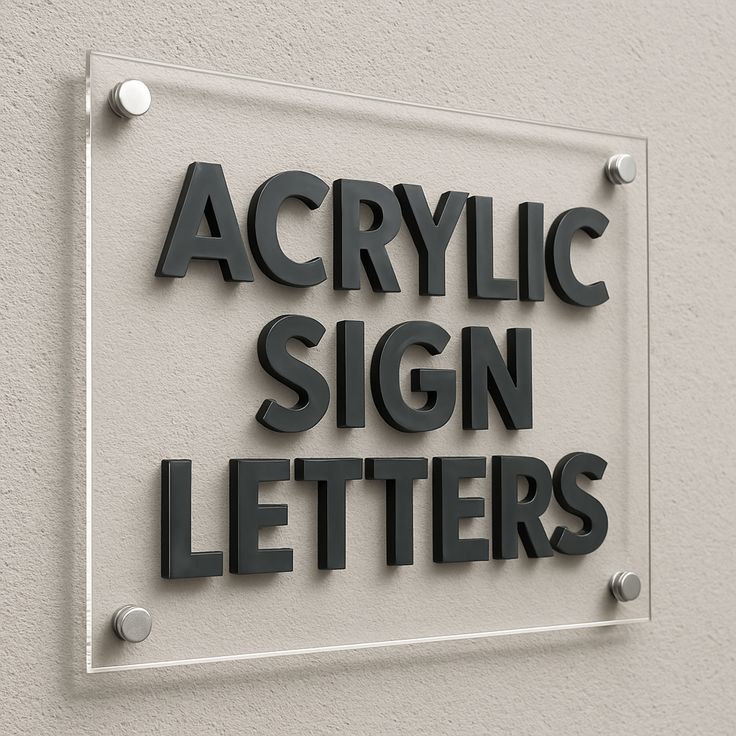
Signage and lettering represent dominant acrylic laser cutting applications. Channel letters (hollow forms for illumination), flat cut letters for wall mounting, and dimensional logos create professional branding. Clear acrylic with vinyl graphics combines cutting precision with full-color printing. Layered acrylic constructions create depth and shadow effects. LED illumination transforms acrylic signs into striking day-night installations.
Retail displays and point-of-sale materials leverage acrylic's clarity and fabrication ease. Product stands, brochure holders, display cases, and countertop fixtures fabricate efficiently with laser cutting. Custom shapes match branding requirements, while modular designs enable reconfiguration. Acrylic's durability withstands retail handling better than glass alternatives.
Architectural and interior applications utilize acrylic for decorative screens, room dividers, lighting fixtures, and wall features. Laser-cut patterns transform flat sheets into dimensional design elements. Light transmission properties enable creative lighting designs. Acrylic's light weight simplifies installation compared to glass or metal alternatives.
Creative and artistic applications explore acrylic's aesthetic potential. Jewelry, sculptures, awards, and decorative objects utilize laser cutting precision for intricate designs. Layered constructions create three-dimensional forms from two-dimensional cuts. Combined with engraving, acrylic becomes canvas for detailed imagery and text.
Finishing and Post-Processing
Edge finishing requirements are minimal due to laser polishing, but some applications benefit from additional processing. Flame polishing manually enhances edge clarity using torch or heat gun, though skill required to avoid distortion. Edge sanding removes any slight texture from parameter imperfections, progressing through grits to optical clarity. These finishing steps add labor but achieve premium appearance for high-visibility applications.
Surface protection during handling prevents scratching. Acrylic's softness makes it susceptible to surface damage—protective paper or film remains on material during cutting and should stay in place until final installation. Cleaning uses soft cloth and mild soap; abrasive cleaners scratch surfaces. Static electricity attracts dust; anti-static treatments help maintain appearance.
Assembly techniques for acrylic include solvent bonding, mechanical fastening, and adhesive bonding. Solvent welding (using methylene chloride or similar) chemically fuses pieces creating invisible joints strongest than mechanical methods. UV-curing adhesives provide strong bonds without solvent exposure. Mechanical fastening using screws or bolts requires careful hole sizing to prevent cracking—pilot holes and gradual tightening essential.
Luna Graphics specializes in acrylic laser cutting for Kenya's signage, retail, and creative markets. Our expertise spans material selection, parameter optimization, and design consultation ensuring your acrylic projects achieve premium results. From prototype development through production runs, our precision cutting and finishing capabilities deliver the optical clarity and edge quality that distinguish professional acrylic fabrication. Contact us to discuss your acrylic project requirements.
Written by Ian Love
Marketing Director
Professional contributor at Luna Graphics specializing in printing and branding solutions.