Real Estate Branding Fundamentals
Real estate branding in Nairobi's competitive market requires distinctive positioning that transcends commodity property listings. Successful developers and agencies build brands representing trust, quality, and lifestyle aspiration that justify premiums and generate repeat business. In market saturated with undifferentiated offerings, strategic branding separates market leaders from transactional operators.
The real estate purchase represents significant financial and emotional decision for buyers. Brand trust reduces perceived risk; brand aspiration creates desire beyond functional specifications; brand relationship generates referrals and repeat purchases. These brand effects directly impact sales velocity and pricing power.
Developer vs. Agency Branding
Property developer branding emphasizes project quality, delivery reliability, and lifestyle creation. Developer brands accumulate reputation across projects; quality in one development enhances next project's appeal. Long-term brand building enables premium pricing and faster sales.
Agency branding focuses on service excellence, market knowledge, and relationship trust. Individual agent brands may coexist with agency brand; service consistency across agents affects agency reputation. Transaction volume and satisfaction drive agency brand equity.
Project-specific branding creates distinct identities for individual developments while connecting to parent brand. Sub-brands enable targeting different segments; parent brand endorsement provides credibility; portfolio coherence maintains brand architecture clarity.
Positioning Strategies
Luxury positioning targets high-net-worth buyers through exclusivity, quality, and prestige. Materials, finishes, service levels, and marketing channels signal luxury positioning. Pricing must support premium claim; compromise undermines credibility.
Affordable housing positioning emphasizes value, accessibility, and community. Different buyer priorities require different messaging; financing options and payment flexibility important; government partnership may support positioning.
Lifestyle positioning sells aspiration rather than specifications. Neighborhood character, amenities, and community vision attract buyers seeking specific life stages or interests. Emotional connection drives purchase beyond rational comparison.
Sustainability positioning addresses growing environmental consciousness. Green building practices, energy efficiency, and community impact attract environmentally aware buyers. Certification and verification support claims.
Visual Identity and Marketing
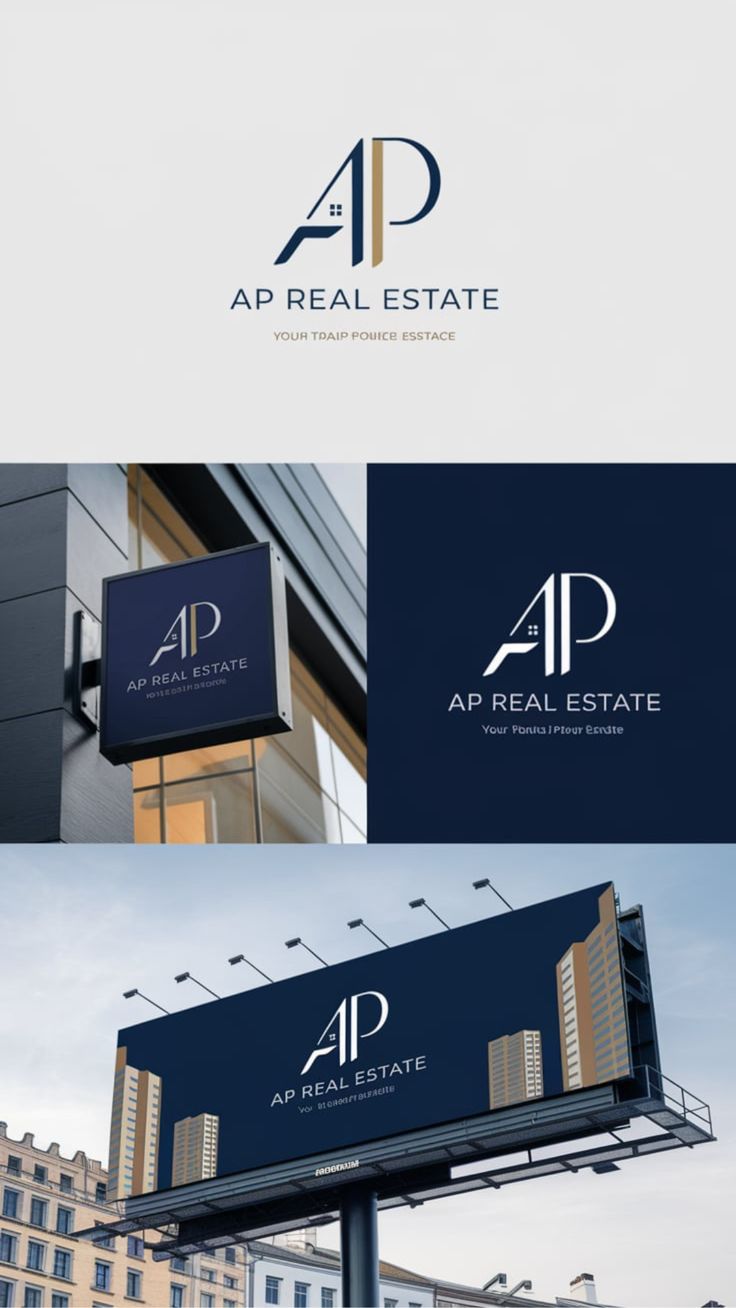
Architectural visualization creates emotional connection before construction completion. High-quality renderings, virtual tours, and scale models enable buyer imagination. Investment in visualization pays through pre-sales and premium pricing.
Sales center design embodies brand promise physically. Environmental branding, materials, and experience should match promised property quality. Sales center is test drive of development—disappointment here kills sales.
Marketing materials must balance aspiration with information. Lifestyle imagery inspires; floor plans and specifications inform; financial details enable decision. Integration across channels ensures consistent experience.
Digital marketing including property portals, social media, and virtual tours reaches broad audiences. SEO ensures discoverability; social media builds aspiration; virtual tours enable remote evaluation. Digital often first touchpoint—quality essential.
Relationship and Reputation Management
Customer experience through purchase process affects satisfaction and referrals. Transparency, communication, and problem-solving build trust; delays, surprises, and opacity destroy it. Operational excellence supports brand promises.
Post-purchase engagement maintains relationship for referrals and repeat purchase. Community building, property management services, and ongoing communication extend customer lifetime value beyond initial transaction.
Reputation monitoring tracks online reviews, social media sentiment, and word-of-mouth. Active management responds to issues, amplifies positive experiences, and maintains brand perception. Real estate purchases heavily researched—reputation critical.
Luna Graphics provides comprehensive real estate branding from developer identity through project marketing and sales environment design. We understand property market dynamics and create brands that drive sales and build lasting value. Contact our real estate specialists to discuss your development or agency branding.
Written by Ian Love
Marketing Director
Professional contributor at Luna Graphics specializing in printing and branding solutions.