
The Enduring Power of Corporate Publications
Corporate booklets and catalogues remain essential tools for business communication despite digital alternatives. Annual reports demonstrate accountability to shareholders and regulators; company profiles introduce capabilities to prospective clients; product catalogues drive sales through tangible presentation. In Kenyan business culture, where physical documents carry weight in negotiations and relationships, professionally produced publications signal organizational substance and commitment.
The production of these materials involves complex decisions—binding methods, paper selection, finishing options—that affect both cost and impact. Understanding these variables enables procurement that balances budget constraints with communication objectives, producing publications that achieve their strategic purposes.
Publication Types and Strategic Purposes
Annual reports fulfill regulatory requirements and communicate performance to stakeholders. These comprehensive documents combine financial data, narrative performance review, and strategic outlook. Production quality reflects organizational seriousness; inadequate annual reports undermine investor confidence and regulatory compliance.
Company profiles introduce organizational capabilities, history, and credentials to prospective clients, partners, and investors. These publications support business development by providing tangible leave-behinds that continue selling after meetings conclude. Quality differentiation from competitor materials affects win rates.
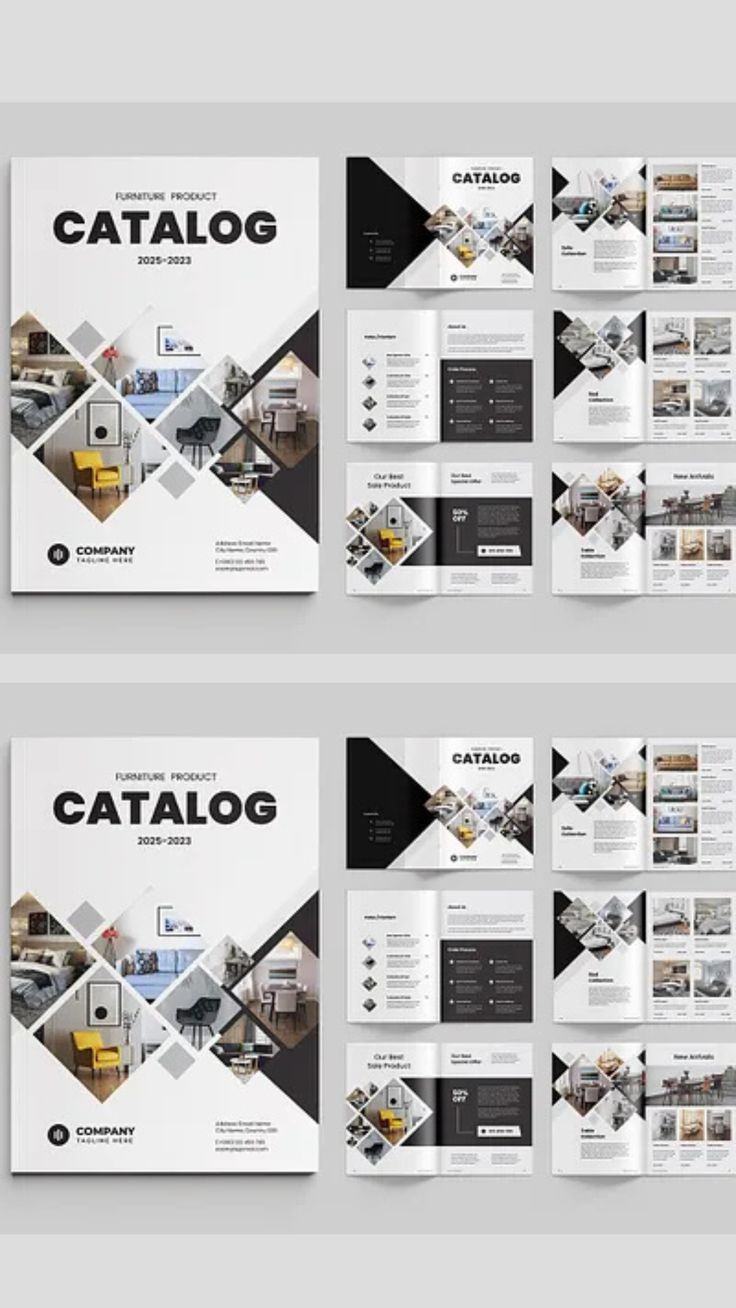
Product catalogues drive sales by presenting offerings in organized, appealing formats. Whether for B2B sales teams or consumer retail, catalogues enable browsing and comparison that digital interfaces often frustrate. Physical catalogues have demonstrated persistence in driving purchase behavior even in digital commerce environments.
Capability statements, proposal support documents, and training materials represent additional corporate publication needs. Each type has specific requirements affecting format, durability, and distribution methods.
Binding Methods: Structural Decisions
Saddle stitching (stapling through the spine) suits publications up to 64-80 pages depending on paper weight. This economical method provides flat-opening capability important for cross-page spreads. Limitations include page count restrictions and potential for staples to rust or fail with heavy use.
Perfect binding (glued spine with wraparound cover) creates book-like appearance suitable for thicker publications. The square spine enables printing and shelving; the glued construction accommodates hundreds of pages. However, perfect-bound books don't open flat, affecting cross-page design.
Wire-O and spiral binding enable flat-opening and 360-degree page rotation, valuable for manuals, cookbooks, and reference materials. These mechanical bindings accommodate various page counts and allow easy addition of tabbed dividers. However, they appear less formal than perfect binding and may snag during handling.
Case binding (hardcover) provides premium durability and appearance for archival publications, luxury editions, or important documents. The substantial construction conveys permanence and value, justifying higher costs for appropriate applications.
PUR (polyurethane reactive) binding offers superior durability compared to standard perfect binding, with flexible, strong adhesive that resists temperature extremes and heavy use. Recommended for publications requiring longevity or frequent handling.
Paper Selection for Purpose and Perception
| Paper Type | Weight Range | Characteristics | Best Applications |
|---|---|---|---|
| Gloss coated | 130-170 gsm | Vibrant color, sharp detail, reflective | Product catalogues, photography |
| Matte coated | 130-170 gsm | Sophisticated, reduced glare, readable | Annual reports, corporate profiles |
| Uncoated | 100-140 gsm | Tactile, writable, approachable | Sustainability reports, non-profits |
| Textured | 120-160 gsm | Distinctive feel, premium perception | Luxury brands, special editions |
| Recycled | Various | Environmental positioning, unique appearance | Sustainability-focused organizations |
| Self-cover | Same as text | Economical, lighter | Booklets, simple catalogues |
| Plus cover | 250-350 gsm cover | Durability, premium feel | Important publications, heavy use |
Cover stock selection dramatically affects publication durability and first impression. Heavier stocks (250-350gsm) provide substance and protection; specialty finishes (soft touch, linen texture, metallic) create distinctive presence. Cover design should account for spine width in perfect-bound publications.
Text paper weight balances durability against bulk and cost. Heavier papers (150-170gsm) convey quality and withstand handling; lighter papers (100-130gsm) reduce shipping costs and storage bulk. Consider distribution method—mailed publications benefit from lighter weights; hand-delivered materials can be more substantial.
Design and Layout Considerations
Grid systems provide structural consistency across publication pages. Established margins, column structures, and hierarchical type systems create visual organization that guides readers through content. Consistent grids don't preclude variety—master pages establish structure while allowing content-specific layouts.
Typography for extended reading requires attention to size, leading, and measure. Body text below 9pt strains readers; excessive line lengths (over 70 characters) cause fatigue; inadequate leading (line spacing) creates dense, uninviting blocks. Professional publication design prioritizes readability.
Imagery quality standards must be maintained throughout. Low-resolution images, inconsistent color treatment, or poorly cropped photography undermine professional credibility. Establish image specifications and quality control processes ensuring visual standards.
White space utilization prevents cluttered, overwhelming pages. Generous margins, paragraph spacing, and element separation improve comprehension and perceived sophistication. Resist temptation to fill every space with content.
Finishing Options for Distinction
Spot UV coating highlights specific elements—logos, images, titles—with glossy contrast against matte backgrounds. This selective application adds visual and tactile interest without full-gloss coating expense.
Foil stamping provides metallic (gold, silver, copper) or pigmented effects for premium positioning. Common on annual report covers, luxury catalogues, and prestigious publications. The physical impression adds dimensionality.
Embossing and debossing create raised or recessed dimensional effects without ink. These tactile finishes add sophistication for appropriate applications, though they increase production complexity and cost.
Die-cutting creates unique shapes, windows, or decorative edges differentiating publications from standard rectangles. Complex die-cutting adds production time and cost but creates memorable distinction.
Specialty inks including metallics, fluorescents, and thermochromics (color-changing) create unique effects for specific applications. These require specialized printing capabilities and add cost, reserved for high-impact applications.
Production Planning and Cost Management
Page count optimization affects binding method and cost efficiency. Saddle-stitched publications must have page counts divisible by 4; perfect binding requires divisible by 2. Optimizing content to efficient signatures (groups of pages printed together) reduces waste and cost.
Print quantities involve trade-offs between unit cost and obsolescence risk. Offset printing provides dramatic unit cost reductions at volume, but excess inventory becomes costly if content becomes outdated. Digital printing enables economical short runs for version control or testing.
Distribution logistics affect format decisions. Publications for mailing must meet postal size and weight restrictions; international distribution faces customs and shipping cost considerations; hand-carry quantities affect conference or meeting logistics.
Version control for multiple markets, languages, or segments requires systematic management. Digital asset management, clear naming conventions, and approval workflows prevent version confusion. Variable data printing enables personalization within standard templates.
Sustainability Considerations
Paper sourcing through certified sustainable forestry (FSC, PEFC) supports environmental commitments. These certifications ensure responsible forest management and provide marketing claims for environmentally conscious stakeholders.
Print quantity discipline prevents waste from overproduction. Digital printing enables precise quantity production; demand forecasting improves with experience; version control reduces obsolescence.
Format efficiency minimizes paper waste. Optimal page sizes utilize standard sheet sizes efficiently; thoughtful design reduces blank pages; digital alternatives supplement physical distribution.
Recyclability and end-of-life should be considered in material selection. Avoid laminates and foils that complicate recycling; specify recyclable materials; communicate recyclability to recipients.
Luna Graphics provides comprehensive corporate publication services from design consultation through production and fulfillment. Our expertise in binding methods, paper selection, and finishing options ensures your publications achieve strategic objectives within budget constraints. Contact our publication specialists to discuss your annual report, company profile, or catalogue requirements.
Written by Ian Love
Marketing Director
Professional contributor at Luna Graphics specializing in printing and branding solutions.