
The Multifaceted Role of Educational Signage
School signage serves diverse functions within educational environments—ensuring safety compliance, facilitating navigation for diverse users, supporting learning objectives, building institutional identity, and creating inspirational atmospheres conducive to education. For Kenyan schools ranging from early childhood centers to universities, from urban private academies to rural public institutions, effective signage contributes to organizational effectiveness, student wellbeing, and educational outcomes.
The educational signage ecosystem addresses multiple stakeholder needs: young students developing literacy and independence; parents and visitors unfamiliar with campus layout; staff requiring efficient navigation; and emergency responders needing immediate orientation. These diverse requirements must be met through signage systems balancing clarity, durability, safety, and inspiration within often constrained budgets.
Wayfinding for Educational Campuses
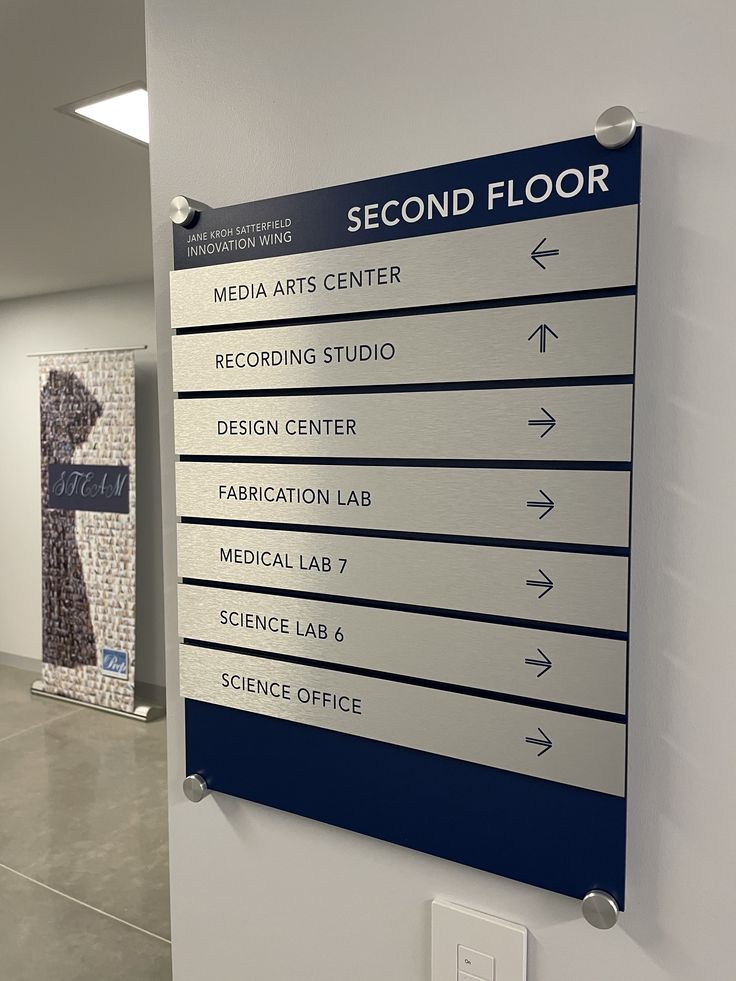
Educational wayfinding accommodates users with varying familiarity, age-appropriate comprehension, and urgency—from new students navigating first-day confusion to emergency evacuation requiring immediate response. Hierarchical systems guide users from campus entry through building identification to specific destinations, with complexity appropriate to institution size and layout.
For Kenyan schools with diverse student populations, wayfinding incorporates universal symbols, pictograms, and multilingual text ensuring accessibility across language backgrounds and literacy levels. Color coding by building, grade level, or function enables recognition supporting navigation for pre-literate children and stressed users. Wayfinding design should anticipate peak usage periods—arrival, dismissal, events—when navigation clarity prevents congestion and confusion.
| Educational Signage Type | Primary Functions | Design Considerations | Special Requirements |
|---|---|---|---|
| Campus wayfinding | Building identification, directional guidance | Scale appropriate, durability, vandal resistance | Multi-language, child-friendly symbols |
| Safety/emergency | Evacuation routes, safety equipment, hazards | High visibility, code compliance, universal symbols | MOE requirements, fire department coordination |
| Regulatory/statutory | Mandatory postings, policies, rights | Legal compliance, update capability, accessibility | Ministry of Education standards |
| Instructional/educational | Learning support, wayfinding education, inspiration | Age-appropriate, curriculum alignment, engagement | Pedagogical consultation, durability |
| Room identification | Classrooms, labs, offices, facilities | Flexibility for reassignments, durability, clarity | Update systems, accessibility |
| Spirit/identity | Mascots, values, achievements, history | Community building, pride, tradition | Student involvement, cultural sensitivity |
Age-Appropriate Design Strategies
Educational signage must adapt to developmental stages across educational levels. Early childhood environments utilize large, colorful graphics with extensive pictorial content supporting pre-readers; primary schools transition to simple text with continued visual support; secondary schools accommodate growing independence with comprehensive information; and universities provide sophisticated wayfinding appropriate to adult learners.
For Kenyan schools serving diverse age ranges, signage systems should create coherent identity while adapting specific elements to user capabilities. Height placement, character sizing, and content complexity adjust to primary user groups while maintaining accessibility for all. Luna Graphics provides age-appropriate design consultation ensuring signage effectiveness across educational levels.
Safety and Emergency Communication
School safety signage includes fire evacuation routes, emergency assembly points, hazardous material identification, and lockdown procedures requiring clear, code-compliant presentation. For Kenyan schools, compliance with Ministry of Education safety standards, county fire regulations, and specific institutional requirements ensures legal protection and actual safety effectiveness.
Emergency signage must function under stress when cognitive capacity is compromised, requiring extreme clarity, high contrast, and intuitive placement. Photoluminescent materials providing illumination during power failures address Kenya's electricity reliability challenges. Regular inspection and maintenance ensure continued functionality.
Learning Environment Enhancement
Beyond functional wayfinding, educational signage supports learning objectives through environmental graphics reinforcing curriculum content, inspirational messaging promoting values and achievement, and organizational systems teaching time management and responsibility. Classroom signage including rules, procedures, and learning aids extends teacher instruction into physical environment.
For Kenyan schools with limited resources, signage provides cost-effective environmental enrichment creating stimulating learning atmospheres. Educational murals, motivational quotes, and student work displays transform utilitarian spaces into inspirational environments. Luna Graphics provides educational environmental design balancing learning support with budget constraints.
Institutional Identity and Community Building
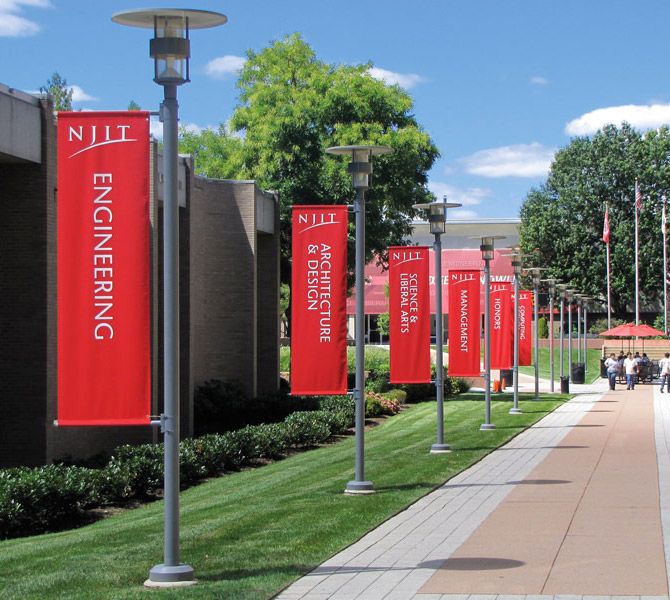
School signage expresses institutional identity, values, and culture creating sense of belonging and community pride. Entrance signage establishes first impressions for prospective families; achievement displays celebrate student success; historical documentation connects current students to institutional legacy; and values messaging reinforces character education.
For Kenyan schools competing for enrollment and reputation, professional signage signals organizational quality and educational commitment. However, identity expression must balance pride with inclusivity, avoiding exclusionary messaging or excessive self-promotion. Community involvement in signage development—including student art integration or naming opportunities—builds investment and ownership.
Durability and Vandalism Resistance
Educational environments subject signage to unique stresses including physical impact, weather exposure, cleaning chemicals, and intentional damage. Material selection must anticipate these challenges—impact-resistant substrates, tamper-resistant mounting, graffiti-resistant coatings, and fade-resistant graphics. For Kenyan schools with limited maintenance resources, durability investment reduces long-term costs.
Vandalism prevention through design includes avoiding tempting blank surfaces, strategic placement enabling natural surveillance, and rapid repair protocols preventing damage normalization. Some institutions involve students in signage care creating ownership reducing vandalism motivation.
Accessibility and Inclusion
Educational signage must serve diverse learners including those with visual, cognitive, or mobility differences. Accessibility standards including appropriate mounting heights, tactile elements, high contrast, and clear language ensure inclusive navigation. For Kenyan schools with inclusive education mandates, signage accessibility supports legal compliance and ethical commitment.
Universal design benefits extend beyond specific disabilities to improve usability for all students—clearer wayfinding, better lighting, and intuitive layouts serve diverse learning needs. Multilingual considerations address Kenya's linguistic diversity ensuring effective communication across student populations.
Budget Optimization and Phased Implementation
Educational signage often operates under constrained budgets requiring strategic prioritization and phased implementation. Critical safety and wayfinding signage warrants immediate investment; identity and enhancement elements may be phased over time. Reusable systems and updateable components protect investment against changing needs.
For Kenyan schools, Luna Graphics provides flexible solutions accommodating diverse budget levels while maintaining quality and safety standards. Grant funding, parent association support, or corporate sponsorship may supplement institutional resources for signage improvements.
Conclusion: Signage Supporting Educational Mission
School signage, designed comprehensively, creates organized, safe, and inspiring environments supporting educational effectiveness and student wellbeing. For Kenyan educational institutions, investment in professional signage yields returns through improved safety, efficiency, identity, and learning atmosphere.
Luna Graphics provides specialized educational signage services from safety compliance and wayfinding through environmental enrichment and identity expression. Our experience with Kenyan schools ensures appropriate solutions balancing educational objectives, safety requirements, and budget realities. Contact our education team to discuss your institution's signage needs and discover how effective environmental communication can support your educational mission.
Written by Ian Love
Marketing Director
Professional contributor at Luna Graphics specializing in printing and branding solutions.