
The Visual Impact of Dimensional Signage
Three-dimensional signage creates visual impact impossible with flat graphics through physical depth, shadow formation, and multiple viewing angles that capture attention and communicate quality. For Kenyan businesses competing for visibility in crowded commercial environments, 3D signage provides differentiation that flat alternatives cannot achieve, with dimensional presence suggesting permanence, investment, and organizational substance. However, this enhanced impact comes with increased cost, installation complexity, and maintenance requirements requiring careful evaluation against specific business objectives.
The comparison between 3D and flat signage extends beyond simple aesthetic preference to encompass practical considerations including viewing distance, installation surface, illumination requirements, maintenance access, and budget constraints. Understanding these factors enables informed specification optimizing signage investment for specific Nairobi business contexts—from retail storefronts seeking pedestrian engagement to corporate towers requiring distant visibility.
3D Signage Types and Construction Methods
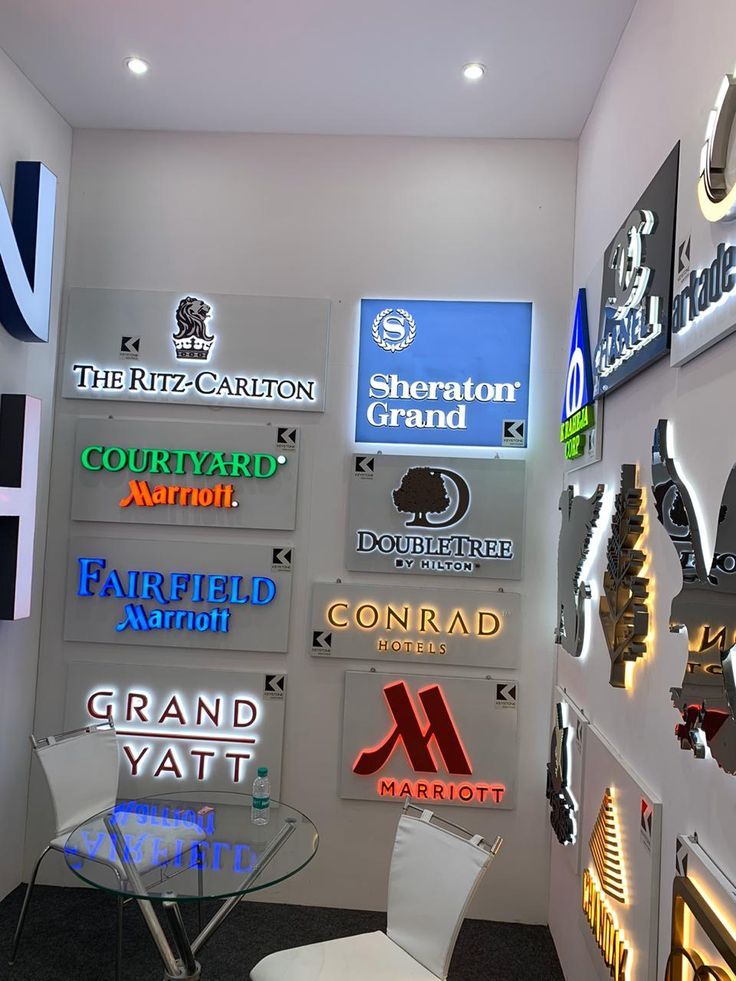
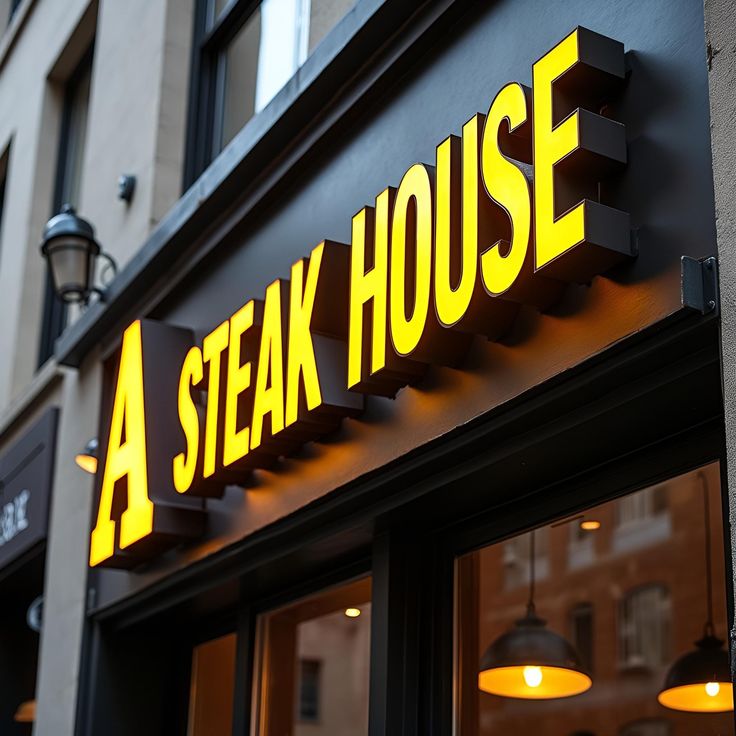
Channel letters represent the most common 3D signage format, with individually fabricated characters featuring dimensional depth (typically 75-150mm) creating visible sides and returns. Construction methods include face-lit (acrylic faces with internal LED illumination), halo-lit (light reflecting off mounting surface creating glow), and combination systems achieving both effects. Materials range from aluminum (lightweight, corrosion-resistant) to stainless steel (premium appearance, maximum durability) to acrylic (illuminated faces, color versatility).
Fabricated dimensional logos and symbols extend beyond text to brand marks, with custom fabrication creating unique identifiers. Injection-molded or vacuum-formed plastics offer economical dimensional options for simpler shapes. Routed or carved solid materials (foam, wood, metal) create monolithic dimensional elements with substantial presence. For premium Nairobi applications, cast metal letters provide ultimate durability and prestige.
| 3D Signage Type | Construction | Illumination Options | Best Applications | Cost Position |
|---|---|---|---|---|
| Face-lit channel letters | Aluminum returns, acrylic faces, LED internal | Front illumination, color-changing LED | Retail, hospitality, high-visibility requirements | Moderate to premium |
| Halo-lit channel letters | Metal faces and returns, LED rear placement | Back glow, silhouette effect | Professional services, premium positioning, subtle presence | Moderate to premium |
| Combination lit | Face and halo illumination capability | Dual illumination modes | Maximum flexibility, high-impact requirements | Premium |
| Non-illuminated dimensional | Metal, acrylic, or foam construction | External lighting dependent | Daytime visibility, budget constraints, historic/aesthetic contexts | Economical to moderate |
| Fabricated logos | Custom metal or plastic construction | Integrated or external lighting | Brand mark emphasis, distinctive identity | Moderate to high |
| Monolithic carved/routed | Solid material dimensional reduction | Usually non-illuminated or externally lit | Monument signs, lobby identity, artistic applications | Variable by material and size |
Flat Signage Capabilities and Applications
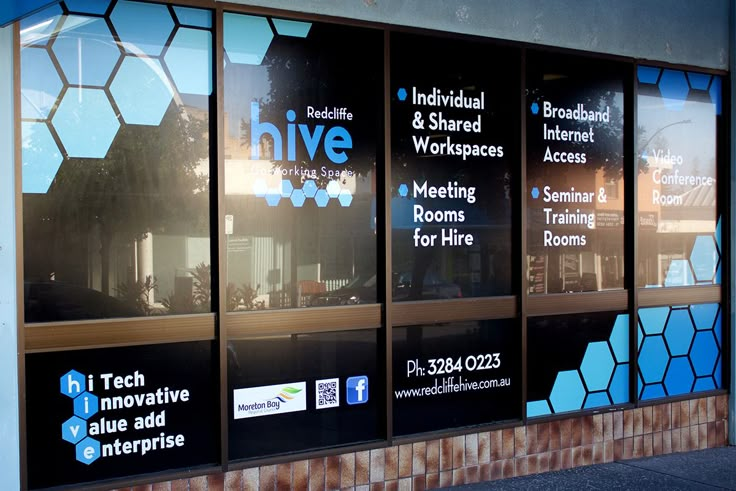
Flat signage encompasses diverse formats including rigid panel signs (ACM, acrylic, polycarbonate), flexible banners and films, and painted or applied graphics on surfaces. These solutions provide excellent graphic reproduction, cost efficiency, and installation simplicity for applications where dimensional presence is unnecessary or impractical. Advanced flat signage including backlit panels, digital prints, and specialty finishes (metallics, textures) achieves sophisticated appearance without physical depth.
Flat signage excels in large-format applications where dimensional construction would be prohibitively expensive or structurally challenging—building wraps, construction hoardings, or expansive wall graphics. For temporary or promotional applications, flat graphics provide economical flexibility with easy changeout. In constrained mounting situations—narrow fascias, glass surfaces, or weight-limited structures—flat signage offers practical solutions impossible with dimensional alternatives.
Visual Performance Comparison
Three-dimensional signage generally outperforms flat alternatives in visibility and memorability, with studies suggesting dimensional signs capture attention 40-60% more effectively than flat equivalents. Physical depth creates natural shadowing that enhances legibility in varying light conditions and provides visual interest through changing appearance as viewing angle shifts. For Nairobi businesses on competitive commercial streets, this visibility advantage directly translates to customer acquisition.
However, flat signage with high-quality printing, effective contrast, and appropriate illumination can achieve excellent visibility at lower cost, particularly for large-format applications where dimensional construction would be impractical. The visibility comparison ultimately depends on specific application context—dimensional advantage is most pronounced in pedestrian-oriented environments at moderate distances, while flat signage performs adequately for vehicular traffic or distant viewing.
Illumination Considerations
Illumination integration differs significantly between 3D and flat signage. Dimensional signage incorporates lighting internally (channel letters) or externally (floodlit dimensional elements), with internal integration providing protection and clean appearance but requiring electrical access and maintenance provision. Flat signage illumination typically comes from external sources—floodlights, gooseneck lamps, or backlighting for translucent panels—with simpler electrical requirements but potential for uneven lighting or fixture visibility.
LED technology has revolutionized both categories, with slim LED modules fitting within dimensional letter depths previously impossible, and edge-lighting systems creating even illumination across flat panels. Energy efficiency and longevity advantages apply equally to both signage types, though dimensional signage with integrated LED may have higher initial cost offset by reduced maintenance.
Installation and Structural Requirements
Three-dimensional signage requires more complex installation than flat graphics, with individual letter mounting, electrical connection for illuminated systems, and structural support for weight and wind loading. Installation surfaces must accommodate mounting hardware and conceal electrical routing, with facade preparation potentially required. For Nairobi buildings with concrete, stone, or specialized exterior finishes, installation complexity and cost increase.
Flat signage installation is generally simpler, with panel mounting or adhesive application requiring less structural modification. Large flat panels require appropriate fastening and wind-load consideration, but overall installation is less complex than dimensional equivalents. This installation efficiency translates to lower labor costs and faster deployment, advantages for time-sensitive projects or budget-constrained applications.
Maintenance and Durability Factors
Maintenance requirements differ between signage types. Dimensional signage with integrated illumination requires electrical maintenance access, with individual letter servicing potentially necessary. Exterior surfaces may be more complex to clean due to angles and returns. However, quality dimensional signage construction typically provides longer service life than economical flat alternatives, with metal letters lasting decades and illuminated systems designed for component replacement.
Flat signage maintenance is generally simpler—surface cleaning and occasional illumination adjustment—but material degradation (fading, delamination, impact damage) may require more frequent replacement. For Nairobi's intense UV environment, material quality significantly impacts flat signage longevity, with premium substrates and laminates essential for acceptable service life.
Cost Analysis and Value Engineering
Three-dimensional signage typically costs 2-4 times equivalent flat signage, with factors including material volume, fabrication labor, illumination systems, and installation complexity. For Nairobi businesses, this investment must be justified through expected visibility benefits, brand positioning requirements, and competitive context. Value engineering options include hybrid approaches—dimensional logo with flat text, or selective dimensional emphasis within primarily flat signage.
Life-cycle cost analysis often narrows the apparent gap, with dimensional signage longevity and impact durability providing extended value. For permanent installations in high-visibility locations, dimensional investment typically delivers superior return; for temporary applications or secondary locations, flat signage provides appropriate economy.
Application-Specific Recommendations
Pedestrian-oriented retail and hospitality applications typically benefit from dimensional signage, with close viewing distances maximizing depth perception and the competitive environment rewarding differentiation. Corporate and professional service firms often prefer dimensional signage for credibility and permanence signaling. Industrial and utilitarian applications may prioritize flat signage for cost efficiency and functional clarity.
Historic or architecturally sensitive contexts may restrict dimensional signage, with flat graphics providing compliant alternatives. Temporary or promotional applications clearly favor flat solutions. Luna Graphics provides application-specific consultation optimizing signage type selection for specific Nairobi business requirements.
Conclusion: Strategic Selection for Maximum Impact
The choice between 3D and flat signage requires strategic analysis of visibility requirements, budget parameters, installation context, and brand positioning objectives rather than defaulting to either category. For many Nairobi businesses, optimal solutions combine both approaches—dimensional elements creating focal impact with flat graphics providing information or extending coverage. Professional consultation ensures signage investment delivers appropriate return through informed specification.
Luna Graphics provides comprehensive 3D and flat signage capabilities, enabling objective comparison and optimal selection for specific applications. Our fabrication facilities produce both dimensional channel letters and high-quality flat signage, with consultation services guiding clients to appropriate solutions. Contact our signage specialists to discuss your visibility requirements and discover whether dimensional impact or flat efficiency best serves your Nairobi business objectives.
Written by Ian Love
Marketing Director
Professional contributor at Luna Graphics specializing in printing and branding solutions.