The LED Revolution in Retail Signage
LED signage has fundamentally transformed retail visibility, replacing energy-intensive neon and limited-flexibility static illuminated signs with dynamic, efficient, and versatile lighting solutions that enhance brand presence while reducing operating costs. For Kenyan retailers competing for consumer attention in shopping centers, high streets, and suburban markets, LED signage provides capabilities impossible with traditional illumination—programmable messaging, color change, animation, and remote content management—that drive foot traffic and support promotional strategies.
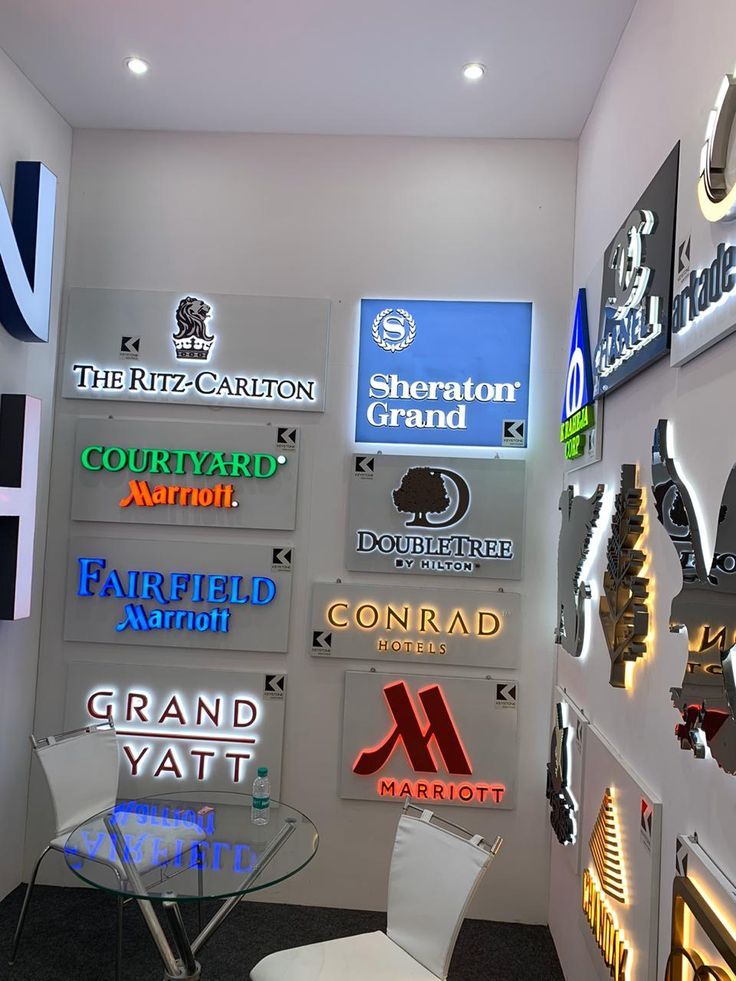
The retail applications of LED technology span diverse formats: channel letter illumination creating vibrant storefront identification; cabinet signs with uniform face lighting; edge-lit panels for sleek, contemporary appearance; and electronic message centers enabling text updates and simple graphics. For Nairobi retailers, LED signage investment delivers immediate visibility enhancement and long-term operational advantages through energy efficiency and durability.
LED Technology Advantages for Retail
Energy efficiency represents LED's most celebrated advantage, with typical retail signage applications consuming 60-80% less electricity than neon or fluorescent alternatives. For Kenyan retailers facing electricity cost pressures or generator dependence, this efficiency translates directly to operating cost reduction and environmental positioning. LED lifespan exceeding 50,000 hours (5+ years of continuous operation) minimizes maintenance and replacement costs compared to traditional lighting requiring periodic tube or transformer replacement.
Design flexibility enables illumination in configurations impossible with legacy technologies—slim profiles fitting narrow channel letters, RGB color change capability, dimming and animation control, and integration with digital systems. For retail environments requiring frequent promotional updates or brand refreshes, LED adaptability protects signage investment against obsolescence.
| LED Signage Type | Retail Application | Key Benefits | Considerations |
|---|---|---|---|
| LED channel letters | Storefront identification, brand names | Individual letter illumination, premium appearance, energy efficiency | Higher initial cost, electrical complexity |
| LED cabinet signs | Large format retail identification, shopping center signs | Even illumination, graphic flexibility, size scalability | Boxy appearance, wind loading for large units |
| LED edge-lit panels | Contemporary retail, mall interiors, wayfinding | Slim profile, modern aesthetic, uniform light | Limited to translucent graphics, premium cost |
| LED message centers | Promotional pricing, event announcements, dynamic content | Programmable text, real-time updates, attention capture | Content management requirement, regulatory restrictions |
| LED video walls | Flagship retail, entertainment, high-impact branding | Full motion video, unlimited content, maximum impact | High investment, content creation needs, energy consumption |
| Solar LED signs | Remote locations, sustainability positioning, off-grid operation | Energy independence, environmental messaging, operational continuity | Higher initial cost, battery maintenance, sizing for autonomy |
Channel Letter LED Integration
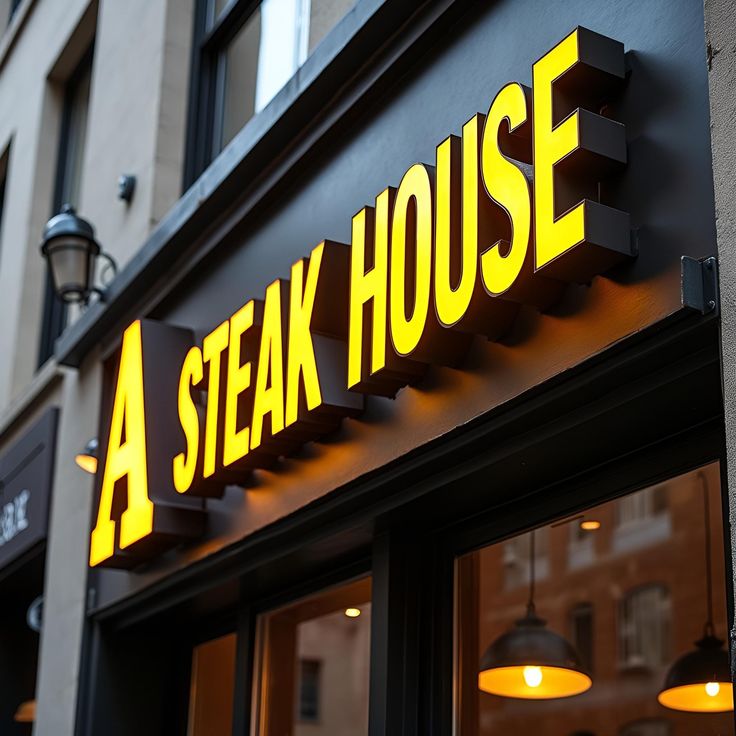
LED illumination of channel letters has become the retail standard, with individual LED modules mounted within letter interiors providing bright, even illumination of acrylic faces. White LEDs offer color temperature options (warm 3000K to cool 6500K) matching brand aesthetics or architectural lighting. RGB LEDs enable color change capability, allowing retailers to modify appearance for seasons, promotions, or events without signage modification.
LED module spacing and placement ensures uniform illumination without hot spots or shadowing, with professional installation critical for appearance quality. Power supplies (drivers) convert line voltage to LED requirements, with outdoor-rated components essential for Nairobi weather exposure. Luna Graphics provides LED channel letter fabrication with quality components ensuring reliable performance and appearance.
Electronic Message Centers and Programmable Signage
Electronic message centers (EMCs) enable text-based communication updates from simple time-and-temperature displays to full promotional messaging. For Kenyan retailers with changing offerings, pricing promotions, or event schedules, EMCs provide agility impossible with static signage. Modern LED message centers offer full-color capability, graphic display, and video integration at increasing affordability.
Content management systems enable programming from desktop or mobile devices, with scheduling capability for automated message rotation. Regulatory considerations including animation restrictions, brightness limits, and message content standards vary by jurisdiction and should be verified for specific Nairobi locations. Professional content design ensures readability and effectiveness at typical viewing distances and speeds.
Design and Visibility Optimization
LED signage design must balance brightness for visibility against glare and light pollution concerns. Excessive brightness creates viewer discomfort and community opposition, while insufficient illumination fails to achieve competitive visibility. Automatic brightness adjustment responding to ambient light conditions optimizes visibility while minimizing energy consumption and nighttime intrusion.
Color selection impacts visibility and brand communication, with high-contrast combinations (red/white, blue/white, amber) maximizing legibility. RGB capability enables color psychology application—warm tones for appetite stimulation in food retail, cool tones for technology positioning, brand colors for identity consistency. For Nairobi's competitive retail environment, distinctive color strategies differentiate individual stores within crowded commercial districts.
Installation and Electrical Considerations
LED signage installation requires electrical infrastructure appropriate to load requirements, with dedicated circuits and proper grounding ensuring safety and reliability. For retrofit applications replacing neon or fluorescent systems, LED conversion often enables use of existing electrical service with reduced load. New installations require coordination with electrical contractors and utility providers, with Luna Graphics managing integrated project delivery.
Nairobi's electrical supply reliability considerations may influence backup power provisions for critical signage, with battery systems or generator connections ensuring continuous operation during outages. Surge protection guards against voltage fluctuation damage common in developing electrical infrastructure.
Maintenance and Longevity
LED signage maintenance is minimal compared to traditional illumination, with no consumable tubes or gases requiring replacement. Periodic cleaning of lenses and faces maintains brightness and appearance, while electrical connection inspection ensures continued reliability. Quality LED systems with appropriate thermal management provide 5-10 year service life with minimal degradation.
Component modularity enables repair rather than complete replacement if individual LED modules fail, with accessible design facilitating maintenance. For Nairobi retailers, maintenance accessibility should influence signage design and placement decisions, ensuring continued performance without excessive service difficulty.
Cost Analysis and Return on Investment
LED signage initial cost typically exceeds traditional illuminated alternatives, though the gap has narrowed significantly as LED technology matures. Energy and maintenance cost savings typically achieve payback within 2-4 years for high-usage applications, with extended lifespan providing continued return. For Nairobi retailers with long-term location commitment, LED investment delivers superior total cost of ownership.
Revenue impact through enhanced visibility and promotional capability is harder to quantify but significant—retailers consistently report foot traffic increases following LED signage installation, particularly for message center capabilities enabling dynamic promotional communication. Luna Graphics provides ROI analysis supporting LED investment decisions.
Conclusion: LED as Retail Essential
LED signage has transitioned from innovative option to retail essential, with energy efficiency, design flexibility, and operational advantages making traditional alternatives economically and functionally obsolete. For Kenyan retailers seeking competitive visibility, customer engagement, and operational efficiency, LED signage investment delivers measurable returns across multiple performance dimensions.
Luna Graphics provides comprehensive LED signage services for Nairobi retail from design and specification through fabrication, installation, and maintenance. Our LED expertise ensures optimal technology selection and quality implementation for specific retail requirements. Contact our retail signage specialists to discuss LED solutions for your store visibility and promotional objectives.
Written by Ian Love
Marketing Director
Professional contributor at Luna Graphics specializing in printing and branding solutions.