
The Revenue Impact of Menu Board Design
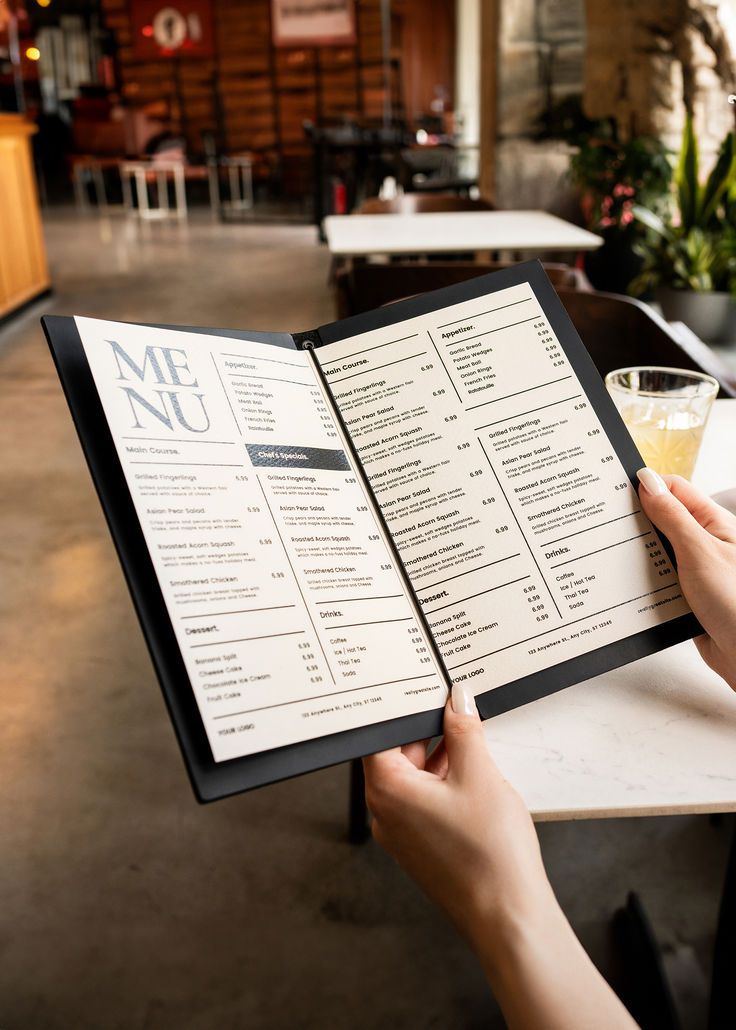
Restaurant menu boards function as critical sales tools directly influencing customer ordering decisions, average transaction values, and service speed. Unlike printed menus examined at leisure, menu boards must communicate offerings, prices, and promotions quickly to customers often under time pressure or in queue contexts. For Kenyan restaurants—from fast food chains to casual dining to institutional food service—effective menu board design and printing represents high-return investment with immediate revenue impact.
Research consistently demonstrates that strategic menu design increases average check through item placement, descriptive language, and visual emphasis guiding customers toward higher-margin selections. Clear, attractive presentation reduces ordering hesitation and questions speeding service throughput. Brand-consistent design reinforces identity and quality perception supporting price positioning. These commercial benefits justify professional menu board investment significantly beyond mere information display.
Menu Board Formats and Applications
Restaurant menu boards encompass diverse formats addressing specific service contexts: wall-mounted boards for customer queue viewing; counter-top displays for point-of-sale decision influence; digital screens enabling dynamic content; and portable A-frames for sidewalk attraction or promotional messaging. Format selection depends on service style, space constraints, customer flow, and content change frequency.
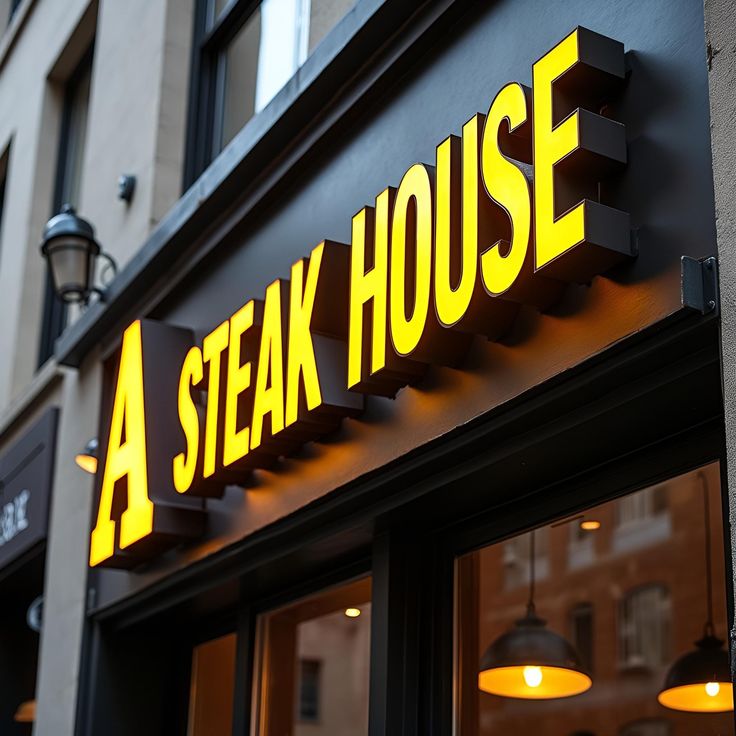
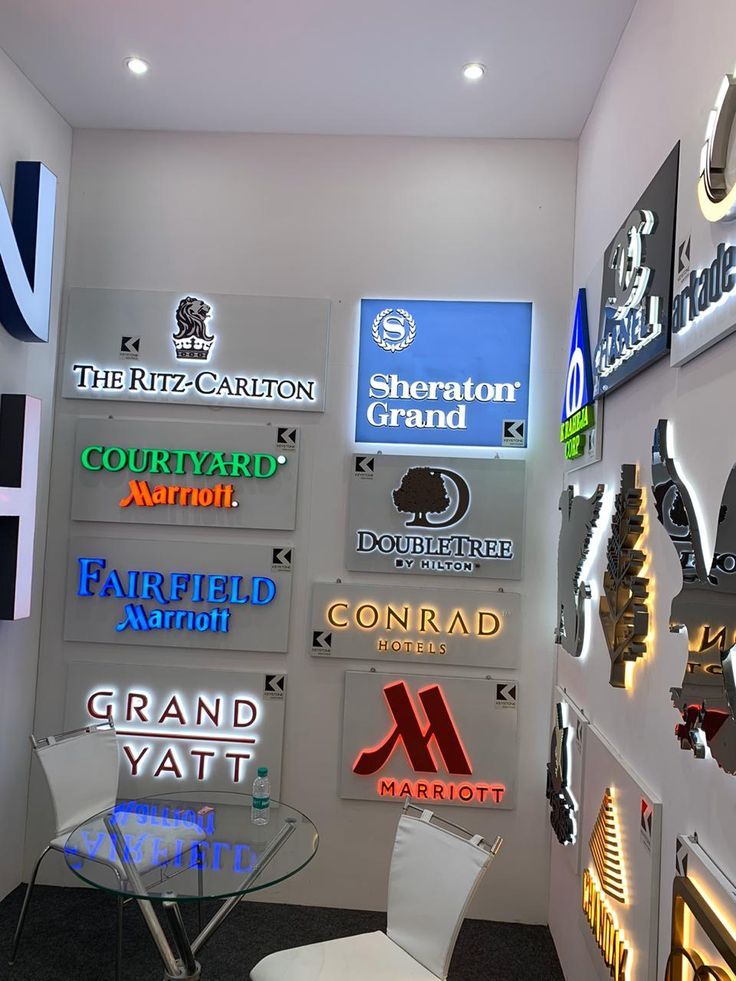
For Kenyan quick-service restaurants, backlit menu boards provide visibility in varying light conditions while creating appetizing food presentation through illuminated photography. Casual dining may utilize chalkboard-style boards suggesting freshness and flexibility. Food courts require high-impact presentation competing with neighboring vendors. Luna Graphics provides format consultation optimizing menu board selection for specific restaurant concepts and environments.
| Menu Board Type | Best Applications | Key Advantages | Considerations |
|---|---|---|---|
| Backlit/transilluminated | Quick service, high-impact presentation | Appetizing food photography, visibility, premium appearance | Higher cost, electrical requirements, maintenance |
| Digital/LED screens | Dynamic pricing, daypart menus, promotions | Real-time updates, animation, remote management | Initial investment, technical complexity, reliability |
| Rigid panel boards | Casual dining, permanent offerings | Durability, cost-effective, professional appearance | Change inflexibility, static presentation |
| Chalkboard/writable | Changing specials, artisan positioning | Flexibility, handcrafted aesthetic, cost efficiency | Legibility, maintenance, consistency |
| Tension fabric | Large format, changing promotions | Lightweight, graphic changeout, transportable | Durability, cleaning requirements |
| A-frame/sidewalk | Street attraction, promotional messaging | Portability, dual-sided, immediate deployment | Weather exposure, regulatory compliance |
Design Psychology for Menu Optimization
Effective menu board design applies behavioral psychology influencing ordering decisions. Visual hierarchy guides eye movement to high-margin items through size, color, position, and imagery. The "golden triangle"—upper right area receiving primary attention—warrants placement of promoted or profitable items. Category organization (appetizers, mains, sides, beverages) enables rapid scanning while cross-selling placement increases attachment rates.
Descriptive language enhances perceived value through appetizing adjectives, origin indication, and preparation method description. Price presentation strategies including removal of currency symbols, strategic rounding, and anchoring with high-priced items influence spending behavior. For Kenyan restaurants, cultural food preferences and local language integration optimize menu effectiveness for specific customer demographics.
Food Photography and Appetite Appeal
Food photography quality dramatically impacts menu effectiveness, with professional imagery triggering appetite response impossible through text alone. Photography lighting, styling, and post-processing must present food at its most appealing—fresh, abundant, and perfectly prepared. For backlit applications, photography must be optimized for transillumination ensuring appetizing appearance in illuminated presentation.
However, photography must represent actual offerings accurately to avoid customer disappointment and reputation damage. Food styling should enhance rather than misrepresent, with preparation standards capable of delivering photographed appearance consistently. Luna Graphics provides food photography and menu design services ensuring appetizing presentation with honest representation.
Material Selection for Food Service Environments
Restaurant menu boards require materials withstanding food service challenges—grease accumulation, cleaning chemicals, humidity, temperature variation, and physical contact. Backlit applications need diffusing materials providing even illumination without hot spots. Rigid boards require surfaces resisting staining and enabling cleaning without image degradation.
For Kenyan restaurants, climate considerations including humidity and dust influence material selection and maintenance protocols. Anti-microbial surfaces may be specified for health-sensitive applications. Durability investment reduces long-term replacement costs in high-traffic environments. Luna Graphics provides material consultation matching specifications to environmental demands and budget parameters.
Digital Menu Board Capabilities
Digital menu boards enable dynamic capabilities impossible with static printing: daypart menu changes (breakfast to lunch to dinner), real-time price updates, promotional animation, inventory-driven item availability, and weather-responsive offerings. For Kenyan restaurant chains or high-volume operations, digital systems provide agility and consistency across multiple locations.
Content management systems enable centralized control with local override capability, ensuring brand consistency while accommodating location-specific needs. Integration with POS systems enables automatic pricing updates and inventory-based item removal. However, digital systems require infrastructure investment, technical support, and backup systems ensuring operation during power or network interruptions common in Kenya.
Brand Integration and Environmental Design
Menu boards must integrate with overall restaurant brand identity including color systems, typography, imagery style, and messaging tone. Consistency across signage, packaging, uniforms, and interior design creates coherent brand experience reinforcing quality perception. For Kenyan restaurant chains, menu board standards ensure location consistency while allowing appropriate customization.
Environmental integration considers lighting conditions, viewing distances, surrounding decor, and architectural features ensuring menu boards enhance rather than conflict with designed environments. Scale and positioning optimize visibility without overwhelming space or obstructing sightlines.
Regulatory and Nutritional Compliance
Menu boards may be subject to regulatory requirements including pricing accuracy, allergen disclosure, nutritional information, and advertising standards. For Kenyan restaurants, compliance with competition authority pricing regulations, health ministry food safety requirements, and advertising standards ensures legal operation.
Nutritional labeling trends may influence menu design, with calorie counts or health indicators increasingly expected by health-conscious consumers. Menu board systems enabling information updates accommodate evolving regulatory requirements without complete replacement.
Installation and Maintenance
Menu board installation requires secure mounting appropriate to weight, vibration, and customer contact while enabling maintenance access. Electrical installation for illuminated boards must comply with safety standards and accommodate cleaning procedures. Positioning should optimize viewing angles for customer heights including children and wheelchair users.
Maintenance protocols address cleaning, content updates, and technical service ensuring continued appearance and functionality. For digital systems, software updates and hardware maintenance prevent obsolescence and failure. Luna Graphics provides installation and maintenance services protecting menu board investment.
Conclusion: Menu Boards as Revenue Drivers
Restaurant menu board printing and design, approached strategically, functions as direct revenue driver through optimized presentation, appetite stimulation, and service efficiency. For Kenyan food service operations competing for customer preference and transaction value, professional menu board investment delivers measurable returns through increased sales and enhanced brand perception.
Luna Graphics provides comprehensive menu board services for Kenyan restaurants from design psychology and food photography through production, installation, and maintenance. Our food service expertise ensures menu solutions balancing commercial effectiveness, operational practicality, and brand expression. Contact our restaurant specialists to discuss your menu board requirements and discover how appetizing presentation can drive your revenue growth.
Written by Ian Love
Marketing Director
Professional contributor at Luna Graphics specializing in printing and branding solutions.