
The Science of Retroreflective Signage
Reflective signage utilizes retroreflective materials that return light directly to its source—vehicle headlights—creating bright visibility at night without active illumination. This passive lighting technology enables 24-hour advertising and traffic sign visibility with zero energy consumption, making it ideal for Kenyan roadside applications where electrical infrastructure is unreliable or unavailable. Understanding retroreflective technology options enables optimization of nighttime performance for specific traffic speeds, viewing angles, and environmental conditions.
Retroreflection occurs through microprismatic or glass bead technologies embedded in sign face materials. Microprismatic films provide precise, efficient light return with high brightness; glass bead materials offer broader angularity with slightly reduced intensity. For Kenyan roadside signage, material selection balances performance requirements with cost considerations across different applications.
Reflective Signage Applications
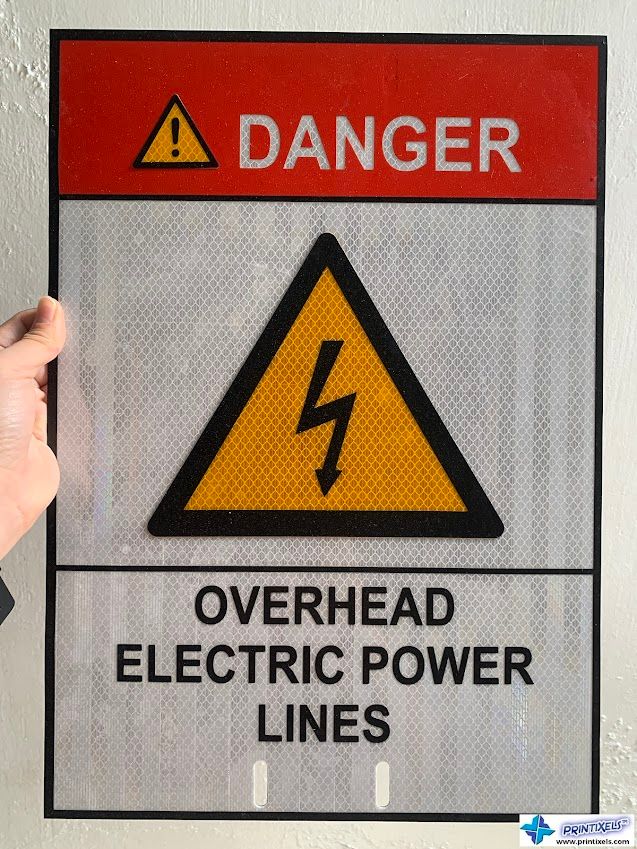
Roadside advertising billboards utilize reflective faces maintaining visibility during nighttime hours when traffic continues but unilluminated signs disappear. Highway business signs guide motorists to services—fuel, food, lodging—with reflective identification visible at speed. Traffic control and warning signs rely on reflectivity for safety-critical nighttime visibility. Vehicle branding extends reflective visibility to mobile advertising.
For Kenyan highways and urban roads with significant nighttime traffic, reflective signage extends advertising and wayfinding effectiveness through dark hours without generator dependence or electrical infrastructure investment. Solar illumination supplemented by reflectivity provides redundancy ensuring continuous visibility.
| Reflective Grade | Technology | Performance Characteristics | Best Applications | |
|---|---|---|---|---|
| Engineering grade | Glass beads | Moderate reflectivity, wide angularity, economical | Low-speed traffic, parking, non-critical applications | |
| High intensity | Prismatic or advanced beads | High reflectivity, good angularity, durable | Highway signage, safety applications, professional advertising | |
| Diamond grade | Full cube prismatic | Maximum reflectivity, precise angularity, premium | Critical safety, high-speed traffic, maximum visibility needs | |
| Digital print reflective | Printable reflective face stock | Graphic capability with reflectivity, various grades | Advertising, branding, complex graphics | |
| Reflective sheeting | Adhesive reflective films | Application to substrates, versatile | Vehicle wraps, retrofit applications, temporary signage |
Traffic Safety and Advertising Integration
Reflective roadside advertising must balance commercial visibility with traffic safety, avoiding distraction or confusion with official traffic control devices. Color restrictions may apply—red, green, and certain yellow shades reserved for regulatory and warning functions. Placement must maintain sightlines for traffic signals and intersection visibility.
For Kenyan roadside advertising, coordination with Kenya National Highways Authority (KeNHA) or county road departments ensures regulatory compliance and safety approval. Professional site assessment identifies appropriate locations maximizing visibility without compromising traffic safety.
Design Optimization for Nighttime Viewing
Reflective signage design requires consideration of nighttime appearance distinct from daytime viewing. Colors appear differently under headlight illumination—reds and yellows reflect brightly while blues and greens may appear darker. Contrast ratios must ensure legibility under low-light conditions. Simplified graphics and bold typography optimize reflective performance.
For advertising applications, messaging should be comprehensible at the brief glance duration typical of passing traffic—simple value propositions, clear branding, and minimal text. Luna Graphics provides reflective signage design optimized for nighttime visibility and rapid comprehension.
Material Durability and Maintenance
Reflective materials must withstand Kenyan environmental conditions including intense UV, rainfall, dust, and temperature cycling while maintaining optical performance. Quality reflective sheeting from reputable manufacturers provides 7-10 year durability with maintained reflectivity. Substrate materials—aluminum, ACM, or rigid panels—provide structural stability and weather resistance.
Maintenance requirements include periodic cleaning removing dust and grime that reduce reflectivity, and inspection for damage or delamination. For highway advertising with difficult access, durable specification and protective installation minimize maintenance needs.
Regulatory Compliance and Permitting
Roadside signage in Kenya requires permits from relevant road authorities (KeNHA for national highways, counties for local roads) specifying size, placement, setback, and safety features. Reflective signage must meet visibility standards ensuring nighttime safety without creating glare hazard. Billboard structures require engineering certification for wind loading and structural safety.
Professional signage providers navigate regulatory requirements securing necessary approvals before installation. Non-compliant roadside signage risks removal and enforcement action. For advertising campaigns, permit acquisition timeline must be incorporated into project planning.
Vehicle Branding Reflective Applications
Reflective materials extend to vehicle branding creating mobile advertising with nighttime visibility. Reflective vinyl wraps or cut graphics on commercial fleets, matatus, or delivery vehicles ensure brand presence 24 hours without additional energy consumption. For Kenyan vehicle branding, reflectivity enhances safety while extending advertising effectiveness.
Vehicle reflective applications must comply with traffic safety regulations restricting reflective placement that could confuse other motorists or emergency responders. Professional installation ensures durability against vehicle vibration, weather exposure, and washing.
Cost Analysis and Value Engineering
Reflective signage costs more than non-reflective equivalents due to specialized materials, but provides extended visibility hours without electrical operating costs. For locations with significant nighttime traffic, reflectivity delivers superior return on investment through 24-hour advertising effectiveness. Solar illumination alternatives provide different cost-benefit profiles appropriate to specific contexts.
Value engineering options include selective reflectivity—reflective elements on non-reflective backgrounds, or reflective accents highlighting key information—balancing performance and cost. Luna Graphics provides cost-benefit analysis supporting informed reflective signage investment decisions.
Conclusion: Reflectivity for Continuous Presence
Reflective signage technology enables Kenyan roadside advertising and wayfinding to maintain visibility through nighttime hours without electrical infrastructure, extending effectiveness and improving traffic safety. For advertisers and businesses seeking continuous presence along Kenya's busy road networks, reflective signage provides proven, cost-effective solution.
Luna Graphics provides comprehensive reflective signage services from material specification and regulatory navigation through production and installation. Our expertise ensures optimal retroreflective performance for specific roadside applications and traffic conditions. Contact our roadside specialists to discuss reflective solutions for your advertising and visibility requirements.

Written by Ian Love
Marketing Director
Professional contributor at Luna Graphics specializing in printing and branding solutions.