The Marketing Function of Real Estate Signage
Real estate signage serves as primary marketing infrastructure for property sales, developments, and agency branding, functioning as silent salespeople generating inquiries, establishing credibility, and creating market presence in competitive property environments. For Kenyan real estate—from residential sales in Nairobi suburbs to commercial developments in emerging districts to land offerings in growth corridors—effective signage significantly impacts transaction velocity and price achievement.
The real estate signage ecosystem encompasses diverse applications: property sale boards identifying specific listings; development hoardings marketing construction projects; directional signage guiding prospects to properties; open house and auction signage creating event presence; and agency branding establishing corporate identity across markets. Each application requires strategic design optimizing for specific objectives, durations, and regulatory contexts.
Property Sale Board Strategy
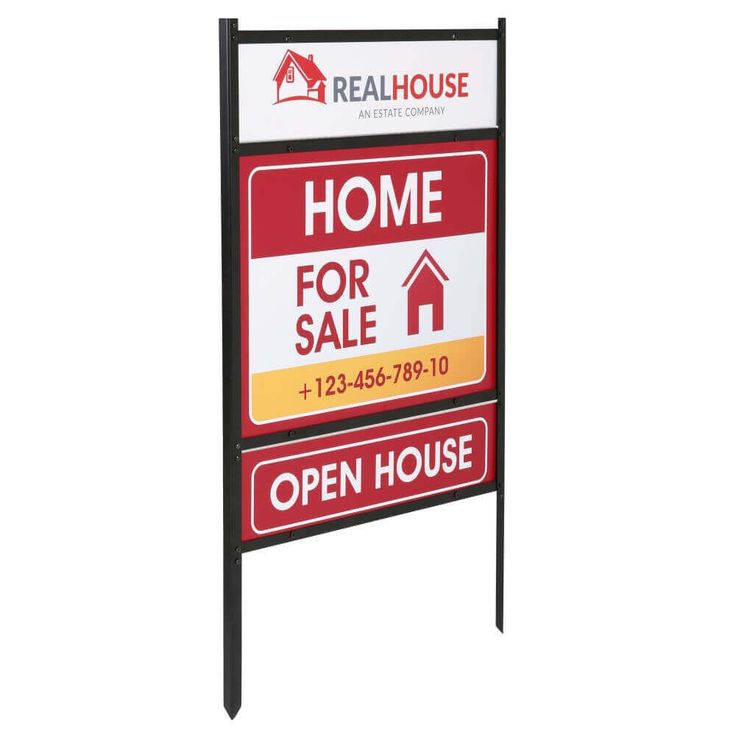
Property sale boards (For Sale signs) remain essential marketing tools despite digital proliferation, providing neighborhood presence indicating market activity, generating drive-by inquiries from local prospects, and supporting seller confidence through visible marketing effort. Effective sale boards balance information sufficiency with design clarity—property identification, agent branding, contact information, and key attributes (price, beds, features) presented for rapid comprehension by passing traffic.
For Kenyan residential markets, sale board design should reflect neighborhood character—premium finishes for upscale areas, practical durability for challenging environments. Board size and placement must comply with municipal regulations and estate covenants while maximizing visibility. Double-sided presentation ensures visibility from both traffic directions.
| Real Estate Sign Type | Primary Function | Design Priorities | Duration/Material |
|---|---|---|---|
| Property sale board | Listing identification, inquiry generation | Contact clarity, brand credibility, feature highlights | Temporary, weather-resistant corrugated plastic or ACM |
| Development hoarding | Project marketing, presales, brand building | Visual impact, project identity, sales center direction | Long-term, durable vinyl on rigid substrate |
| Directional/wayfinding | Prospect guidance to properties | Clarity, sequential placement, brand consistency | Temporary, portable A-frames or stakes |
| Open house/auction | Event promotion, urgency creation | Date/time prominence, address clarity, visual urgency | Very temporary, lightweight, economical |
| Agency branding | Corporate presence, credibility, recruitment | Brand standards, quality signaling, location dominance | Permanent or long-term, premium materials |
| Site/coming soon | Future availability, market preparation | Teaser messaging, contact capture, anticipation building | Medium-term, durable, update capability |
Development Hoarding and Project Marketing
Construction site hoardings transform development eyesores into massive marketing platforms announcing projects, generating presales, and building brand anticipation. These large-format installations—often spanning hundreds of meters—require compelling visual design, clear project identity, and strategic information hierarchy capturing attention and driving inquiry.
For Kenyan property developments, hoarding design should reflect project positioning—luxury residential, commercial office, mixed-use, or industrial—with appropriate aesthetic sophistication. Information typically includes project name and identity, developer branding, architect/team credits, contact information, and project visualization (renders, site plans, amenity highlights). Lighting extends visibility into evening hours when construction sites are often most visible.
Directional and Wayfinding Signage
Property wayfinding signage guides prospects to specific locations, particularly important for developments in emerging areas, properties with difficult access, or show houses in new subdivisions. Sequential directional signs from major roads through neighborhood streets to specific properties prevent frustration and no-shows while reinforcing brand presence throughout the journey.
For Kenyan property marketing, directional signage must withstand outdoor exposure while remaining portable for reuse across listings. Standardized design systems enable efficient deployment while maintaining brand consistency. Removal protocols prevent neighborhood blight from obsolete directional signage.
Agency Branding and Corporate Presence
Real estate agency branding through office signage, vehicle fleets, and market presence establishes credibility and recognition essential for vendor acquisition and buyer trust. Office signage should project professionalism and success appropriate to market positioning—boutique agencies emphasizing personalized service, major franchises leveraging brand recognition, commercial specialists signaling market expertise.
For Kenyan real estate agencies, consistent branding across all touchpoints—signage, print, digital, and personal presentation—creates coherent identity supporting market differentiation. Investment in quality signage signals organizational stability and success attracting quality listings and agents.
Design Psychology and Market Response
Real estate signage design applies behavioral psychology influencing prospect response: urgency cues (auction dates, price reductions) motivate immediate action; social proof (sold stickers, multiple listings) suggests market confidence; and quality signaling (premium materials, professional photography) indicates property value. Color psychology—blue for trust, green for growth, red for urgency—supports messaging objectives.
For Kenyan property markets, cultural considerations influence design effectiveness—community imagery, local landmark references, and appropriate language usage create connection with target demographics. Professional design distinguishes serious marketing from amateur effort affecting price expectations.
Material Selection and Durability
Real estate signage materials must balance cost efficiency with appearance maintenance and durability appropriate to duration. Short-term sale boards utilize economical corrugated plastic; medium-term development hoardings require weather-resistant rigid substrates; and permanent agency branding warrants premium materials with extended warranties.
For Kenyan conditions, UV resistance prevents fading in intense sunlight; waterproof construction withstands rainfall; and sturdy mounting prevents wind damage. Material investment should match listing value and duration—premium properties warranting higher signage investment than budget listings.
Regulatory Compliance and Ethics
Real estate signage must comply with municipal regulations regarding size, placement, duration, and removal. Nairobi City County and other jurisdictions have specific requirements for temporary signage; estate covenants may impose additional restrictions; and road authorities regulate directional signage. Compliance prevents enforcement action and maintains industry reputation.
Ethical considerations include accurate representation, timely removal of sold/leased signage, and respect for neighborhood aesthetics. Professional real estate practice includes signage management as component of market responsibility.
Measurement and Optimization
Real estate signage effectiveness should be tracked through inquiry attribution, sale board presence correlation with market share, and development presales linked to hoarding visibility. While precise measurement challenges traditional signage, unique contact numbers, QR codes, or specific inquiry prompts enable response tracking.
A/B testing different designs, messaging, or placement informs optimization for subsequent listings. Market feedback on signage quality influences agency brand perception. Luna Graphics provides real estate signage with consultation on effectiveness optimization.
Conclusion: Signage as Real Estate Essential
Real estate signage remains essential marketing infrastructure despite digital disruption, providing physical presence, neighborhood branding, and inquiry generation impossible through online channels alone. For Kenyan property professionals, investment in quality signage yields returns through faster transactions, price optimization, and brand building.
Luna Graphics provides comprehensive real estate signage services from sale boards and development hoardings through agency branding and wayfinding systems. Our property marketing expertise ensures signage solutions supporting transaction objectives and market positioning. Contact our real estate specialists to discuss your property marketing signage requirements and discover how professional presence can accelerate your sales and leasing success.

Written by Ian Love
Marketing Director
Professional contributor at Luna Graphics specializing in printing and branding solutions.