
The Versatility of CNC Cutting Materials
CNC cutting technology accommodates virtually any machinable material, making it one of the most versatile manufacturing processes available. Unlike specialized cutting methods limited to specific material categories, CNC routing and milling handle diverse substrates through adjustable tooling, speeds, and feeds. This material flexibility enables single-source manufacturing for multi-material projects and supports businesses serving varied industries without process limitations.
Material selection fundamentally determines cutting parameters, tooling requirements, finish quality, and application suitability. Understanding material characteristics—density, hardness, thermal properties, abrasiveness—enables optimal processing and outcome prediction. This guide examines material categories commonly processed in Kenyan CNC cutting operations, their characteristics, and typical applications.
The Kenyan market emphasizes materials balancing performance, availability, and cost. Imported specialty materials serve specific applications, while locally available substrates address volume markets. CNC cutting providers maintain material inventories based on demand patterns, with procurement capabilities for specialized requirements.
Wood and Wood-Based Materials
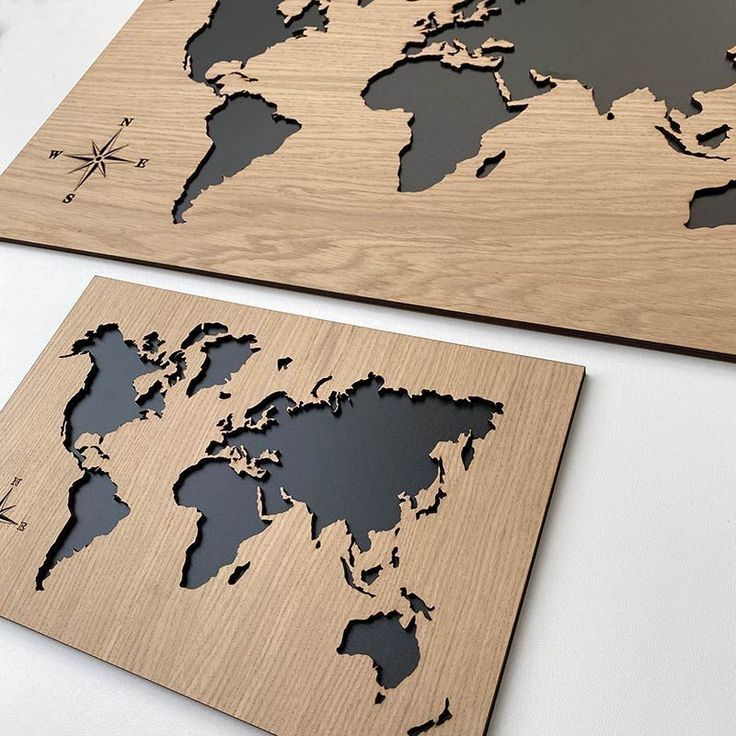
Medium Density Fiberboard (MDF): The most commonly CNC-cut material due to uniform density, dimensional stability, and economical pricing. MDF contains no grain structure, cutting consistently in all directions without splintering or tear-out. Standard densities (600-800 kg/m³) machine easily; high-density varieties (800-1000 kg/m³) offer improved surface hardness for demanding applications. Moisture-resistant MDF (green core) suits humid environments though not direct weather exposure. Applications include furniture components, cabinetry, signage substrates, and painted architectural elements.
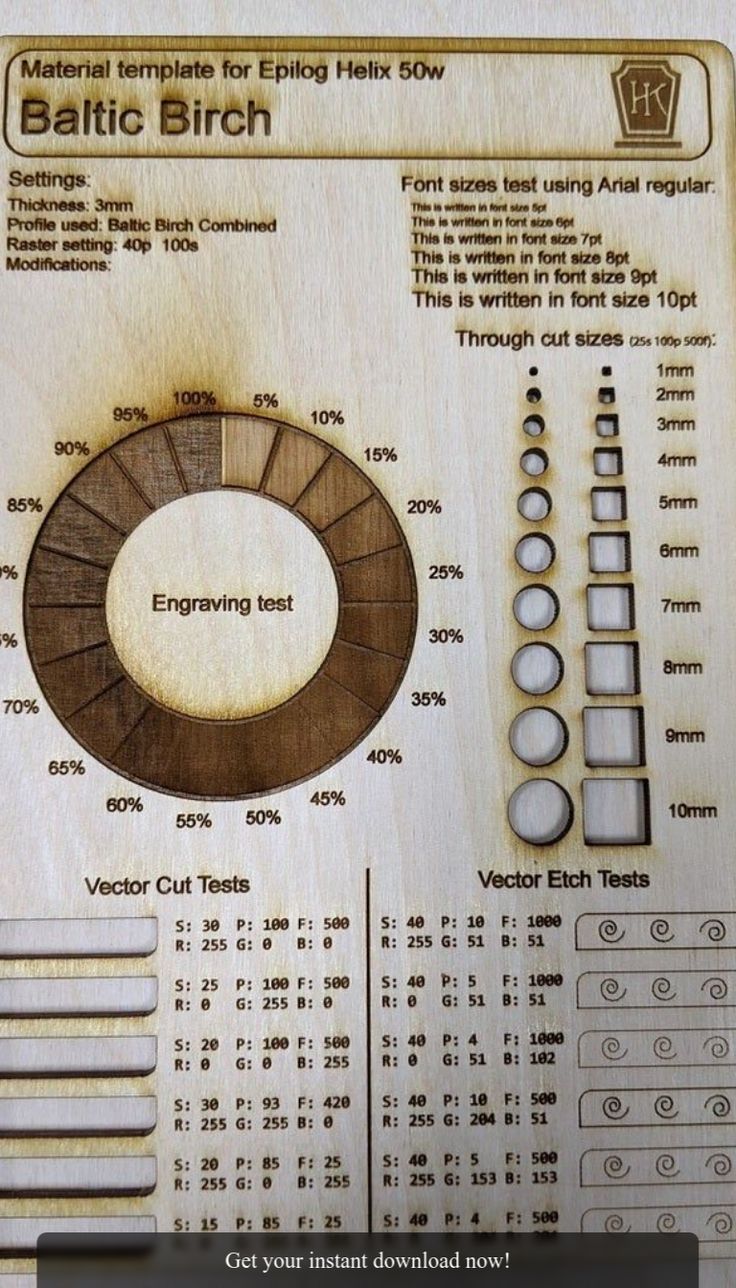
Plywood: Engineered wood product with grain direction considerations affecting cutting. Hardwood plywoods (birch, oak, meranti) offer attractive edge appearance for visible applications; softwood plywoods provide economical structural performance. Marine plywood withstands moisture exposure for exterior applications. Cutting parameters must account for grain direction—cross-grain cutting risks splintering on face veneers, addressable through appropriate tooling and cutting direction. Thickness ranges from 3mm to 25mm standard, with specialty products available to 40mm.
Particleboard and Chipboard: Economical alternatives to MDF with coarser texture and lower density. Less preferred for quality CNC cutting due to chip-out tendency and poorer edge finish, but suitable for painted applications or where cost dominates. Pre-laminated particleboard (melamine-faced) popular for cabinetry, requiring sharp tooling and careful parameters to prevent chip-out on laminated surfaces.
Solid Wood: Natural hardwoods and softwoods machine beautifully with appropriate tooling and parameters. Hardwoods (oak, mahogany, teak, mvule) require slower feeds and sharper tools than softwoods (pine, cypress). Grain direction critically affects cut quality—cutting with grain produces cleaner edges than against grain. Moisture content must be stable (8-12% for interior use) to prevent movement post-machining. Figured or interlocked grain presents cutting challenges requiring specialized tooling.
| Wood Material | Density (kg/m³) | Cutting Speed (m/min) | Tool Type | Best Applications |
|---|---|---|---|---|
| Standard MDF | 650-750 | 15-25 | Carbide spiral upcut | Furniture, signage, paint-grade |
| High Density MDF | 800-1000 | 12-20 | Carbide spiral | High-wear surfaces, detailed work |
| Birch Plywood | 600-750 | 15-22 | Compression spiral | Visible edges, quality furniture |
| Marine Plywood | 500-700 | 12-18 | Carbide spiral | Exterior applications, wet environments |
| Oak (Hardwood) | 600-900 | 8-15 | Sharp carbide, slow feed | Premium furniture, architectural |
| Pine (Softwood) | 350-550 | 18-30 | Standard carbide | Construction, economical furniture |
| Melamine Board | 650-750 | 12-18 | Compression spiral, sharp | Cabinetry, shopfitting |
Plastics and Acrylics
Cast Acrylic (PMMA): Premium transparent plastic offering optical clarity and excellent weather resistance. Casts acrylic machines cleanly with polished-edge potential when using appropriate tooling and parameters. Thermal sensitivity requires careful feed rate selection—too slow causes melting and poor finish; too fast creates chip-out. Applications include signage, display cases, architectural features, and decorative elements. Thickness availability 2mm to 50mm+.
Extruded Acrylic: Economical alternative to cast acrylic with slightly lower optical quality and more consistent thickness. Machines similarly though with greater tendency to melting if parameters incorrect. Suitable for most signage and display applications where cast acrylic premium unnecessary. Lower stress levels than cast acrylic reduce crazing tendency.
PVC (Polyvinyl Chloride): Versatile plastic available in rigid sheet (foam board, solid PVC) and expanded foam (Forex, Palight). Rigid PVC machines well with sharp tooling; expanded PVC (density 300-600 kg/m³) cuts extremely easily, almost like dense cardboard. Self-extinguishing and chemical resistant. Applications include signage, exhibition graphics, and chemical-resistant components. Note: PVC releases chlorine gas when laser cut—CNC cutting required.
Polycarbonate: High-impact transparent plastic significantly tougher than acrylic. More challenging to CNC cut due to toughness and melting tendency, requiring sharp tooling and conservative parameters. Applications requiring impact resistance—machine guards, safety glazing, industrial components. Scratch-resistant coatings affect cutting parameters.
Engineering Plastics: Nylon, Delrin (acetal), UHMW polyethylene, and PTFE offer specific mechanical properties. These materials machine cleanly with appropriate tooling, producing precision mechanical components. Nylon's moisture absorption requires consideration for tight-tolerance parts. Delrin offers excellent dimensional stability and low friction for mechanical applications.
Metals and Metal Composites
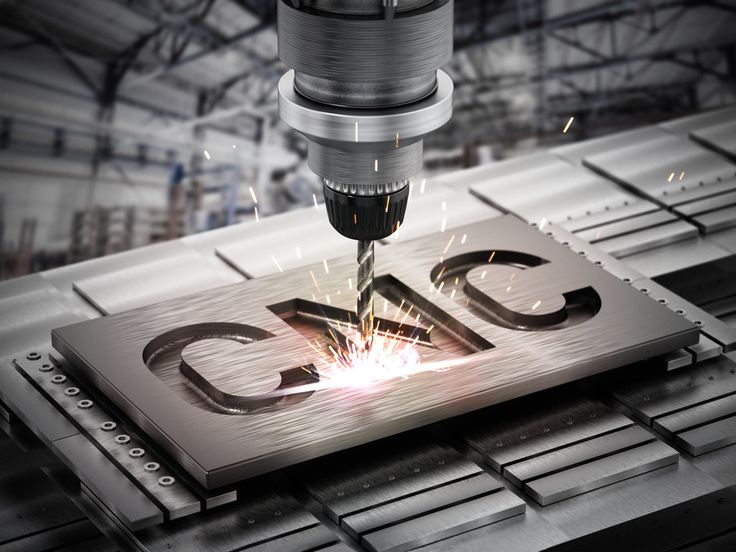
Aluminum: Most commonly CNC-cut metal due to favorable machining characteristics. Soft alloys (1xxx, 3xxx, 5xxx series) cut easily; harder alloys (6xxx, 7xxx) require more robust equipment and parameters. Sheet aluminum (1-6mm) processes on quality CNC routers with appropriate spindles and cooling; thicker stock or harder alloys require CNC mills. Aluminum composite panels (ACP)—aluminum skins bonded to polyethylene core—cut easily and fold for signage applications. Applications include signage, architectural cladding, mechanical parts, and decorative elements.
Brass and Copper: Non-ferrous metals machine similarly to aluminum though with greater work-hardening tendency requiring sharp tooling and adequate chip evacuation. Attractive appearance suits decorative applications, signage, and electrical components. Higher material costs than aluminum limit application to appropriate value-added uses.
Mild Steel and Stainless Steel: Ferrous metals require industrial CNC milling equipment rather than standard routers. Cutting speeds significantly slower than non-ferrous metals, with coolant essential for heat management and tool life. Stainless steel particularly challenging due to toughness and work-hardening. Applications include industrial components, architectural hardware, and functional mechanical parts.
Metal Composites: Beyond ACP, various metal-faced laminates and honeycomb panels serve architectural and transportation applications. These materials require parameter adjustment for layered construction, managing different cutting characteristics of face materials and core substrates.
Composites and Specialty Materials
Carbon Fiber Reinforced Plastic (CFRP): High-performance composite offering exceptional strength-to-weight ratio. Abrasive to tooling requiring diamond or carbide cutters; dust hazardous requiring extraction and respiratory protection. Applications include aerospace, motorsport, high-performance equipment. Specialized cutting parameters prevent delamination and fiber pull-out.
Fiberglass (GFRP): Glass fiber reinforced plastic machines similarly to carbon fiber though less abrasive. Widely used in marine, construction, and industrial applications. Dust management critical for operator safety. Cutting parameters optimize for clean edges without resin melting or fiber fraying.
Solid Surface Materials: Corian, Hi-Macs, and similar acrylic-mineral composites machine beautifully, enabling seamless countertops, architectural features, and decorative objects. Thermoformable after cutting, allowing curved forms. Color-through composition enables intricate inlay and repair. Premium material costs restrict to high-value applications.
Foam Materials: Expanded polystyrene (EPS), polyurethane foam, and specialty modeling foams cut extremely quickly for prototyping, packaging, and architectural modeling. Large format cutting possible due to low cutting forces. Surface finish varies by foam density and cell structure.
Material Selection Guidelines
Selecting appropriate materials requires balancing multiple factors:
Functional Requirements: Structural loads, environmental exposure, wear conditions, and chemical exposure determine material suitability. Exterior applications require weather-resistant materials; structural applications need adequate strength and stiffness; food-contact requires appropriate certifications.
Aesthetic Considerations: Visible applications require materials with appropriate appearance—grain patterns in wood, clarity in plastics, finish quality in metals. Paint-grade applications accept lower-grade substrates; clear-finished or exposed-edge designs require premium materials.
Manufacturability: Material characteristics affect cutting efficiency and quality. Some materials machine easily with standard tooling; others require specialized cutters, slower speeds, or specific parameters. Manufacturing cost includes not merely material price but cutting time and tooling consumption.
Economic Factors: Material cost represents significant portion of total project value. Balance material quality against application requirements—over-specification wastes resources; under-specification risks failure or poor appearance. Availability and lead time affect project scheduling.
Luna Graphics processes comprehensive material range from standard MDF to advanced composites, advising clients on optimal material selection balancing performance, appearance, and cost. Our material inventory and supplier relationships ensure availability for diverse project requirements. Contact our technical team to discuss material options for your specific application.
Written by Ian Love
Marketing Director
Professional contributor at Luna Graphics specializing in printing and branding solutions.