
The Strategic Complexity of Mall Signage
Shopping mall signage operates within uniquely complex ecosystems requiring coordination among multiple stakeholders—mall management, diverse retail tenants, food service operators, entertainment venues, and service providers—each with distinct branding needs within unified environmental systems. For Kenyan shopping centers from Nairobi's premier malls to emerging community centers, effective signage strategy directly impacts shopper satisfaction, tenant success, and property valuation.
Mall signage encompasses hierarchical systems guiding shoppers from arrival through parking, entry, orientation, wayfinding, tenant location, and amenity access while accommodating promotional messaging, event communication, and emergency information. These systems must function across diverse user populations—regular shoppers, first-time visitors, diverse age groups, and varying literacy levels—within environments designed for extended dwell time and commercial engagement.
Mall Wayfinding Hierarchy
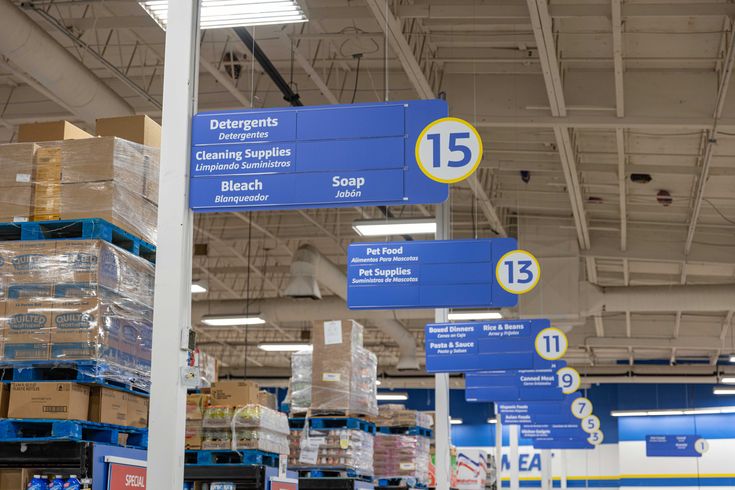
Effective mall wayfinding follows clear hierarchy from macro to micro: exterior identification establishing mall presence and entry guidance; parking level and zone identification enabling vehicle location; entry and directory systems providing orientation; circulation guidance directing along mall arteries; and tenant identification confirming destination arrival. Each level requires consistent visual language while accommodating specific information needs.
For Kenyan malls with multi-level structures, vertical circulation clarity—escalator, elevator, and stair identification—prevents confusion and missed connections. Anchor tenant identification assists orientation through familiar brand recognition. Amenities location (restrooms, information, security, emergency) addresses essential needs throughout the shopping journey. Luna Graphics provides wayfinding strategy ensuring comprehensive navigation support.
| Mall Signage Category | Primary Functions | Stakeholder Considerations | Design Requirements |
|---|---|---|---|
| Exterior/entry | Identification, attraction, entry guidance | Mall ownership, anchor tenants, municipal standards | Visibility from traffic, architectural integration |
| Parking | Level/zone identification, pedestrian direction, safety | Security, parking management, emergency services | Durability, lighting, code compliance |
| Directory systems | Tenant listing, location mapping, wayfinding | Mall management, tenant equity, advertising revenue | Update flexibility, accessibility, advertising integration |
| Circulation guidance | Directional, directory, amenity location | Shopper experience, tenant visibility, operations | Consistency, sightline optimization, clutter control |
| Tenant identification | Storefront signage, directory listing, promotion | Tenant design, mall standards, lease compliance | Brand expression, design standards, size hierarchy |
| Common area | Amenities, events, promotions, regulations | Mall marketing, operations, security | Flexibility, visibility, brand alignment |
Tenant Coordination and Design Standards
Mall signage requires balancing tenant brand expression with environmental coherence through design standards governing size, placement, materials, illumination, and installation methods. These standards protect property aesthetic while ensuring fair visibility allocation preventing dominant tenants from overwhelming competitors. For Kenyan malls, standards may address local conditions including weather exposure for exterior tenants and electrical reliability for illumination.
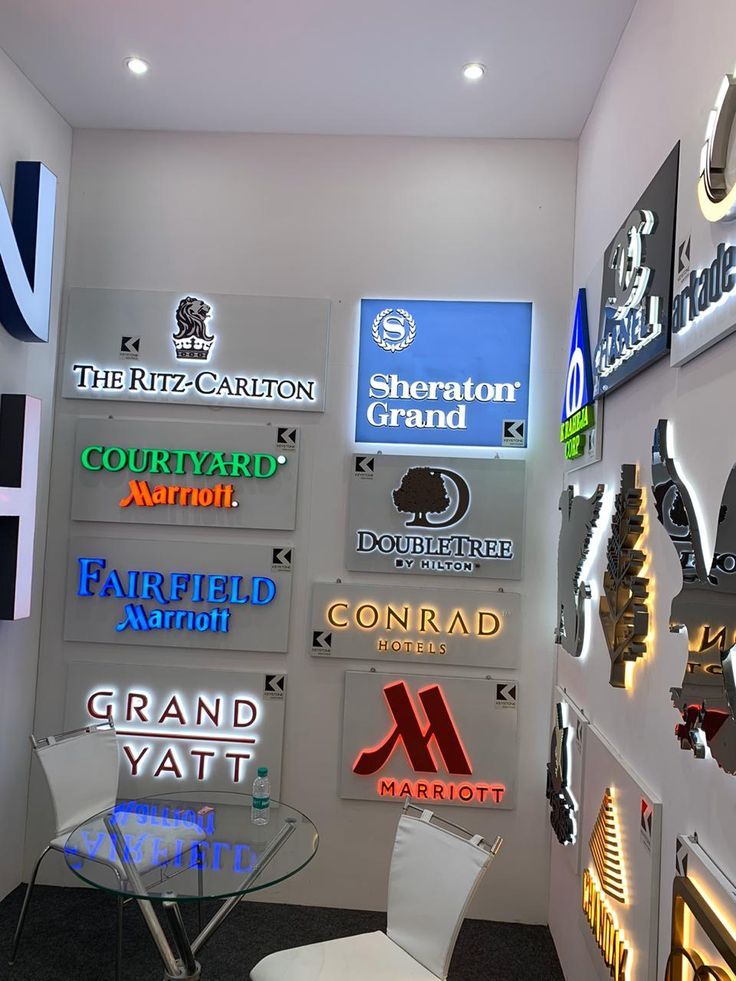
Tenant signage categories typically include primary storefront identification, secondary promotional messaging, and temporary promotional materials with distinct standards for each. Design review processes ensure compliance before installation, with enforcement mechanisms maintaining standards over time. Luna Graphics provides tenant signage services navigating mall requirements while maximizing brand expression within guidelines.
Digital Integration and Dynamic Communication
Digital signage technologies transform mall communication with dynamic directories, promotional messaging, event information, and wayfinding assistance. Touchscreen directories enable searchable tenant location with mapping; digital posters provide advertising revenue and promotional flexibility; and video walls create entertainment and atmosphere. For Kenyan malls, digital integration addresses directory maintenance challenges in rapidly changing tenant mixes.
However, digital systems require substantial infrastructure investment, technical maintenance, and content management. Hybrid approaches combining digital flexibility for changing information with static durability for permanent wayfinding often optimize investment. Networked systems enabling centralized control with local input ensure consistency while accommodating specific location needs.
Common Area Branding and Atmosphere
Beyond functional wayfinding, mall signage contributes to environmental atmosphere through decorative graphics, seasonal theming, cultural celebration, and brand expression. Common area graphics transform utilitarian spaces into engaging environments encouraging extended visits. For Kenyan malls, culturally relevant design reflecting local identity and celebrations creates connection with shopper communities.
Event support signage—including promotional displays, activity wayfinding, and temporary branding—enables mall programming driving traffic and engagement. Flexibility for frequent changeout accommodates active marketing calendars without permanent installation costs.
Parking and Exterior Signage
Mall parking areas require comprehensive signage guiding entry, level/zone identification, pedestrian access, and exit while addressing safety and security concerns. Clear identification enabling shoppers to locate vehicles prevents frustration and negative experience. Pedestrian wayfinding from parking to entries must be intuitive and safe, with appropriate lighting and security communication.
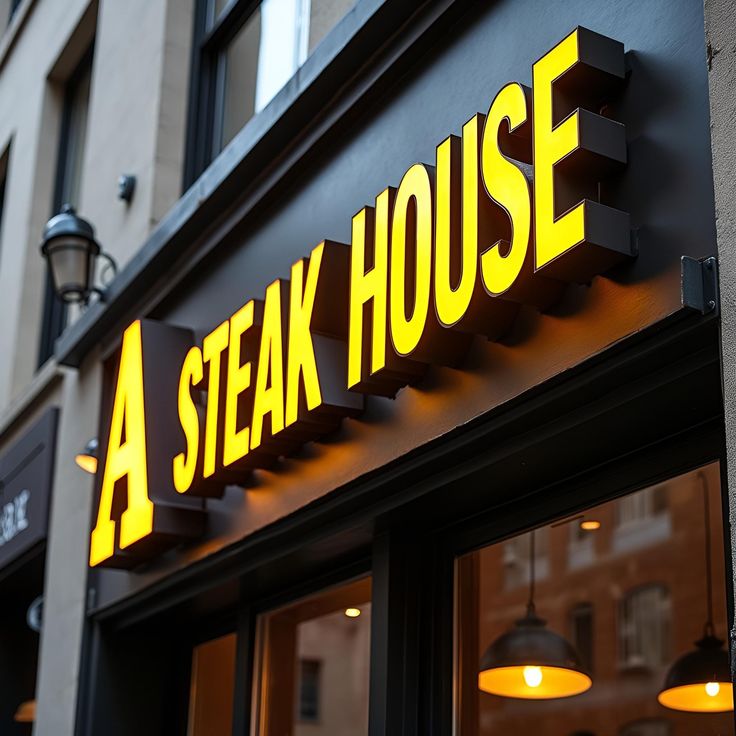
Exterior signage establishes mall identity visible from surrounding traffic, with monument signs, building identification, and entry guidance competing for attention in cluttered commercial corridors. For Nairobi malls along major highways, exterior signage must capture attention at speed while providing adequate information for navigation decisions.
Accessibility and Universal Design
Mall signage must serve diverse populations including those with visual, mobility, cognitive, and language differences. Accessibility standards including tactile elements, audible information, high contrast, and appropriate mounting heights ensure inclusive navigation. For Kenyan malls serving diverse communities, multilingual signage—including Swahili, English, and relevant regional languages—extends accessibility.
Universal design benefits all shoppers—clearer wayfinding, better lighting, and intuitive layouts improve experience regardless of specific abilities. Family-friendly amenities including stroller navigation, child safety information, and family restroom identification support primary shopper demographics.
Revenue Generation and Advertising Integration
Mall signage represents revenue opportunity through advertising integration in directories, digital networks, and common area displays. Advertising sales must balance revenue generation with shopper experience, avoiding excessive commercial intrusion that degrades environment quality. Clear advertising identification distinguishes paid placement from wayfinding information preventing shopper confusion.
Sponsorship integration—including amenity naming, event presentation, and environmental branding—provides additional revenue while requiring appropriate recognition standards. For Kenyan malls, local business advertising and community sponsorship create relevant connections with shopper base.
Implementation and Ongoing Management
Mall signage implementation requires coordination with construction, tenant fit-out, and operational commissioning. Phased installation may accommodate mall expansion or renovation maintaining partial operations. Tenant coordination ensures timely signage installation supporting store openings.
Ongoing management addresses maintenance, tenant change updates, promotional refresh, and standards enforcement. For successful Kenyan malls, signage management systems ensure continued effectiveness as tenant mixes evolve and physical environments age.
Conclusion: Signage as Mall Differentiator
Shopping mall signage, strategically developed and managed, differentiates properties in competitive retail environments, enhances shopper experience supporting longer visits and higher spending, and maximizes tenant success ensuring occupancy and rental rates. For Kenyan retail real estate, professional signage investment yields returns through property value, operational efficiency, and customer satisfaction.
Luna Graphics provides comprehensive mall signage services from master planning and standards development through tenant coordination, production, and ongoing maintenance. Our retail environment expertise ensures signage systems supporting mall success in Kenya's dynamic retail landscape. Contact our mall specialists to discuss your property's signage strategy and discover how effective wayfinding and branding can enhance your retail destination.
Written by Ian Love
Marketing Director
Professional contributor at Luna Graphics specializing in printing and branding solutions.