
The Tactile Dimension of Luxury
Luxury branding transcends visual communication to engage tactile senses—texture, weight, temperature, and resistance create subconscious quality assessments that justify premium pricing. In Kenya's growing luxury market (high-end real estate, premium spirits, luxury vehicles, executive services), print finishing techniques transform ordinary materials into extraordinary brand experiences. The physical interaction with brand materials becomes part of the value proposition.
Luxury print finishing requires specialized equipment, skilled craftsmanship, and material knowledge rarely found in standard commercial printing. Kenyan luxury brands often import finished materials or work with specialized providers capable of international-quality execution. Understanding available techniques enables informed specification and supplier selection.
Foil Stamping: Metallic and Pigment Applications
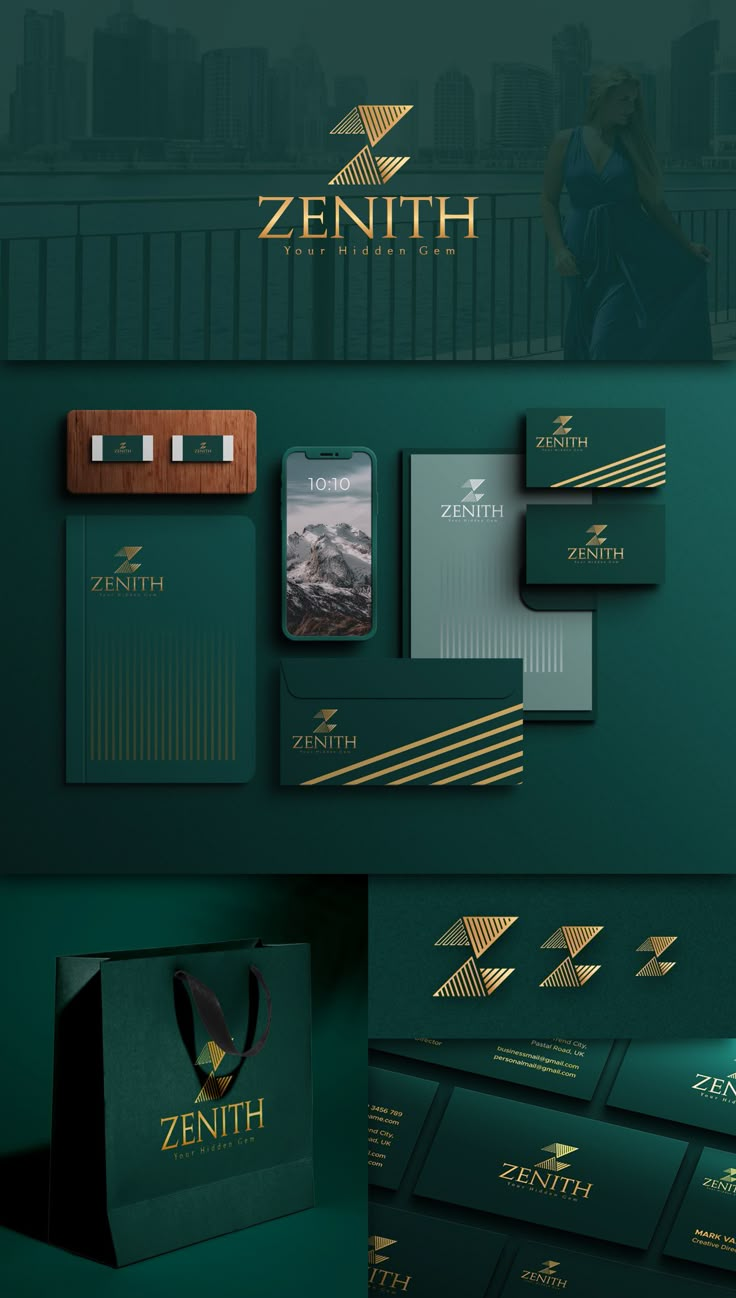
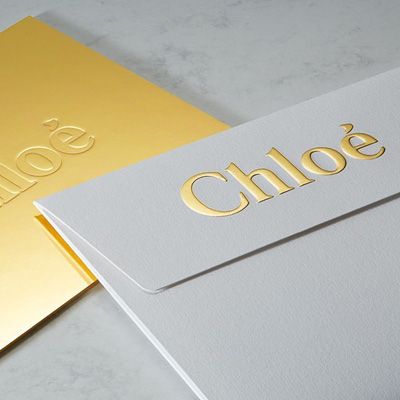
Hot foil stamping applies metallic or pigmented foil to substrate using heat and pressure, creating reflective, textured accents impossible with ink. Types include: metallic foils (gold, silver, copper, holographic) for traditional luxury signaling; pigment foils (matte colors, white, black) for subtle sophistication; and specialty foils (marble patterns, wood grain, brushed metal) for unique effects.
Application considerations: substrate compatibility (coated papers, leather, fabric, plastics); design complexity (fine detail requires sharp dies, large areas need even pressure); and combination techniques (foil over embossing, foil with spot UV). Kenyan climate (humidity, temperature) affects foil adhesion requiring climate-controlled production environments.
| Finishing Technique | Visual Effect | Tactile Quality | Cost Factor | Best Applications |
|---|---|---|---|---|
| Hot Foil Stamping | Reflective, metallic, premium | Slight texture, smooth | High (die costs) | Logos, borders, accents |
| Embossing | Dimensional, shadow play | Raised texture, finger-tracing | Medium (die costs) | Logos, monograms, patterns |
| Debossing | Recessed, subtle shadow | Indented, finger-catching | Medium | Subtle luxury, leather |
| Spot UV Varnish | Gloss contrast, depth | Slight relief, smooth gloss | Medium | Photo emphasis, pattern overlay |
| Soft Touch Lamination | Matte, velvety appearance | Warm, suede-like feel | Medium | Covers, high-end brochures |
| Thermography | Raised ink, textured print | Bumpy, tactile letterforms | Low-Medium | Stationery, invitations |
| Die Cutting | Custom shapes, windows | Edge quality, reveal | Medium (die costs) | Unique formats, packaging |
| Laser Cutting | Intricate patterns, precision | Clean edges, lace effects | High (equipment) | Invitations, luxury packaging |
Embossing and Debossing: Dimensional Texture
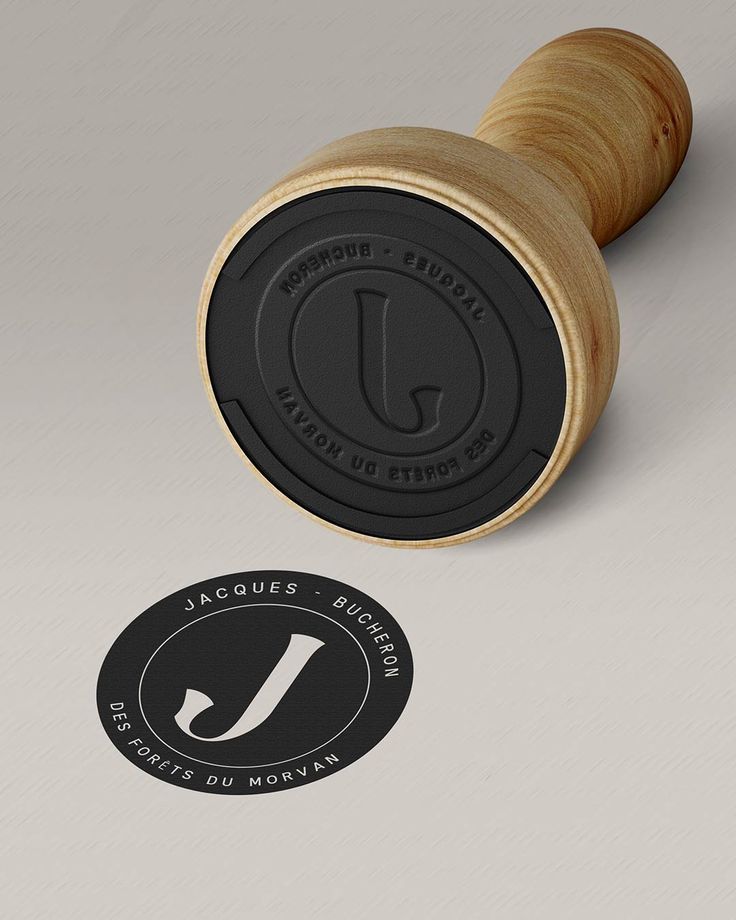
Embossing creates raised relief (image above paper surface); debossing creates recessed impression (image below surface). Both require custom dies (magnesium, copper, or brass) and substantial pressure. Techniques include: blind embossing (no ink, texture only); registered embossing (aligned with printed image); and multi-level embossing (sculptural depth variation).
Design considerations: positive vs. negative space (embossing works best with distinct shapes); paper selection (cotton stocks hold detail better than coated papers); and image complexity (fine lines may break, large areas need beveled edges). Leather and synthetic substrates enable dramatic debossing for premium packaging.
Specialty Coatings and Varnishes
Coatings protect and enhance printed materials: soft-touch lamination (matte polyurethane creating suede-like texture); spot UV (gloss varnish highlighting specific areas against matte background); textured varnishes (sand, linen, leather patterns); and scratch-and-sniff (microencapsulated fragrance for sensory marketing). These finishes add production complexity but create distinctive brand experiences.
Environmental considerations—UV coatings reduce drying time and VOC emissions; aqueous coatings offer eco-friendly alternatives; and oil-based varnishes provide traditional protection. Kenyan production capabilities vary; luxury projects may require specialized finishing houses or import partnerships.
Substrate Selection for Luxury
Paper and material selection fundamentally impacts luxury perception: cotton papers (100% cotton content, archival quality, substantial feel); synthetic substrates (Yupo, Teslin for durability and unique handling); colored stocks (deep blacks, rich colors eliminating white edges); and alternative materials (wood veneer, acrylic, metal laminates). Weight matters—luxury materials typically exceed 300gsm, with board stocks (600-1000gsm) for packaging.
Sustainability in luxury—recycled cotton papers, FSC-certified boards, and biodegradable coatings address environmental consciousness without compromising quality. Kenyan luxury brands increasingly specify sustainable luxury materials.
Combination Techniques and Complex Finishing
Advanced luxury projects combine multiple techniques: foil stamping + embossing (registering foil to embossed surface); spot UV + soft-touch (gloss highlights on matte); multi-foil layering (different colors, holographic effects); and die-cutting + folding (structural packaging innovation). Each combination requires precise registration and sequential production planning.
Prototyping is essential—digital mockups cannot convey tactile qualities; physical dummies verify structural integrity; and press proofs confirm color and registration. Luxury projects warrant production oversight and quality inspection.
Applications Across Luxury Categories
Real estate: property brochures with soft-touch covers, foil-stamped logos, and embossed floor plans; Hospitality: menu covers in leather with blind debossing, room key cards with metallic foiling; Corporate: annual reports with multi-level embossing, spot UV data visualization; Fashion: lookbooks with die-cut reveals, fabric swatch books with ribbon markers; and Events: invitations with laser-cut lace patterns, wax seals, and hand-finishing.
Luxury packaging—rigid boxes with magnetic closures, foil-stamped branding, and velvet interiors—elevates product presentation and unboxing experiences.
Conclusion: Investment in Tactile Excellence
Luxury print finishing represents significant investment justified by brand positioning and customer lifetime value. For Kenyan luxury brands, physical materials must match aspirational promises—tactile disappointment undermines premium pricing power.
Luna Graphics provides luxury finishing capabilities—foil stamping, embossing, specialty coatings, and bespoke material sourcing. Our partnerships with international specialty finishers enable world-class execution for discerning Kenyan brands. Contact our luxury team to discuss premium tactile experiences.
Written by Ian Love
Marketing Director
Professional contributor at Luna Graphics specializing in printing and branding solutions.