
The Enduring Authority of the Seal
In an era of digital signatures and electronic documents, physical stamps and seals retain surprising authority in Kenyan business culture. Company seals emboss legal documents with permanence; rubber stamps authenticate routine paperwork; wax seals add ceremonial significance to certificates and invitations; and custom stamps brand packaging and products. These traditional tools provide tactile authentication that digital alternatives cannot replicate—particularly important in legal, educational, and governmental contexts where physical documentation prevails.
Kenyan regulatory frameworks specifically require seals for certain transactions—company registration, land transfers, and official certifications—making seal design and custody serious governance matters. Beyond compliance, strategic seal and stamp deployment enhances brand authority and document security.
Company Seals: Legal Requirements and Specifications
Under Kenyan company law, every registered company must maintain a common seal for executing deeds and share certificates. Legal specifications: circular design (traditional) or rectangular (modern alternative); company name engraved around circumference; registration number inclusion; and custody requirements (typically company secretary or directors). Seal impressions must be witnessed and recorded in statutory registers.
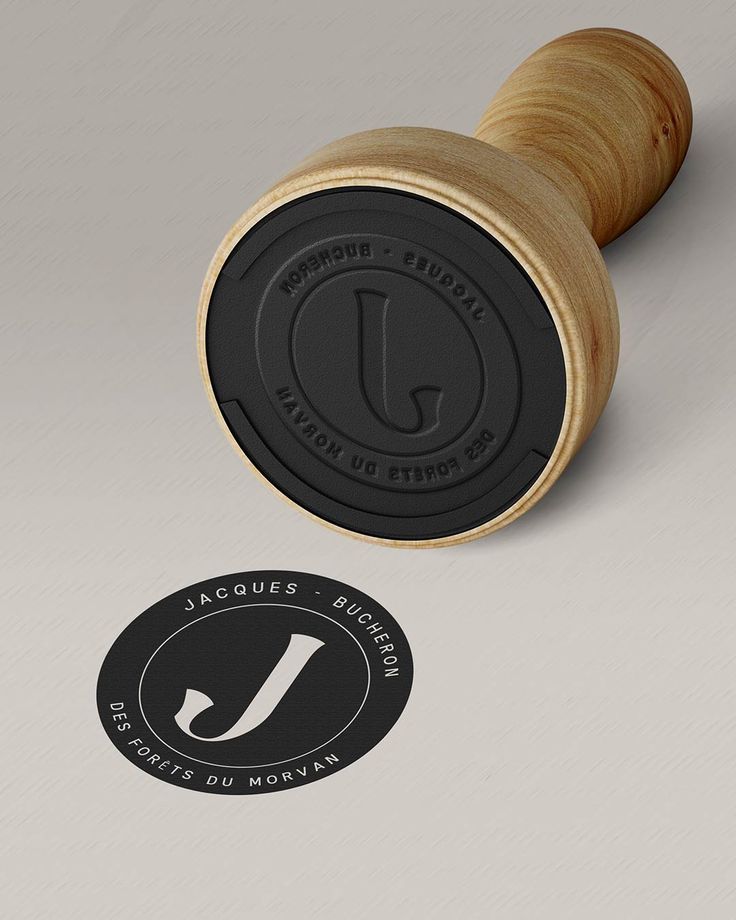
Embossing seals (raised impression) vs. ink stamps (flat printed): embossers provide tamper-evident, permanent marking suitable for certificates and legal documents; ink stamps suit high-volume routine use. Quality considerations: die depth (deeper impressions resist wear); material (brass dies outlast steel); and ergonomic handles (frequent use comfort).
| Seal/Stamp Type | Legal/Functional Role | Design Elements | Security Features | Usage Context |
|---|---|---|---|---|
| Common Seal | Legal document execution | Company name, reg. number | Embossed, witness requirement | Deeds, share certificates |
| Rubber Stamp | Document authentication | Logo, address, contacts | Self-inking, date bands | Invoices, receipts, correspondence |
| Notary Seal | Official certification | Notary name, commission | Embossed, state emblem | Legal attestations |
| Wax Seal | Ceremonial authentication | Custom design, monogram | Unique color, hand-applied | Invitations, certificates, gifts |
| Date Stamp | Chronological record | Adjustable date bands | Tamper-evident ink | Received dates, processing |
| Inspection Stamp | Quality approval | QC markings, initials | Numbered, controlled issue | Manufacturing, incoming goods |
| Loyalty Stamp | Customer tracking | Logo, offer details | Numbered, unique codes | Retail, café loyalty cards |
| Packaging Stamp | Brand authentication | Logo, tagline, social | Custom ink colors | Boxes, bags, tissue paper |
Custom Rubber Stamps: Design and Production
Rubber stamps offer versatile, cost-effective branding: self-inking stamps (integrated ink pad, clean operation) for high-volume office use; traditional hand stamps (separate ink pad, larger sizes) for artistic applications; date stamps (adjustable bands for dynamic dating); and numbering stamps (automatic advance for sequential numbering). Design considerations: minimum line weight (0.5mm for clean reproduction); image complexity (simple logos reproduce better); and text size (minimum 6pt for legibility).
Pre-inked flash stamps provide thousands of impressions without re-inking; laser-engraved rubber ensures precision; and custom shapes (round, oval, rectangular) suit specific applications. Turnaround time—same-day production possible for standard sizes; custom dies require 2-3 days.
Security and Anti-Fraud Features
Stamps and seals serve security functions requiring anti-counterfeiting measures: microtext (tiny text readable only under magnification); UV-reactive inks (visible only under blacklight); custom die shapes (unique perimeter patterns); and serialized numbering (tracking specific seal impressions). For high-security applications (certificates, title deeds), combination locks on seal custody and impression registers prevent unauthorized use.
Document security paper—sensitive to pressure, revealing "VOID" if photocopied—complements seal authentication. Kenyan land registries and educational institutions increasingly specify security features preventing document fraud.
Ceremonial and Brand Applications
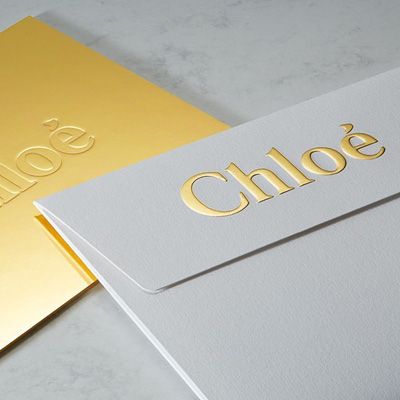
Beyond legal compliance, seals and stamps serve brand and ceremonial purposes: wax seals on event invitations and certificates create Old World elegance; custom stamps brand packaging (kraft paper, tissue, boxes) with handmade authenticity; and embossing presses mark leather goods, stationery, and books with permanence. These applications leverage seal authority for brand differentiation.
Design aesthetics—traditional coats of arms, modern minimalist logos, or custom illustrations—should align with brand identity. Wax color selection (traditional red, modern metallics, brand colors) extends visual identity into tactile experience.
Custody and Governance
Seal custody represents internal control responsibility: authorized users (board resolution specifying custodians); usage logs (recording each impression, document, and witness); secure storage (locked cabinets, safe deposit); and audit trails (periodical verification of seal integrity). For companies with multiple locations, seal duplication requires board authorization and registration to prevent misuse.
Lost or stolen seals require immediate notification to regulators, banks, and counterparties; replacement seals need distinguishable design (notch, date code) preventing confusion with compromised originals.
Integration with Digital Workflows
While physical seals remain necessary, digital integration improves efficiency: seal impression scanning for electronic document archives; blockchain verification linking physical seals to digital records; and QR codes on stamped documents enabling online authentication. Hybrid workflows maintain legal compliance while enabling digital convenience.
Electronic seal alternatives—digital signature certificates, DocuSign integrations—complement but rarely replace physical seals in Kenyan legal contexts where original documents remain required.
Conclusion: Seals as Brand Anchors
Custom stamps and seals provide Kenyan businesses with tools of legal compliance, document security, and brand distinction. In an increasingly digital world, the physical authority of the seal offers tangible differentiation and traditional credibility.
Luna Graphics provides comprehensive stamp and seal services—legal compliance consulting, custom design, security feature integration, and production. Our expertise ensures your seals meet regulatory requirements while supporting brand objectives. Contact our team for seal specification and custody guidance.
Written by Ian Love
Marketing Director
Professional contributor at Luna Graphics specializing in printing and branding solutions.