
Dimensional Branding for Corporate Distinction
Embossing and foiling transform flat corporate materials into dimensional brand experiences signaling sophistication, permanence, and attention to detail. In Kenya's competitive corporate environment—where business cards, stationery, and certificates often determine first impressions—these finishing techniques differentiate professional organizations from amateur competitors. The investment in tactile quality communicates organizational values before a word is read.
Corporate applications require balancing impact with restraint—luxury techniques applied excessively appear ostentatious; subtle, strategic deployment conveys confidence. Understanding technique capabilities and appropriate contexts ensures effective investment.
Embossing Techniques and Applications
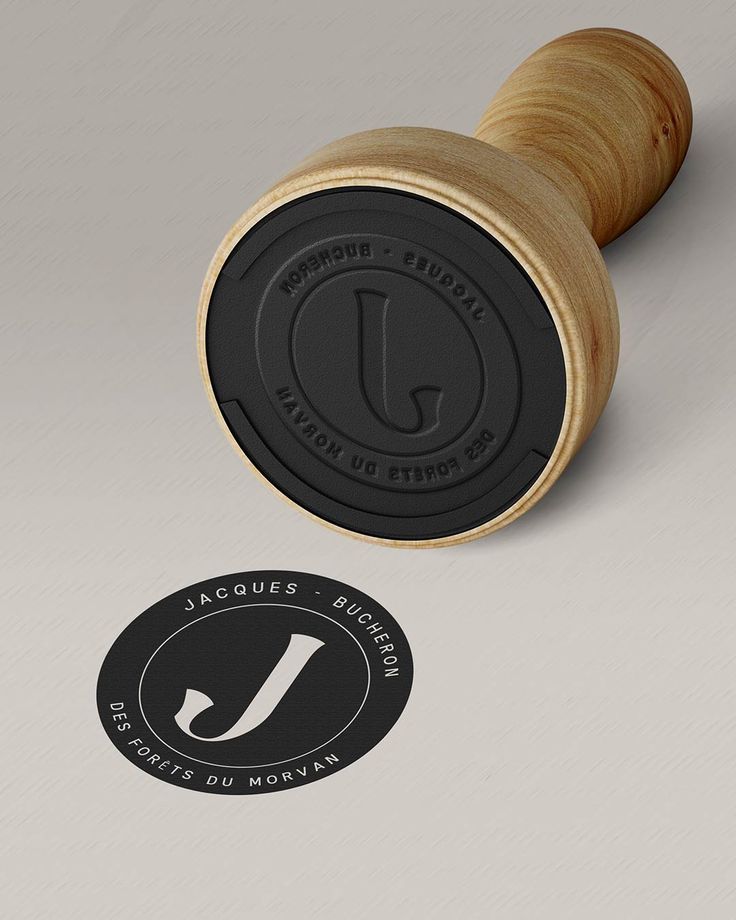
Embossing creates raised relief through pressure and heat using custom dies. Corporate applications include: blind embossing (no ink, texture only) for subtle sophistication on letterheads and envelopes; registered embossing (aligned with printed elements) for logos and crests; multi-level embossing (varying depths) for complex imagery; and debossing (recessed rather than raised) for leather portfolios and premium packaging.
Design optimization: vector artwork with clean lines embosses crisply; fine details may fill in or break; large areas require beveled edges preventing cracking; and paper selection (cotton, textured stocks) enhances effect. Common corporate applications: certificate seals, letterhead logos, business card names, and report covers.
| Corporate Application | Technique | Impact Level | Cost Consideration | Durability Note |
|---|---|---|---|---|
| Business Cards | Blind emboss logo | High differentiation | Die cost amortized over volume | Resists wear better than ink |
| Letterheads | Blind emboss watermark | Subtle security feature | Low per-unit after setup | Fax/scan compatible |
| Certificates | Embossed seal + foil | Official authenticity | High (prestige justified) | Permanent, tamper-evident |
| Appointment Cards | Debossed details | Tactile reminder | Medium | Pocket durability |
| Report Covers | Multi-level emboss | Premium positioning | High (annual reports) | Archive quality |
| Folders | Blind emboss pocket | Functional elegance | Medium | Frequent handling resistant |
| Invitations | Embossed border + foil | Event significance | High (special occasions) | Keepsake quality |
| Packaging | Debossed patterns | Unboxing experience | High (rigid boxes) | Structural integrity |
Foiling: Metallic and Pigment Applications
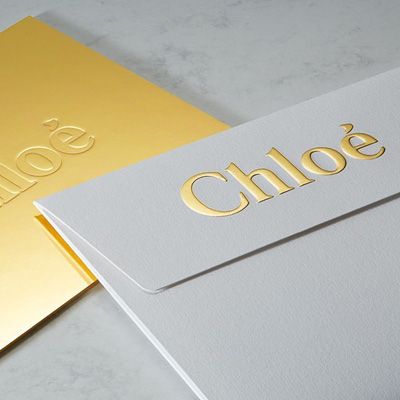
Hot foil stamping applies metallic or pigmented film using heat and pressure. Corporate color palettes typically utilize: gold foil (traditional prestige, achievement recognition); silver foil (modern sophistication, technology sectors); copper and rose gold (warmth, contemporary luxury); and custom color foils (brand color matching, subtle effects).
Application methods: flat stamping (smooth foil application); sculptured stamping (foil over embossed surface creating dimensional metallic); and combination stamping (multiple foil colors in single pass). Design considerations: fine lines foil crisply; large solid areas risk trapping air (textured patterns solve this); and small type requires bold weights for legibility.
Strategic Deployment Across Touchpoints
Corporate identity systems prioritize embossing/foiling applications: primary business cards (highest impact, frequent exchange); CEO and board materials (executive distinction); certificates and awards (achievement permanence); high-value proposals (competitive differentiation); and event invitations (occasion significance). Standard materials (internal memos, routine correspondence) typically omit premium finishing for cost efficiency.
Hierarchy systems—level 1 (emboss + foil for C-suite), level 2 (foil only for senior management), level 3 (standard print for general staff)—maintain distinction while managing costs.
Cost Management and Production Efficiency
Embossing and foiling require fixed die costs (KES 5,000-20,000 depending on size and complexity) making small quantities expensive per-unit. Cost optimization strategies: gang multiple jobs sharing die costs; standardize sizes using existing dies; prioritize high-impact, high-frequency items (business cards); and negotiate volume commitments with suppliers.
Die maintenance—proper storage enables reuse for reorders; design longevity avoids frequent redies; and digital foil alternatives (toner-based, no dies) suit very short runs or variable data though with quality trade-offs.
Design Integration and File Preparation
Effective embossing/foiling requires design intentionality: vector artwork (Illustrator, CorelDRAW) with clean paths; adequate space around embossed elements (1-2mm minimum); consideration of reverse side impression (show-through on duplex materials); and registration tolerances (0.5mm standard, tighter for complex combinations). Mockups and physical proofs verify design intent before production.
Combination with other techniques—embossing + foil + spot UV creates maximum impact but requires precise registration and sequential production. Simpler combinations reduce risk and cost while maintaining distinction.
Material Compatibility and Quality
Substrate selection dramatically affects results: cotton papers (Crane, Neenah) hold detail beautifully; coated stocks accept foil well but embossing may crack coating; uncoated stocks emboss softly with less definition; and synthetics (Yupo) enable unique effects. Weight minimums—250gsm for business cards, 300gsm+ for covers—prevent show-through and provide substance.
Environmental factors—Kenyan humidity affects paper stability requiring climate-controlled storage; temperature variations impact foil adhesion; and dust necessitates clean production environments. Quality suppliers maintain these conditions.
Conclusion: Tactile Investment in Professional Image
Embossing and foiling represent strategic investments in corporate image—relatively small absolute costs yielding significant differentiation in competitive markets. For Kenyan organizations seeking to signal quality and permanence, dimensional finishing provides tangible brand enhancement.
Luna Graphics offers comprehensive embossing and foiling services—from design consultation and die creation to production and quality assurance. Our corporate clients benefit from technique guidance, cost optimization, and consistent quality. Contact our finishing specialists to discuss dimensional branding for your organization.
Written by Ian Love
Marketing Director
Professional contributor at Luna Graphics specializing in printing and branding solutions.