
The Personal Touch in Wedding Design
Weddings represent deeply personal celebrations where details matter profoundly. Couples seek uniqueness reflecting their relationship and style, moving beyond standard offerings to personalized elements. Laser cutting enables this customization economically, creating cohesive design languages across invitations, signage, décor, and favors. The precision and material quality of laser-cut elements elevate wedding aesthetics from generic to bespoke.
The wedding market demands both beauty and timeliness. Seasonal concentration (June-August and December peaks in Kenya) requires reliable production meeting fixed event dates. Laser cutting's speed enables last-minute additions and corrections without compromising quality. This reliability allows planners and couples to refine details close to event dates.
Consistency across wedding elements creates polished, professional appearance. Repeating design motifs—monograms, patterns, quotes—across diverse items (signs, menus, favors, décor) ties event together visually. Laser cutting reproduces these elements precisely across materials and scales, achieving coherence difficult with mixed sourcing.
Wedding Signage and Welcome Elements
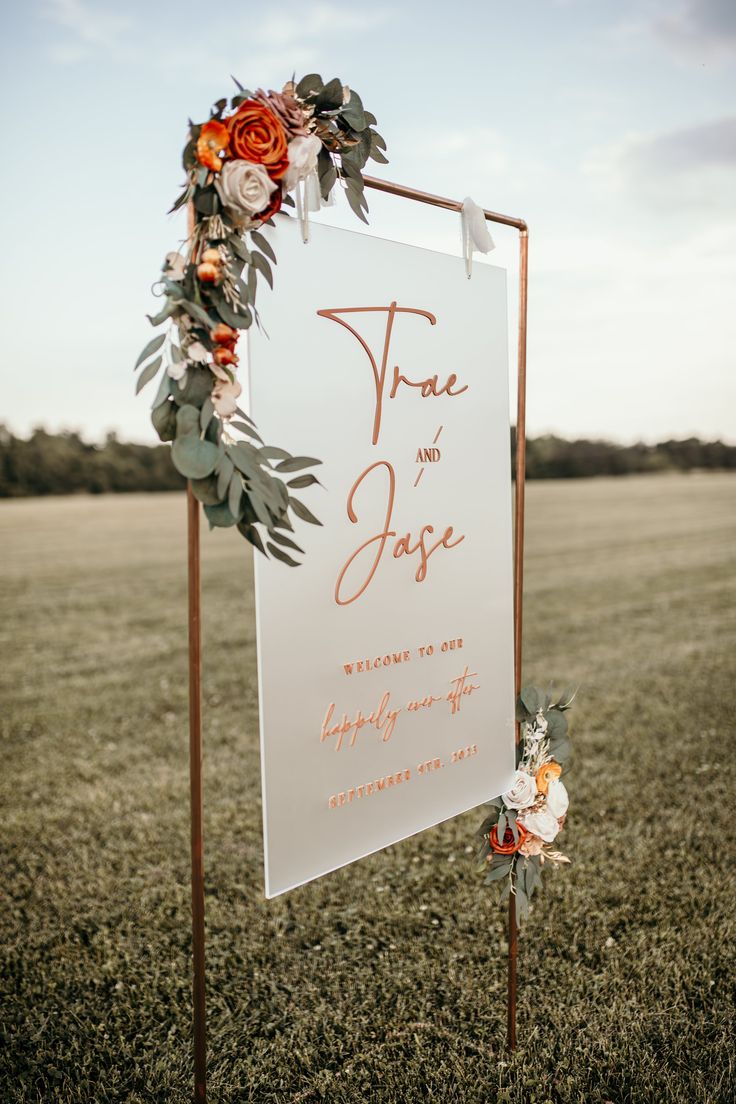
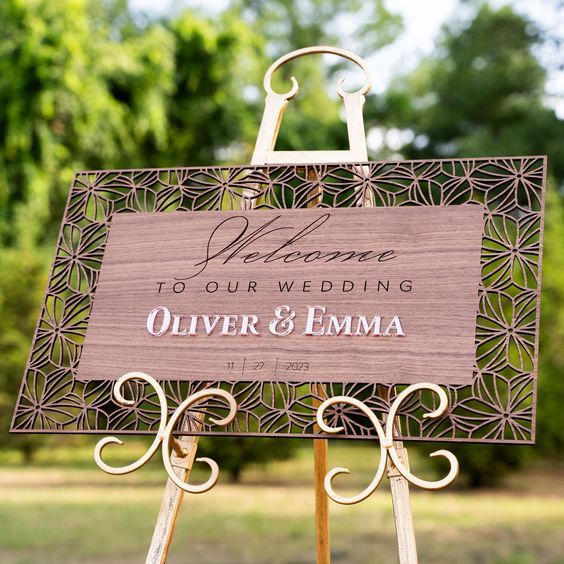
Welcome signs greet guests establishing event tone immediately. Large signs (600-1200mm) display couple names, wedding date, and welcoming messages. Materials range from acrylic elegance to rustic wood depending on theme. Stands or easels support display; lighting enhances evening visibility. These signs become photo backdrops and keepsakes post-event.
Ceremony signage directs guests and communicates program. Seating charts, order of service displays, and ritual explanations laser-cut from coordinated materials. These functional elements contribute to aesthetic environment while serving organizational needs. Design coordinates with ceremony venue architecture and floral design.
Reception signage organizes celebration spaces. Table numbers, seating charts, bar menus, and directional signs guide guests while reinforcing design themes. Consistent materials and motifs across these elements create cohesive environment. Scale varies from intimate table numbers to large seating charts.
Hashtag and social media signs encourage digital sharing. Laser-cut displays of wedding hashtags, photo booth instructions, or social prompts integrate technology into physical environment. These elements drive event documentation and sharing, extending celebration beyond physical attendees.
| Signage Type | Typical Size | Materials | Placement |
|---|---|---|---|
| Welcome Sign | 600×900 to 900×1200mm | Wood, Acrylic, Mirror | Entrance, ceremony entry |
| Seating Chart | 600×900 to 900×1200mm | Wood, Acrylic, Board | Reception entrance |
| Table Numbers | 150×200 to 200×250mm | Acrylic, Wood, Metal | Table centerpieces |
| Ceremony Signs | 400×600 to 600×900mm | Wood, Acrylic | Ceremony space |
| Bar/Menu Signs | 200×300 to 400×600mm | Acrylic, Wood, Cardstock | Bar, buffet areas |
| Favor Tags | 50×100 to 100×150mm | Cardstock, Wood, Acrylic | Favor packaging |
Invitations and Stationery
Laser-cut invitations create immediate impact setting event expectations. Intricate lace patterns, monograms, or scenic elements cut from cardstock or thin wood create tactile, visual interest. These invitations signal event significance and attention to detail. Cost higher than printed invitations justified by perceived value and keepsake quality.
Invitation suites include coordinated pieces: main invitation, RSVP cards, information cards, envelopes, and liners. Laser cutting may feature on all pieces or highlight specific elements like envelope liners or belly bands. Consistent design language across suite creates polished impression. Paper weight and quality affect laser cutting success—testing recommended.
Save-the-dates and pre-wedding communications build anticipation. Laser-cut calendars, location silhouettes, or engagement photos create memorable announcements. These early communications establish design themes continuing through wedding materials. Timing allows production without rush premiums.
Day-of stationery programs events and decorates tables. Menus, place cards, programs, and table numbers coordinate in design and material. Laser cutting adds dimension and detail to these functional pieces. Quantity production requires efficient workflows meeting event timelines.
Décor and Ambient Elements
Table centerpieces and numbers anchor reception décor. Laser-cut elements—geometric shapes, floral patterns, monograms—create dimensional interest at table level. Materials (wood, acrylic, metal) coordinate with table settings; heights ensure visibility without obstructing conversation; stability prevents tipping. These elements photograph beautifully, contributing to event documentation.
Backdrop and arch decorations frame ceremony and photo moments. Large laser-cut panels, hanging elements, or structural decorations create focal points. Scale and installation engineering ensure safety and stability. These statement pieces become event signatures remembered in photographs.
Aisle and venue decorations line procession and define spaces. Laser-cut lanterns, hanging ornaments, or pathway markers guide movement and create atmosphere. These elements must withstand venue constraints (hanging points, weather for outdoor events) while achieving design vision.
Favors and gifts for guests extend appreciation tangibly. Laser-cut boxes, tags, or items personalized with guest names create memorable takeaways. Edible favors in laser-cut packaging combine practicality with presentation. These details demonstrate couple's care for guest experience.
Personalization and Customization
Monograms and names personalize generic designs. Couple initials, full names, or combined logos laser-cut across materials create unique identity. Font selection reflects couple style—script for romance, sans-serif for modern, serif for classic. Scale and placement balance visibility with design integration.
Dates and locations commemorate specific events. Wedding dates in various formats (numeric, written, Roman numerals); venue silhouettes or coordinates; meaningful quotes or phrases. These specifics transform template designs into personal commemorations. Proofing critical for accuracy of personal information.
Thematic elements reflect couple interests or wedding themes. Travel motifs for destination weddings; floral patterns for garden themes; geometric designs for modern aesthetics. These customizations require design development but create truly unique elements. Designer collaboration achieves coherent thematic execution.
Color matching ensures coordination with wedding palette. Material selection (acrylic colors, wood stains, metal finishes) matches or complements event colors. Sampling and proofing verify color accuracy before production. Consistent color across diverse materials challenging but achievable with careful selection.
Luna Graphics specializes in wedding and event laser cutting for Kenya's celebration market. Our experience with seasonal demand, design sensitivity, and production reliability makes us preferred partner for wedding planners and couples. From save-the-dates through day-of details, we create cohesive, beautiful elements making celebrations memorable. Contact us to discuss your wedding fabrication needs.
Written by Ian Love
Marketing Director
Professional contributor at Luna Graphics specializing in printing and branding solutions.