The Evolution of Laser Cutting in Kenya
Laser cutting technology in Kenya has evolved from specialized industrial capability to accessible fabrication service serving diverse markets. Early adoption concentrated in signage and industrial applications; recent expansion encompasses events, architecture, product design, and consumer goods. This evolution reflects both technology maturation and growing market sophistication recognizing precision fabrication value.
Technology access has democratized through equipment cost reduction and service provider proliferation. Desktop laser systems enable small business entry; mid-range systems serve job shops; industrial systems handle production volumes. Nairobi concentration remains strong, but secondary cities (Mombasa, Kisumu, Nakuru) develop capabilities. This geographic expansion serves regional markets reducing logistics costs.
Application diversity indicates market maturation. Beyond traditional signage, Kenyan laser cutting now serves: architectural interiors and models; wedding and event industries; product prototyping and manufacturing; corporate branding; education and makerspaces. Each application segment develops specialized expertise and market knowledge.
Technology Trends
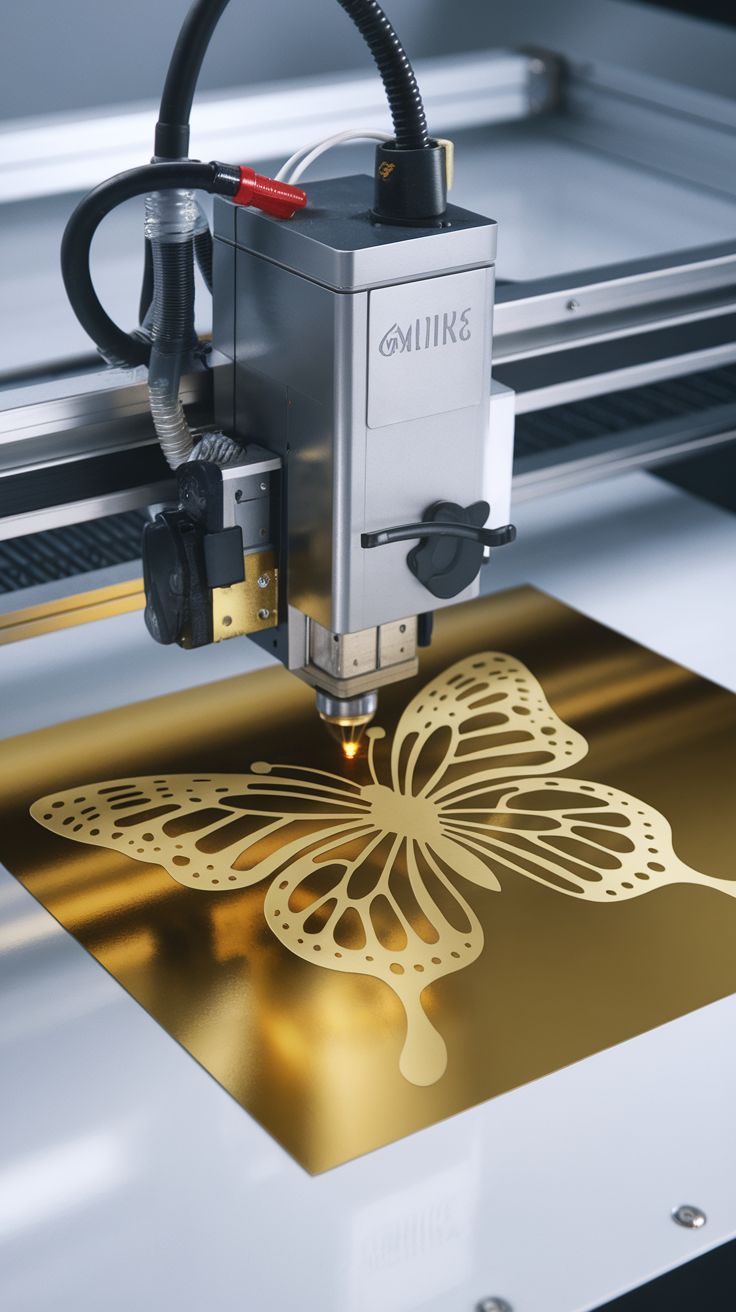
Fiber laser adoption expands metal cutting capabilities. Historically limited in Kenya, fiber laser systems now serve metal fabrication needs previously unmet or outsourced. This capability supports: architectural metalwork; industrial components; premium signage; and product manufacturing. Fiber laser growth indicates market sophistication and industrial application development.
Automation integration improves productivity and consistency. Auto-feed systems for production volumes; camera registration for printed material alignment; rotary attachments for cylindrical cutting; automated nesting software optimizing material yield. These features distinguish professional operations from basic service providers.
Higher power systems extend capability ranges. CO2 lasers at 200W+ cutting thicker materials; fiber lasers at 2kW+ processing structural metal thicknesses; larger bed sizes accommodating architectural scales. These capabilities enable applications previously impossible or uneconomical.
Software integration streamlines workflow. Direct design-to-cut workflows; cloud-based file transfer; automated quoting systems; production management software. These digital tools improve customer experience and operational efficiency. Younger, tech-savvy entrepreneurs drive adoption.
| Trend | Description | Market Impact | Examples |
|---|---|---|---|
| Fiber laser growth | Metal cutting capability expansion | Industrial application enablement | Architectural metal, components |
| Automation | Auto-feed, camera, software | Productivity and quality improvement | High-volume production, alignment |
| Higher power | Thicker material processing | Application range expansion | Thick acrylic, structural steel |
| Software integration | Digital workflow optimization | Customer experience improvement | Online quoting, file management |
| Service specialization | Industry-specific expertise | Quality and value differentiation | Wedding, architectural, industrial |
| Sustainability focus | Eco-friendly materials, efficiency | Market differentiation | Recycled materials, waste reduction |
Market Segment Developments
Wedding and event industry represents fastest-growing segment. Kenyan wedding market substantial and style-conscious; laser cutting enables personalization and premium positioning previously unavailable. Seasonal demand patterns (June-August, December peaks) create capacity challenges and opportunities. Specialized providers develop wedding-specific expertise and product lines.
Architectural and interior applications grow with construction sector. Decorative screens, signage, and custom elements specify laser cutting for precision and design freedom. High-end residential and commercial projects drive demand; architects and designers increasingly specify laser-cut elements. This segment values quality and design capability over lowest cost.
Product manufacturing and prototyping serves entrepreneurial ecosystem. Kenyan startup culture adopts rapid prototyping for product development; local manufacturing reduces import dependency; customization enables niche market targeting. Laser cutting supports hardware startups and product innovation.
Education and makerspace access builds future market. Universities and technical colleges acquire laser systems for training; makerspaces provide access to entrepreneurs and hobbyists; secondary education introduces digital fabrication. This capacity building creates future customer base and skilled workforce.
Competitive Dynamics
Market differentiation increasingly based on capability rather than just price. Quality of results; material expertise; design support; reliability; and specialization distinguish providers. Commodity competition remains at low end; value-added services command premium positioning. This maturation benefits sophisticated customers.
Vertical integration trends as providers add services. Design services; material supply; finishing and assembly; installation. One-stop convenience justifies margin expansion; quality control across process; customer relationship deepening. However, specialization also viable for specific market segments.
Technology investment separates market leaders from followers. Modern equipment with advanced features; maintenance and calibration discipline; continuous capability expansion. Capital requirements favor established players but entrepreneurial entry continues with focused strategies.
Geographic expansion beyond Nairobi creates regional markets. Reduced logistics costs; local relationship development; understanding of regional preferences. However, Nairobi concentration persists due to market size and supplier ecosystem.
Emerging Opportunities
Sustainability positioning addresses growing environmental awareness. Material efficiency; recycled and recyclable materials; waste reduction; energy efficiency. These practices appeal to environmentally conscious clients and support corporate responsibility requirements. Market differentiation through green positioning.
Digital integration with other technologies expands possibilities. 3D printing combined with laser cutting; CNC machining integration; electronics integration; IoT connectivity. Hybrid manufacturing approaches solve complex problems; laser cutting provides precision component of multi-process solutions.
Export opportunities emerge as Kenyan quality recognized. Regional East African markets; African continental opportunities; diaspora connections. Quality and design capability must meet international standards; logistics and payment systems must support export. Premium positioning justified by quality differentiation.
Industry 4.0 and smart manufacturing concepts apply. Data-driven optimization; predictive maintenance; quality monitoring; supply chain integration. These advanced manufacturing practices improve competitiveness and capability. Early adoption creates competitive advantage.
Challenges and Constraints
Skills development lags technology adoption. Equipment operation training available; design for manufacturing education limited; advanced parameter optimization expertise scarce; business management for fabrication services underdeveloped. Training and education investments needed for industry development.
Material supply chain limitations affect capability. Specialized materials require import; quality consistency variable; lead times uncertain; costs high. Local material development and supplier development could address constraints. Material innovation opportunities exist.
Quality standards and certification inconsistent. Variable quality across providers; limited industry standards; customer difficulty assessing capability; occasional quality failures damaging market perception. Quality system development and industry association could address.
Power and infrastructure constraints affect operations. Electricity reliability; backup power costs; workshop space requirements; logistics challenges. These operational constraints add cost and complexity; resilient operations invest in mitigation.
Luna Graphics leads Kenyan laser cutting market through technology investment, quality focus, and application expertise. We monitor trends continuously, adapting capabilities and services to evolving market needs. Our position at market forefront enables us to serve clients with emerging requirements and advanced applications. Contact us to discuss how current capabilities and future developments can serve your precision fabrication needs.
Written by Ian Love
Marketing Director
Professional contributor at Luna Graphics specializing in printing and branding solutions.