
Laser Cutting in Modern Signage
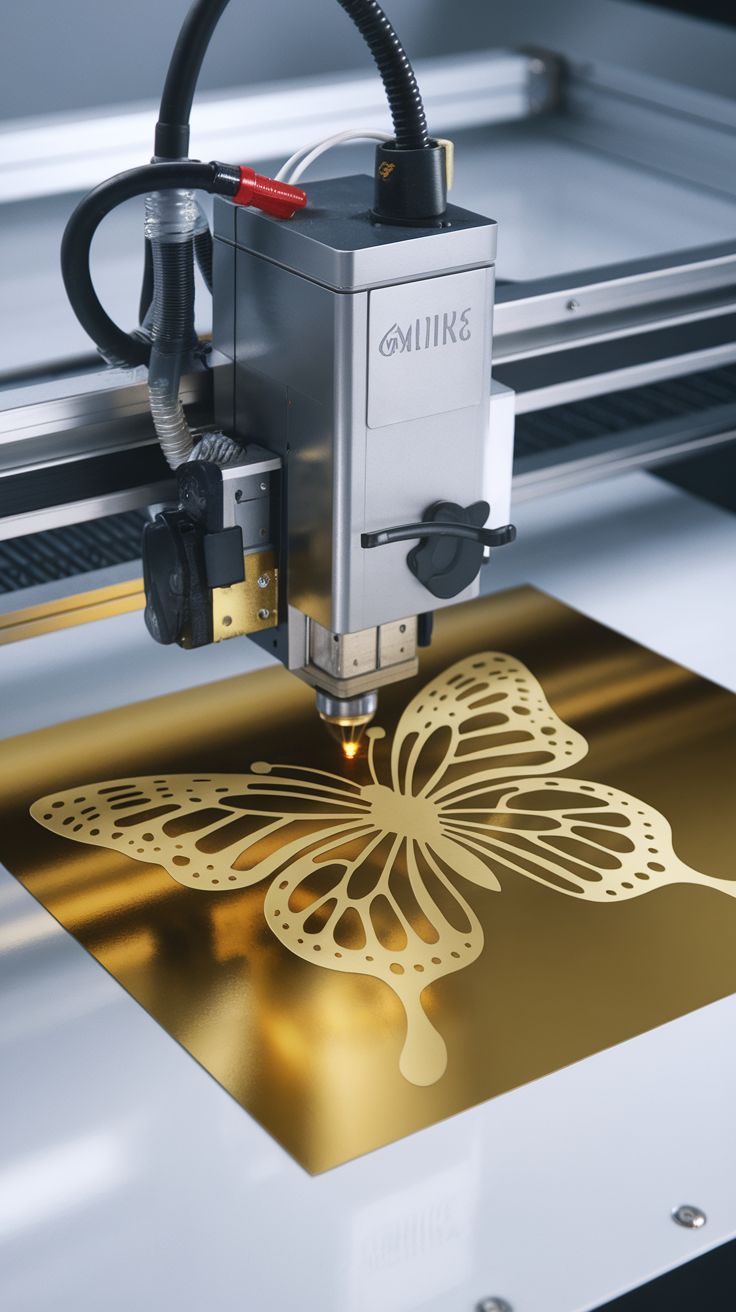
Laser cutting has revolutionized signage fabrication, enabling precision manufacturing of dimensional letters, logos, and decorative elements previously requiring extensive handcraft or expensive tooling. The technology produces crisp edges, intricate details, and consistent quality across production runs, supporting brand standards for corporate identity programs. From small interior signs to large exterior installations, laser cutting provides capabilities essential for contemporary signage production.
The signage industry utilizes laser cutting across diverse materials: acrylic for illuminated channel letters and face panels, metal for durable exterior signage, wood for warm interior applications, and composite materials for specific performance requirements. Each material presents unique laser cutting characteristics and finishing requirements, with selection driven by application environment, aesthetic requirements, and budget considerations.
Integration with other fabrication processes creates complete signage systems. Laser cutting produces component parts assembled with welding, bonding, or mechanical fastening. Illumination systems integrate with laser-cut housings and faces. Surface graphics apply via vinyl, printing, or engraving on laser-cut substrates. Understanding these integrations enables specification of complete signage solutions leveraging laser cutting precision.
Channel Letters and Illuminated Signage
Channel letters—three-dimensional illuminated letters—represent premium signage application ideally suited to laser cutting. The construction consists of letter faces (fronts) cut from acrylic or metal, returns (sides) formed to create depth, and backs completing the enclosure. Laser cutting produces faces with precise letterforms and mounting holes for LEDs, while also cutting backs and trim caps. The precision ensures proper fit during assembly and professional appearance.
Acrylic face cutting requires attention to edge quality and light transmission. Clear acrylic faces for illuminated letters need polished edges for appearance and light diffusion. Translucent colored acrylics cut for faces require consistent edge quality for proper illumination. Reverse-channel (halo-lit) letters use metal faces with acrylic backs; laser cutting processes both materials with precision for light-tight assembly.
Metal channel letter components utilize fiber laser cutting for aluminum, stainless steel, or mild steel. Returns may be brake-formed or welded depending on design. Laser cutting achieves precise notches for return attachment and mounting hardware locations. Metal letters offer durability for exterior applications and premium appearance for high-end branding.
LED integration requires design consideration for illumination systems. Laser cutting creates mounting holes for LED modules, wire routing channels, and diffusion patterns for even lighting. Face thickness and material translucency affect light diffusion; design testing validates illumination effects before production. Thermal management considerations influence material selection and construction details.
Flat Cut Letters and Logos
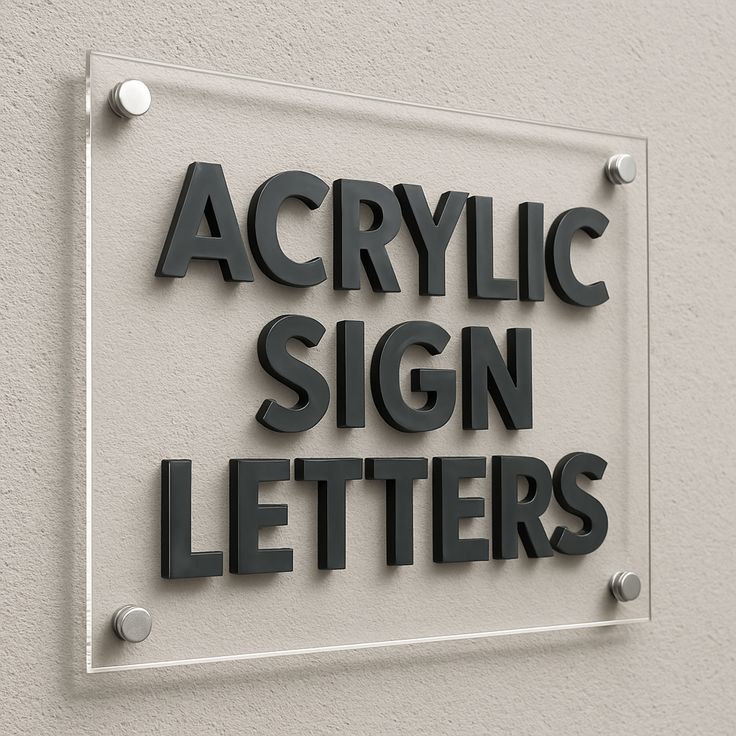
Flat cut letters provide economical dimensional signage without channel construction complexity. Laser-cut acrylic, metal, or wood letters mount directly to walls or substrates using studs, pads, or adhesive. Thickness creates dimensional appearance without fabrication complexity. Standard thicknesses range 3-25mm depending on material and desired effect.
Acrylic flat cut letters offer versatility in colors, finishes, and effects. Clear, colored, frosted, and metallic-finish acrylics create diverse appearances. Edge polishing from laser cutting provides finished appearance without additional processing. Standoff mounting creates shadow effects adding depth. Flat cut acrylic suits interior applications and exterior signs up to moderate sizes.
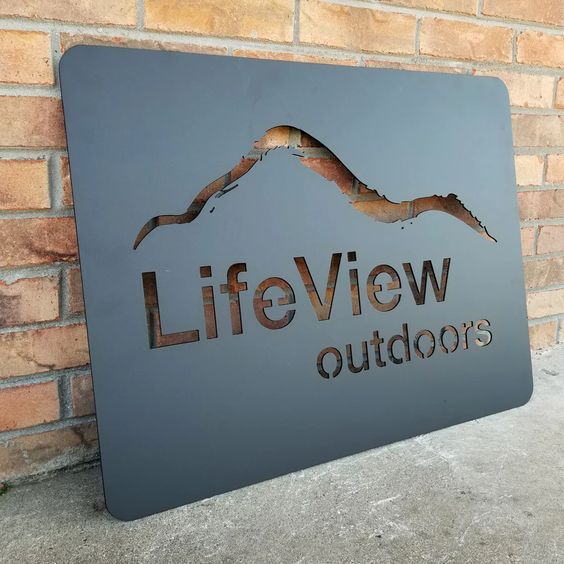
Metal flat cut letters provide durability and premium appearance. Stainless steel letters offer corrosion resistance and modern aesthetic; aluminum provides lightweight economy; brass and bronze create classic luxury appearance. Finishes include brushed, polished, painted, or patinated. Metal letters withstand exterior exposure and physical contact better than acrylic alternatives.
Layered constructions combine materials for dimensional effects. Acrylic faces laminated to metal backs create illuminated appearance without channel depth. Multiple acrylic layers in different colors create depth and shadow. These combinations leverage laser cutting precision for accurate registration between layers.
| Signage Type | Materials | Construction | Best Applications |
|---|---|---|---|
| Channel Letters | Acrylic, Aluminum, Steel | 3D formed returns, illuminated | Exterior building signage, retail |
| Flat Cut Letters | Acrylic, Metal, Wood | Solid cut letters, mounted | Interior signs, economical exterior |
| Backlit/Halo | Metal faces, Acrylic backs | Reverse channel, wall wash lighting | Premium branding, architectural |
| Monument Signs | Metal, Acrylic, Stone | Layered construction, structural | Ground signs, developments |
| Wayfinding | Metal, Acrylic, Wood | Pictograms, tactile elements | Directories, room identification |
| Decorative Panels | Metal, Wood, Acrylic | Pattern cut screens | Architectural features, branding |
Material Selection for Signage
Acrylic selection balances appearance, durability, and cost. Cast acrylic offers superior optical clarity and weather resistance for premium applications. Extruded acrylic provides economical alternative for painted or non-critical applications. Impact-modified acrylics improve durability for high-traffic areas. Color stability in exterior exposure requires UV-stabilized grades specified for outdoor signage.
Metal selection considers environment, appearance, and budget. Aluminum offers excellent corrosion resistance, light weight, and moderate cost—ideal for most exterior signage. Stainless steel provides premium appearance and maximum durability for high-visibility or corrosive environments. Mild steel with proper coating suits budget-conscious interior applications. Copper, brass, and bronze create distinctive appearances for luxury branding.
Composite materials solve specific performance requirements. Aluminum composite panels (ACM) provide rigid, flat substrates for large signs with excellent weather resistance. Phenolic composites offer extreme durability for high-traffic wayfinding. Material innovation continues expanding signage possibilities; laser cutting processes these materials with precision enabling design freedom.
Fabrication Techniques and Assembly
Mounting and installation methods vary by sign type and location. Stud mounting uses threaded rods epoxied into letters screwed to wall. Pad mounting uses spacer blocks creating standoff. Track mounting systems allow adjustment and removal. Raceway mounting consolidates wiring for illuminated letters. Laser cutting creates precise mounting holes and hardware locations for these systems.
Assembly of channel letters requires precision for light-tight construction. Returns attach to faces using specialized channel letter bending equipment or welding. Backs weld or fasten to returns completing enclosure. Sealants prevent water intrusion. LED modules mount to backs illuminating faces. Quality assembly ensures durability and consistent illumination.
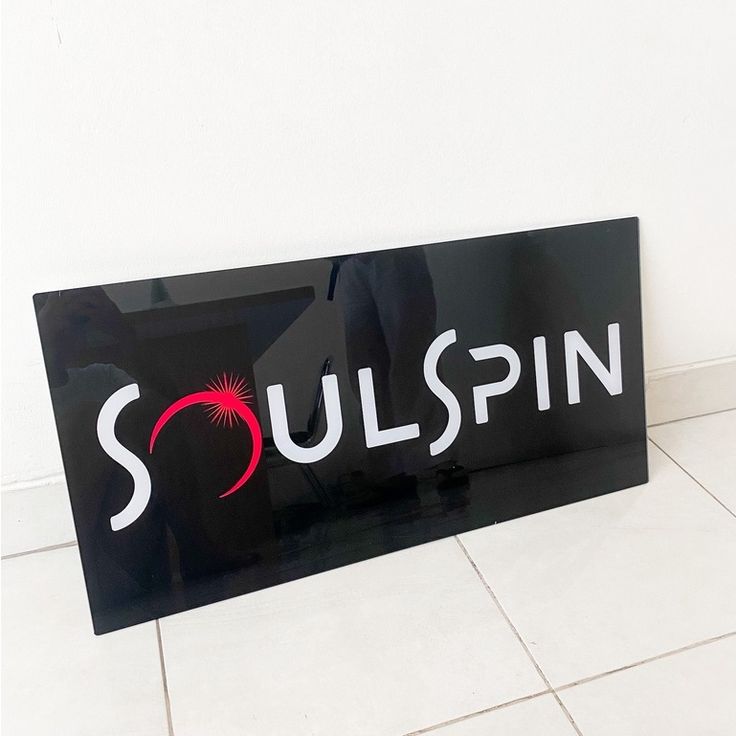
Finishing protects and enhances signage appearance. Metal letters receive clear coats, paint, or patination. Acrylic edges may be polished or left as-cut depending on visibility. Surface graphics apply via vinyl, digital printing, or engraving. These finishing processes follow laser cutting, completing fabrication.
Design Considerations for Signage
Letterform design affects legibility and fabrication. Stroke widths must accommodate material thickness and cutting capabilities—overly thin strokes break or appear weak. Counterforms (enclosed spaces in letters like 'a' or 'e') must maintain structural integrity. Font selection balances brand identity against fabrication practicality; some stylized fonts present manufacturing challenges.
Scale and viewing distance determine appropriate dimensions. Exterior building signage requires large letters visible from distance; interior wayfinding uses smaller scale. Local regulations may specify minimum sizes or maximum heights. Design validation includes viewing mockups at actual scale and distance.
Illumination design integrates with fabrication. LED spacing, brightness, and color temperature affect appearance. Light diffusion requirements influence face material and thickness. Power and wiring requirements affect construction and mounting. These factors require coordination between design, fabrication, and electrical installation.
Luna Graphics provides comprehensive signage fabrication services leveraging laser cutting precision for premium results. Our capabilities span material selection, design optimization, precision cutting, and assembly finishing for complete signage solutions. From corporate identity programs through architectural signage, we deliver quality that enhances brand presentation. Contact our signage specialists to discuss your project requirements.
Written by Ian Love
Marketing Director
Professional contributor at Luna Graphics specializing in printing and branding solutions.