
Signage in the Modern Business Environment
Signage serves as the primary interface between businesses and their audiences—wayfinding customers, communicating brand identity, and influencing purchasing decisions. UV printing technology has transformed signage production from a craft-based, limited-capability process to a versatile digital manufacturing method enabling customization, rapid turnaround, and material diversity previously impossible. For Kenyan businesses competing in increasingly sophisticated markets, understanding UV signage capabilities provides competitive advantage.
This comprehensive guide addresses signage types, material specifications, design principles, regulatory considerations, and production workflows specific to UV printing technology. Whether specifying wayfinding systems for corporate campuses or promotional signage for retail environments, understanding these elements ensures effective investment in visual communication infrastructure.
Signage Categories and UV Applications
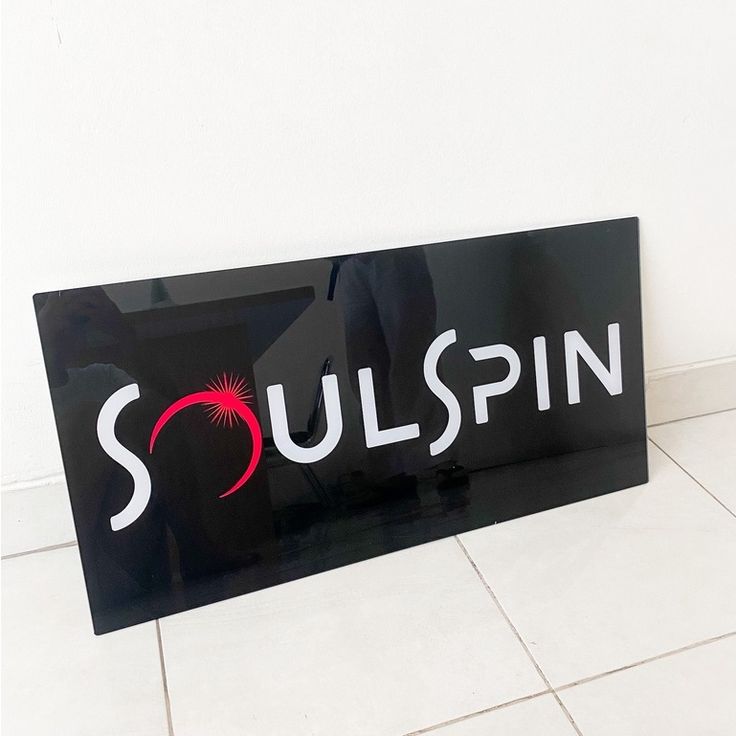
Identification Signage: Primary business identification—building signs, monument signs, and fascia lettering. UV printing enables full-color logos, photographic imagery, and dimensional effects on rigid substrates creating distinctive presence. Material selection (aluminum composite, acrylic, metal) determines longevity and prestige level.
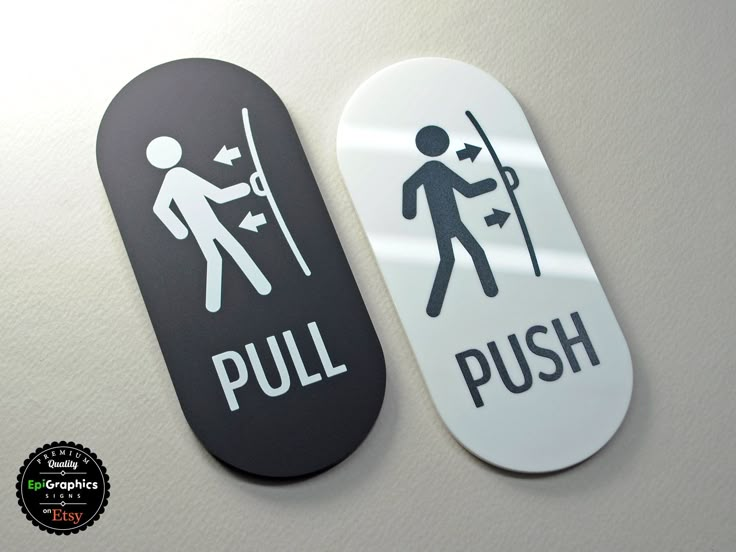
Wayfinding and Directional: Complex navigation systems for campuses, hospitals, malls, and large facilities. UV printing produces consistent, durable graphics across diverse material types and formats. ADA-compliant tactile elements can integrate with printed graphics for accessibility.
Promotional and Temporary: Campaign-specific signage, sales announcements, and event graphics. UV printing's durability extends temporary signage lifespan; instant curing enables rapid deployment for time-sensitive promotions.
Regulatory and Safety: OSHA-compliant safety signs, fire exits, hazard warnings. UV printing's chemical resistance and durability suit industrial environments; photographic imagery enhances warning effectiveness compared to symbolic graphics alone.
Point-of-Sale: Shelf talkers, aisle markers, product information, and promotional displays. UV printing on rigid substrates creates durable, professional retail environment elements withstand handling and cleaning.
Architectural and Environmental: Integrated building graphics, decorative elements, and branded environments. UV printing on glass, metal, and architectural panels transforms structural elements into communication media.
Material Selection by Signage Type
| Signage Application | Primary Materials | Thickness/Specification | Expected Lifespan |
|---|---|---|---|
| Building Identification | Aluminum composite, acrylic, metal | 3-6mm ACM, 10-20mm acrylic | 7-10 years |
| Monument Signs | Aluminum composite, foam, metal | 10-19mm substrate | 5-7 years |
| Wayfinding Interior | Acrylic, PVC foam, metal | 3-5mm typical | 5-10 years |
| Wayfinding Exterior | Aluminum composite, metal | 3-6mm ACM | 7-10 years |
| Promotional/Temporary | PVC foam, corrugated plastic | 3-5mm | 1-3 years |
| Point-of-Sale | PVC foam, acrylic, card | 1-5mm | 1-5 years |
| Safety/Industrial | Aluminum, polycarbonate, PVC | 1-3mm | 5-10 years |
| Window Graphics | Clear film, frosted film | 2-4 mil | 3-5 years |
Design Principles for Effective Signage
Legibility Hierarchy: Primary message (business name, destination) must read instantly from intended viewing distance. Secondary information (descriptor, details) supports without competing. UV printing's precision enables fine detail, but signage design should prioritize immediate comprehension over decorative complexity.
Contrast and Visibility: Minimum 70% luminance contrast between text and background for accessibility. UV printing's color saturation supports bold contrasts; substrate color affects perceived contrast significantly. Dark substrates with light text often more visible than reverse.
Scale and Viewing Distance: Letter height calculation: 25-30mm per 5 meters viewing distance for optimal legibility. UV printing enables large-format production; design should utilize available scale appropriately for installation context.
Brand Consistency: Signage systems must maintain color accuracy across materials, production batches, and installation timelines. UV printing's digital workflow supports consistency; color management protocols essential for multi-site rollouts.
Environmental Integration: Effective signage considers architectural context, lighting conditions, and surrounding visual competition. UV printing's material versatility enables integration with any environment; design should leverage rather than fight context.
Technical Specifications and Standards
Illumination Considerations: Signage lighting dramatically affects appearance. Face-lit, backlit, edge-lit, and ambient-lit applications each require specific design approaches. UV printing accommodates all lighting types; second-surface printing on translucent materials creates diffused backlighting effects.
ADA Compliance (Where Applicable): Tactile characters, Braille integration, and mounting height requirements for accessibility. UV printing can incorporate tactile elements or complement fabricated tactile components. Kenyan accessibility standards evolving; international best practices advisable.
Wind Load and Structural Engineering: Exterior signage must withstand environmental forces. Engineering calculations determine substrate thickness, mounting hardware, and foundation requirements. UV-printed substrates must be specified with structural adequacy, not merely graphic suitability.
Fire Ratings: Interior signage in public buildings may require fire-rated materials. Aluminum composite with mineral cores, specific PVC formulations, and metal substrates meet various fire code requirements. Specification must address regulatory compliance.
Production Workflow
Design and Prepress: Vector-based design for logos and text; raster imagery at appropriate resolution (150-300 dpi at final size). Color management with ICC profiling ensures predictability. RIP software optimizes print parameters for specific substrates.
Material Preparation: Surface cleaning, treatment (corona, primer), and staging. Material inspection for defects before printing. Large projects require batch consistency verification.
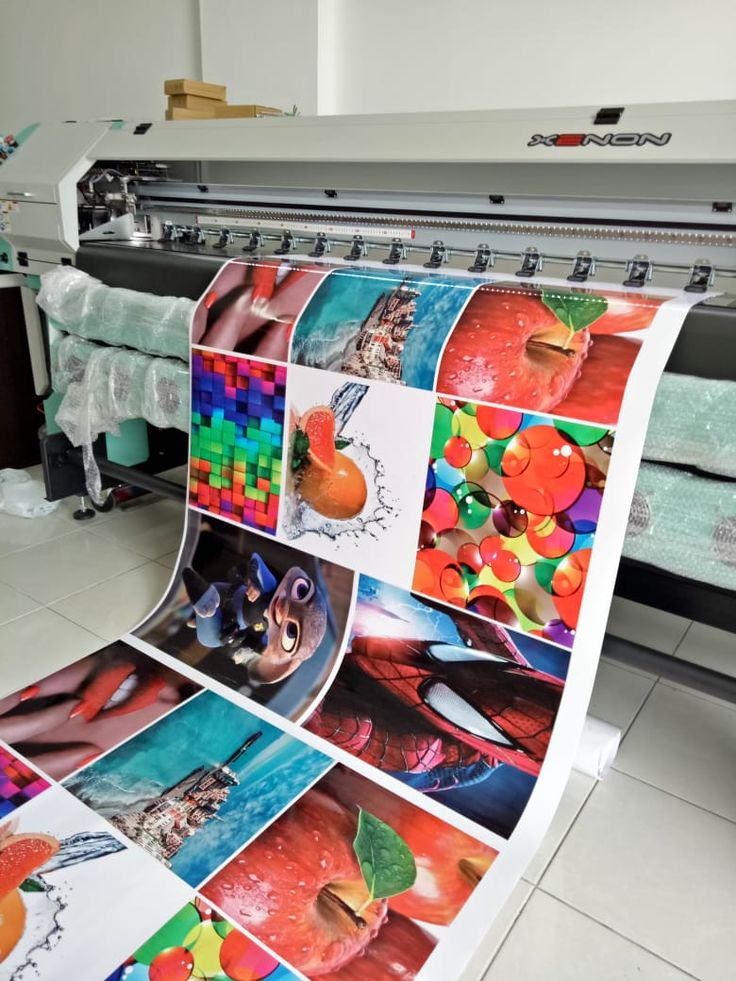
Printing Execution: UV flatbed or roll-to-roll printing with parameter optimization for substrate. White ink application where specified; varnish effects for protection or aesthetics. In-process quality monitoring.
Finishing and Fabrication: Cutting (CNC, laser, hand), edge treatment, drilling, and hardware installation. Dimensional lettering, formed elements, and assembly of multi-component systems.
Quality Control: Color verification against standards; adhesion testing; dimensional inspection; packaging protection. Documentation for warranty and installation reference.
Installation Coordination: Site survey, mounting hardware specification, electrical integration for illuminated signs, and professional installation. Permitting and regulatory compliance for exterior installations.
Cost Structures and Budget Planning
Signage costs include design, materials, printing, finishing, hardware, and installation. UV printing typically represents 15-30% of total project cost for comprehensive signage systems; materials and installation dominate budgets.
Economies of scale apply: per-unit costs decrease significantly with quantity for identical items. However, UV printing's flexibility enables cost-effective versioning—location-specific information, multi-language variants, or sequential numbering without traditional setup penalties.
Lifecycle costing favors UV printing's durability. Higher initial investment in quality materials and UV printing yields lower total cost of ownership through extended service life and reduced maintenance compared to economy alternatives.
Trends and Innovations
Digital Integration: QR codes, NFC tags, and augmented reality markers printed directly onto signage connecting physical and digital experiences. UV printing's precision enables small, scannable codes integrated into graphic design.
Sustainable Materials: Recycled content substrates, biodegradable alternatives, and PVC-free options emerging. UV printing adapts to these materials as markets demand environmental responsibility.
Dynamic and Changeable Elements: Magnetic overlays, dry-erase surfaces, and interchangeable components printed with UV durability but enabling content updates. Hybrid static/dynamic signage systems.
Illumination Integration: LED technology advancement enables thinner, more efficient illuminated signage. UV printing on translucent materials optimized for LED color temperatures and distribution.
Luna Graphics provides comprehensive signage services from design consultation through installation. Our portfolio spans corporate identity programs, retail networks, and institutional wayfinding across Kenya. Contact our signage specialists for project assessment, site surveys, and detailed proposals addressing your specific visual communication requirements.
Written by Ian Love
Marketing Director
Professional contributor at Luna Graphics specializing in printing and branding solutions.