
The Fundamental Divide in Commercial Printing
Corporate printing procurement in Kenya presents a fundamental technological choice that impacts project economics, quality outcomes, and strategic flexibility. Offset lithography, the traditional backbone of commercial printing, competes with increasingly sophisticated digital printing technologies for market share across Nairobi's business landscape. Understanding when each technology delivers superior value enables procurement optimization and marketing effectiveness.
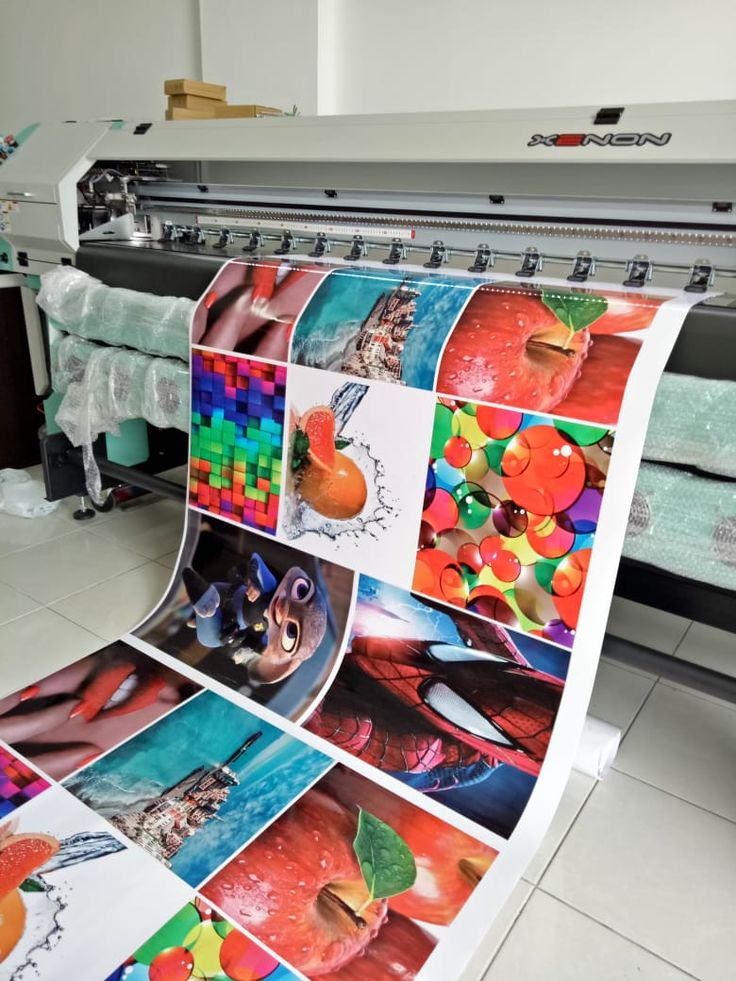
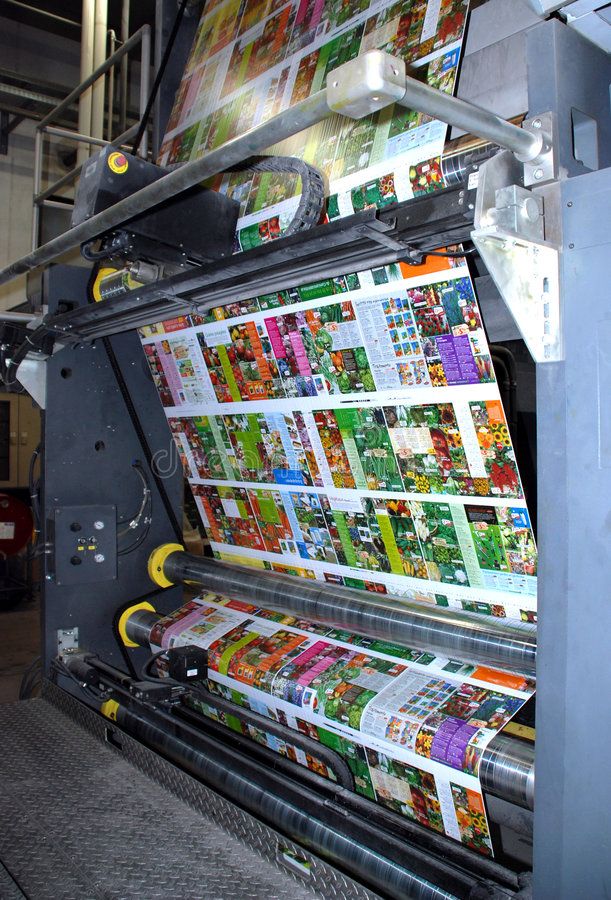
The distinction between these methods extends beyond simple cost comparisons into realms of color capability, substrate versatility, and production logistics. Offset printing transfers ink from metal plates to rubber blankets and then to paper, enabling exceptional color consistency and cost efficiency at scale. Digital printing bypasses physical setup entirely, depositing toner or liquid ink directly onto substrates from electronic files, eliminating plate-making and enabling variable data capabilities.
Offset Printing: The Economics of Scale
Offset lithography maintains dominance in high-volume corporate printing throughout Kenya for compelling economic reasons. Once printing plates are prepared and presses calibrated, the marginal cost of each additional impression becomes remarkably low—often mere shillings per sheet for substantial runs. This cost structure makes offset printing unbeatable for long-run projects such as annual reports, corporate magazines, product catalogs, and standardized marketing collateral distributed nationwide.
The quality advantages of offset printing extend beyond economics. The process achieves color gamuts and tonal subtleties that digital technologies struggle to replicate, particularly for corporate identity colors requiring precise Pantone matching. Metallic inks, spot color applications, and specialized coatings integrate seamlessly into offset workflows, enabling premium effects that communicate corporate sophistication.
Substrate versatility represents another offset advantage. Heavy cardstock for premium business cards, textured papers for luxury invitations, and specialized synthetics for durable field guides all run efficiently on offset equipment. Kenyan corporations requiring materials that convey quality through tactile experience—legal firms, financial institutions, luxury brands—often prefer offset for the physical impression it enables.
Digital Printing: Agility and Personalization
Digital printing technologies have evolved dramatically, narrowing quality gaps while opening capabilities impossible for offset methods. Modern production digital presses in Nairobi's leading facilities deliver offset-comparable color accuracy for the majority of corporate applications, with resolution and detail reproduction that satisfy demanding brand standards.
The elimination of setup processes transforms project economics for short-run printing. Digital printing requires no plate preparation, no press makeready, and minimal waste during startup. A single copy costs nearly the same per unit as fifty copies, making digital optimal for presentations, proposals, training materials, and collateral for niche market segments. Kenyan corporations increasingly leverage this capability for just-in-time inventory management, printing materials as needed rather than warehousing outdated stock.
Variable data printing represents digital's transformative capability for corporate marketing. Each printed piece can incorporate unique information—recipient names, customized imagery, localized content, personalized offers—without slowing production or multiplying costs. This personalization capability drives response rate improvements of 30-50% in direct marketing applications, justifying digital printing even when offset might offer lower base costs.
Comprehensive Cost Analysis for Corporate Decision-Making
| Project Parameters | Offset Printing | Digital Printing |
|---|---|---|
| Setup Costs | KES 15,000-50,000 (plates, makeready) | Minimal to none |
| Minimum Efficient Quantity | 500-1,000 units | 1 unit |
| 1-100 Units | Prohibitively expensive | Highly economical |
| 100-500 Units | Marginal; depends on specifications | Usually advantageous |
| 500-2,000 Units | Transition zone; analyze specifics | Transition zone; analyze specifics |
| 2,000+ Units | Increasingly advantageous | Rarely competitive |
| Color Complexity | Excellent; unlimited spot colors | Good; limited spot color options |
| Turnaround Time | 5-10 working days | 1-3 working days |
| Proofing Cost | KES 5,000-15,000 for press proof | Minimal; digital or printed proofs |
| Design Changes | New plates required; significant cost | Instant file modification; minimal cost |
The crossover point where offset becomes economically superior varies based on project specifications. Simple black-and-white documents might favor digital up to 2,000 copies, while complex full-color pieces with special finishes might transition to offset advantage at 500 copies. Professional print consultants analyze specific project parameters to identify optimal production methods, occasionally recommending hybrid approaches that combine technologies.
Quality Comparison: Perceptible Differences
Quality assessment between offset and digital printing requires understanding both objective metrics and subjective perception. Offset printing traditionally offered superior color consistency across long runs, with minimal variation from first sheet to last. Modern digital presses have dramatically improved consistency, though extended runs might show gradual shifts requiring monitoring.
Color gamut—the range of reproducible colors—favors offset printing, particularly for vibrant oranges, deep blues, and certain greens that challenge digital ink formulations. Corporate identity programs with colors outside digital gamuts might require offset printing or digital color management compromises. Leading Nairobi printing facilities provide gamut mapping services, previewing how brand colors will reproduce across different technologies.
Substrate interaction differs significantly between methods. Offset inks absorb into paper fibers, creating a matte, integrated appearance that many designers prefer for corporate communications. Digital toners or inks sit more on the surface, creating slight sheen differences and occasionally showing cracking when folded on heavy stocks. These differences are subtle but perceptible to trained observers, influencing selection for high-stakes presentations or premium brand materials.
Turnaround Time and Project Management
Corporate communications often face unforgiving deadlines—board presentations, product launches, regulatory filings—that make production speed critical. Digital printing's elimination of plate preparation and makeready processes compresses production schedules dramatically. Projects that might require two weeks for offset production often complete in three days digitally, enabling last-minute content updates and rapid response to market developments.
Offset printing demands more extensive project planning. Plate preparation, press scheduling, drying time (particularly for coated stocks), and finishing processes extend timelines. However, once presses run, high-volume output proceeds rapidly—10,000 copies might print in hours once setup completes, while digital production of equivalent volume might require days of continuous operation.
Proofing processes also affect timelines. Offset printing traditionally requires physical press proofs produced on actual production equipment, adding days and cost to projects. Digital printing enables instantaneous PDF proofs for content verification and economical printed proofs for color approval, streamlining approval workflows for time-pressed corporate marketing teams.
Strategic Applications: When to Choose Each Method
Selecting optimal printing technology requires analyzing project-specific requirements beyond simple cost comparisons. Offset printing proves superior for: annual reports and financial statements requiring extensive distribution; corporate magazines and newsletters with consistent monthly or quarterly volumes; product catalogs with stable inventory and predictable demand; packaging components requiring precise color matching across thousands of units; and premium corporate stationery where tactile quality communicates brand values.
Digital printing excels for: sales presentations and proposals customized for specific prospects; training materials updated frequently with changing procedures; event-specific collateral for conferences and trade shows; direct mail campaigns leveraging variable data personalization; prototype and test marketing materials requiring rapid iteration; and compliance documents with version control requirements.
Hybrid approaches combine both technologies for complex projects. Annual reports might print covers offset for premium impact while digitally printing variable content sections for different stakeholder groups. Event materials might use offset for consistent branding elements and digital for session-specific schedules and localized information.
Sustainability Considerations in Corporate Procurement
Environmental impact increasingly influences corporate printing decisions in Kenya's sustainability-conscious business environment. Offset printing generates chemical waste from plate processing and fountain solutions, though modern systems have reduced these impacts significantly. The efficiency of offset at scale means less energy per unit for large runs, partially offsetting setup resource consumption.
Digital printing eliminates chemical processing entirely and reduces paper waste through elimination of makeready sheets. However, toner and ink cartridge disposal, energy consumption during extended runs, and equipment lifecycle impacts require consideration. Some digital presses utilize environmentally certified toners and energy-efficient designs that reduce carbon footprints.
Both technologies support sustainable paper sourcing from certified forests and recycling programs. Kenyan corporations increasingly specify FSC-certified papers and prioritize printers with documented environmental management systems. Luna Graphics maintains ISO 14001 environmental certification and offers comprehensive sustainability consulting for corporate print procurement.
Vendor Evaluation and Partnership Development
Selecting printing partners in Nairobi requires evaluating capabilities across both offset and digital technologies. Single-technology providers might recommend their available method regardless of project optimization, while comprehensive facilities offer objective consultation. Assess equipment age and maintenance—modern presses in both categories deliver superior quality and reliability than aging alternatives.
Color management capabilities separate professional operations from basic printing services. Request documentation of color calibration procedures, proofing protocols, and quality control checkpoints. Leading providers maintain G7 or similar color certification, ensuring consistent output across different equipment and production runs.
Finishing capabilities complete the evaluation. Complex corporate projects require binding, die-cutting, foil stamping, embossing, and coating services that might be outsourced by print-only shops. Integrated finishing ensures quality control and timeline management throughout production. Luna Graphics maintains comprehensive in-house finishing departments, ensuring seamless project execution from file to finished product.
Contact Luna Graphics for objective consultation on your corporate printing requirements. Our dual-technology facility provides unbiased recommendations based on project specifications, delivering optimal economics and quality for every application. Schedule a facility tour to evaluate our offset and digital production capabilities and discuss your specific corporate communication needs.
Written by Ian Love
Marketing Director
Professional contributor at Luna Graphics specializing in printing and branding solutions.