
Banner Printing: The Workhorse of Kenyan Visual Marketing
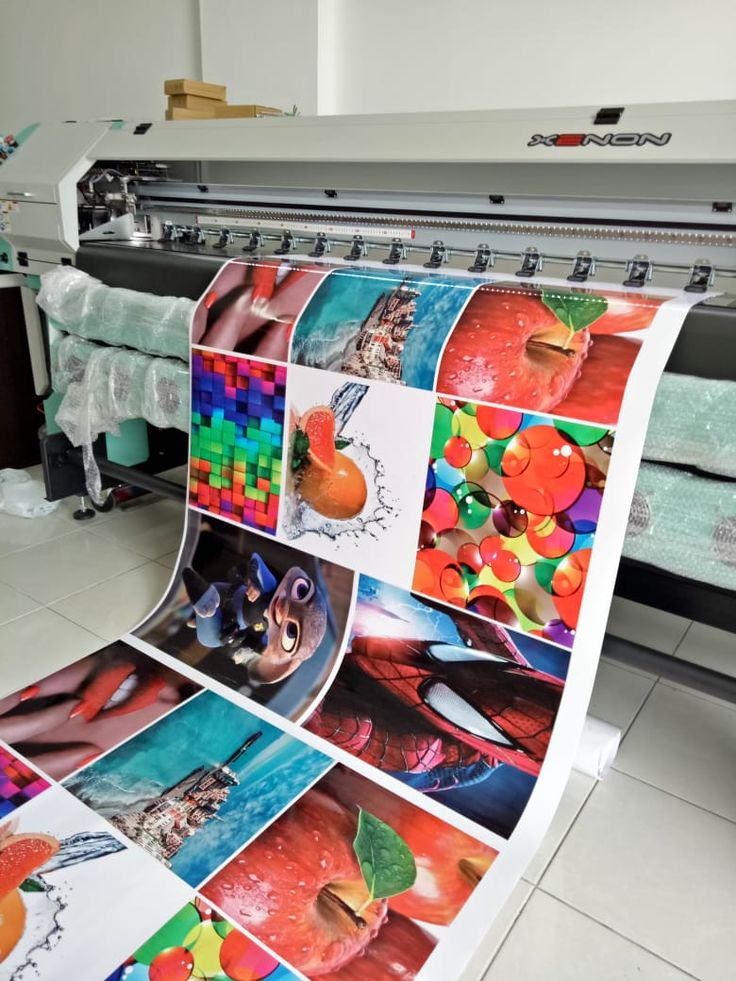
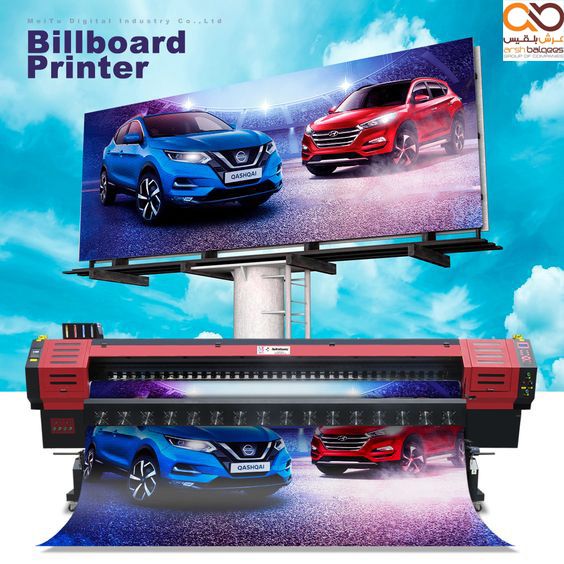
Banners remain the most versatile and cost-effective large format advertising medium available to Nairobi businesses, political campaigns, event organizers, and institutional communicators. From building announcements to roadside advertising, from trade show displays to political mobilization, banners provide immediate visual impact at accessible price points. Understanding material science, design principles, and installation techniques transforms basic banner production into strategic marketing investments.
The banner printing industry in Nairobi has matured substantially, offering materials and finishing options that rival international standards while accommodating local budget constraints and environmental conditions. Professional banner production involves far more than simply printing graphics on vinyl—material selection, reinforcement engineering, finishing details, and installation methodology collectively determine whether banners achieve their intended impact or become weathered eyesores.
Material Science: Selecting Substrates for Kenyan Conditions
Vinyl banner materials dominate the market for good reason, offering durability, printability, and cost-effectiveness that alternatives struggle to match. However, not all vinyl is created equal, and material selection should reflect specific application requirements, duration expectations, and environmental exposure.
Frontlit vinyl—the standard for most banner applications—features a smooth surface optimized for UV, solvent, or latex ink adhesion. Weights typically range from 13oz to 18oz per square yard, with heavier materials offering increased tear resistance and wind load capacity. For Nairobi's occasional high winds and intense UV exposure, 15oz or heavier vinyl provides prudent durability margins for outdoor applications exceeding three months.
Backlit vinyl incorporates translucent formulations that diffuse light evenly for illuminated applications. Shopping mall displays, airport advertising, and nighttime street signage utilize backlit vinyl to achieve visibility impossible with frontlit alternatives. The material costs approximately 30% more than standard vinyl but delivers transformative impact for premium locations where illumination extends effective viewing hours.
Mesh vinyl solves specific engineering challenges for large building wraps and windy locations. Perforated construction allows 25-30% air passage, dramatically reducing wind loading that can tear conventional banners or damage mounting structures. Construction site hoardings, stadium graphics, and high-rise building wraps in Nairobi's wind-prone areas require mesh vinyl for structural safety and longevity.
Design Optimization for Banner Impact
Effective banner design requires understanding viewing distances, dwell times, and environmental competition for attention. Banners viewed from moving vehicles or across busy streets must communicate messages instantaneously—complex graphics, detailed photography, or extensive text fail in these contexts. Successful banner design prioritizes hierarchy, contrast, and simplicity.
Typography for banners demands bold, legible fonts at sizes appropriate for viewing distance. As a practical guideline, text should measure at least one inch in height for every ten feet of viewing distance. A banner intended for roadside viewing from 100 feet requires minimum 10-inch letter heights for comfortable readability. These specifications often surprise designers accustomed to screen or print media, resulting in banners that look appropriate on computer screens but fail in actual deployment.
Color contrast against anticipated backgrounds ensures visibility. Banners mounted against building facades, vegetation, or sky require color selections that separate from these backgrounds. White or light-colored banners against concrete buildings, or dark banners against sky exposure, provide natural contrast. Consider seasonal variations—green banners might disappear against Nairobi's rainy season vegetation, while bright colors maintain visibility year-round.
Image resolution requirements for banners differ substantially from standard print media. Because banners are viewed from distance, file resolution can be significantly lower than photography or fine art reproductions. Typical banner printing at 72-100 DPI achieves excellent results for intended viewing distances, enabling efficient file preparation and rapid production. However, incorporate adequate bleed areas—typically 2-3 inches on all sides—to accommodate hemming and grommet installation without cropping critical image areas.
Finishing Engineering: Reinforcement and Longevity
| Finishing Option | Application | Benefit | Cost Impact |
|---|---|---|---|
| Heat-Welded Hems | Standard banners | Clean edges, no stitching holes | Standard |
| Reinforced Hems | Large/high-wind banners | Double material strength at edges | +15% |
| Pole Pockets | Pole-mounted banners | Even tension distribution | +10% |
| Grommets | All hanging banners | Secure attachment points | Standard |
| Reinforced Corners | Large outdoor banners | Prevents tear propagation | +8% |
| Wind Slits | Very large banners | Reduces wind loading | Minimal |
| Double-Sided | Street banners | 360-degree visibility | +80% |
| Anti-Graffiti Coating | Urban locations | Easy cleaning, protection | +20% |
Hemming—the folding and securing of banner edges—prevents fraying and provides structural integrity. Heat-welded hems using radio frequency sealing create seamless edges without stitching holes that could initiate tears. This method has largely replaced sewn hems in professional production, offering superior durability and cleaner aesthetics. For very large banners or high-wind applications, reinforced hems with double material thickness provide additional strength at stress concentration points.
Grommet installation requires strategic placement for even tension distribution and tear prevention. Standard placement positions grommets every 2-3 feet along hems, with corners receiving reinforced treatment. For banners exceeding 20 feet in any dimension, additional grommets or reinforced webbing distribute wind loads more effectively. Professional installation uses bungee cords or elastic tie-downs that accommodate wind-induced movement without transferring full force to grommet attachment points.
Pole pockets—sleeves sewn or welded into banner edges—enable mounting on poles or rods without grommets. This finishing creates elegant tensioned displays common in street banner installations, shopping mall decorations, and exhibition backdrops. Pole pockets require precise sizing for specific pole diameters and must account for fabric stretch under tension.
Installation Methodology and Safety
Professional banner installation balances secure mounting with structural preservation. Over-tensioning stresses grommets and material, while under-tensioning allows wind flapping that accelerates wear. Proper installation achieves drum-tight appearance without excessive force, using appropriate hardware for specific mounting surfaces.
Building-mounted banners require assessment of attachment point structural capacity. Masonry anchors, eye bolts, or existing structural elements must withstand wind loading calculated for banner surface area and local wind speeds. Nairobi's building codes don't specifically address banner installations, but professional installers apply engineering principles to prevent structural damage or safety hazards.
Street pole banners demand specialized hardware including banding systems, spring-loaded mounts, or cross-street cables. These installations often require municipal permits and coordination with traffic authorities. Professional installation teams manage permitting processes, ensuring legal compliance and safe installation that doesn't obstruct traffic signals or pedestrian pathways.
Indoor banner installation—for exhibitions, retail environments, or events—utilizes different hardware including retractable stands, suspension systems, or magnetic mounts. These applications prioritize rapid installation/removal and reusability, with hardware systems designed for repeated assembly and transport.
Weather Resistance and Maintenance
Nairobi's climate presents specific challenges for banner longevity. High-altitude UV exposure accelerates fading and material degradation, particularly for budget vinyl formulations without UV inhibitors. Quality banner materials incorporate UV stabilizers that extend outdoor life to 2-3 years, while economy options might show significant fading within months.
Rainy season moisture exposure tests material water resistance and installation sealing. Properly finished banners shed water without seepage into hems or grommet holes. However, accumulated water in pole pockets or sagging areas creates staining and material stress. Installation design should incorporate drainage and avoid water collection points.
Dust during dry seasons affects banner appearance, particularly for dark colors that show accumulation readily. Anti-static coatings reduce dust adhesion, while occasional cleaning with mild detergent extends visual appeal. Avoid pressure washing or abrasive cleaning that damages printed surfaces or material integrity.
Cost Structures and Procurement Optimization
Banner pricing in Nairobi varies based on material quality, size, finishing complexity, and order volume. Standard frontlit vinyl banners with heat-welded hems and grommets typically range from KES 450-700 per square meter for professional production. Backlit vinyl commands 30-50% premiums, while mesh materials fall within similar ranges to frontlit vinyl despite specialized construction.
Volume discounts apply meaningfully to banner production. Setup costs for printing equipment calibration and material loading remain constant regardless of quantity, making single banners relatively expensive per unit while bulk orders achieve economies of scale. For campaigns requiring multiple banners—political campaigns, retail chain promotions, event series—consolidating orders maximizes value.
Design services represent additional cost considerations. While many clients supply print-ready files, professional design services ensure optimal impact and technical compliance. Luna Graphics offers comprehensive design consultation, including site surveys for installation planning and mockup visualization to preview finished appearance.
Sustainability and End-of-Life Considerations
Vinyl banner materials present recycling challenges that environmentally conscious organizations increasingly consider. Traditional PVC vinyl isn't biodegradable and requires specialized recycling facilities unavailable in Kenya. Alternative materials including polyethylene banners offer improved recyclability, though with some durability trade-offs.
Banner reuse strategies extend material value and reduce waste. Event banners can be repurposed for subsequent editions with date modifications, or transformed into tote bags, pouches, or other products. Some organizations maintain banner libraries for internal reuse, rotating materials between locations to maximize value before retirement.
Luna Graphics offers material consultation regarding environmental impact, including biodegradable alternatives for short-term applications and recycling coordination for end-of-life materials. We support corporate sustainability goals through responsible material selection and waste minimization strategies.
Contact Luna Graphics for comprehensive banner production services from design through installation. Our technical team evaluates your specific requirements—location, duration, budget, and impact objectives—to recommend optimal material and finishing specifications. Schedule a consultation to review sample materials and discuss your banner marketing strategy.
Written by Ian Love
Marketing Director
Professional contributor at Luna Graphics specializing in printing and branding solutions.