
Laser Classification and Hazards
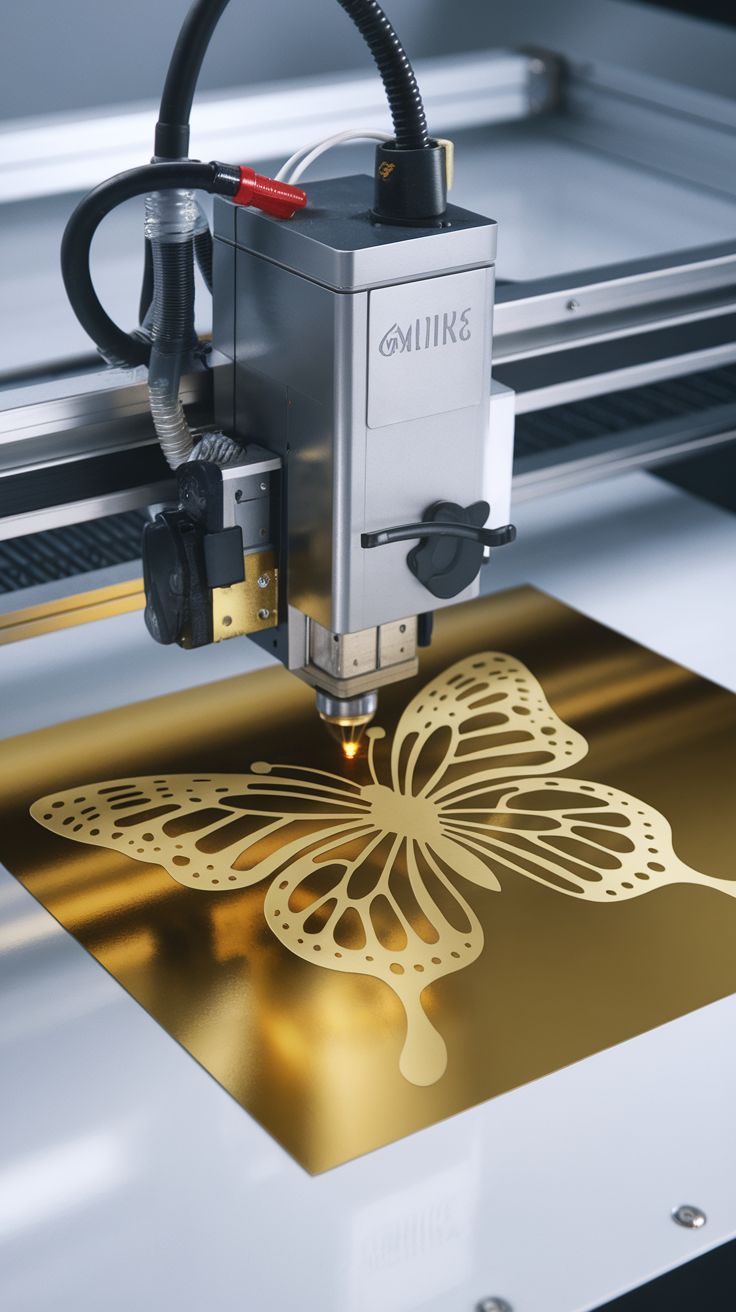
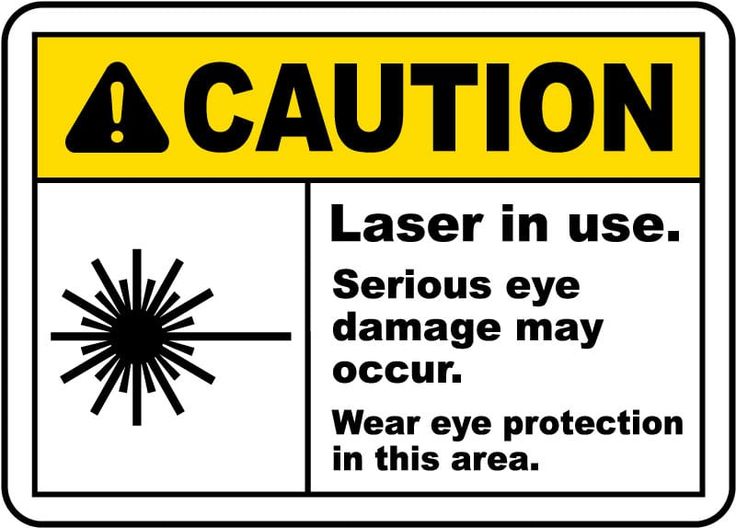
Laser cutting equipment uses high-power lasers classified as Class 4—the most hazardous classification—capable of causing eye and skin injury, igniting materials, and generating hazardous fumes. Understanding these hazards and implementing appropriate controls essential for safe operation. Safety standards and regulations provide frameworks for hazard management.
Eye hazards include direct beam exposure, specular reflections, and diffuse reflections. Invisible infrared beams (CO2 lasers at 10.6μm, fiber lasers at 1.06μm) pose particular risk as blink reflex doesn't protect. Retinal damage can occur instantly from direct exposure; corneal damage from CO2 laser exposure. Proper eye protection mandatory for operators and nearby personnel.
Skin hazards include burns from beam exposure and electrical hazards from high-voltage systems. Direct beam contact causes severe burns; scattered radiation causes lesser burns with prolonged exposure. High-voltage power supplies (15-30kV for CO2 lasers) present electrocution risk. Mechanical hazards from moving parts and material handling complete hazard profile.
Fire and explosion hazards result from beam interaction with materials. Combustible materials can ignite; accumulated debris in cutting bed creates fire risk; some materials release flammable gases; dust explosions possible with fine particulates. Fire prevention and suppression systems essential.
Safety Systems and Engineering Controls
Enclosure and interlocks prevent exposure during operation. Class 4 lasers must be fully enclosed; access panels interlocked to disable laser when opened; viewing windows filtered to block laser wavelength; emergency stops readily accessible. These engineering controls provide primary protection.
Ventilation and extraction remove hazardous emissions. Local exhaust at cutting point captures fumes and particulates; ducted systems discharge outside or to filtration; airflow rates sufficient to capture emissions; filtration systems appropriate for material types. Inadequate extraction creates health hazards and fire risks.
Fire detection and suppression protect facility. Smoke detection in laser area; automatic fire suppression (CO2 or clean agents, not water for electrical fires); fire-resistant construction; clear access for manual firefighting. Material storage and handling procedures prevent fire spread.
Electrical safety systems prevent shock hazards. Grounding and bonding; insulation and guarding of high-voltage components; residual current devices; lockout/tagout procedures for maintenance. Qualified electricians install and maintain electrical systems.
| Hazard | Control Measures | PPE/Procedures | Monitoring |
|---|---|---|---|
| Eye Injury | Enclosure, interlocks, beam stops | Laser safety glasses | Regular inspection |
| Skin Burns | Enclosure, beam containment | Protective clothing | Training, awareness |
| Inhalation | Extraction, ventilation | Respiratory if needed | Air quality monitoring |
| Fire | Suppression, detection, housekeeping | Fire extinguishers | Regular inspection |
| Electrocution | Grounding, guarding, lockout | Insulated tools | Electrical testing |
| Mechanical | Guards, safe design | Safety shoes, awareness | Maintenance checks |
Operational Safety Procedures
Operator training ensures competent, safe operation. Laser safety fundamentals; equipment-specific operation; emergency procedures; hazard recognition; PPE use. Training documented and refreshed periodically. Untrained personnel prohibited from operation.
Standard operating procedures (SOPs) document safe practices. Startup and shutdown sequences; material handling; parameter setting; monitoring during operation; response to alarms or anomalies; maintenance procedures. SOPs posted and followed; deviations reported and investigated.
Material approval prevents hazardous processing. Prohibited materials (PVC, vinyl) identified; unknown materials tested with caution; material safety data sheets reviewed; fire risks assessed. Material inventory managed to prevent accidental processing of hazardous substances.
Maintenance procedures ensure continued safety. Scheduled maintenance per manufacturer specifications; qualified technicians for laser and electrical service; alignment verification; interlock testing; extraction system maintenance. Maintenance logs document compliance.
Regulatory Compliance in Kenya
Occupational safety regulations apply to laser operations. Occupational Safety and Health Act requirements for hazard communication, PPE, and safe workplaces; specific guidance from Directorate of Occupational Safety and Health Services. Compliance demonstrated through documentation, training records, and facility inspection.
Radiation safety may involve additional regulation depending on laser classification and use. While industrial lasers typically exempt from medical radiation regulations, best practices align with international radiation safety standards. Registration or notification may be required for high-power systems.
Environmental regulations govern emissions and waste. NEMA (National Environment Management Authority) requirements for air emissions; waste management regulations for hazardous waste disposal; noise regulations if applicable. Environmental impact assessment may be required for large operations.
Fire safety compliance includes building codes and fire service requirements. Fire department notification and inspection; building occupancy classification; fire detection and suppression system approval; emergency egress compliance. Insurance requirements may exceed regulatory minimums.
Personal Protective Equipment
Laser safety glasses mandatory for exposed beam wavelengths. Optical density rated for specific laser wavelength and power; comfort ensuring actual use; regular inspection for damage; replacement per manufacturer schedule. Standard safety glasses inadequate for laser protection.
Protective clothing prevents skin exposure and contamination. Long sleeves and pants; closed-toe shoes; materials resisting ignition; removal of reflective jewelry. Clean clothing prevents material contamination affecting cut quality and safety.
Respiratory protection when extraction inadequate or during maintenance. N95 or higher rated respirators for particulates; organic vapor cartridges for fume exposure; fit testing ensuring effectiveness; training in proper use. Engineering controls preferred over PPE.
Hearing protection if noise levels excessive. Extraction systems and auxiliary equipment may generate significant noise; monitoring confirms levels; hearing protection provided if needed; noise reduction engineering preferred.
Luna Graphics maintains rigorous safety standards exceeding regulatory requirements. Our equipment includes comprehensive safety systems; our operators receive thorough training; our procedures ensure consistent safe operation; our documentation demonstrates compliance. We prioritize safety alongside quality and efficiency. Contact us to discuss safety practices or arrange facility visits observing our safety culture.
Written by Ian Love
Marketing Director
Professional contributor at Luna Graphics specializing in printing and branding solutions.