
The Critical Function of Branded Safety Apparel
Reflector jacket branding serves essential dual functions for Kenyan organizations with field operations: ensuring worker safety through high-visibility compliance, and extending brand presence through professional identification. For construction, logistics, utilities, security, and event management sectors, branded high-visibility apparel is not optional merchandise but operational necessity with safety and marketing implications. Professional execution of safety apparel branding demonstrates organizational commitment to both worker welfare and brand standards.
The regulatory context for high-visibility apparel in Kenya aligns with international standards (ISO 20471, ANSI/ISEA 107) specifying color, reflectivity, and design requirements for different risk environments. Compliance ensures legal protection and actual safety effectiveness; non-compliance risks enforcement action and, more critically, worker injury or fatality.
Safety Standards and Compliance
High-visibility safety apparel is categorized by protection level: Class 3 providing highest visibility for high-speed traffic and complex backgrounds; Class 2 for intermediate risk; and Class 1 for lower-risk environments. Garment design—including reflective tape configuration, fluorescent background material, and coverage area—must meet class specifications.
For Kenyan field operations, risk assessment should determine appropriate class: highway construction requires Class 3; warehouse operations may suffice with Class 2; and parking attendants might use Class 1. Professional safety consultation ensures appropriate specification. Luna Graphics provides compliant high-visibility apparel meeting international standards.
| Safety Class | Requirements | Typical Applications | Branding Constraints |
|---|---|---|---|
| Class 3 | Highest visibility, sleeves + torso coverage | High-speed traffic, complex backgrounds, emergency | Minimum background material, tape placement rules |
| Class 2 | Intermediate visibility, torso coverage | Lower speed traffic, equipment operation | More branding flexibility, still regulated |
| Class 1 | Minimum visibility, limited coverage | Off-road, controlled environments | Greatest branding flexibility |
| Enhanced visibility | Not safety certified, reflective elements | Low risk, brand emphasis, casual use | No regulatory constraints, safety limited |
Branding Integration Within Safety Constraints
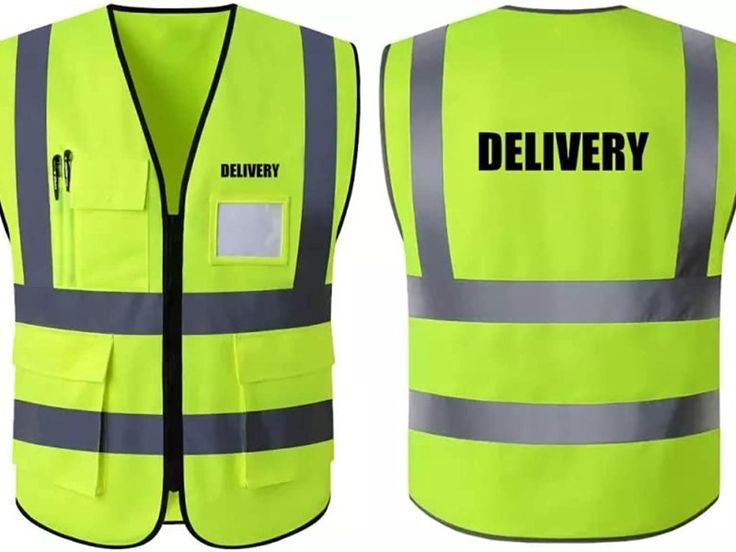
Branding on safety apparel must comply with standards maintaining visibility and recognition: logo placement avoiding reflective tape coverage; size limitations preserving safety material minimums; and color restrictions ensuring contrast with fluorescent backgrounds. Professional design navigates these constraints creating branded appearance without compromising safety function.
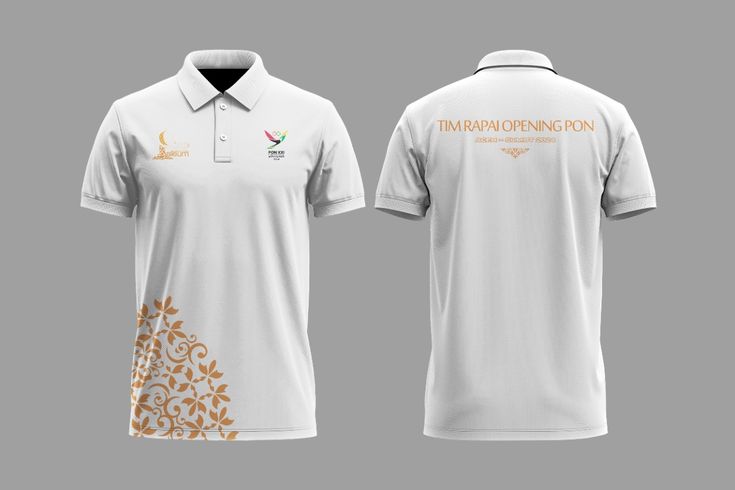
For Kenyan corporate applications, branding typically includes: company logo on chest or back within permitted zones; employee identification (names, departments, roles); and safety certifications or qualifications. Quality decoration—screen printing or embroidery appropriate to fabric—ensures durability through washing and wear.
Garment Types and Applications
High-visibility garment types address specific operational needs: vests for warm climates and layering; jackets for weather protection; trousers for full-body visibility; and specialized items (helmets, armbands, sashes) for specific roles. For Kenyan conditions, breathability and heat management are critical—mesh vests, moisture-wicking fabrics, and ventilation features improve wearer compliance.
Multi-functional garments combining safety with utility—pockets for equipment, ID badge holders, radio loops—increase field effectiveness. Luna Graphics sources safety apparel optimized for Kenyan climate and operational requirements.
Procurement and Inventory Management
Safety apparel procurement should address: accurate sizing distribution for diverse workforces; replacement cycles accounting for wear and laundering; seasonal variations (warmer/cooler options); and spare inventory for new hires and replacements. For large Kenyan field operations, systematic inventory management ensures consistent availability.
Quality investment in durable materials and construction reduces replacement frequency and ensures continued safety performance. Cost-per-wearing analysis often favors premium specification over economy alternatives requiring frequent replacement.
Distribution and Compliance Monitoring
Safety apparel distribution should ensure: every field worker receives appropriate garment; training on proper wear and maintenance; enforcement of wear requirements; and monitoring of garment condition triggering replacement. For Kenyan operations, supervisor accountability ensures safety compliance translating into actual protection.
Branded safety apparel also serves security and identification functions—authorized personnel recognition, contractor differentiation, and role identification—enhancing operational security alongside safety.
Conclusion: Safety as Brand Responsibility
Branded high-visibility safety apparel demonstrates organizational commitment to worker welfare while extending professional brand presence. For Kenyan field operations, safety apparel investment is both legal obligation and moral responsibility, with branding integration requiring professional expertise ensuring compliance and effectiveness.
Luna Graphics provides compliant, branded safety apparel services from standards consultation and sourcing through decoration and distribution. Our safety expertise ensures field staff protection and brand presentation. Contact our safety apparel team to discuss your high-visibility requirements.
Written by Ian Love
Marketing Director
Professional contributor at Luna Graphics specializing in printing and branding solutions.