
Retail Display Fabrication with Laser Cutting
Retail environments demand visual merchandising that captures attention, communicates brand values, and drives purchase behavior. Laser cutting enables creation of display elements with precision, detail, and material quality that elevate product presentation above commodity competition. From countertop displays to window installations, laser-cut components create memorable shopping experiences that justify premium positioning and increase conversion rates.
The speed and flexibility of laser cutting suit retail's rapid cycle times. Seasonal campaigns, product launches, and promotional events require quick turnaround from concept to installation. Laser cutting eliminates tooling delays, enabling production within days rather than weeks. Design changes accommodate last-minute marketing adjustments. This responsiveness ensures displays deploy when needed rather than when production allows.
Material versatility supports diverse retail aesthetics. Clear acrylic creates elegant, modern displays; wood adds warmth and craftsmanship appeal; metal conveys durability and premium quality. Mixed materials achieve sophisticated effects. Laser cutting processes these materials with consistent quality, enabling design freedom regardless of material choice.
Point-of-Sale (POS) Display Types
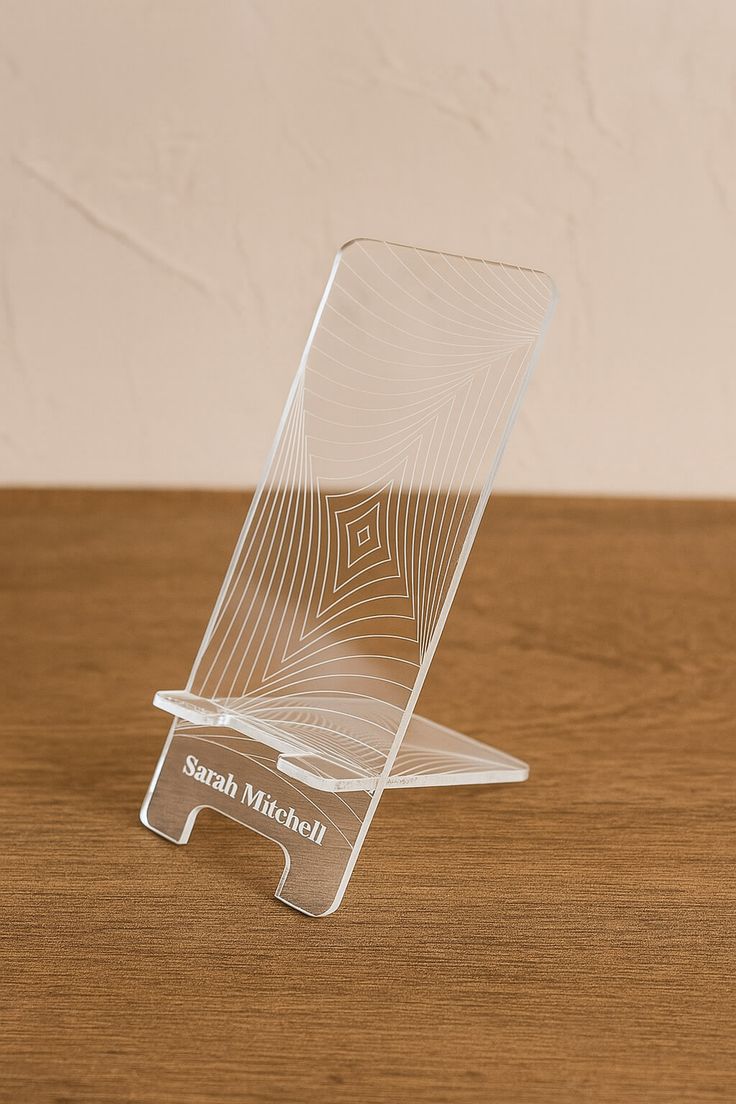
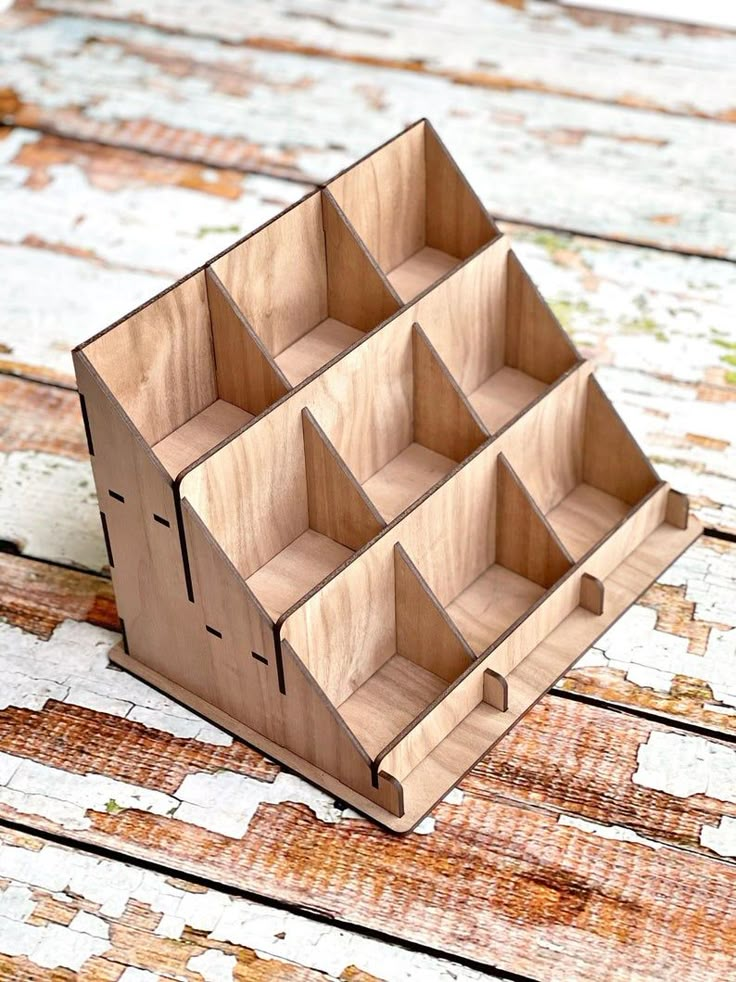
Countertop displays position products at decision points near checkout or service areas. Laser-cut acrylic or wood constructions create tiered stands, product glorifiers, and information holders. These displays must be compact yet effective, with stability for customer handling and durability for high-traffic environments. Interchangeable graphics or modular components allow campaign updates without complete replacement.
Floor displays and merchandisers present product collections or featured items. Laser-cut metal or acrylic structures create shelving, hanging systems, and branded enclosures. These larger displays require structural consideration for stability and product loading. Modular design enables reconfiguration for different products or spaces. Transport and assembly design facilitates deployment across multiple locations.
Window displays create visual attraction drawing customers into retail spaces. Laser-cut elements form backdrops, props, and dimensional graphics visible from street. Scale ranges from small window signs to full window installations. Lighting integration creates dramatic effects for evening visibility. Weather resistance required for exterior-facing elements.
Shelf talkers and aisle violators interrupt shopping patterns with promotional messaging. Laser cutting creates shaped signs, dimensional elements, and interactive features attaching to standard shelving. These elements must comply with retailer specifications for size, attachment methods, and safety. High-volume production of standardized units requires efficiency laser cutting provides.
| Display Type | Materials | Key Features | Applications |
|---|---|---|---|
| Countertop Displays | Acrylic, Wood, Metal | Compact, stable, branded | Checkout areas, service counters |
| Floor Merchandisers | Metal, Acrylic, Wood | Structural, modular, mobile | Product collections, features |
| Window Displays | Acrylic, Metal, Mixed | Visual impact, scalable | Street presence, seasonal |
| Shelf Talkers | Cardstock, Acrylic | Standardized, attachable | Promotional messaging |
| Product Stands | Acrylic, Metal | Product-specific, elevating | Electronics, cosmetics, jewelry |
| Signage Systems | Acrylic, Metal, Wood | Modular, updatable | Wayfinding, pricing, information |
Design for Retail Effectiveness
Visual hierarchy guides customer attention through displays. Primary focal points feature hero products or key messages; secondary elements provide supporting information; tertiary details complete presentation. Laser cutting creates dimensional variation, layering, and texture establishing this hierarchy. Flat graphics compete poorly with dimensional elements capturing attention.
Brand integration ensures displays reinforce rather than dilute brand identity. Colors, materials, and design language coordinate with brand standards. Logo placement and sizing follow guidelines. However, displays must also accommodate retailer environments that may feature competing brands. Design balances brand prominence with environmental integration.
Product interaction design encourages customer engagement. Open access invites handling; security features protect high-value items; demonstration capabilities showcase functionality. Laser cutting creates access points, security mounting, and interactive elements supporting product presentation goals. Understanding customer behavior informs these design decisions.
Modularity and reuse improve economics and sustainability. Displays designed for component replacement or reconfiguration serve multiple campaigns. Standardized connection systems enable mix-and-match assembly. These strategies reduce per-campaign costs and environmental impact while maintaining fresh appearance.
Material Selection for Retail
Acrylic dominates retail display for clarity, fabrication ease, and appearance. Clear acrylic creates floating product presentation; colored acrylics match brand palettes; frosted finishes diffuse lighting. Impact-modified grades improve durability for customer handling. Acrylic's light weight reduces shipping costs and installation effort. Edge polishing from laser cutting enhances perceived quality.
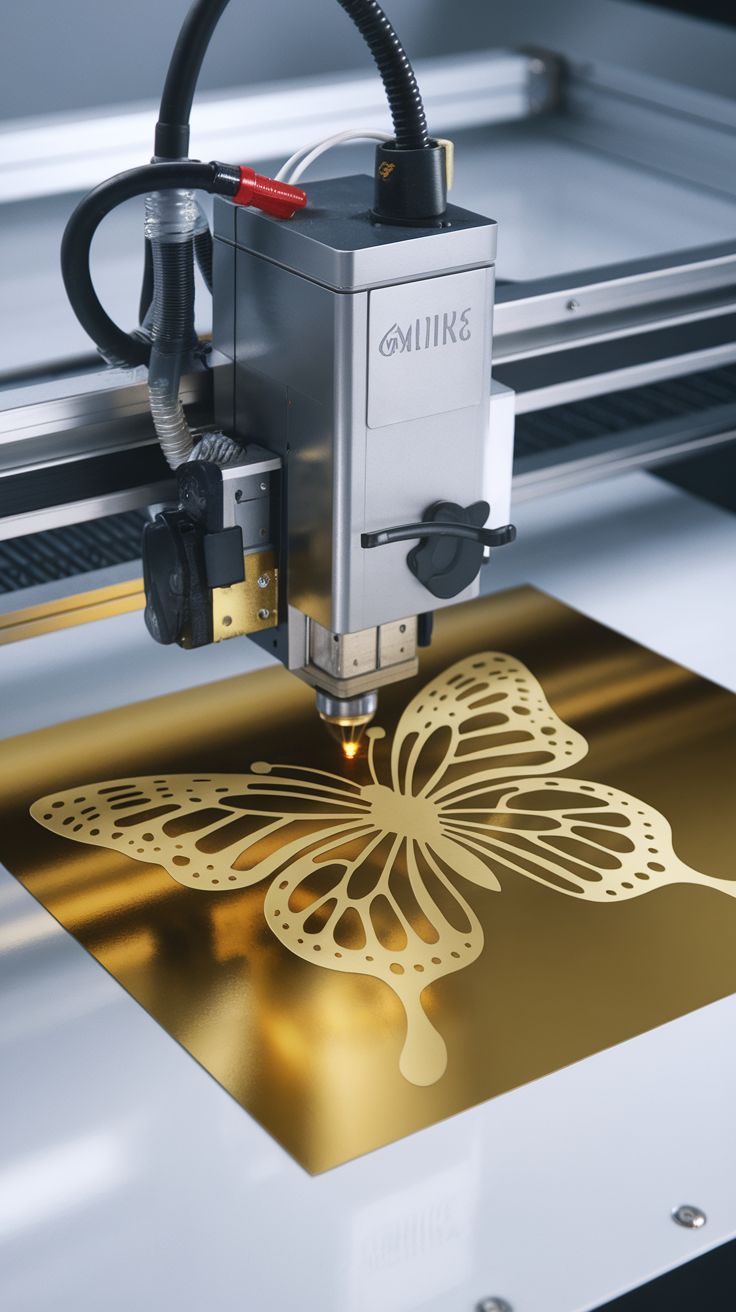
Metal provides premium appearance and durability for high-end retail. Stainless steel and aluminum convey quality and withstand demanding environments. Metal displays suit electronics, jewelry, and luxury goods where material substance supports product positioning. Finishes from brushed to polished create varied aesthetics. Weight requires structural consideration but adds stability.
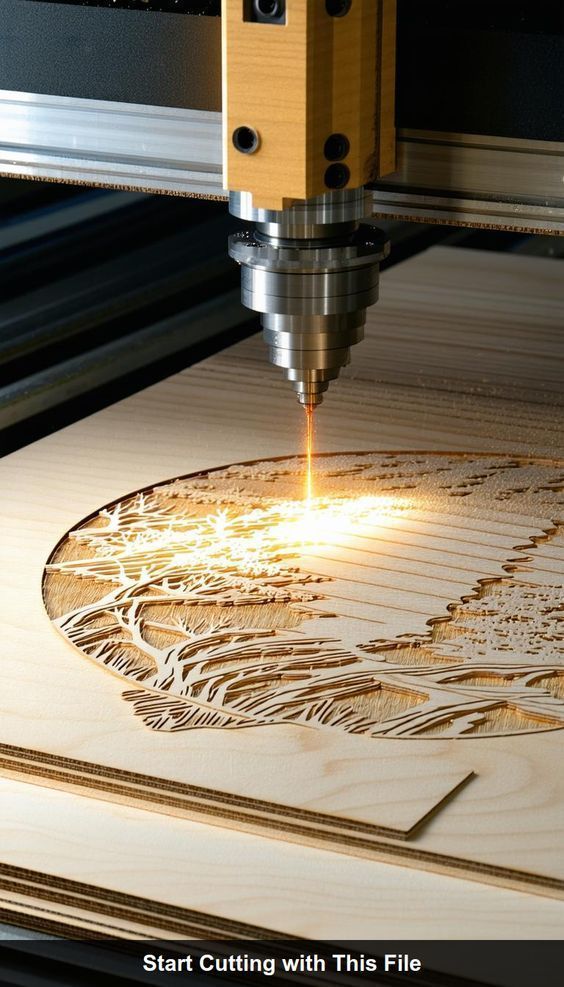
Wood introduces warmth and craftsmanship to retail environments. Sustainable wood choices appeal to environmentally conscious consumers. Wood suits wellness, food, and lifestyle brands emphasizing natural qualities. Finishing protects against wear and maintains appearance. Wood displays age gracefully, developing character over time.
Sustainable materials respond to retail environmental initiatives. Recycled acrylics, FSC-certified woods, and recyclable metals meet corporate sustainability requirements. Material selection affects disposal and recycling at display end-of-life. These considerations increasingly influence procurement decisions for major retailers.
Production and Logistics
Kit-of-parts design facilitates shipping and assembly. Flat-packed components reduce shipping volume and damage risk. Assembly instructions and minimal hardware enable field installation without specialized tools. This approach suits national or international retail rollouts requiring deployment across many locations.
Graphics integration methods vary by update frequency. Permanent graphics laser-engrave or print directly on substrates. Changeable graphics use magnetic, clip, or slot mounting for campaign updates. Digital integration (screens, QR codes) combines physical and virtual experiences. Design specifies appropriate integration for display lifespan and update requirements.
Quality standards ensure displays perform in retail environments. Structural testing verifies stability under expected loading. Durability testing simulates customer handling and cleaning procedures. Finish quality meets appearance standards under retail lighting. These standards protect brand presentation and display investment.
Luna Graphics partners with retailers and brands to create effective point-of-sale materials leveraging laser cutting capabilities. Our retail experience informs design recommendations balancing visual impact, durability, and economics. From prototype development through production rollout, we support retail merchandising objectives with quality fabrication. Contact our retail specialists to discuss your display requirements.
Written by Ian Love
Marketing Director
Professional contributor at Luna Graphics specializing in printing and branding solutions.